Benefits of Cardio Respiratory Endurance Explained
Imagine climbing a flight of stairs without getting winded, walking for miles with ease, or simply feeling energized throughout the day. These aren’t just signs of physical stamina. They are direct results of strong cardio respiratory endurance. This vital component of fitness reflects how efficiently your heart, lungs, and circulatory system work together to fuel your body during sustained physical activity. More than just a performance metric, cardio respiratory endurance is a powerful predictor of long-term health, disease resistance, and even lifespan.
Research shows that improving your aerobic capacity can slash your risk of chronic diseases, boost brain function, and add years to your life, even with minimal daily effort. Whether you are sedentary or already active, enhancing your cardiorespiratory fitness unlocks measurable benefits, from lowering blood pressure to reducing cancer mortality by up to 45%. In this guide, we will break down the science-backed advantages, reveal how little it takes to make a difference, and show you practical ways to build lasting endurance safely and effectively.
Boost Longevity and Reduce Mortality Risk

Improving cardio respiratory endurance is one of the most effective ways to live longer and reduce the risk of premature death from all causes.
Gain Years of Life with Minimal Activity
Even small increases in daily movement significantly extend lifespan. Just 15 minutes a day of moderate exercise, like brisk walking, can reduce all-cause mortality risk by 14% and add three years to life expectancy compared to being inactive. Each additional 15 minutes of daily activity further lowers mortality risk by 4%, with benefits plateauing around 65–107 minutes of moderate exercise per day. The biggest gains occur when moving from a sedentary lifestyle to light activity, proving that consistency matters more than intensity.
Cut Death Risk by Nearly Half
The fittest individuals face dramatically lower mortality risks. Those in the lowest fitness quintile are 2 to 4.6 times more likely to die from any cause than their highly fit peers. Achieving optimal cardiorespiratory endurance, defined as 3 to 5 times the minimum physical activity guidelines, can reduce mortality risk by 39%. Elite endurance athletes live 3–6 years longer than the general population, demonstrating the long-term protective power of aerobic fitness.
Outlive Sedentary Habits
Sedentary behavior independently increases mortality risk. Spending more than 9.5 hours per day sitting is linked to significantly higher death rates compared to 7.5 hours. Replacing just 30–60 minutes of daily sitting with light or moderate activity reduces health risks. Your heart thrives on movement, and every step counts toward a longer, healthier life.
Prevent Chronic Diseases Effectively
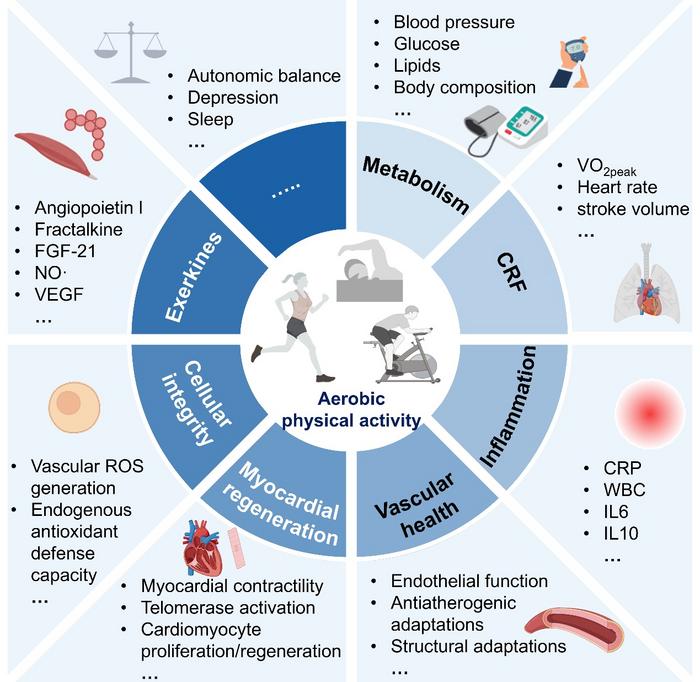
Strong cardio respiratory endurance acts as a natural shield against major chronic illnesses, offering protection comparable to or better than many medications.
Slash Heart Disease and Stroke Risk
Aerobic fitness directly combats cardiovascular disease. Physically inactive people face a 60% higher risk of stroke, while regular exercisers enjoy a 31% reduction in stroke incidence. For coronary heart disease, high cardiorespiratory endurance lowers event rates significantly. In hypertensive individuals, aerobic training reduces blood pressure by an average of 6.9/4.9 mm Hg, a drop comparable to some antihypertensive drugs. Exercise also improves cholesterol profiles by raising HDL (“good” cholesterol) and lowering LDL.
Cut Diabetes Risk by Over Half
Low aerobic fitness is a key driver of type 2 diabetes. But lifestyle intervention, including 150 minutes per week of moderate activity, reduces diabetes incidence by 58% in high-risk individuals. This outperforms Metformin, which achieves a 31% reduction. The Number Needed to Treat (NNT) is just 7 for lifestyle changes versus 14 for medication, meaning exercise prevents diabetes twice as effectively. Improved insulin sensitivity and glucose regulation occur immediately after a single workout and build over time.
Lower Cancer Mortality by 45%
High cardiorespiratory fitness is linked to a 45% reduced risk of dying from cancer, regardless of body weight. Physical inactivity contributes to 9.2% of breast cancer and 10.0% of colon cancer cases. Exercise helps at every stage of cancer development by reducing inflammation, regulating hormones like insulin and estrogen, and enhancing immune surveillance. Regular aerobic activity also improves survival outcomes in cancer patients.
Enhance Brain and Mental Health
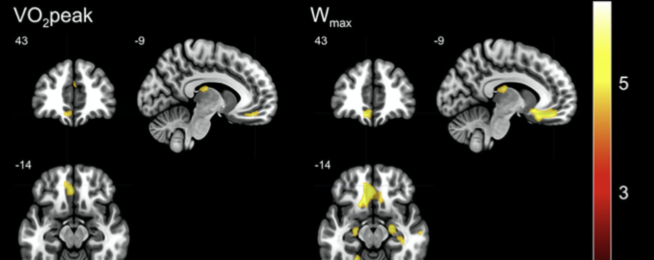
Cardio respiratory endurance does not just strengthen the heart. It powers the brain and stabilizes mood, offering protection against cognitive decline and mental health disorders.
Protect Against Cognitive Decline
The most aerobically fit individuals have a 38% lower risk of developing cognitive impairment. Even low-to-moderate activity reduces risk by 35%. Aerobic exercise increases gray matter volume in brain regions responsible for memory and decision-making, particularly in the frontal and temporal lobes. Programs lasting 6–12 months can reverse age-related brain shrinkage, improving executive function and processing speed.
Reduce Depression and Anxiety Symptoms
Aerobic activity is a proven mood booster. In clinical populations, exercise reduces depressive symptoms by 30%, an effect comparable to antidepressant medications. It stimulates endorphin release, reduces stress hormones like cortisol, and increases neurotrophic factors such as BDNF, which support neuron growth. Regular cardio also improves sleep quality, self-esteem, and resilience to daily stressors.
Delay Dementia and Alzheimer’s Onset
Engaging in physical activity twice a week lowers the risk of dementia and Alzheimer’s disease, especially in genetically susceptible individuals. Exercise enhances cerebral blood flow, reduces amyloid plaque buildup, and promotes synaptic plasticity. Over time, this builds cognitive reserve, helping the brain withstand age-related damage.
Improve Cellular and Metabolic Function
Behind the scenes, cardio respiratory endurance triggers profound physiological changes that keep your cells healthy, energy production efficient, and aging at bay.
Strengthen Mitochondrial Health
Mitochondria, the energy powerhouses of cells, multiply and function more efficiently with regular aerobic exercise. Training boosts mitochondrial biogenesis, improves oxidative phosphorylation, and enhances mitophagy, the process of clearing damaged mitochondria. This reduces reactive oxygen species (ROS) and oxidative stress, preserving muscle function and slowing sarcopenia (age-related muscle loss).
Boost Antioxidant Defenses
Exercise increases the body’s natural antioxidant capacity. In patients with coronary artery disease, an 8-month training program raised total antioxidant levels by 137%. Enzymes like superoxide dismutase and glutathione reductase are upregulated, protecting cells from free radical damage and inflammation.
Enhance Fat Burning and Insulin Sensitivity
Aerobic training shifts your metabolism toward fat utilization, especially in Zone 2 heart rate training (60–70% max heart rate). This improves metabolic flexibility, the ability to switch between fuel sources. Skeletal muscle becomes more responsive to insulin, reducing blood sugar spikes and lowering diabetes risk. These changes occur rapidly, with improved glucose control seen within hours of a single workout.
Follow Science-Based Training Guidelines

You do not need extreme workouts to gain benefits. Evidence-based protocols make it easy to build endurance safely and effectively.
Meet Minimum Weekly Targets
Global guidelines recommend:
– 150–300 minutes of moderate-intensity aerobic activity (e.g., brisk walking) per week, or
– 75–150 minutes of vigorous activity (e.g., running) per week.
Activity can be broken into any duration; even short bursts count. Older adults should add balance and strength training on at least 3 days per week to maintain mobility and prevent falls.
Start with the Minimum Effective Dose
You can begin with as little as:
– 15 minutes/day of moderate exercise (14% lower mortality)
– 8 minutes/day of vigorous activity (30% lower mortality)
These small commitments deliver outsized benefits, especially for sedentary individuals. Begin with 10–15 minutes daily and increase by 10–20% per week to avoid injury.
Use Heart Rate Zones for Targeted Training
Customize workouts using your estimated max heart rate (220 minus age):
– Zone 1 (50–60%): Recovery walks
– Zone 2 (60–70%): Fat-burning base building (30–60 min jogs)
– Zone 3 (70–80%): Lactate threshold training
– Zone 4 (80–90%): VO₂max improvement
– Zone 5 (90–100%): Short bursts for stamina
Most health benefits come from Zones 1–3.
Choose Effective Training Methods
Different cardio approaches deliver rapid improvements in endurance, even with limited time.
Try HIIT for Fast Results
High-Intensity Interval Training (HIIT) alternates short bursts of intense effort with recovery periods. Studies show 38% to 79% improvements in cardiorespiratory endurance in weeks. Example: 30 seconds sprinting, 90 seconds walking, repeat 6–8 times, 3 days per week.
Use Sprints to Boost Fitness Quickly
Sprint Interval Training (SIT) involves all-out efforts:
– 10–30 seconds at maximum effort
– 2–5 minutes rest
– Repeat 3–7 times
– 3 sessions per week for 2–8 weeks
SIT improves VO₂max by 4% to 13.5%, ideal for time-crunched individuals.
Build Endurance Gradually
For steady progress:
– Start with 10–15 minutes of brisk walking
– Add 1–2 minutes weekly
– Focus on consistency over speed
– Cross-train (cycling, swimming) to prevent overuse injuries
Understand Risks and Stay Safe
While benefits far outweigh risks, smart precautions ensure safe, sustainable progress.
Know the Acute Cardiac Risk
Vigorous activity temporarily increases the risk of sudden cardiac death or heart attack in people with undiagnosed heart disease. The relative risk rises 2- to 107-fold during intense exertion, but the absolute risk remains extremely low: 1 SCD per 1.5 million hours of vigorous activity in men. Regular exercisers face much lower risk than sporadic “weekend warriors.”
Avoid Extreme Exercise Pitfalls
Very high-volume, high-intensity training may lead to increased coronary calcification or atrial fibrillation in some individuals, seen in a U-shaped or reverse J-shaped curve in studies. However, elite athletes still live 3–6 years longer, confirming that benefits outweigh risks for most.
Follow Safety Protocols
- Warm up and cool down (5–10 minutes) to prevent hemodynamic shock
- Stop immediately if you experience chest pain lasting more than 10 minutes, severe shortness of breath, or dizziness
- Consult a doctor if you have known heart disease, low ejection fraction (under 35%), or unstable angina
- Limit same-activity sessions to 5 days per week or fewer to prevent overuse injuries
Maximize Public and Personal Health Impact
Improving cardio respiratory endurance is not just personal. It is a public health imperative with massive economic and societal benefits.
Reduce Healthcare Costs
Physically active individuals have lower annual medical costs. In Canada, physical inactivity cost $5.3 billion in 2001, or 2.6% of total healthcare spending. Preventing inactivity could save billions annually in treatment for heart disease, diabetes, and cancer.
Prevent Millions of Deaths
Physical inactivity is the fourth leading cause of death globally, responsible for 6–10% of noncommunicable disease deaths. Eliminating inactivity could prevent 80% of heart disease, stroke, and type 2 diabetes cases, and over a third of certain cancers.
Shift from Treatment to Prevention
Cardiorespiratory fitness is now considered a “clinical vital sign.” Adding CRF assessment to traditional risk factors improves prediction of heart events and death. Clinicians are encouraged to measure or estimate VO₂max as part of routine care, shifting focus from treating disease to promoting lifelong fitness.
Frequently Asked Questions About Cardio Respiratory Endurance
What is the minimum amount of exercise needed to improve cardiorespiratory endurance?
As little as 15 minutes per day of moderate-intensity activity like brisk walking can reduce mortality risk by 14% and add three years to life expectancy. For vigorous activity, just 8 minutes per day is associated with a 30% mortality risk reduction.
How does cardio respiratory endurance reduce the risk of chronic diseases?
Strong cardiorespiratory fitness lowers blood pressure by an average of 6.9/4.9 mm Hg in hypertensive individuals, reduces stroke risk by 31%, cuts diabetes incidence by 58% in high-risk groups, and lowers cancer mortality by 45%. These benefits stem from improved circulation, insulin sensitivity, reduced inflammation, and enhanced immune function.
Can older adults safely build cardio respiratory endurance?
Yes. Older adults should aim for 150–300 minutes of moderate activity weekly, adding balance and strength training on at least 3 days per week. Starting with 10–15 minutes daily and progressing gradually by 10–20% per week minimizes injury risk while delivering substantial health benefits.
Is high-intensity interval training better than moderate exercise for endurance?
Both are effective. HIIT can improve cardiorespiratory endurance by 38% to 79% in just weeks, while moderate activity provides steady, sustainable gains with lower injury risk. Most health benefits come from Zones 1–3 (50–80% of max heart rate), making moderate exercise an excellent foundation.
How quickly do the benefits of cardio respiratory endurance appear?
Some benefits appear within hours. A single workout improves glucose regulation and insulin sensitivity immediately. Longer-term adaptations like increased mitochondrial density, improved antioxidant capacity, and reduced mortality risk build over weeks to months of consistent training.
Are there risks to building cardio respiratory endurance?
Risks are minimal for most people. Vigorous activity temporarily raises relative cardiac event risk 2- to 107-fold, but absolute risk remains extremely low (1 SCD per 1.5 million hours). Warming up, cooling down, progressing gradually, and consulting a doctor if you have heart conditions ensures safe training.
Key Takeaways for Building Lasting Cardio Respiratory Endurance
Cardiorespiratory endurance is one of the strongest predictors of health and longevity. From reducing mortality by nearly 40% to slashing diabetes risk and protecting the brain, the benefits are profound, even with modest activity.
The most powerful insight from the research is this: the biggest health gains come from moving from sedentary to active, not from pushing to extremes. Just 15 minutes of daily moderate exercise delivers a 14% mortality reduction and adds three years to life expectancy.
Start with a small, enjoyable activity today. Walk for 15 minutes, take the stairs, or try a short jog. Track your progress, increase duration by 10–20% weekly, and mix in strength training for full-body health. Whether you walk, jog, cycle, or swim, every beat of your heart builds a healthier, longer life.