Benefits of Elliptical Cardio
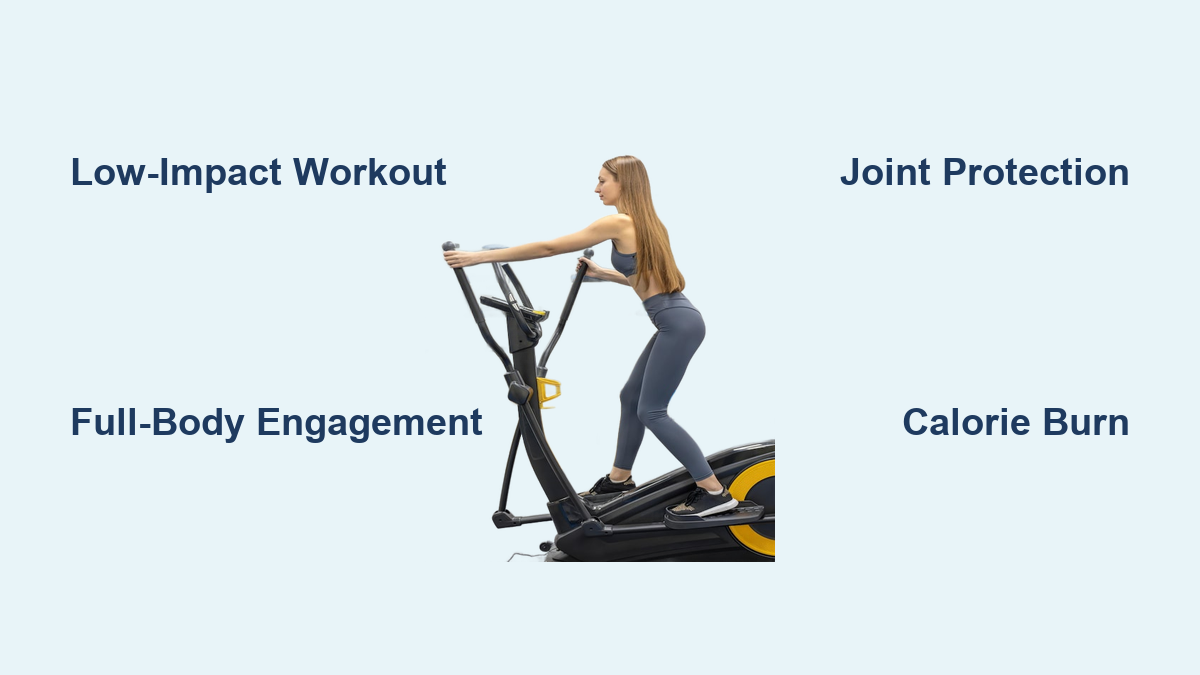
If you’re looking for a workout that delivers serious cardiovascular results without pounding your joints, elliptical cardio might be your ideal solution. The elliptical machine combines the motion of walking, running, and stair climbing into one smooth, gliding movement, offering a low-impact yet high-intensity way to burn calories, strengthen muscles, and improve heart health. Whether you’re rehabbing an injury, managing arthritis, or simply seeking a more joint-friendly alternative to running, the benefits of elliptical cardio extend far beyond basic cardio conditioning.
Unlike treadmills or pavement running, the elliptical keeps your feet planted throughout the entire motion, eliminating the jarring impact of foot strikes. This makes it uniquely effective for people of all fitness levels, including beginners, older adults, and athletes alike. Because most models include moving handlebars, you engage both upper and lower body simultaneously, turning a standard cardio session into a total-body conditioning workout. In this guide, you’ll discover exactly how elliptical training boosts heart health, burns fat, builds muscle, supports joint safety, and enhances mental well-being while minimizing injury risk.
Boost Heart Health and Endurance
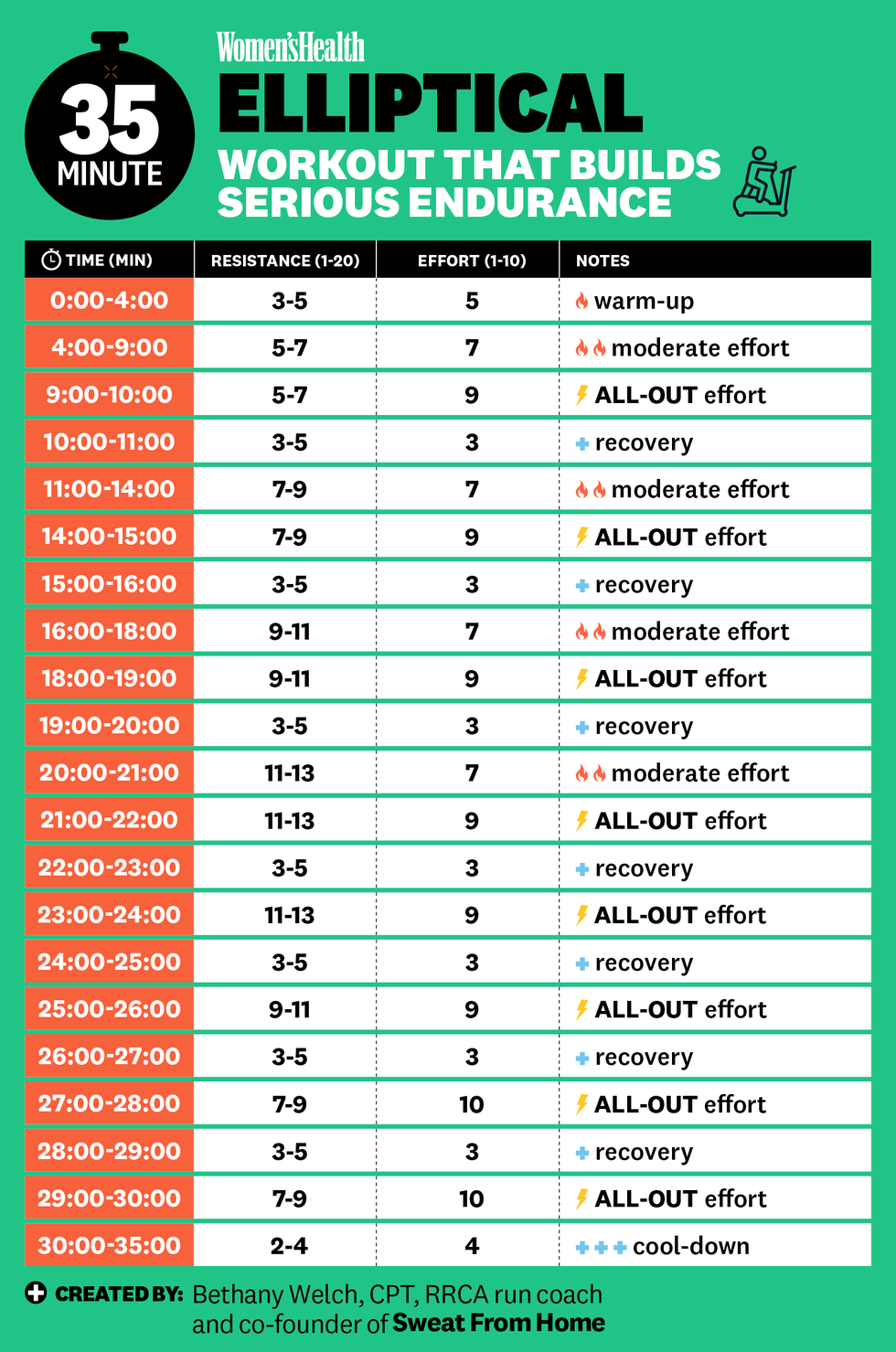
Elliptical training is a powerful tool for improving cardiovascular function. By elevating your heart rate in a controlled, sustainable way, it strengthens the heart muscle and enhances oxygen delivery to muscles throughout the body.
Strengthen the Heart Muscle
Regular elliptical use trains the heart to pump blood more efficiently. Over time, this leads to lower resting heart rates and improved stroke volume, or the amount of blood pumped per beat. These changes are markers of strong cardiovascular fitness and reduced strain on the heart during daily activities.
Lower Blood Pressure and Cholesterol
Consistent aerobic exercise like elliptical training helps regulate blood pressure and improve lipid profiles. Users often see reductions in LDL cholesterol and increases in HDL cholesterol, decreasing long-term risk for heart disease and stroke.
Sustain Moderate-Intensity Workouts
Adjustable resistance and speed settings allow precise control over workout intensity. For optimal heart health, aim for moderate intensity, a level where you’re slightly breathless but can still speak in short sentences. This zone is ideal for building aerobic endurance and can be maintained for 30 or more minutes, aligning with CDC guidelines of 150 to 300 minutes of weekly moderate cardio.
Burn Calories Without Joint Stress
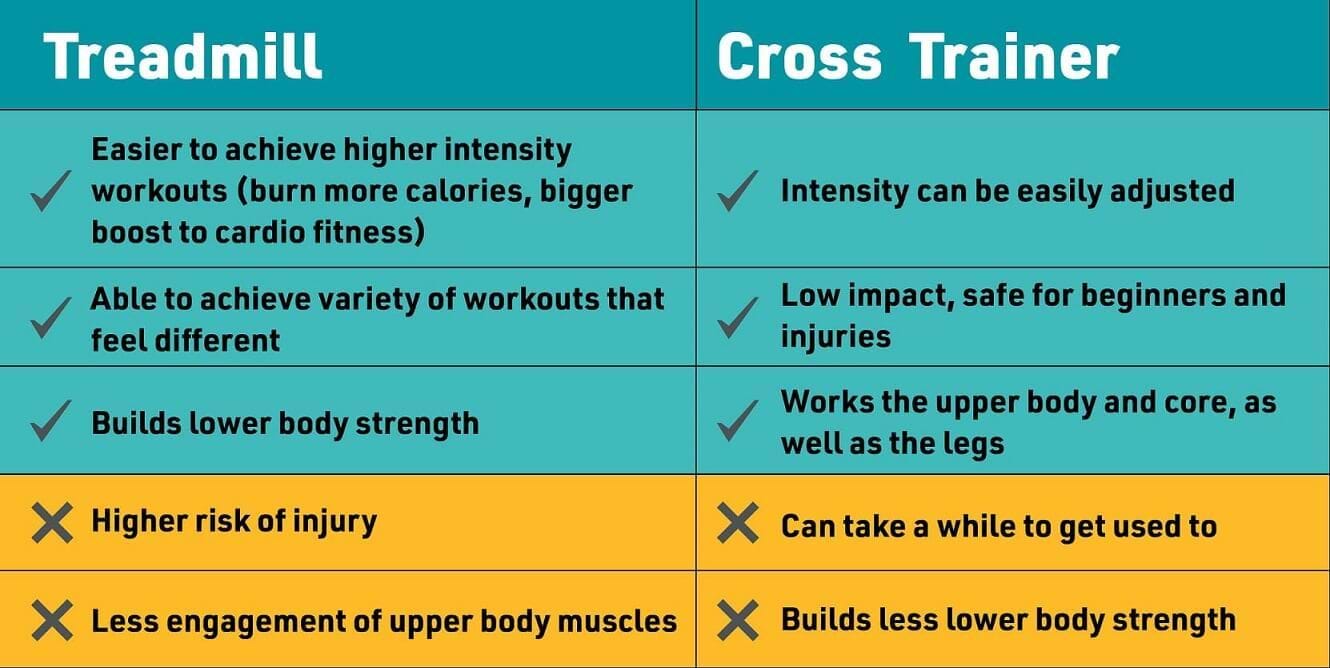
One of the top reasons people choose the elliptical is its ability to burn significant calories while protecting the knees, hips, and ankles. This makes it a go-to option for weight loss and metabolic health.
High Calorie Burn, Low Impact
A 150-pound person can burn around 170 calories in 30 minutes at moderate effort. With increased resistance, incline, or intensity, that number jumps to 270 to 400 calories in the same timeframe, comparable to jogging but without the joint strain.
| Body Weight | 30-Minute Calorie Burn (Moderate) | 30-Minute Calorie Burn (Vigorous) |
|---|---|---|
| 125 lbs | ~140 | ~240 |
| 150 lbs | ~170 | ~290 |
| 185 lbs | ~210 | ~350 |
Support Fat Loss and Waist Reduction
While treadmills may edge out ellipticals slightly in pure fat oxidation due to impact, the elliptical still creates a substantial calorie deficit, which is key for losing abdominal fat and reducing waist circumference. Its low-impact nature also allows for longer, more frequent workouts, supporting consistent energy expenditure over time.
Avoid Overuse Injuries
Because there’s no foot strike, the elliptical drastically reduces the risk of shin splints, stress fractures, and joint inflammation. This means you can work out more often without accumulating the wear and tear associated with high-impact cardio, making it easier to stay consistent.
Engage Muscles From Head to Toe

Unlike most cardio machines, the elliptical activates both upper and lower body when used correctly, making it one of the few machines that deliver a true full-body workout.
Target Major Lower Body Muscles
The pedal motion works large lower-body muscle groups, with emphasis shifting based on form and settings:
- Glutes: Activated most at 6–8% incline
- Hamstrings: Engaged during push phase; boosted when pedaling backward
- Quadriceps: Worked during forward drive; emphasized in reverse motion
- Calves: Activated in push-off; significantly more in backward pedaling
Pro Tip: Increase incline to 6–8% to turn your elliptical into a glute and hamstring sculptor.
Activate Arms, Chest, and Back
To maximize upper body engagement, push and pull the handlebars actively rather than letting them swing passively. This recruits:
- Biceps and triceps (arms)
- Pectorals (chest)
- Deltoids (shoulders)
- Lats and rhomboids (back)
Using the arms increases calorie burn by up to 20–30% compared to leg-only use.
Stabilize With Core and Improve Posture
Maintaining upright posture without leaning on the handles forces your core to engage continuously. Over time, this strengthens the abdominals, obliques, and lower back, improving balance and reducing slouching caused by sitting.
Try This: Release the handles for 1–2 minutes during your workout. Stabilizing without support challenges your core and improves body awareness.
Protect Joints and Support Recovery
The elliptical’s defining advantage is its low-impact design, making it a top choice for joint health, injury rehab, and long-term sustainability.
Eliminate Foot-Strike Impact
Running generates forces up to 2–3 times body weight with each step. The elliptical removes this entirely since your feet never leave the pedals, so there’s no shock transmission through knees, hips, or spine.
Ideal for Arthritis and Joint Pain
The Arthritis Foundation recommends elliptical training for people with knee or hip arthritis. The smooth, controlled motion maintains joint mobility without aggravating inflammation, something not possible with running or jumping.
Rehab Injuries Safely
Physical therapists frequently use ellipticals for post-surgery recovery, including ACL repair and hip replacement. Patients can rebuild strength and cardio fitness without putting undue stress on healing tissues.
Prevent Future Injuries
By allowing longer, more frequent workouts without joint fatigue, the elliptical helps prevent the cumulative microtrauma that leads to stress fractures and tendonitis, common in runners who log high mileage.
Build Bone Density? Not Quite—Here’s the Catch
While the elliptical excels at protecting joints, it has one major limitation: it doesn’t build bone density.
Why Impact Matters for Bones
Bone strengthens in response to impact. Running, jumping, and weight training create mechanical stress that signals bones to grow denser. The elliptical’s smooth glide doesn’t provide this stimulus.
Risk for Osteoporosis
Long-term reliance on non-weight-bearing cardio can increase osteoporosis risk, especially in postmenopausal women and older adults.
Fix the Gap
Pair elliptical workouts with weight-bearing activities:
- Brisk walking or jogging 1–2 days per week
- Strength training (squats, lunges, deadlifts)
- Jumping rope or stair climbing
This hybrid approach gives you joint protection and bone strength.
Customize Workouts for Any Goal
The elliptical isn’t just easy on the body; it’s incredibly versatile. With adjustable resistance, incline, direction, and timing, you can tailor every session to your fitness goals.
Try HIIT for Fast Fat Burn
High-Intensity Interval Training (HIIT) on the elliptical burns calories fast and boosts metabolism for hours post-workout.
Sample HIIT Routine:
– Warm up: 5 min, light resistance
– Work: 30 sec, high resistance + fast pace
– Recover: 15 sec, low resistance + slow pace
– Repeat: 10–15 rounds
– Cool down: 5 min
Pro Tip: Focus on resistance, not just speed, to maximize muscle engagement.
Use Incline Intervals to Shape Glutes
Mimic hill training by alternating between steep and flat inclines.
Glute-Targeting Protocol:
– 3 min at 8% incline, moderate resistance
– 2 min at 0% incline, light resistance
– Repeat 4x
Switch Directions to Balance Muscles
Pedaling backward shifts focus to quads and calves and prevents muscle imbalances.
Forward/Backward Interval Plan:
– 3 min forward
– 2 min backward
– Repeat 3–4x
Do Steady-State for Endurance
For beginners or recovery days, maintain a consistent pace.
Beginner Plan:
– 15–20 min, low resistance, 0–2% incline
– Focus on posture and arm drive
– Gradually increase time by 5 min weekly
Easy to Use, Accessible to All
One of the elliptical’s biggest strengths is its low learning curve and adaptability across fitness levels.
Start With Just the Pedals
If the full motion feels overwhelming, begin by using only your legs. Once you’re comfortable with the rhythm, add arm movements.
Track Progress With Built-In Metrics
Most machines display heart rate, calories burned, distance, time, speed, resistance, and incline levels. Use these to set goals, like hitting 200 calories or maintaining 120 BPM for 30 minutes.
Stay Motivated With Pre-Programmed Workouts
Many ellipticals include built-in programs such as fat burn, hill climb, interval challenge, and cardio fitness. These auto-adjust resistance and incline, keeping workouts dynamic and engaging.
Suitable for Special Populations
- Older adults: Low impact protects aging joints
- Overweight individuals: No joint strain during weight loss
- Post-injury users: Safe way to regain fitness
Note: Those with severe balance issues or ankle instability should consult a doctor first.
Elliptical vs. Treadmill: Which Is Better?
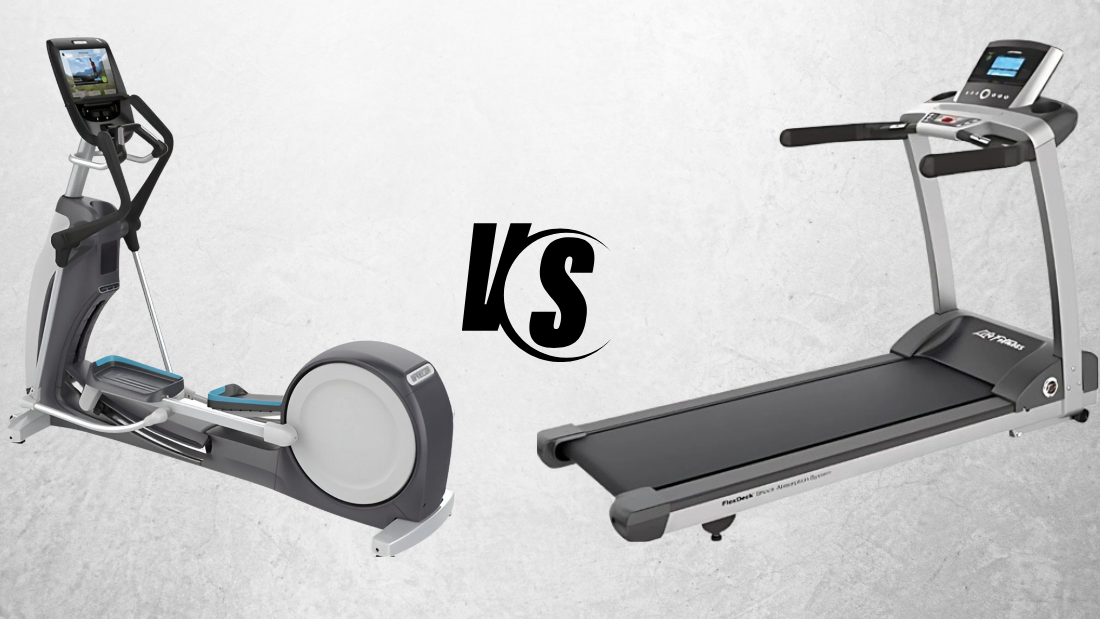
| Feature | Elliptical | Treadmill |
|---|---|---|
| Joint Impact | Low, no foot strike | High, repeated impact |
| Muscle Engagement | Full-body (arms + legs) | Lower body only |
| Bone Health | Minimal benefit | Builds density |
| Injury Risk | Very low | Moderate to high |
| Fat Burn | High (270–400 cal/30 min) | Slightly higher |
| Best For | Joint protection, rehab, full-body tone | Running training, bone strength |
Strategic Tip: Replace one weekly run with an elliptical session. You’ll reduce joint wear while maintaining cardio fitness.
Master Form and Avoid Common Mistakes
Even though the elliptical is low-risk, poor form can reduce effectiveness and lead to strain.
Maintain Proper Posture
- Do: Stand tall, head up, shoulders back
- Don’t: Lean on handles or hunch forward
Warning Sign: If you’re gripping the console tightly, the resistance may be too high.
Place Feet Correctly
- Keep feet flat on the pedals
- Avoid toe-standing or heel-lifting
- Position feet hip-width apart
Use Handles Actively
- Push and pull with purpose
- Sync arm motion with legs
- Keep elbows slightly bent
Mistake to Avoid: Letting arms swing passively wastes upper body potential.
Balance Resistance and Speed
- Use enough resistance to feel muscle engagement
- Avoid coasting at zero resistance
- Prioritize form over speed
How Often Should You Use the Elliptical?
You can use the elliptical daily if you vary intensity and listen to your body.
Weekly Guidelines
- Minimum: 150 min moderate cardio (e.g., 30 min, 5 days)
- Optimal: 300 min moderate or 75 min vigorous
- HIIT Option: 20 min, 3x/week (vigorous)
Sample Weekly Plan
| Day | Workout |
|---|---|
| Mon | 30 min steady-state |
| Tue | 20 min HIIT |
| Wed | Rest or light walk |
| Thu | 35 min incline intervals |
| Fri | 25 min forward/backward |
| Sat | Strength training |
| Sun | Rest |
Frequently Asked Questions About Elliptical Cardio
Is the elliptical good for weight loss?
Yes. The elliptical burns 170 to 400 calories in 30 minutes depending on intensity and body weight. Combined with a caloric deficit, it supports significant fat loss and waist reduction over time.
Does the elliptical build muscle?
It engages major muscle groups including glutes, hamstrings, quads, calves, chest, back, shoulders, and arms. While it tones and strengthens these muscles, it doesn’t build size like heavy resistance training does.
Can I use the elliptical every day?
Yes, daily use is safe as long as you vary intensity and listen to your body. Mixing steady-state, HIIT, and incline workouts prevents overuse strain and keeps sessions engaging.
Is the elliptical better than running for bad knees?
For most people with joint issues, yes. The elliptical eliminates foot-strike impact, making it ideal for arthritis, joint pain, and injury recovery. Running generates 2–3 times body weight in impact force with each step.
Does the elliptical improve bone density?
No. The elliptical’s low-impact design doesn’t provide the mechanical stress bones need to grow denser. Pair it with weight-bearing activities like walking, jogging, or strength training for bone health.
How long should a beginner elliptical workout be?
Start with 15–20 minutes at low resistance and 0–2% incline. Gradually increase duration by 5 minutes weekly as your endurance improves.
Key Takeaways for Maximizing Elliptical Cardio Benefits
The benefits of elliptical cardio are clear: it’s a joint-friendly, full-body, calorie-torching machine that supports heart health, weight loss, and long-term mobility. To get the most out of it, pair it with other forms of exercise.
- Add strength training 2–3x per week to build muscle and boost metabolism
- Include weight-bearing activity (walking, stairs) to protect bone health
- Stretch or do yoga to maintain flexibility and balance
Used wisely, the elliptical becomes a cornerstone of sustainable, injury-free fitness. Whether you’re just starting out or optimizing performance, it offers a powerful way to stay active, feel strong, and protect your body for years to come. Start with a 20-minute moderate session this week and build from there.