Anaerobic Cardio Workouts: Quick Steps
You’re winded after a 30-second sprint. Your legs burn. Breathing feels ragged. That’s anaerobic cardio in action — short, explosive efforts that push your body beyond its oxygen capacity. Unlike steady-state jogging, anaerobic cardio workouts rely on stored energy in your muscles, delivering rapid power and unmatched metabolic benefits. These intense bursts — think sprinting, HIIT, or plyometric circuits — don’t just build speed; they torch calories long after the workout ends, boost muscle mass, and improve your ability to sustain high-intensity effort.
Despite the name, “anaerobic” doesn’t mean “no oxygen ever.” It means energy production without immediate oxygen use. When you go all-out, your body can’t deliver oxygen fast enough, so it breaks down glucose rapidly through glycolysis, generating ATP and lactate in seconds. This system powers everything from a 100-meter dash to a Tabata set of burpees. While riskier than aerobic exercise if mismanaged, anaerobic training is essential for athletes, fat loss seekers, and anyone wanting to break through fitness plateaus. In this guide, you’ll learn how to safely harness its power with science-backed protocols, recovery rules, and real-world applications.
How Anaerobic Energy Works

Your body doesn’t run on one engine — it switches between systems based on intensity and duration. Anaerobic workouts tap into two fast-acting pathways that fuel explosive movement when oxygen supply falls short.
ATP-CP System for Max Power
This is your body’s instant energy source, active for efforts under 10 seconds. It uses stored adenosine triphosphate (ATP) and creatine phosphate (CP) in muscle cells to regenerate ATP almost immediately. No oxygen. No lactate. Just raw power. This system drives 40-yard sprints, heavy deadlifts or cleans, and vertical jumps. Because ATP and CP stores are tiny, they deplete in seconds. Full recovery takes 3–5 minutes, which is why rest periods matter in power training.
Lactic Acid System for Sustained Bursts
When effort lasts 10 seconds to 3 minutes, your body shifts to anaerobic glycolysis. Glucose breaks down rapidly without oxygen, producing ATP but also lactate and hydrogen ions. Contrary to myth, lactate isn’t the enemy. It’s a fuel source and signaling molecule. The real fatigue culprit is acidosis from hydrogen ion buildup. This system powers 400m to 800m runs, repeated sprint drills, and high-rep kettlebell swings. Training improves your body’s ability to clear lactate and buffer acidity, letting you push harder, longer.
Benefits Beyond the Burn
Anaerobic cardio isn’t just for sprinters. Its effects ripple across your metabolism, heart, and brain, often more efficiently than long, slow cardio.
Boost Metabolism & Fat Loss
Anaerobic workouts spike your excess post-exercise oxygen consumption (EPOC), the “afterburn” effect. After intense effort, your body burns extra calories to restore oxygen, clear lactate, and repair tissue. EPOC can last 24–48 hours, increasing total daily energy expenditure. This approach builds lean muscle, raises basal metabolic rate (BMR), enhances insulin sensitivity for better blood sugar control, and targets visceral fat more effectively than steady-state cardio.
Improve Heart & Vascular Health
While aerobic exercise strengthens endurance, anaerobic training enhances cardiac resilience and vascular function. Key findings include increased C-type natriuretic peptide (CNP), which promotes vasodilation and protects against cardiac aging, improved lipid profiles when combined with aerobic work (lower triglycerides, higher HDL), and boosted cardiorespiratory efficiency even at moderate intensities.
Sharpen Mental Toughness
Anaerobic effort demands focus and grit. The discomfort of a max-effort sprint or the final rep of a burpee ladder builds mental resilience. Studies link high-intensity training to reduced symptoms of depression, better stress response, and enhanced cognitive function. The mind-muscle connection forged in these moments translates to real-world confidence and discipline.
Train Smart: Intensity & Timing
To trigger anaerobic adaptations, you must go hard but not recklessly. Precision in timing and effort ensures results without injury.
Hit the Right Intensity Zone
If you can talk comfortably, you’re not in the anaerobic zone. Use these markers:
- Perceived Exertion (RPE): 7–10/10. Speech limited to short phrases.
- Heart Rate: 80–95% of max (use 220 minus age as estimate).
- VO2 Max: Intervals above 115% of VO2 max target anaerobic power; over 140% target speed.
Example: If your VO2 max is 50 ml/kg/min, aim for efforts at 58+ ml/kg/min through lab testing or performance benchmarks.
Keep Work Periods Short
Anaerobic efforts should follow these duration guidelines:
- Under 10 seconds: ATP-CP system (e.g., 50m sprint)
- 30–120 seconds: Lactic system (e.g., 400m run)
Beyond 3 minutes, aerobic contribution dominates. Use a timer. Even elite athletes misjudge all-out effort duration.
Optimize Work-to-Rest Ratios

Rest is not downtime — it’s part of the training. Proper ratios ensure high-quality reps and prevent overtraining.
Start with 1:2 Ratio
For beginners, use 30 seconds of work followed by 60 seconds of rest. Example: 30-second bike sprint, 60-second easy pedal. This allows ATP and CP stores to replenish, maintaining power across sets.
Advance to 2:1 Ratio
For experienced athletes, use 60 seconds of work followed by 30 seconds of rest. This increases metabolic stress and lactate accumulation, enhancing anaerobic capacity. Don’t rush to this ratio. Premature progression raises rhabdomyolysis risk.
Adjust Based on Goal
| Goal | Work:Rest | Example |
|---|---|---|
| Power (ATP-CP) | 1:3 to 1:5 | 10-sec sprint, 30-50 sec rest |
| Capacity (Glycolysis) | 1:1 to 2:1 | 45-sec effort, 22-sec rest |
| Threshold Conditioning | 1:1 | 2-min run, 2-min jog |
Proven Anaerobic Workout Protocols
Not all high-intensity training is equal. These science-backed methods deliver maximum return on effort.
HIIT: 20-Second All-Out Sprints
Structure: 20 seconds max effort (run, bike, row), 10 seconds complete rest, repeat 8 rounds for 4 minutes (Tabata protocol). This triggers both ATP-CP and lactic systems and has been shown to improve VO2 max and anaerobic power in 2 weeks. Use a fitness tracker to monitor heart rate — it should hit 90%+ of max by round 3.
Sprint Repeats for Speed
Protocol: 6–10 x 100-meter sprints with rest equal to double the sprint time (e.g., 30-sec sprint → 60-sec rest). Track progress through faster times or consistent pace across all reps. Use grass or track surfaces to reduce joint impact.
EMOM: 15-Minute Anaerobic Overhaul
Every Minute On the Minute (EMOM) format:
- Min 1: 45 sec max effort on bike/rower (9/10 RPE), 15 sec rest
- Min 2: 8–10 burpees (under 30 sec), rest remainder
- Min 3: Full rest
Repeat the cycle 5 times. Maintain calorie output (±1–2 cal) across rounds. Decline indicates fatigue management failure.
Military 30:60 Drill
Structure: 30 sec sprint, 60 sec walk/jog, repeat 8–10 sets. This builds repeat sprint ability for sports and tactical fitness. Shorten to 20:40 for beginners.
Plyometric Circuits
Workout: 30 sec squat jumps, 30 sec lunge jumps, 30 sec box jumps, rest 2–3 min, repeat 3–4 rounds. Land softly with knees over toes on a shock-absorbing surface.
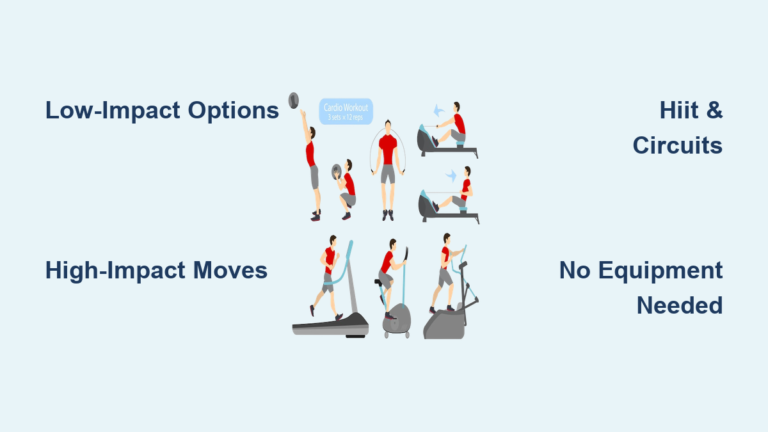
Use Any Equipment — Or None
Anaerobic cardio doesn’t require a gym. Choose based on joint health, space, and goals.
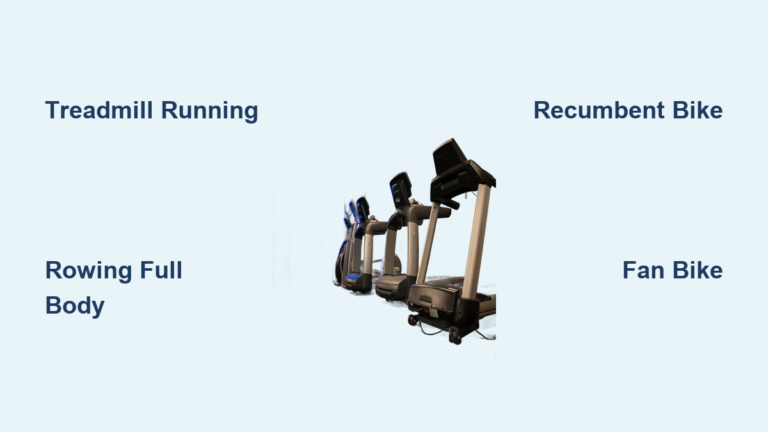
Cardio Machines
- Rowing Machine: Full-body, low-impact
- Spin Bike: Joint-friendly, easy to control resistance
- SkiErg: Upper-body dominant, great for variety
Bodyweight & Outdoor Options
- Sprinting: On track, grass, or hill
- Burpees: No equipment, high metabolic cost
- Jumping drills: Box jumps, tuck jumps, skaters
Weighted Variations
- Loaded carries: Farmer’s walks, sandbag drags
- Kettlebell swings: 30-sec max effort rounds
- Medicine ball slams: Explosive power plus cardio
Avoid These 3 Major Risks
Anaerobic training is powerful but not risk-free. Avoid injury with these rules.
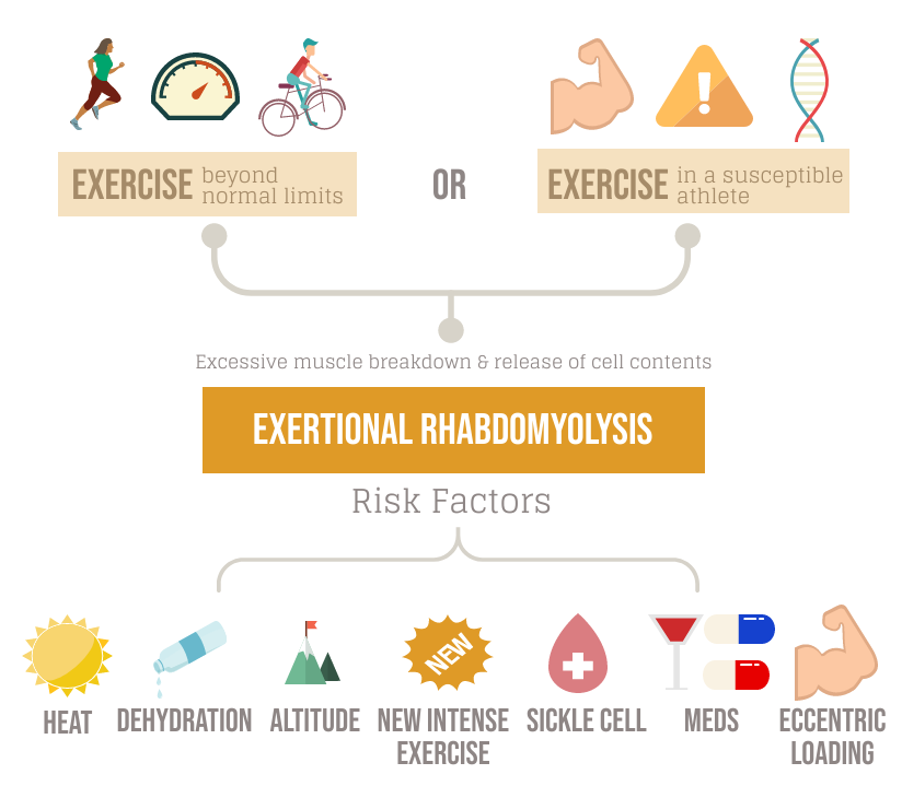
Prevent Rhabdomyolysis
Rhabdomyolysis involves muscle breakdown from excessive intensity without recovery and can lead to kidney damage. Common triggers include too many sets too soon, poor work-to-rest ratios, and dehydration. Prevention strategies include limiting high-intensity work to 15–20 min per session, hydrating well, and never training to complete failure daily.
Reduce Injury Risk
High-force movements increase strain risk. Minimize this with a dynamic warm-up including leg swings, high knees, and butt kicks (5–10 min), proper form by mastering movement before adding speed, and smart surface choices like avoiding concrete for sprinting.
Screen for Heart Risk
Anaerobic workouts spike heart rate and blood pressure. Consult a doctor if you are sedentary, over 45 with no training history, or have a history of heart disease, hypertension, or diabetes. If you haven’t exercised in years, start with walking or cycling.
Recovery Is Non-Negotiable
You don’t get stronger during the workout — you get stronger during recovery. Ignore it, and you’ll plateau or break down.
Rest 48 Hours Between Sessions
Anaerobic training stresses the central nervous system (CNS). CNS fatigue impairs coordination and increases injury risk. Try this schedule:
- Monday: HIIT
- Tuesday: Light walk or yoga
- Wednesday: Strength training (moderate)
- Thursday: Rest or aerobic base
- Friday: Sprint repeats
Limit Weekly Frequency
Perform a maximum of 2–3 anaerobic sessions per week. More than that without elite recovery (sleep, nutrition, hydration) leads to overreaching.
Warm-Up & Cool-Down Right
Warm-up (10 min): 5 min light cardio (jog, bike), dynamic stretches with no static holds, and 2–3 submax sprints at 80% effort. Cool-down (10 min): 5 min easy movement, static stretching (hamstrings, quads, hips), and optional foam rolling.
Who Should Do Anaerobic Cardio?
Not everyone should jump into max-effort sprints. Know your starting point.
Ideal for These Groups
- Athletes: Soccer, basketball, hockey players needing repeat sprint ability
- Weight loss seekers: Those wanting to boost metabolism and preserve muscle
- Fitness intermediates: People already doing aerobic exercise and ready to level up
- Military/first responders: Personnel training for mission-specific tasks
Not for Absolute Beginners
If you can’t walk 30 minutes without stopping, start with aerobic base building. Jumping into anaerobic work increases injury and dropout risk. Build endurance first.
Safe for Aging Adults? Yes, With Caution
Older adults benefit from anaerobic-style resistance and power training to combat sarcopenia. Use lower impact options (bike vs. sprint), focus on form over speed, start with RPE 6–7 instead of 9–10, and consult a physician if chronic conditions exist.
Measure Your Progress
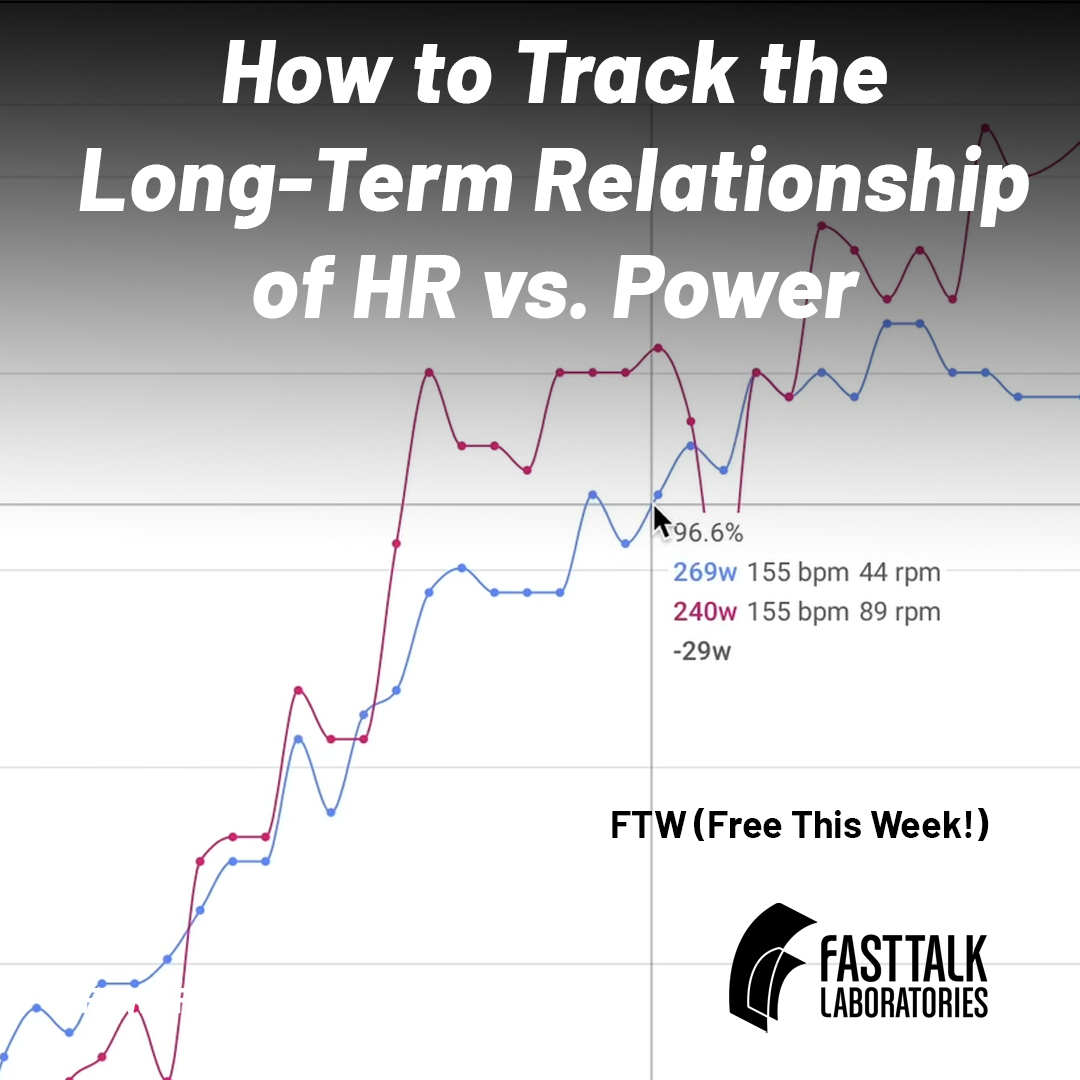
Improvement isn’t just how you feel — it’s measurable. Track these key indicators.
Track These Metrics
- Power output: Watts on bike, sprint times
- Recovery speed: How fast heart rate drops in 1 min post-effort
- Work capacity: More reps at same RPE, or same reps at lower RPE
- Fitness test scores: Push-ups in 2 min, 1-mile run time
Use Training Effect Scores
Devices like Garmin use Firstbeat Analytics to assign anaerobic training effect (0.0–5.0):
- 3.0–4.0: Improving fitness
- 4.0–5.0: Highly improving
- 5.0+: Risk of overreaching
Use this data to avoid overtraining.
Frequently Asked Questions About Anaerobic Cardio Workouts
What qualifies as an anaerobic cardio workout?
An anaerobic cardio workout involves short, intense bursts of activity lasting from a few seconds up to about three minutes, where oxygen demand exceeds supply. Examples include sprinting, HIIT, plyometrics, and heavy weightlifting circuits.
How often should you do anaerobic cardio each week?
Limit anaerobic sessions to 2–3 times per week with at least 48 hours between them. This allows your central nervous system and muscles to fully recover, reducing overtraining and injury risk.
Is anaerobic cardio better than aerobic for fat loss?
Anaerobic cardio is highly effective for fat loss because it elevates EPOC (afterburn) for 24–48 hours and builds lean muscle that raises your basal metabolic rate. However, combining both anaerobic and aerobic training yields the best overall health and body composition results.
Can beginners safely do anaerobic cardio workouts?
Beginners should build an aerobic base first before adding anaerobic work. If you can’t sustain 30 minutes of moderate activity, start with walking, cycling, or light jogging. Once you have a foundation, introduce short intervals at a moderate RPE (6–7) and progress gradually.
What is the ideal work-to-rest ratio for anaerobic intervals?
Beginners should start with a 1:2 work-to-rest ratio (e.g., 30 sec work, 60 sec rest). Advanced athletes can progress to a 2:1 ratio (e.g., 60 sec work, 30 sec rest) to increase metabolic stress. The best ratio depends on your training goal, whether power, capacity, or threshold conditioning.
Does anaerobic cardio improve heart health?
Yes. Anaerobic training increases C-type natriuretic peptide (CNP), which promotes vasodilation and protects against cardiac aging. When combined with aerobic exercise, it also improves lipid profiles by lowering triglycerides and raising HDL cholesterol.
Key Takeaways for Building an Anaerobic Cardio Program

Anaerobic cardio workouts deliver unmatched efficiency, building power, burning fat, and boosting heart health in minutes rather than hours. They demand respect: train with precision using high intensity, short duration, and proper rest. Start with 1–2 sessions weekly, master form before adding speed, and scale wisely. Whether you’re sprinting, rowing, or doing burpees, consistency matters more than chaos. Your next step: pick one protocol from this guide, such as the Tabata sprint or EMOM circuit, and schedule it into your week with at least 48 hours of recovery on either side.