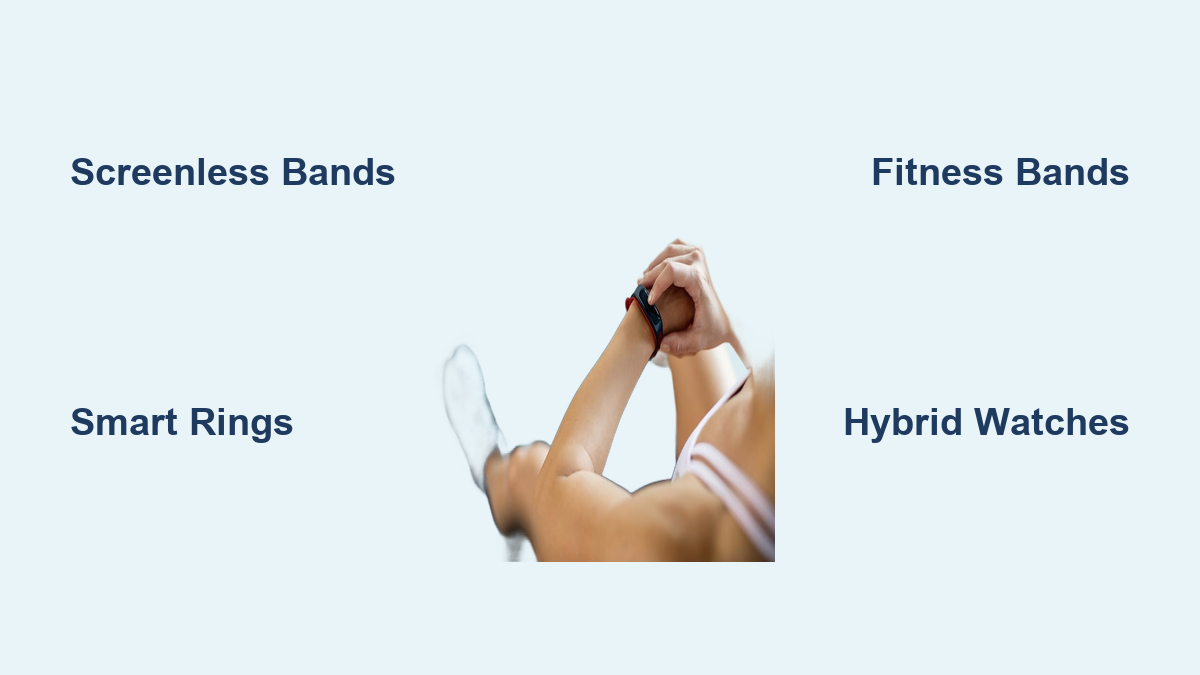
Types of Fitness Trackers Explained
You’re not just counting steps anymore. In 2026, fitness trackers have evolved into powerful health companions that monitor everything from heart rate variability and sleep quality to blood pressure trends and stress resilience. Whether you’re an elite athlete tracking recovery, a beginner aiming to walk more, or someone managing long-term health, there’s a tracker designed for your needs.
The market now offers a wide range of options, each with distinct strengths in accuracy, battery life, design, and data focus. No longer limited to wristbands with screens, today’s trackers come as rings, screenless bands, hybrid watches, and even medical-grade cuffs. What sets them apart isn’t just hardware. It’s how they deliver insights, how long they last between charges, and whether you’ll need to pay ongoing subscription fees.
This guide breaks down every major type of fitness tracker available in 2026, based on form factor, functionality, and user needs. You’ll learn which models lead in sleep tracking, which offer the longest battery life, and which give you full access to data without monthly fees. By the end, you’ll know exactly which type fits your lifestyle.
Screenless Wristbands: Data-First Tracking

These are the ultimate tools for users who want deep biometric insights without distractions. Unlike traditional trackers, screenless wristbands remove the display to extend battery life and encourage passive, 24/7 wear. They’re built for recovery-focused athletes and health-conscious users who prioritize data over notifications.
Designed for Continuous Monitoring
Screenless bands rely on smartphone apps to display data. Without a power-draining screen, they can last up to two weeks on a single charge. The lack of visual feedback reduces screen addiction and notification fatigue, making them ideal for users who want to track without being constantly reminded.
They typically measure heart rate, HRV (heart rate variability), skin temperature, blood oxygen, sleep stages, and daily strain. Some even estimate recovery status and blood pressure trends using advanced signal processing.
Wear It on Your Bicep for Better Accuracy
One major advantage? Many screenless bands, like the WHOOP 5.0 and Amazfit Helio Strap, can be worn on the bicep. This placement reduces motion artifacts during workouts, delivering heart rate accuracy within 1–2 BPM of chest straps.
Bicep wear also improves signal quality during high-intensity training or weightlifting, where wrist-based sensors often struggle.
Top Models Without Subscriptions
- Hume Band 2.0: Offers 14-day battery life and tracks HRV, SpO₂, skin temp, and recovery. Its standout feature is blood pressure trend tracking, not clinical grade, but useful for spotting long-term patterns.
- Amazfit Helio Strap: Lightweight (20g), subscription-free, and highly accurate when worn on the arm. Includes VO₂ max, recovery time, and BioCharge energy scoring.
- Polar Loop (Gen 2): A fabric-based band that integrates with Polar Flow. Strong in sleep and recovery analysis but uses older heart rate tech that falters during intense intervals.
WHOOP: Premium Coaching with Mandatory Fee
The WHOOP 5.0 remains the gold standard for serious athletes. It balances daily strain with nightly recovery, offering detailed stress, respiratory rate, and temperature tracking. The WHOOP MG variant adds ECG and blood pressure estimates.
But there’s a catch: no upfront cost for the device, but you must pay a yearly subscription (~$199). No subscription equals no access to your data.
Smart Rings: Discreet 24/7 Health Tracking
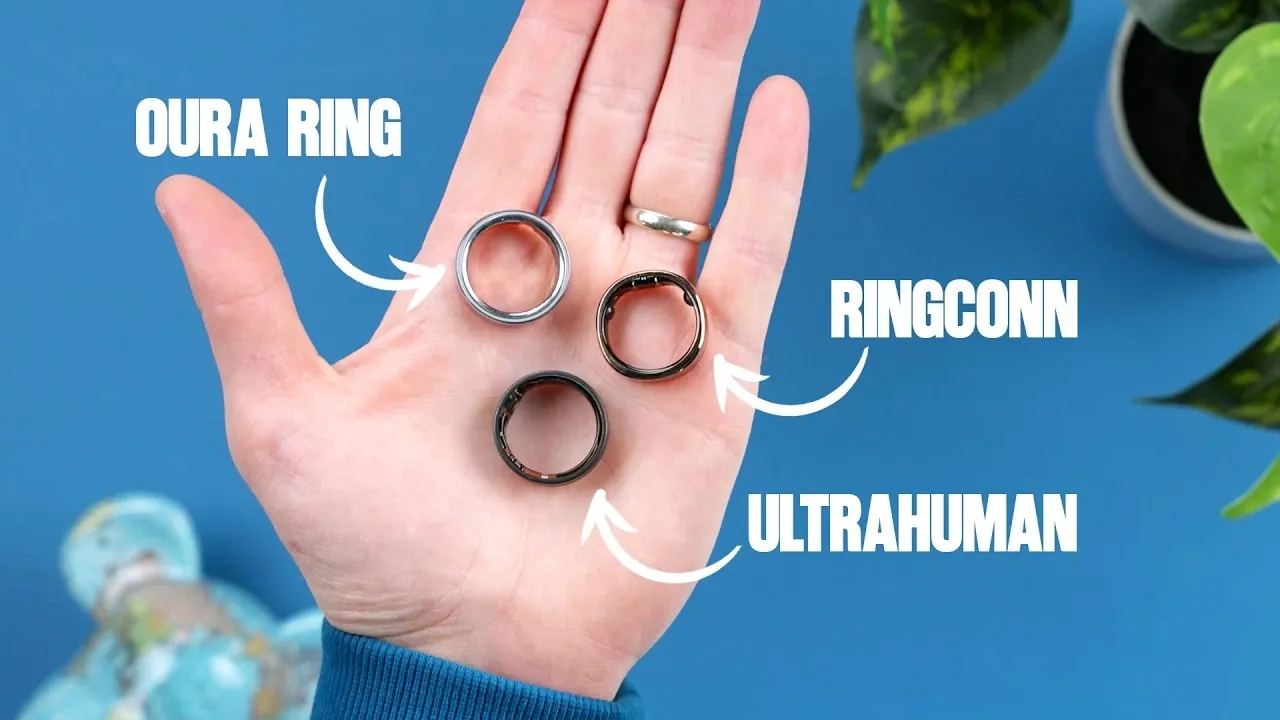
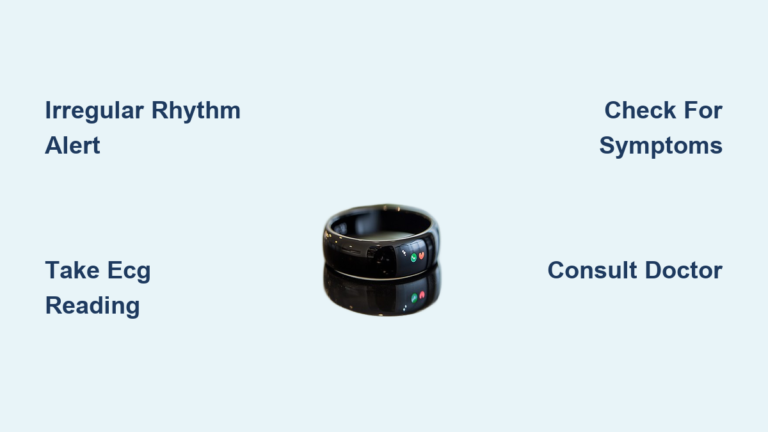
For users who value comfort and invisibility, especially during sleep, smart rings are the most unobtrusive form of health monitoring. These tiny devices pack advanced sensors into jewelry-like designs, focusing on sleep, recovery, and holistic wellness.
Best for Sleep, Not Workouts
Smart rings sit on your finger, where capillaries provide stable blood flow for accurate readings. They excel at tracking sleep stages, body temperature, and HRV over time.
However, they’re not ideal for active workouts. Gripping equipment can cause motion artifacts, and the ring may scratch or shift during exercise. Most models recommend removing them during intense training.
Long Battery, Minimalist Design
Battery life ranges from 5 to 12 days, depending on the model. Since they lack screens, all data syncs to your phone via Bluetooth.
Their minimalist aesthetic makes them easy to wear all day and night, ideal for users who hate bulky wristbands.
Oura Ring 4: Benchmark in Sleep Tracking
The Oura Ring 4 is still the leader in sleep staging and readiness scoring. It analyzes deep, light, and REM sleep with best-in-class accuracy and provides a “Readiness Score” to guide your daily activity.
It also tracks stress resilience, cardio trends, and menstrual cycles. But it requires a monthly subscription to unlock full insights, and it’s relatively thick compared to regular rings.
RingConn Gen 2: Subscription-Free Alternative
Looking for an Oura alternative without the fee? RingConn Gen 2 delivers. It’s slimmer, lighter, and feels more like a real ring. It includes a sleep apnea tracker that monitors breathing patterns, oxygen levels, and HRV to flag potential issues.
No subscription. 12-day battery life. A top pick for users who want clinical-grade insights without recurring costs.
Ultrahuman Ring Air: Metabolic Focus
At just 2.4g, the Ultrahuman Ring Air is one of the lightest available. Made from titanium, it emphasizes metabolic health and circadian rhythm regulation.
It provides a Sleep Index and recovery metrics similar to Oura, but with a one-time purchase (~$349) and no ongoing fees. Battery lasts about 5 days.
Fitness Bands: Affordable and Feature-Rich
Traditional fitness bands strike a balance between price, functionality, and usability. With small screens and long battery life, they’re perfect for beginners and casual users who want basic tracking with real-time feedback.
Budget-Friendly with Visual Feedback
Most fitness bands cost under $100 and include AMOLED displays, heart rate sensors, sleep tracking, and SpO₂ monitoring. They’re lighter than smartwatches and offer more immediate data than screenless trackers.
Many now support modular wear, allowing you to remove the sensor pod and clip it elsewhere.
Modular Wear: Flexibility with Trade-Offs
Devices like the Xiaomi Smart Band 10 and Fitbit Inspire 3 let you detach the sensor and wear it on clothing, shoelaces, or as a necklace.
But when off the wrist, they lose skin contact, so heart rate, HRV, and advanced sleep tracking turn off. You’re limited to step counting and distance.
Still, this is useful for runners who want cadence or foot-strike data without wrist strain.
Top Picks by Price and Performance
- Xiaomi Smart Band 10 ($53): The budget king. 1.62-inch AMOLED screen, 14–16-day battery, Vitality Score, and removable sensor. Waterproof and stylish.
- Fitbit Charge 6: Premium band with ECG, EDA (stress) sensor, GPS, and Google integration. But GPS is unreliable, and advanced features require Fitbit Premium.
- Fitbit Air (2026): Google’s minimalist shift. No full screen, just a small pebble sensor on a slim band. Focuses on automatic activity detection. Charges in 5 minutes for a full day of use.
Hybrid Smartwatches: Style Meets Function
If you want a device that looks like a classic watch but tracks health metrics, hybrid smartwatches are your best bet. They blend analog aesthetics with digital sensors and hidden displays.
For Users Who Hate the “Tech” Look
Hybrids appeal to professionals, fashion-conscious users, or those who dislike smartwatch bulk. The watch face looks traditional until you raise your wrist. The display activates to show time, heart rate, or notifications.
They’re not for app lovers. No third-party apps, no calls, no music storage. But they deliver core health tracking with elegance.
Month-Long Battery Life
Thanks to low-power monochrome or grayscale displays, hybrids last 30–35 days on a single charge, far longer than any full smartwatch.
No daily charging anxiety. Just set it and forget it.
Withings Leads the Category
- Withings ScanWatch Light: Stainless steel case, 35-day battery. Tracks heart rate, sleep, and activity. No GPS or apps, but extremely reliable for basics.
- Withings ScanWatch 2: Runs HealthSense 4 OS, analyzes 35 biomarkers for a “Vitality Indicator.” Includes ECG for AFib detection and SpO₂ monitoring. Still 35-day battery.
- Garmin Lily 2: Jewelry-style with a 34mm case. Monochrome display hides when inactive. Tracks stress, sleep, cycle info, and Body Battery. No built-in GPS.
Fitness Smartwatches: Full-Featured Powerhouses
For users who want GPS, notifications, music, and workout coaching, all on their wrist, fitness smartwatches dominate the $100–$300 range.
All-in-One Daily Drivers
These devices replace your phone for workouts and daily tasks. Large screens, built-in GPS, contactless payments, and voice assistants make them versatile.
Battery life varies: usually 7–10 days, though some last longer.
Best Value and Accuracy
- Huawei Watch Fit 4: Highly rated for accuracy. Features dual-frequency GPS (superior to standard GPS), offline maps, and excellent heart rate/sleep tracking. No subscription. But limited US availability.
- Amazfit Active 2 ($65): Round design, offline maps, supports external chest straps. Zepp AI Coach offers training guidance. GPS and heart rate less accurate than premium models.
- Amazfit Bip 6: Square face, 1.97-inch AMOLED screen, 10+ day battery. Great for budget buyers. Lacks dual-frequency GPS.
All run on proprietary OS platforms with limited third-party app support.
Medical-Grade Trackers: Beyond Wellness
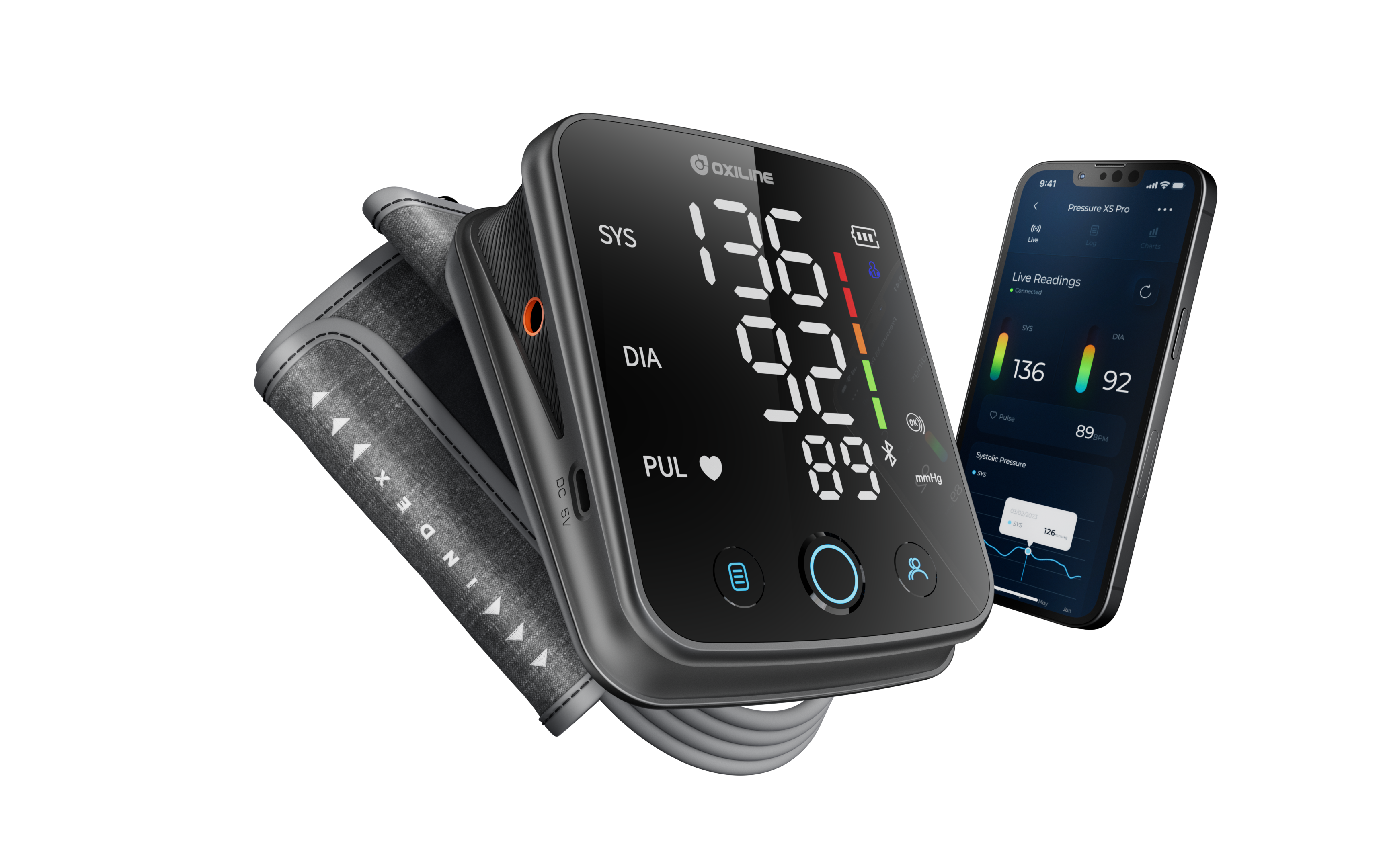
Some devices cross the line from consumer wellness to clinical monitoring. These are designed for specific health conditions, not general fitness.
FDA-Cleared Devices for Real-Time Readings
Unlike trend-based trackers, these deliver medically relevant data.
- Oxiline Pressure XS Pro: FDA-cleared blood pressure monitor using VIBRA TX sensor technology. Provides systolic, diastolic, and pulse readings in real time. Syncs to app for trend analysis. No sleep or activity tracking.
- Oxiline Pulse XS Pro: Fingertip device for SpO₂ and pulse. Uses VTEC sensors to reduce motion errors. One-touch operation, Bluetooth sync. More accurate than wrist-based optical sensors.
These are ideal for users managing hypertension or respiratory conditions.
Accuracy by Metric: What Really Works?
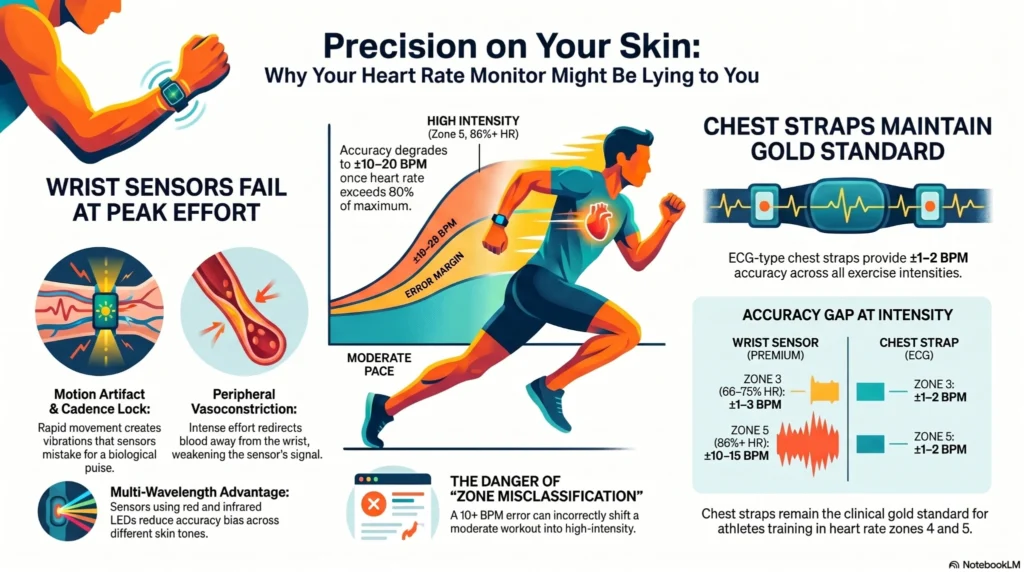
Not all trackers are equal. Here’s how they perform across key metrics.
Heart Rate: Chest > Bicep > Wrist
- Chest straps remain most accurate.
- Bicep-worn sensors (Amazfit Helio Strap) match within 1–2 BPM.
- Wrist-based trackers struggle during HIIT, weightlifting, or cycling due to motion and grip.
Fingertip devices (Oxiline) and ear-based trackers offer clinical-grade accuracy.
Step Counting: Improved, But Inconsistent
Most brands have refined algorithms. However, the Hume Band 2.0 was noted to have “quite off” step counts, showing its focus is on biometrics, not step accuracy.
GPS: Dual-Frequency Wins
- Dual-frequency GPS (Huawei Watch Fit 4) provides precise route mapping.
- Budget bands (Fitbit Charge 6) have unreliable GPS.
- Hybrids and basic trackers use “connected GPS,” meaning your phone does the work.
Sleep Tracking: Rings Lead
- Oura Ring 4 is graded best-in-class for sleep staging.
- Screenless bands (WHOOP, Hume) also deliver deep insights due to comfort and 24/7 wear.
- Rings and bands beat smartwatches for sleep comfort.
Blood Pressure: Trends vs. Clinical
- Trend tracking (Hume Band 2.0): Analyzes patterns over time. Not diagnostic.
- Real-time measurement (Oxiline Pressure XS Pro): FDA-cleared, clinical-grade.
- Estimates (WHOOP MG): Available only with premium subscription tier.
Subscription vs. One-Time Purchase
This is a major decision point in 2026.
Subscription Required
- WHOOP: Device included, but $199/year to access data.
- Oura Ring 4: Monthly fee for app and insights.
- Fitbit Premium: Locks advanced sleep, recovery, and guided programs behind a paywall.
No Subscription Needed
- Hume Band 2.0
- RingConn Gen 2
- Ultrahuman Ring Air
- Amazfit (Zepp)
- Huawei Health
- Polar Flow
- Xiaomi
If you hate recurring fees, prioritize these brands.
Who Should Buy What?
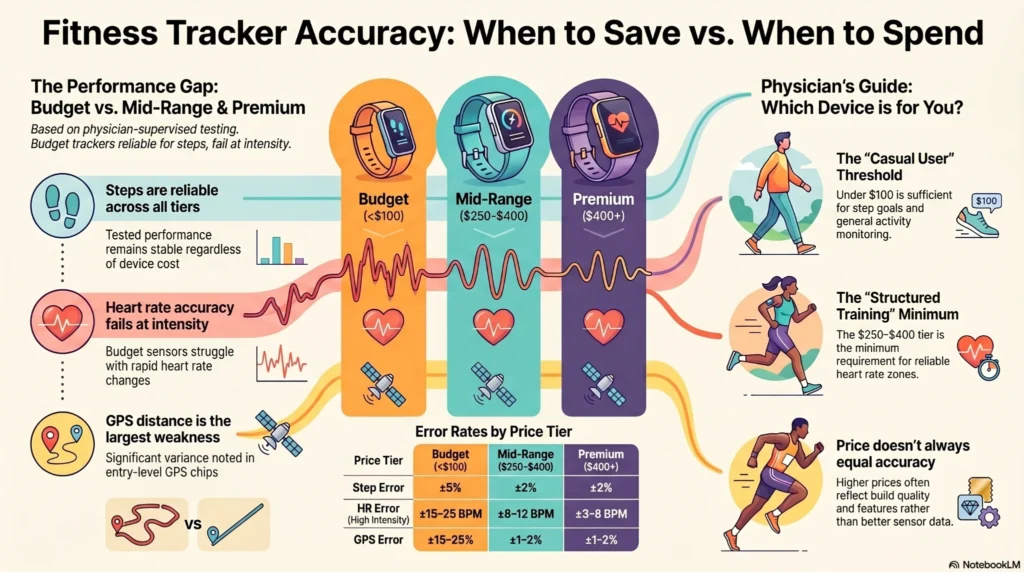
Use this quick guide to match your needs to the right type of fitness tracker.
| Your Priority | Best Type | Top Picks |
|---|---|---|
| Athletic Recovery | Screenless Band | WHOOP 5.0, Amazfit Helio Strap |
| Sleep Optimization | Smart Ring | Oura Ring 4, RingConn Gen 2 |
| Budget Buy | Fitness Band | Xiaomi Smart Band 10, Amazfit Bip 6 |
| Blood Pressure Monitoring | Medical Cuff | Oxiline Pressure XS Pro |
| ECG & AFib Detection | Hybrid Watch | Withings ScanWatch 2 |
| Style & Long Battery | Hybrid | Garmin Lily 2, Withings ScanWatch Light |
| No Subscription | One-Time Purchase | RingConn, Ultrahuman, Hume |
Frequently Asked Questions About Types of Fitness Trackers
What is the most accurate type of fitness tracker for heart rate?
Chest straps remain the gold standard for heart rate accuracy. Among wrist-worn options, bicep-worn screenless bands like the Amazfit Helio Strap match chest straps within 1–2 BPM. Wrist-based optical sensors can struggle during HIIT, weightlifting, or cycling due to motion artifacts.
Are smart rings better than fitness bands for sleep tracking?
Yes, smart rings generally outperform fitness bands for sleep tracking because they’re more comfortable to wear overnight. The Oura Ring 4 is graded best-in-class for sleep staging, while screenless bands also deliver strong sleep data due to their 24/7 comfort.
Do all fitness trackers require a subscription?
No. Brands like Hume, RingConn, Ultrahuman, Amazfit, Huawei, Polar, and Xiaomi offer full data access without subscription fees. However, WHOOP, Oura, and Fitbit Premium lock advanced insights behind recurring payments.
Which fitness tracker has the longest battery life?
Hybrid smartwatches lead with 30–35 days of battery life, including the Withings ScanWatch Light and ScanWatch 2. Screenless bands like the Hume Band 2.0 (14 days) and Xiaomi Smart Band 10 (14–16 days) also offer impressive longevity compared to standard smartwatches.
Can fitness trackers measure blood pressure accurately?
Most fitness trackers offer trend tracking rather than clinical measurement. The Hume Band 2.0 analyzes blood pressure patterns over time, while the FDA-cleared Oxiline Pressure XS Pro provides real-time, medically relevant readings. WHOOP MG offers estimates through its premium subscription tier.
What is the best budget fitness tracker in 2026?
The Xiaomi Smart Band 10 (~$53) offers the best budget value with a 1.62-inch AMOLED display, 14–16 day battery, and removable sensor pod. The Amazfit Bip 6 is another strong contender with a 1.97-inch screen and 10+ day battery at a similar price point.
Final Thoughts on Choosing the Right Fitness Tracker
The types of fitness trackers in 2026 reflect a clear shift: users want less screen time, longer battery life, and deeper health insights. Screenless bands and smart rings are rising in popularity because they collect data passively without demanding attention.
AI coaching is now standard. Devices like Hume and Zepp AI don’t just show numbers. They offer personalized advice based on your “digital twin.”
And the line between fitness and medical devices continues to blur. With FDA-cleared options and early detection features like sleep apnea flags, wearables are becoming tools for proactive health.
Your best tracker isn’t the one with the most features. It’s the one you’ll wear every day, that gives you actionable insights, and fits your budget. Whether it’s a ring, a band, or a hybrid watch, the right type of fitness tracker will help you move, recover, and live better without getting in the way. Start by identifying your top priority, whether that’s sleep, recovery, budget, or medical monitoring, then choose the form factor that matches your daily routine.