Fitness Tracker History: Evolution Guide
You’ve probably worn a fitness tracker or seen someone with one, whether it’s a sleek smartwatch, a discreet ring, or even earbuds that monitor your heart rate. These devices now track everything from daily steps and sleep cycles to stress levels and reproductive health. Yet the fitness tracker history stretches back decades, long before smartphones made data sharing effortless.
The evolution of fitness trackers tells a story of shrinking technology, smarter sensors, and a growing cultural desire to quantify every aspect of health. What began as simple step counters evolved into powerful tools that monitor activity, predict medical conditions, and influence daily behavior. The journey from rudimentary pedometers to AI-powered wearables mirrors broader shifts in computing power, healthcare delivery, and digital privacy expectations.
In this guide, you’ll discover how fitness trackers emerged, transformed, and expanded beyond fitness into medical and psychological domains. You’ll learn about pivotal products, technological breakthroughs, and the unintended consequences, including privacy risks and psychological pressures, that came with always-on self-tracking.
Early Wearable Tech (1980s–1990s)
Before smartphones and apps existed, the first wearable fitness devices laid the groundwork for today’s smart bands and watches.
Heart Rate Monitors for Athletes
The earliest fitness trackers were not designed for casual users. They were high-performance tools built for serious athletes. In 1981, wearable chest-strap heart rate monitors hit the market, letting runners and cyclists track exertion in real time. These devices used analog signals and basic displays, but they marked a turning point. For the first time, people could monitor internal body responses during physical activity.
First Digital Footwear Sensors
In 1986, the RS-Computer shoe by Japanese company Omron introduced embedded electronics into footwear. It measured steps and displayed data on a small screen clipped directly to the shoe. Though clunky by today’s standards, it proved that sensors could be integrated into gear rather than carried separately.
Wristwatch-Style Bicycle Computers
By the early 1990s, miniaturized electronics enabled wrist-worn bike computers. These devices tracked speed, distance, and ride duration using wheel sensors. Cyclists could wear them like watches, making performance data portable and accessible. They lacked connectivity but offered real-time feedback, serving as a precursor to modern GPS fitness watches.
Consumer Fitness Devices Emerge (2000s)
The 2000s saw fitness technology move from niche markets to mainstream consumers, driven by wireless capabilities and digital lifestyles.
Wireless Heart Rate Monitors Go Mainstream
By the early 2000s, wireless chest straps became common in gyms. Paired with treadmills and ellipticals, they allowed users to sync heart rate data across machines. This integration made personalized workouts possible, since users could train within target zones based on real-time feedback.
Gym equipment manufacturers like Life Fitness and Precor began building compatibility with third-party sensors, setting the stage for interoperability between devices and apps.
Nike+iPod Launches (2006)
A major leap came in 2006 with the Nike+iPod system. A tiny sensor embedded in Nike+ running shoes communicated with the iPod Nano, tracking distance, pace, and calories burned. Users could listen to music while receiving audio feedback mid-run.
This product combined three powerful trends:
– Mobile integration through the iPod
– Wireless syncing using proprietary radio frequency
– Gamification through milestone cheers and run history
Nike+iPod was not just a gadget. It was an experience that made fitness feel personal, fun, and shareable, paving the way for future app ecosystems.
The Social Fitness Era (2010–2015)
Fitness trackers exploded in popularity when they became social, connected, and gamified.
Rise of Logging Apps and Social Sharing
By 2010, mobile apps like MyFitnessPal, RunKeeper, and MapMyRun let users log workouts, food intake, and goals. Crucially, many allowed direct sharing to Facebook or Twitter.
Suddenly, fitness was not just personal. It was public. People posted run times, step counts, and weight loss milestones. Competition with friends became a powerful motivator. Studies showed that social accountability increased engagement, especially among casual exercisers.
Fitbit Revolutionizes the Wristband Market
In 2009, Fitbit launched its first product, a small clip-on tracker that monitored steps, sleep, and calories. But it was the Fitbit Ultra (2011) and Fitbit Flex (2013) that brought wrist-based tracking into homes worldwide.
Key innovations included:
– 24/7 wearability through comfortable bands
– Sync-to-app functionality via USB or Bluetooth
– Sleep stage estimation using movement patterns
Fitbit’s dashboard turned raw data into insights. Users could earn badges, join challenges, and see progress over time, core elements of gamification that boosted motivation.
Jawbone UP and Misfit Shine Enter the Scene
Jawbone launched the UP band in 2011, one of the first all-day activity trackers with sleek design and mood logging. Though plagued by early hardware issues, it introduced lifestyle tracking, letting users log food, mood, and energy levels alongside steps.
Misfit’s Shine (2013) stood out with its minimalist design. It was a coin-sized disc worn as a bracelet, necklace, or clip. It used LED flashes to show progress and lasted months on a single battery.
These devices proved that fitness trackers could be both functional and fashionable.
Smartwatches and Medical-Grade Tracking (2015–2020)
As sensors improved, fitness trackers began blurring the line between consumer gadgets and medical tools.
Apple Watch Redefines Wearables (2015)
The Apple Watch, launched in 2014 and refined in 2015, combined smartwatch features with advanced fitness tracking. It offered built-in GPS, heart rate monitoring, workout detection, and an ECG app added in Series 4 in 2018.
Unlike earlier trackers, it did not just count steps. It provided contextual insights, like detecting when you stood up or reminding you to breathe during stress.
Its success pushed competitors to add similar features, accelerating innovation across the industry.
Emergence of Accurate Heart Rate Algorithms
Early optical heart rate sensors on wristbands were prone to error, especially during intense workouts. By the late 2010s, companies like Garmin, Polar, and Samsung improved algorithms using machine learning.
Multi-sensor fusion, combining accelerometer, gyroscope, and optical sensor data, reduced inaccuracies caused by motion artifacts. Some devices even adjusted readings based on skin tone and tattoo interference.
Still, experts recommended chest straps for maximum accuracy, especially in clinical or athletic settings.
Kids’ Fitness Trackers Gain Traction (2016)
In 2016, fitness tracking expanded to children. Products like the Garmin vivofit jr. and UNICEF Kid Power Band encouraged active play through gamified missions.
These bands tracked steps and sleep, linked to educational content, and donated real-world aid when kids met goals, such as UNICEF’s “save a life” rewards.
They addressed rising childhood inactivity while introducing young users to digital health tools.
Next-Gen Formats and Sensor Innovation (2020–Present)
Fitness trackers are no longer just wristbands. New form factors offer better accuracy and new use cases.
Ring-Based Trackers Rise in Popularity
Wearable rings like the Oura Ring and Ultrahuman Ring Air gained traction for their 24/7 comfort and superior sleep tracking.
Advantages over wrist devices include:
– More stable contact with blood vessels
– Less movement during sleep
– Continuous temperature monitoring
Rings lack screens but sync seamlessly with smartphones, focusing on passive, long-term health insights rather than real-time stats.
Earbud Trackers Measure Vital Signs
Earphone-based trackers like the Bose Sleepbuds II and Huawei TruSeen in-ear monitors use capillary-level sensors in the ear canal.
Because the ear has dense vascular tissue, these devices can measure:
– Blood pressure estimates
– Electrocardiogram (ECG)
– Core body temperature
– Heart rate variability (HRV)
They are especially accurate during rest and sleep, making them ideal for stress and recovery monitoring.
Medical Applications Expand
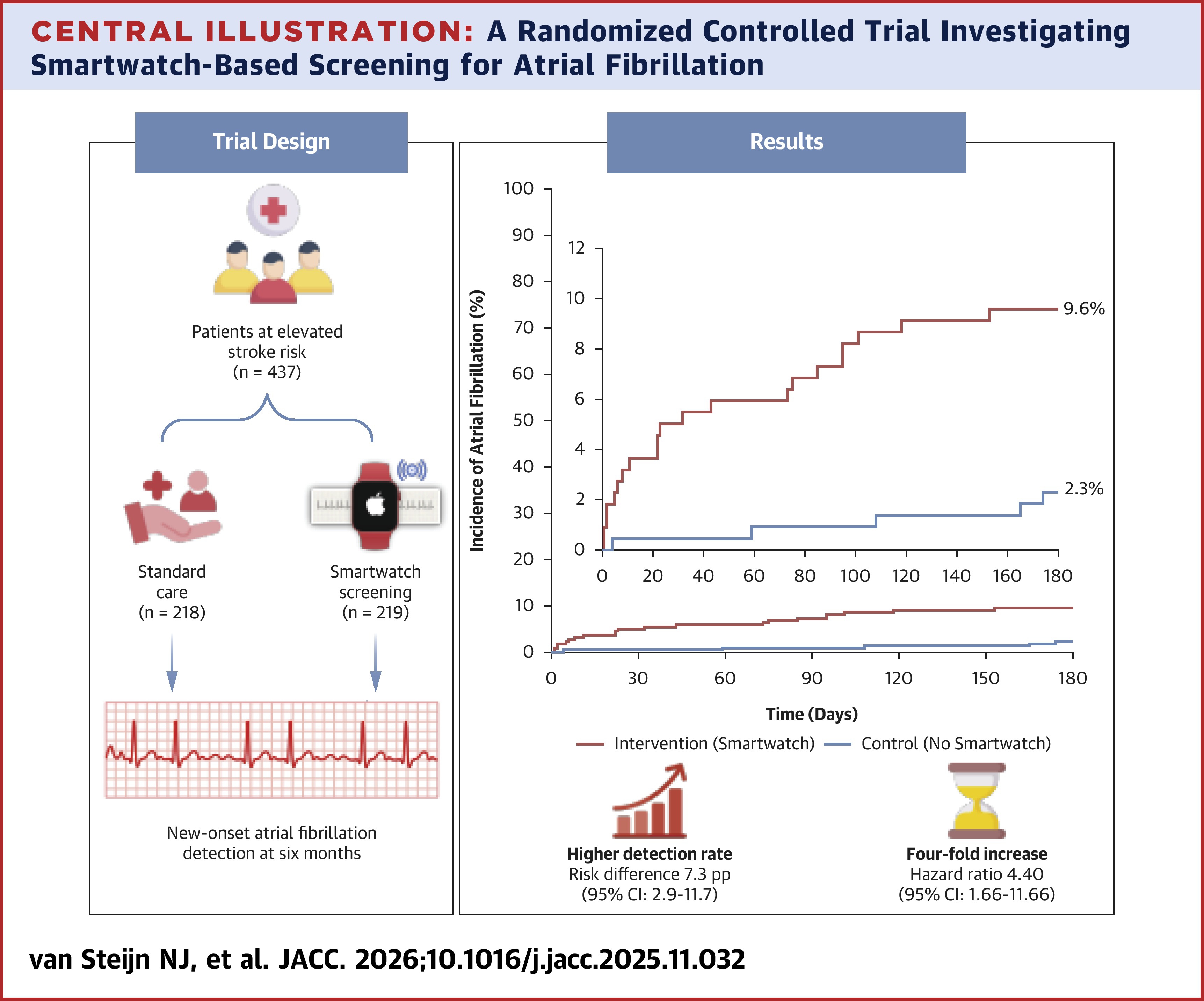
Though not classified as medical devices, modern fitness trackers increasingly support clinical functions.
Detecting Atrial Fibrillation (AFib)
Irregular heart rhythms like atrial fibrillation increase stroke risk. Traditionally diagnosed with hospital EKGs, AFib can now be flagged by wearables.
The Apple Heart Study (2019) found that the Apple Watch’s irregular rhythm notification could identify possible AFib with high specificity. While false positives occurred, many cases led to confirmed diagnoses after follow-up testing.
This marked a shift toward wearables as screening tools, not just fitness aids.
Weight Loss and Obesity Research
Studies show mixed results on whether fitness trackers help with weight loss.
A British Journal of Sports Medicine review covering 35 studies and 7,454 participants found trackers increased daily steps by 1,850 on average. But when it came to weight loss outcomes:
– One study showed benefit
– One suggested harm from over-reliance on data
– Three found no effect
However, combining trackers with guided weight loss programs yielded better outcomes than either approach alone.
Monitoring Stress and Mental Health
Modern trackers assess stress and mental wellness through heart rate variability, sleep quality, activity patterns, and user-logged mood data.
Devices like Garmin’s Body Battery and Fitbit’s Stress Management Score assign energy levels based on physiological data.
While detecting depression alone remains challenging, longitudinal tracking of sleep, movement, and social behavior helps clinicians spot early warning signs.
Challenges and Limitations
Despite advances, fitness trackers face ongoing issues around accuracy, privacy, and psychological impact.
Accuracy Issues During Certain Activities
A Stiftung Warentest study revealed major inaccuracies in some trackers during cycling. Devices misread motion, leading to erroneous calorie estimates and faulty distance calculations.
Wrist-based heart rate monitors also struggle with high-intensity interval training, weightlifting where arm movement is unrelated to heart rate, and darker skin tones due to optical sensor limitations.
For precision, chest straps remain the gold standard.
Privacy Risks and Data Exploitation
Fitness data creates a digital health footprint, a detailed record of your habits, location, and biology.
Concerns include:
– Unsecured data transmission, since some apps send data without encryption
– Geolocation leaks that can reveal home addresses or military bases
– Third-party sharing, where data is sold to advertisers or insurers
Menstrual tracking apps are especially vulnerable. Despite user expectations of privacy, many lack regulation. In some cases, data has been used in legal proceedings or targeted advertising.
Psychological Effects of Constant Tracking
Gamification boosts motivation but can backfire.
Research shows some users become obsessed with metrics, experience anxiety when goals are not met, or feel guilty for resting.
There is growing concern that constant self-monitoring may distort body image or reduce intrinsic motivation for exercise.
Future Directions
The future of fitness tracking lies in predictive analytics, non-invasive diagnostics, and integrated healthcare.
Predicting Parkinson’s and Other Diseases
Early research suggests that movement patterns tracked over time can signal neurological decline. Subtle changes in gait, tremor, or typing speed may predict Parkinson’s disease years before diagnosis.
Projects like Apple’s Mobility Study and Google’s Project Baseline aim to use wearables for early detection of chronic conditions.
Animal Health Monitoring
Fitness trackers are not just for humans. Collar-mounted devices for dogs, such as FitBark and Whistle, track activity, sleep, and behavior to detect illness or anxiety.
Veterinarians use this data to monitor recovery, manage weight, and improve pet wellness.
Employer and Insurance Programs
In 2013, BodyMedia introduced a disposable fitness patch for employers and insurers to assess employee health. In 2014, Jawbone UP for Groups let companies collect aggregated fitness data.
While proponents argue this encourages wellness, critics warn of surveillance culture and potential discrimination based on activity levels.
Frequently Asked Questions About Fitness Tracker History
When was the first fitness tracker invented?
Wearable heart rate monitors for athletes became available in 1981. The RS-Computer shoe followed in 1986, and wristwatch-sized bicycle computers appeared by the early 1990s.
What was the first popular consumer fitness tracker?
The Nike+iPod system, released in 2006, was a major breakthrough for consumers. It paired a sensor-equipped shoe with an iPod Nano to track distance, pace, and calories.
How did Fitbit change the fitness tracker industry?
Fitbit’s 2009 clip-on tracker and later wristbands like the Fitbit Flex (2013) made 24/7 wearability and app syncing mainstream. Its gamified dashboard turned fitness tracking into an engaging daily habit.
Are fitness trackers considered medical devices?
No. Fitness trackers are not classified as medical devices, though newer models approach the US definition of a Class II medical monitor. FDA approval would be required for official medical claims.
Can fitness trackers detect health problems like AFib?
Yes. The Apple Heart Study (2019) found that the Apple Watch could identify irregular heart rhythms suggestive of atrial fibrillation with high specificity, though false positives remain a concern.
What are the biggest privacy risks with fitness trackers?
Key risks include unsecured data transmission, geolocation leaks, third-party data sharing, and weak regulation of menstrual tracking apps. Users should review permissions and privacy policies carefully.
Key Takeaways from the Evolution of Fitness Trackers
The fitness tracker history shows a clear arc from niche athletic tools to everyday health companions. Key milestones include the 1981 chest-strap heart rate monitor, the 2006 Nike+iPod, Fitbit’s wristbands in the early 2010s, and the Apple Watch’s medical-grade features by 2018.
Modern trackers now extend beyond the wrist into rings and earbuds, offering more accurate readings and new use cases. They support clinical functions like AFib detection and stress monitoring, though they remain consumer devices rather than regulated medical tools.
Looking ahead, the most meaningful advances will likely come from predictive analytics, early disease detection, and ethical data practices. If you use a fitness tracker today, take a moment to review its privacy settings and consider how the data shapes your relationship with your own health.