How Accurate Are Fitbit Heart Rate Monitors?
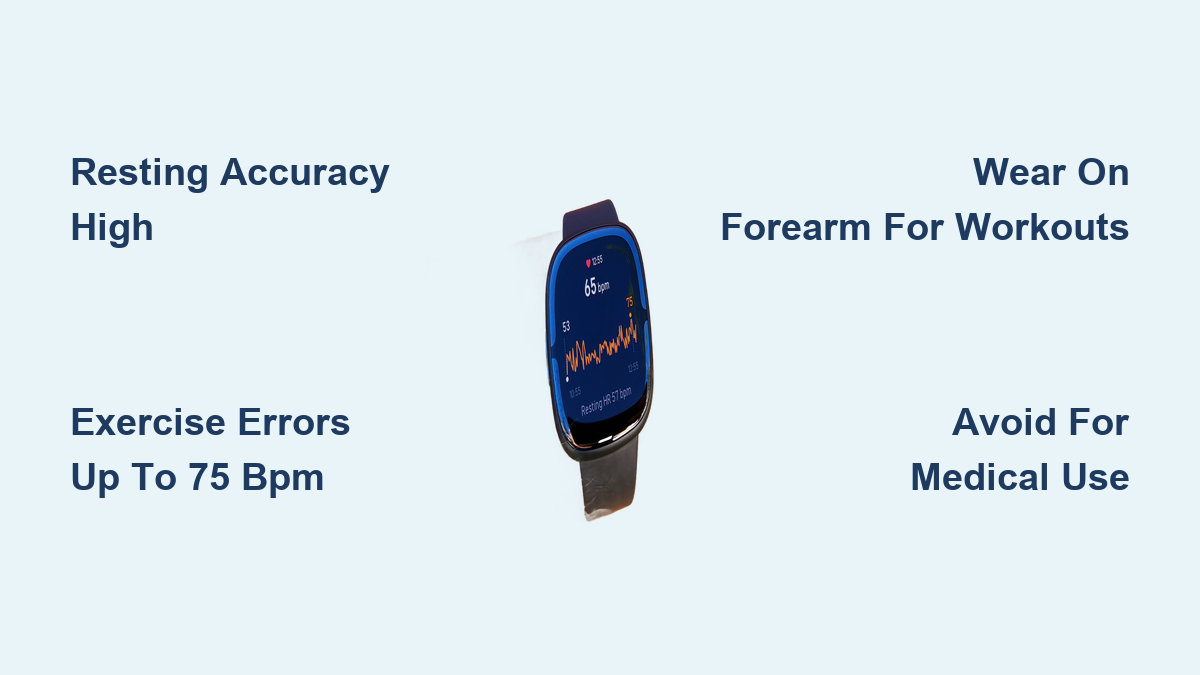
If you’ve ever glanced at your Fitbit mid-workout and wondered whether that number reflects your actual heart rate, you’re asking the right question. Millions of people rely on wrist-based trackers to monitor fitness progress, recovery, and overall health, but how accurate are Fitbit heart rate monitors when it really matters? The honest answer is that it depends entirely on what you’re doing. At rest, these devices perform impressively. During high-intensity exercise, the picture changes dramatically, with documented deviations reaching 75 beats per minute (bpm) compared to medical-grade ECG equipment.
Fitbit uses optical heart rate monitoring (PPG), a technology that estimates heart rate by shining light into the skin rather than measuring the heart’s electrical signals directly. This approach works beautifully in controlled conditions but runs into trouble with motion, skin tone, sweat, and placement. Independent studies and even a class-action lawsuit filed in January 2016 have highlighted these gaps. In this guide, you’ll learn exactly when to trust your Fitbit readings, when to be skeptical, and how to get the most accurate data possible from your device.
Optical Sensors vs. Medical Standards
How Fitbit Measures Heart Rate
Fitbit devices use photoplethysmography (PPG), a non-invasive optical method. The device shines green LED light into your skin and measures how much light reflects back. When your heart pumps, blood volume under the sensor increases, absorbing more light. Between beats, less blood means more light bounces back. By tracking these fluctuations thousands of times per second, the algorithm estimates your heart rate.
This is fundamentally different from an electrocardiogram (ECG/EKG), which measures the heart’s actual electrical activity through electrodes. Chest straps like the Polar H7 also use electrical signals and are widely considered the gold standard for fitness tracking. Because PPG is an indirect measurement, it carries inherent vulnerabilities that no software update can fully eliminate.
Why PPG Struggles During Intense Movement
Motion is the primary enemy of optical sensors. When you run, jump, or lift weights, the device shifts on your wrist, creating motion artifacts that confuse the algorithm. Other factors compound the problem:
• A loose band allows ambient light to leak into the sensor.
• Sweat and lotions disrupt light absorption.
• Darker skin tones may absorb more light, reducing signal clarity.
• Blood flow redistributes away from the extremities during intense effort.
These aren’t software bugs. They’re physical limitations of measuring heart rate through light reflection on a moving arm.
Resting Heart Rate: Where Fitbit Excels
Reliable for Baseline Health Tracking
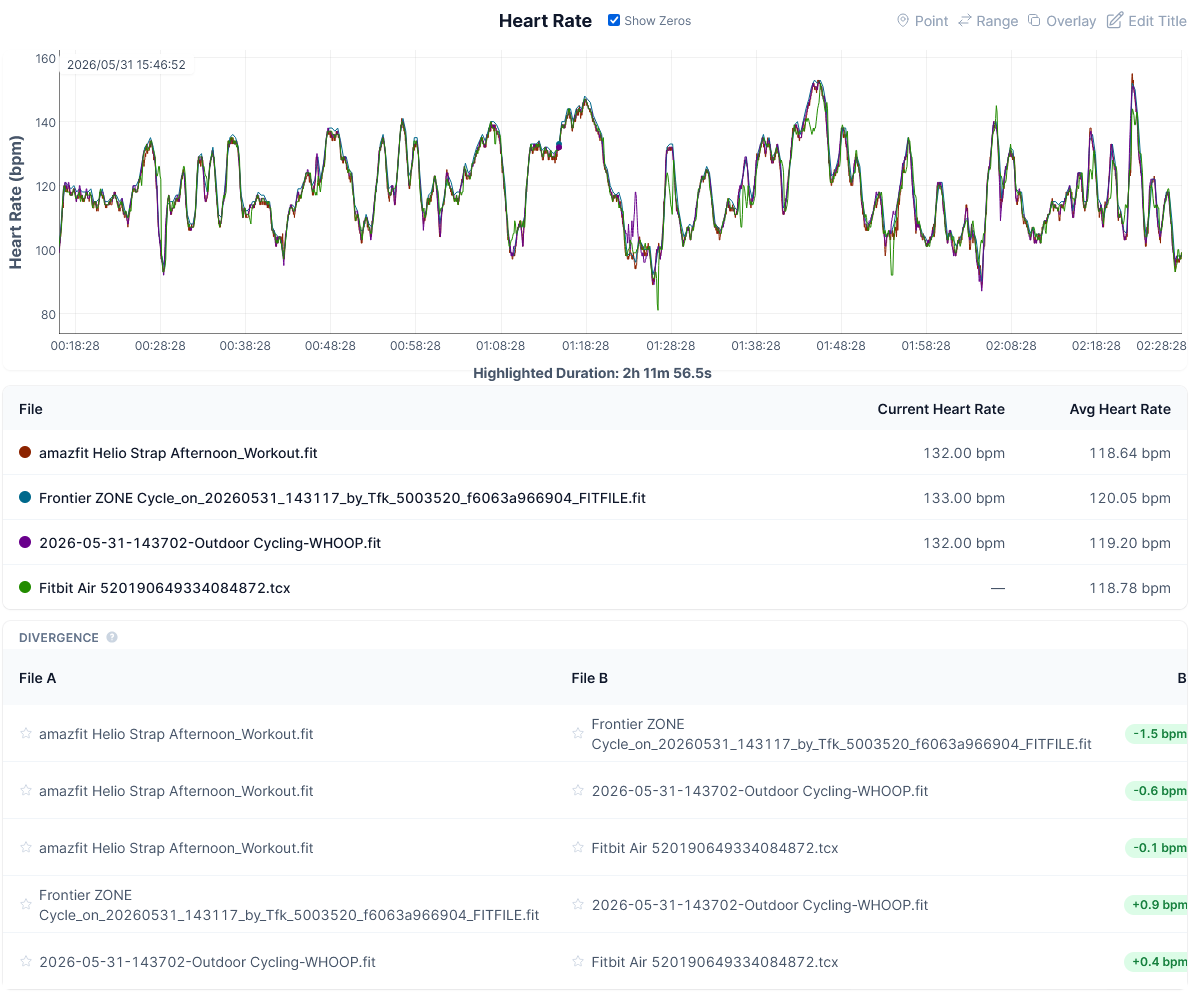
When you’re still, Fitbit heart rate monitors perform with impressive consistency. In a study published in the Annals of Internal Medicine, the Fitbit Charge measured within 5 bpm of ECG readings 95% of the time. The Fitbit Surge was identified as the most accurate device at rest among four trackers tested. Even the Basis Peak, which was later recalled for overheating issues unrelated to heart rate, stayed within 22.6 bpm during a 10-minute resting test, still usable for spotting trends.
This level of precision makes Fitbit devices excellent tools for monitoring resting heart rate trends over time. A gradual decline in resting heart rate often signals improved cardiovascular fitness. A sudden spike can indicate illness, stress, or overtraining.
When You Can Trust Resting Readings
You can confidently rely on your Fitbit when:
• Sitting or standing quietly
• Sleeping (the device uses this data for sleep stage detection)
• Measuring your morning resting heart rate
Just ensure the band is snug and the sensor touches clean, dry skin for the best results.
Exercise Accuracy: Where Fitbit Falls Short
Performance Drops Sharply with Intensity
The moment you start moving, accuracy begins to decline. The harder you push, the less reliable the reading becomes. Studies have documented:
• Deviations of 20 to 40 bpm during moderate to vigorous exercise.
• Extreme cases where readings were off by as much as 75 bpm.
• Errors in both directions, with devices both overestimating and underestimating heart rate.
For example, the Fitbit Surge once overestimated heart rate by 39 bpm, while the Fitbit Charge HR underestimated by 41 bpm during high-intensity runs. These gaps matter enormously if you’re training in specific heart rate zones. Being off by 30+ bpm could place you in an entirely different effort level than you intended.
Why High-Intensity Workouts Break Accuracy
During sprinting, HIIT sessions, or heavy lifting, several things go wrong simultaneously:
• Arm movement jostles the sensor against the skin.
• Blood flow redirects away from the wrist toward working muscles.
• Sweat creates optical interference at the sensor surface.
In Consumer Reports testing, both the Charge HR and Surge matched a chest strap within 3 bpm during walking and jogging. Problems emerged at higher intensities. On a female tester running at a chest-strap reading of 150 bpm, the Charge HR displayed 139 bpm, an 11-bpm gap that vanished when she moved the device to her forearm. This single test reveals a crucial truth: placement and motion often matter more than device quality.
Model-by-Model Accuracy Comparison

Fitbit Surge: Best at Rest, Risky During Exercise
• Rest: Most accurate among tested wearables in comparative studies.
• Exercise: Prone to overestimation, with documented errors up to +39 bpm.
• Verdict: Excellent for daily tracking, unreliable for interval training.
Fitbit Charge / Charge HR: Solid at Rest, Falters Under Load
• Rest: Within 5 bpm of ECG 95% of the time.
• Exercise: Can underperform significantly at 150 bpm, reading as low as 139 bpm on the wrist.
• Fix: Moving to the forearm restored accuracy in Consumer Reports testing.
Basis Peak: Least Accurate, Now Discontinued
• Rest: Varied by up to 22.6 bpm from ECG.
• Note: Recalled for overheating, not heart rate accuracy.
Newer Models: Likely Improved
Most published studies focus on 2015–2016 models. Since then, Fitbit has released updated algorithms and hardware across the Sense, Versa 3/4, and Charge 5/6 lines. These newer devices likely benefit from:
• Enhanced motion filtering
• Multi-path PPG sensors
• AI-driven noise reduction
However, the core limitations of wrist-based optical tracking remain. No algorithm can fully overcome physics.
Fixing Accuracy: Placement and Fit

Wear It Snug, Wear It High
Fitbit officially recommends wearing devices “snugged up a couple of inches above the wrist bone.” Most users ignore this advice, but they shouldn’t. The forearm has less tendon movement than the wrist, which reduces motion artifacts during running or lifting. In testing, shifting the Charge HR from wrist to forearm eliminated a 10+ bpm discrepancy during high-intensity runs.
Optimize Band Tightness
A loose band allows the sensor to bounce and lose contact with your skin. A band that’s too tight restricts blood flow and skews readings. The ideal fit is snug enough to stay in place during exercise but loose enough that you can slide one finger underneath the band comfortably.
Who Should Trust Their Fitbit?
General Users: Yes, With Reasonable Caveats
If you’re using your Fitbit to:
• Track daily activity trends
• Monitor sleep quality and recovery
• Observe resting heart rate changes over weeks
• Stay motivated to move more
Then yes, it’s accurate enough. Long-term data trends remain reliable even if individual workout readings fluctuate.
Athletes and Medical Users: Proceed with Caution
For:
• Zone-based training at specific percentages of max heart rate
• VO₂ max estimation
• Monitoring a diagnosed heart condition
A chest-strap monitor like the Polar H7 or Garmin HRM-Pro is the better choice. These devices use electrical signals and aren’t affected by motion or skin tone. Fitbit itself explicitly states that its products are not medical devices and should not be used for diagnosis or treatment decisions.
Legal and Medical Warnings
Class-Action Lawsuit Over Accuracy Claims
On January 5, 2016, a class-action lawsuit was filed against Fitbit over alleged heart rate inaccuracies in the Charge HR and Surge models. The plaintiffs cited independent testing by a board-certified cardiologist showing:
• An average error of 24.34 bpm during exercise.
• Worst-case deviations of 75 bpm.
• Marketing claims that contradicted real-world performance.
Fitbit defended its PurePulse technology, citing internal validation studies and standing behind its industry-standard methodology. The lawsuit highlighted the gap between consumer expectations and the physical limits of optical sensors, even though it did not result in a product recall.
Not Approved for Medical Use
No wearable, including Fitbit, is FDA-approved for diagnosing heart conditions. Features like irregular rhythm notifications on Sense models can flag potential issues, but they’re screening tools, not replacements for proper medical evaluation. If you have arrhythmias, heart disease, or hypertension, always consult a physician and use approved medical devices for monitoring.
Pro Tips for Better Readings

1. Adjust Placement for Workouts
Move your Fitbit 2–3 inches above the wrist bone during running, HIIT, or circuit training. This simple adjustment can eliminate major errors.
2. Clean the Sensor Regularly
Sweat, lotions, and dirt block light from reaching your skin. Wipe the back of the device with a damp cloth at least once a week.
3. Update Firmware
Fitbit regularly pushes algorithm updates that improve motion filtering and signal processing. Keep your device updated through the Fitbit app.
4. Focus on Trends, Not Snapshots
Don’t obsess over a single reading. Look for patterns over days or weeks:
• Is your resting heart rate gradually dropping?
• Are your recovery times improving after hard workouts?
These long-term trends are far more meaningful than any single moment-to-moment measurement.
Frequently Asked Questions About Fitbit Heart Rate Accuracy
How accurate is Fitbit heart rate at rest?
Fitbit devices are highly accurate at rest. The Fitbit Charge, for example, measured within 5 bpm of ECG readings 95% of the time in a published study. For tracking resting heart rate trends, sleep stages, and recovery, Fitbit is more than sufficient.
Why does my Fitbit heart rate seem wrong during exercise?
Optical sensors struggle with motion artifacts, sweat, and shifting placement during intense movement. These factors can cause deviations of 20–40 bpm, and occasionally much more. The harder you exercise, the less reliable wrist-based optical tracking becomes.
Can I improve my Fitbit heart rate accuracy?
Yes. Wearing the device 2–3 inches above the wrist bone (on the forearm) during workouts significantly reduces errors. Keeping the band snug, cleaning the sensor regularly, and updating firmware also help.
Are Fitbit heart rate monitors medical-grade?
No. Fitbit explicitly states its devices are not medical devices. They are consumer electronics designed for fitness motivation and general wellness. For medical monitoring or clinical decisions, use a chest-strap monitor or consult a physician.
Which Fitbit model is most accurate for heart rate?
Based on available studies, the Fitbit Surge was the most accurate at rest, while the Fitbit Charge HR performed well at rest but struggled during high-intensity exercise. Newer models like the Sense and Charge 5/6 likely perform better due to updated hardware and algorithms, though independent testing data is limited.
Should athletes use Fitbit for heart rate zone training?
For precise heart rate zone training, a chest-strap monitor is strongly recommended. Chest straps measure electrical signals directly and aren’t affected by motion, making them far more reliable during sprints, intervals, and high-intensity efforts.
Key Takeaways for Understanding Fitbit Heart Rate Accuracy
Fitbit heart rate monitors are accurate for rest and daily tracking but unreliable during high-intensity exercise. You can confidently use them to monitor long-term fitness progress, track sleep and recovery, and stay aware of general heart health trends. If you need precise heart rate zones for athletic training or medical monitoring, invest in a chest-strap monitor instead.
The technology continues to improve with each new model release, but the fundamental laws of physics still limit wrist-based optical tracking. Understanding these limits is the key to using your Fitbit wisely. Start by checking your resting heart rate trends this week, and if you do intense workouts, try moving your device to your forearm and comparing the results.