How to Monitor Resting Heart Rate
Your resting heart rate (RHR) is one of the simplest yet most revealing indicators of your cardiovascular health. It tells you how efficiently your heart pumps blood when your body is at complete rest. A lower resting heart rate often signals strong fitness, while an unusually high or rising rate can hint at stress, illness, or overtraining before you even feel symptoms.
Learning how to monitor resting heart rate properly puts you in control of your health data. This guide walks you through manual techniques, wearable technology, and clinical insights so you can measure, interpret, and act on your numbers with confidence. Whether you’re an athlete tracking recovery or simply focused on long-term wellness, you’ll find actionable steps to build a reliable monitoring routine.
Define Your Resting Heart Rate
What Resting Heart Rate Really Means
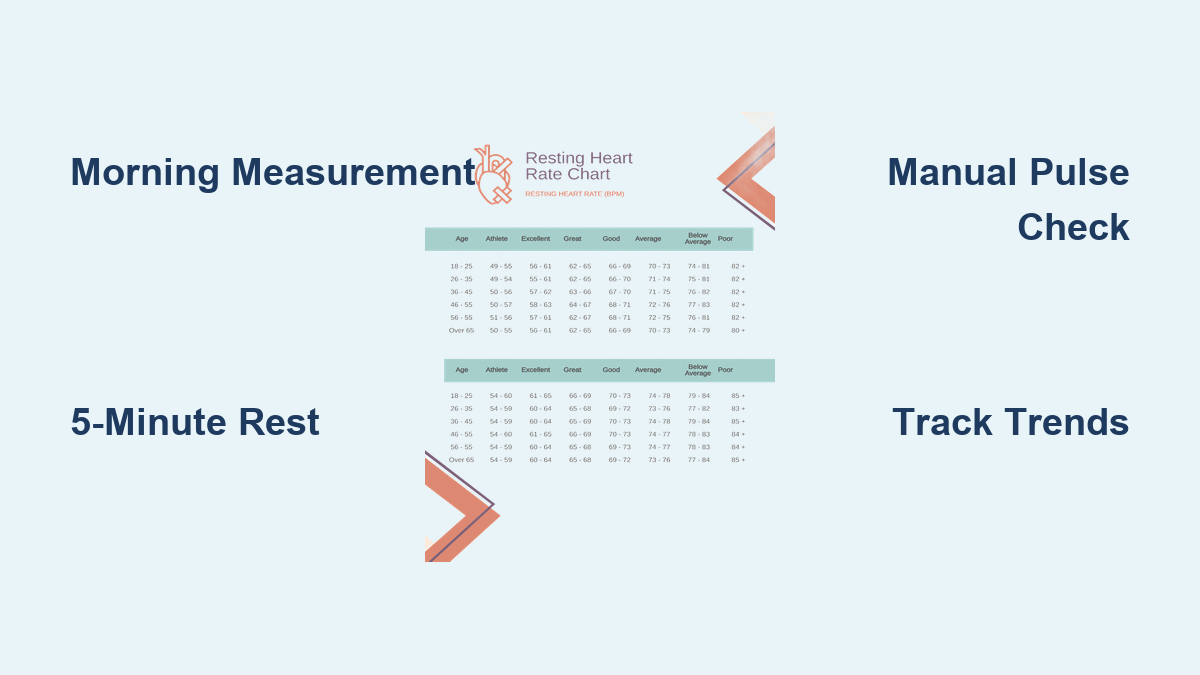
Resting heart rate is the number of times your heart beats per minute while awake, calm, and completely inactive. The most accurate reading comes after sitting or lying quietly for at least 4 minutes, ideally first thing in the morning before getting out of bed. This baseline shows how hard your heart works to maintain circulation without any physical demand.
A well-conditioned heart pumps more blood with each beat, requiring fewer total beats per minute. Trained athletes often show RHRs between 40 and 50 bpm, while most adults fall within 60 to 100 bpm. Some experts consider 50 to 70 bpm an ideal target range for optimal cardiovascular efficiency.
Heart Rate vs. Pulse: Are They the Same?
Heart rate and pulse are often used interchangeably, but they have a subtle technical difference. Heart rate counts how many times the heart contracts per minute. Pulse measures the rhythmic expansion of arteries caused by those contractions. In healthy individuals, both numbers match perfectly.
However, certain arrhythmias like atrial fibrillation can create a “pulse deficit,” where not every heartbeat generates a detectable pulse at the wrist. If your rhythm feels irregular, always count for a full 60 seconds or use an ECG-based monitor for accuracy.
Why RHR Matters for Long-Term Health
Your resting heart rate is a powerful predictor of cardiovascular risk and overall longevity. Consistently elevated RHR (above 80 to 100 bpm) links to higher risks of hypertension, heart disease, and all-cause mortality. A lower, stable RHR correlates with better cardiorespiratory fitness and metabolic health.
Tracking RHR over time helps you:
– Detect early signs of overtraining or illness
– Monitor fitness improvements (RHR typically drops 1 to 2 bpm every 2 months with consistent training)
– Assess autonomic nervous system balance when combined with HRV
– Identify potential medication effects, such as beta-blockers lowering RHR
Know Normal Ranges by Age and Fitness Level
Adult and Pediatric Resting Rates Compared
Normal resting heart rate varies significantly by age due to cardiovascular development. Children naturally have higher heart rates because of faster metabolism and smaller heart size. As they grow, RHR gradually declines to adult levels.
| Age Group | Normal RHR Range (bpm) |
|---|---|
| Newborns (0 to 4 weeks) | 100 to 205 |
| Infants (4 weeks to 1 year) | 100 to 180 |
| Toddlers (1 to 3 years) | 98 to 140 |
| Preschool (3 to 5 years) | 80 to 120 |
| School Age (5 to 12 years) | 75 to 118 |
| Adolescents (13 to 17 years) | 60 to 100 |
| Adults (18 and older) | 60 to 100 |
Athlete vs. Non-Athlete Resting Rates
Physical conditioning dramatically impacts resting heart rate. Sedentary adults often average 60 to 80 bpm, while active individuals typically range from 50 to 60 bpm. Trained athletes commonly exhibit 40 to 50 bpm, with some highly conditioned subjects recording rates as low as 34 bpm.
This lower rate, known as sinus bradycardia, is normal and healthy in athletes. It results from increased stroke volume (more blood pumped per beat) and enhanced vagal tone (parasympathetic nervous system dominance).
Gender and Hormonal Influences on RHR
Women generally have slightly higher resting heart rates than men, often 2 to 5 bpm higher, due to smaller heart size and hormonal fluctuations. Pregnancy increases blood volume and cardiac output, raising RHR by 10 to 20 bpm. Menstrual cycle phases can also cause slight elevations during ovulation and the premenstrual period.
Identify What Affects Your Resting Heart Rate
Daily Lifestyle Factors That Shift RHR
Many everyday habits cause temporary or chronic changes in your resting heart rate.
Caffeine and Stimulants
Even moderate coffee intake can raise RHR for up to 2 hours. Avoid measuring within 2 to 3 hours of consuming caffeine.
Alcohol and Nicotine
Alcohol suppresses heart rate variability (HRV) and increases stress markers. Smoking raises RHR due to nicotine’s stimulant effect.
Hydration Status
Dehydration reduces blood volume, forcing the heart to beat faster. Aim for pale yellow urine as a hydration indicator.
Sleep Quality and Timing
Poor or insufficient sleep disrupts circadian rhythms and elevates RHR. Late-night eating can impair overnight recovery and reduce your nocturnal dip.
Medical Conditions That Alter Heart Rate
Certain health issues directly impact RHR. High RHR causes (above 100 bpm) include hyperthyroidism, anemia, fever or infection, heart or lung disease, electrolyte imbalances, asthma, and pulmonary embolism. Low RHR causes (below 60 bpm) include heart block, sick sinus syndrome, hypothyroidism, high potassium levels, diabetic autonomic neuropathy, and medications like beta-blockers or calcium channel blockers.
If you’re not an athlete and your RHR is consistently below 60 or above 100 bpm, consult a healthcare provider, especially if accompanied by dizziness, fatigue, or fainting.
Circadian Rhythm and Nocturnal Heart Rate
Your heart rate follows a 24-hour biological cycle. It reaches its lowest point between 3:00 AM and 7:00 AM, driven by increased parasympathetic activity during deep sleep.
Wearable devices show that true resting heart rate is best captured during this window. Daytime “resting” measurements (like sitting at a desk) are often elevated due to mental activity, posture, or recent movement. For the most accurate baseline, rely on nocturnal data from wearables or early-morning manual checks before rising.
Manual Method: Check RHR Without Devices
Step-by-Step Pulse Check Guide
Measuring your pulse manually is free, accessible, and reliable when done correctly.
When to Measure
– First thing in the morning, before getting out of bed
– After sitting or lying quietly for at least 5 minutes
– In a calm environment with no music, talking, or screen use
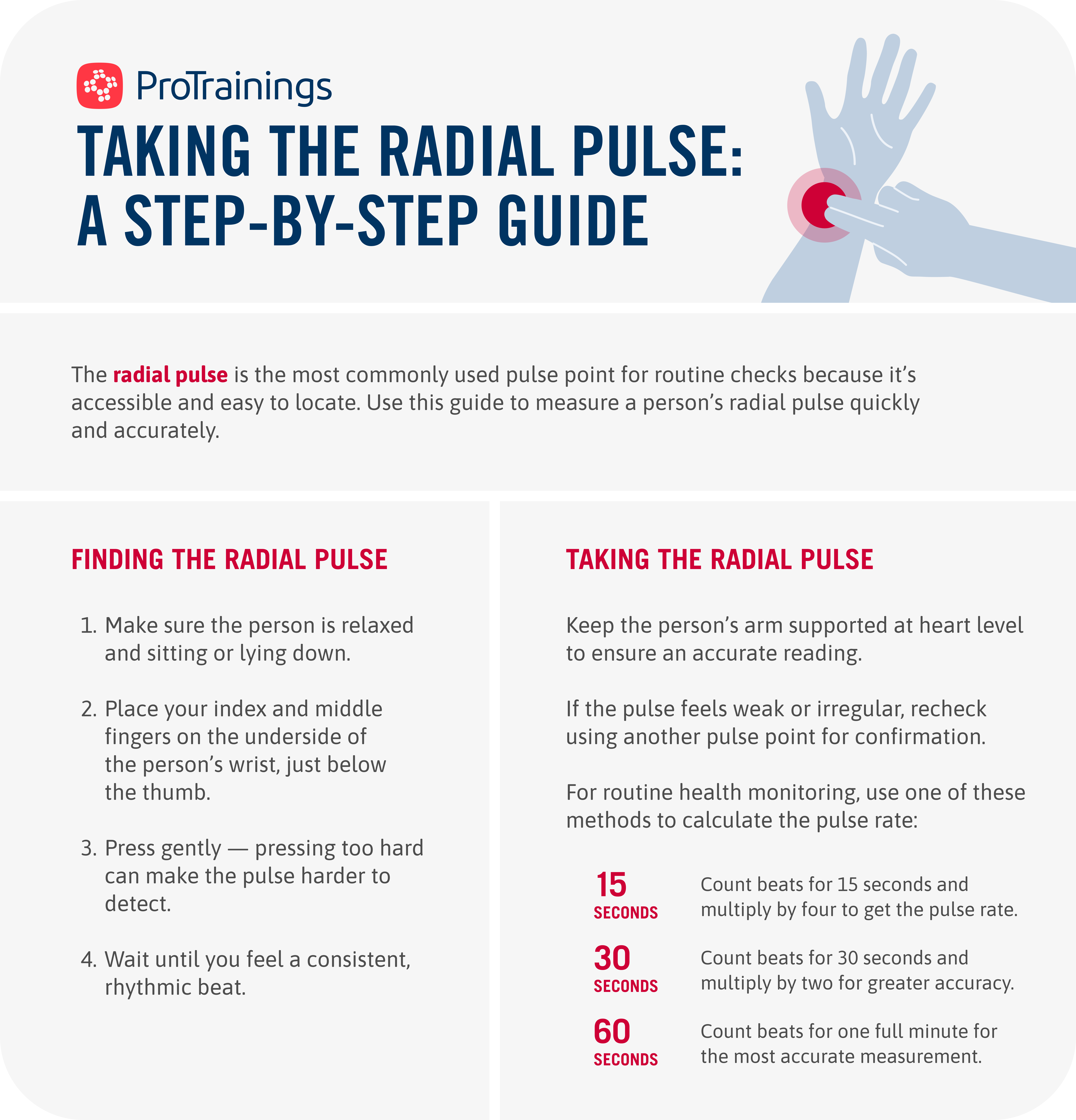
How to Find Your Pulse
Use one of two reliable locations:
-
Radial Artery (Wrist)
– Turn your palm upward
– Place your index and middle fingers (never your thumb) on the inner wrist, below the base of the thumb
– Press gently until you feel the pulse -
Carotid Artery (Neck)
– Place fingers gently on the side of the neck, beside the windpipe, just below the jaw
– Warning: Never press both sides simultaneously, as this can restrict blood flow to the brain
Choose the Right Counting Method
Accuracy depends on counting duration and rhythm.
-
60-Second Count (Most Accurate)
Count every beat for a full minute. Use this if your rhythm feels irregular. -
30-Second Method
Count beats for 30 seconds, then multiply by 2. -
15-Second Method
Count for 15 seconds, then multiply by 4. Faster but less accurate. -
6-Second Quick Check
Count for 6 seconds, then multiply by 10. Only for rough estimates.
Pro Tip: Irregular rhythms require longer counts to avoid error. Atrial fibrillation often presents as an erratic pulse.
Improve Accuracy With Averaging
To minimize variability, take three separate readings, record each result, and calculate the average. For example, if your readings are 78, 82, and 80 bpm, your average is (78 + 82 + 80) ÷ 3 = 80 bpm. This smoothing technique reduces the impact of momentary distractions or slight pressure changes.
Wearable Tech: Use Devices for Continuous Tracking
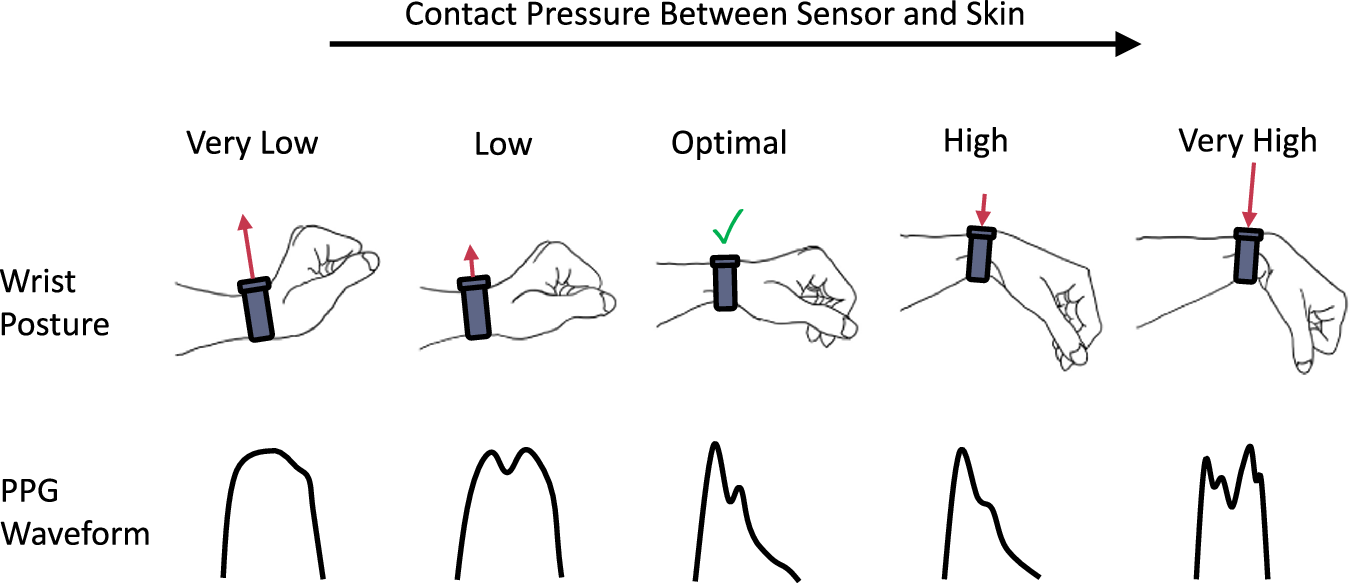
How PPG Sensors Work on Wrist Devices
Most smartwatches (Apple Watch, Fitbit, Garmin) use photoplethysmography (PPG), a light-based method that detects blood flow changes under the skin. Green LEDs shine into capillaries, and sensors measure how much light is absorbed with each pulse.
Pros:
– Automatic, continuous monitoring
– Captures nocturnal RHR (3 to 7 AM) for true baseline
– Tracks trends over time
Cons:
– Less accurate during movement
– Can fail with dark skin tones, tattoos, or loose fit
– Mean Absolute Percentage Error averages 3.96 to 4.46 percent compared to chest straps
Best Practices:
– Wear snug but comfortable (one finger should fit under the strap)
– Keep the sensor clean
– Avoid placement over tattoos or thick hair
Chest Straps: The Gold Standard for Accuracy
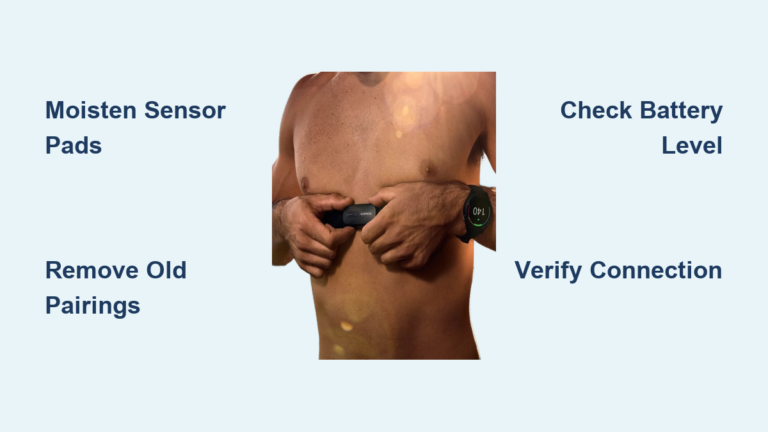
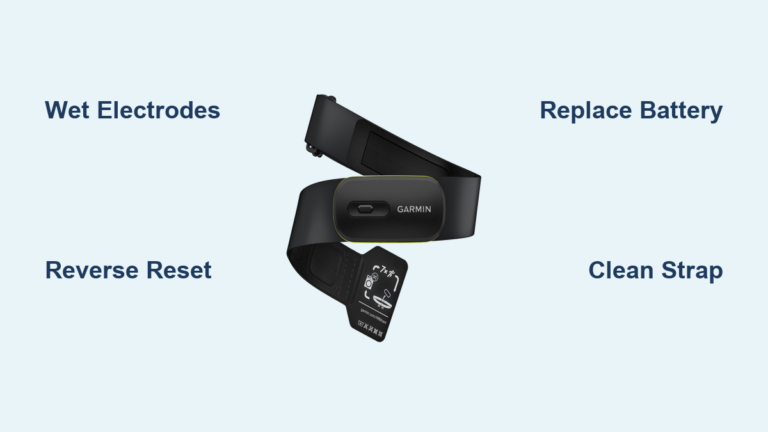
Chest-worn ECG sensors detect the heart’s electrical signals, just like a clinical EKG. Brands like Polar H10 and Garmin HRM-Pro offer superior precision because they directly measure electrical activity. They remain unaffected by skin tone or motion artifacts, making them reliable during both exercise and rest.
These straps are ideal for athletes tracking training zones or users who want to verify wearable data. Pair them with a watch or phone via Bluetooth.
Smartphone Apps and Gym Equipment: Are They Reliable?
Smartphone Apps
These use the camera and flash to detect fingertip blood flow. While convenient, they lack clinical validation and are prone to motion errors. Use them for occasional checks, not trend tracking.
Gym Equipment Hand Sensors
Treadmills and ellipticals with handgrip monitors are notoriously inaccurate. Sweat, grip pressure, and movement distort readings. Avoid using them for RHR assessment.
Establish a Reliable Monitoring Routine
When and How Often to Measure
Consistency is key to meaningful data.
General Adults:
– Once per week, at the same time each week
– Morning, before getting out of bed
Adults Over 60 or with Heart Conditions:
– Daily or every other day
– Track for early warning signs
Athletes or Intense Trainers:
– Daily morning measurement
– Watch for increases of 2 to 5 bpm above baseline, which may signal overtraining, illness, or poor recovery
Build Your Personal Baseline
Your “normal” RHR is unique. To establish it, measure each morning for 5 to 7 consecutive days, excluding days with poor sleep, illness, or alcohol consumption. Then calculate the average.
For example: Day 1: 68 | Day 2: 70 | Day 3: 66 | Day 4: 69 | Day 5: 67
Baseline: (68 + 70 + 66 + 69 + 67) ÷ 5 = 68 bpm
Reassess every 3 to 4 weeks to track fitness progress.
Track Trends, Not Just Numbers
Single readings can mislead. Focus on patterns over time:
– Declining RHR? Likely a sign of improved fitness
– Rising RHR? Could indicate stress, dehydration, illness, or overtraining
– Sudden spike of 5 to 7 bpm? Consider taking a rest day or checking for infection
Pair RHR with HRV for deeper insight. Low HRV combined with high RHR is a strong signal of fatigue or stress.
Recognize Warning Signs and When to Act
High RHR: When Tachycardia Needs Attention
A resting heart rate consistently above 100 bpm (tachycardia) warrants medical evaluation if not explained by temporary factors like caffeine, anxiety, or fever.
Red Flags:
– Palpitations or fluttering
– Chest discomfort
– Shortness of breath at rest
– Dizziness or lightheadedness
Persistent tachycardia increases cardiovascular strain and mortality risk. Causes include hyperthyroidism, anemia, or heart disease, which are diagnosable with ECG or blood tests.
Low RHR: When Bradycardia Is Dangerous
A rate below 60 bpm (bradycardia) is normal for athletes but concerning in sedentary individuals, especially with symptoms.
Seek Immediate Help If:
– RHR is below 40 bpm with dizziness or fatigue
– You experience fainting (syncope)
– You notice confusion or sudden weakness
– You have chest pain
These may indicate heart block, sick sinus syndrome, or medication side effects.
Spotting Irregular Rhythms Early
An irregular pulse with skipped beats, extra thumps, or erratic rhythm can signal atrial fibrillation (AFib), the most common arrhythmia.
What to Do:
– If you feel palpitations, take a manual pulse for 60 seconds
– Note any irregularity or “irregularly irregular” pattern
– Report it to your doctor, even if brief
– Consider a wearable with AFib detection (such as Apple Watch or Fitbit)
Early diagnosis prevents stroke and heart failure.
Optimize Heart Health With Lifestyle Strategies

Diet and Hydration for Stable RHR
What you eat and drink directly affects heart rate and HRV.
Heart-Healthy Foods:
– Omega-3 fatty acids: Fatty fish (salmon), walnuts, flaxseeds
– Antioxidant-rich plants: Berries, leafy greens, beets
– Whole grains and fiber: Oats, quinoa, brown rice
Avoid:
– Large meals before bedtime
– Excessive processed sugars and trans fats
– Heavy alcohol use, which lowers HRV and raises long-term stress
Hydration Tips:
– Drink water throughout the day
– Increase intake in heat or after exercise
– Monitor urine color and aim for pale yellow
Breathing and Stress Reduction Techniques
Slow, controlled breathing activates the parasympathetic nervous system, lowering RHR and boosting HRV.
Box Breathing (4-4-4-4):
– Inhale for 4 seconds
– Hold for 4 seconds
– Exhale for 4 seconds
– Hold for 4 seconds
– Repeat for 5 minutes
Extended Exhale (4-2-6):
– Inhale for 4 seconds
– Hold for 2 seconds
– Exhale slowly for 6 seconds
– This pattern enhances vagal tone
Practice daily, especially before bed or during stressful moments.
Exercise and Recovery Best Practices
Cardiovascular training is the most effective way to lower RHR over time.
Guidelines:
– Aim for 150 minutes of moderate or 75 minutes of vigorous aerobic activity weekly
– Include zone 2 training (60 to 70 percent of max heart rate) for endurance
– Monitor morning RHR to guide training intensity
Recovery Tips:
– Rest if RHR is 5 or more bpm above baseline
– Prioritize sleep (7 to 9 hours per night)
– Limit alcohol, especially post-workout
Frequently Asked Questions About Monitoring Resting Heart Rate
What Is a Normal Resting Heart Rate for Adults?
A normal resting heart rate for adults ranges from 60 to 100 bpm. However, an ideal range is often considered 50 to 70 bpm, and trained athletes may have rates as low as 40 to 50 bpm. Children have higher normal ranges that decrease with age.
When Is the Best Time to Measure Resting Heart Rate?
The best time is first thing in the morning, before getting out of bed, after at least 4 to 5 minutes of complete rest. Wearable data also shows that the lowest heart rates occur between 3:00 AM and 7:00 AM during deep sleep.
How Accurate Are Smartwatches for Tracking RHR?
Wrist-worn devices using PPG sensors are generally reliable at rest, with a Mean Absolute Percentage Error of about 3.96 to 4.46 percent compared to chest straps. Accuracy decreases during movement or if the device is loose or placed over tattoos. Chest straps remain the gold standard for precision.
When Should I See a Doctor About My Resting Heart Rate?
Consult a healthcare provider if your RHR is consistently above 100 bpm or below 60 bpm (and you are not an athlete), or if you experience symptoms like chest pain, severe shortness of breath, fainting, dizziness, or an irregular rhythm.
Can Lifestyle Changes Lower My Resting Heart Rate?
Yes. Regular aerobic exercise, proper hydration, quality sleep, stress reduction techniques like slow breathing, and moderating caffeine and alcohol intake can all help lower RHR over time. Fitness improvements typically reduce RHR by 1 to 2 bpm every 2 months.
What Does an Irregular Pulse Indicate?
An irregular pulse with skipped beats, fluttering, or erratic rhythm can indicate atrial fibrillation or other arrhythmias. If you detect irregularity, take a 60-second manual count and report findings to your doctor, as early diagnosis can prevent serious complications like stroke.
Key Takeaways for Monitoring Resting Heart Rate Effectively
Monitoring your resting heart rate is a simple yet powerful tool for assessing fitness, detecting illness early, and protecting long-term heart health. The most important principles are consistency and context: measure at the same time daily, establish a personal baseline over 5 to 7 days, and focus on trends rather than single numbers.
Whether you choose manual pulse checks or wearable technology, accuracy depends on proper technique, adequate rest before measuring, and avoiding common disruptors like caffeine, stress, and dehydration. Combine your RHR data with HRV tracking and lifestyle awareness for the most complete picture of your cardiovascular health.
Your next step: Start tomorrow morning. Before you get out of bed, take a 60-second pulse count using the wrist method. Record the number and repeat for five consecutive days to establish your baseline. From there, you’ll have a reliable foundation for tracking meaningful changes in your heart health over time.