Stepper Cardio Machine Benefits Explained
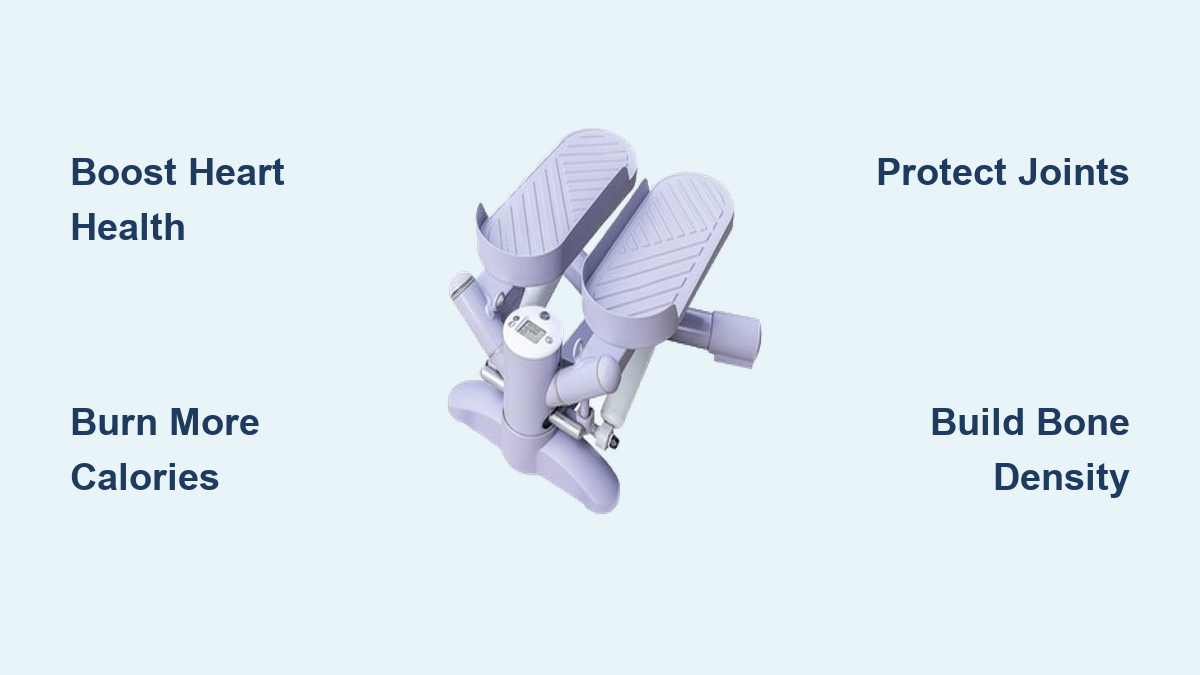
If you’ve ever stepped onto a stair climber and felt your glutes, quads, and heart immediately fire up, you’re not alone. Stepper cardio machines, including full-sized stair steppers, StepMills, and compact mini steppers, are powerful tools for building endurance, burning calories, and strengthening lower-body muscles while protecting your joints. Unlike high-impact running or momentum-driven cycling, steppers force constant muscle engagement through vertical motion, making them one of the most efficient low-impact cardio options available.
Backed by research showing VO2 max improvements of up to 17% in just eight weeks, stepper workouts deliver fast cardiovascular results. They’re also proven to reduce cardiovascular disease risk by 20% with just five daily flights of stairs. Whether you’re rehabbing an injury, aiming to tone your legs, or maximizing fat burn, stepper machines offer scalable intensity for all fitness levels. In this guide, you’ll learn how steppers boost heart health, build strength, protect joints, and outperform other cardio machines, all without leaving the ground.
Maximize Heart Health with Vertical Motion
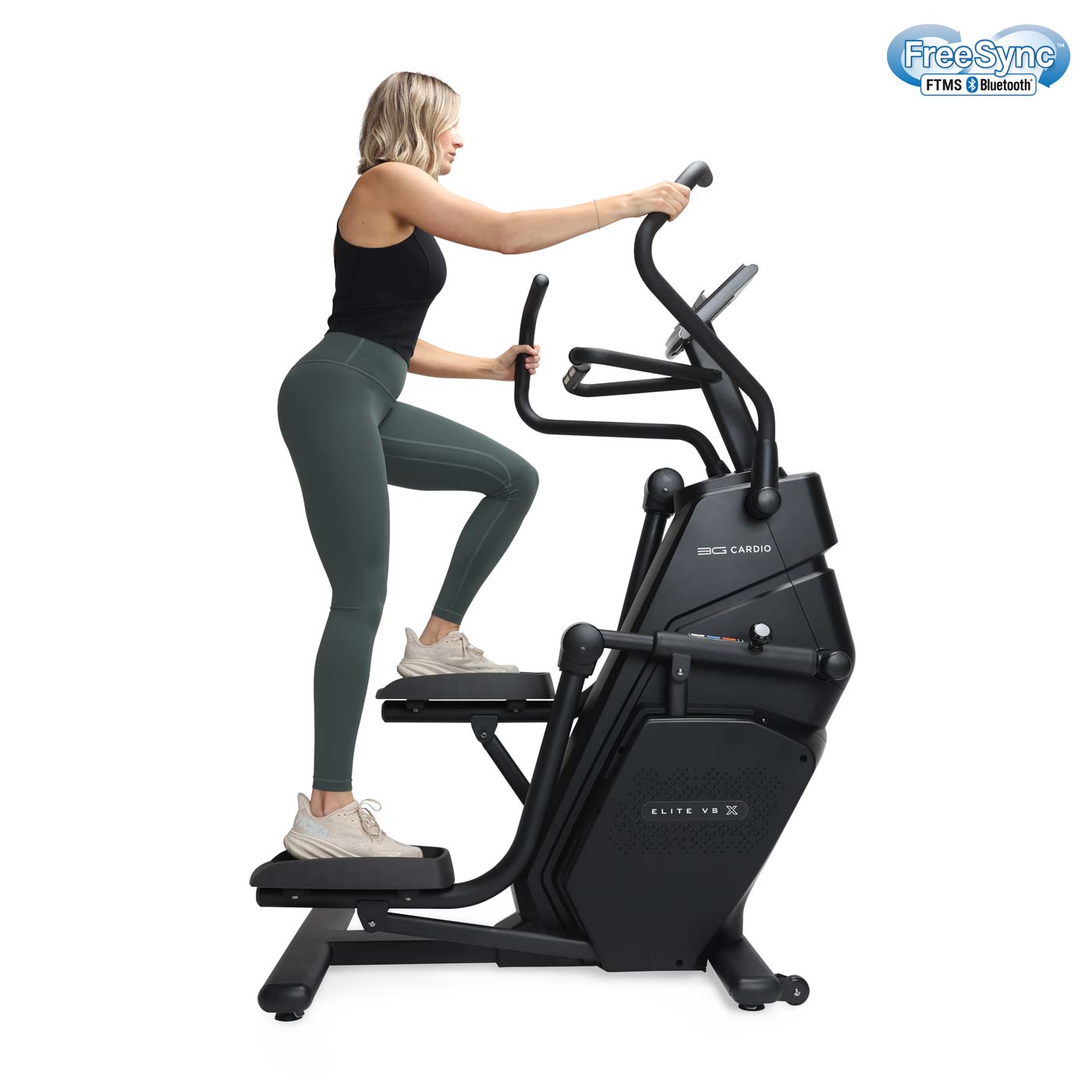
Stepper machines elevate cardiovascular conditioning by leveraging vertical movement, which demands more from your heart than horizontal exercises like walking or cycling.
Why Vertical Motion Boosts Heart Rate
When you climb, your body works against gravity, and your heart must pump harder to circulate blood upward, especially when arms are raised or moving. This increased demand raises heart rate faster and sustains it longer than flat-surface cardio. Studies confirm that stair climbing generates higher cardiac output, improving aerobic capacity (VO2 max) significantly, up to 12% in nine weeks, with some groups like young women seeing 17.1% gains in just eight weeks.
This isn’t just about fitness metrics. A stronger heart means better endurance, lower resting heart rate, and reduced strain on your cardiovascular system over time.
Reduce Cardiovascular Disease Risk
Regular stepper use directly lowers long-term heart disease risk. Climbing the equivalent of five flights of stairs daily, about 50 steps, can reduce cardiovascular disease risk by 20%. That’s because the sustained elevation in heart rate improves circulation, arterial flexibility, and blood pressure regulation.
Consistent stepper workouts are linked to an 8% reduction in blood pressure and better cholesterol profiles. These changes stem from improved vascular function and insulin sensitivity, which are key markers of metabolic and heart health.
Burn More Calories in Less Time
A 30-minute session on a stepper burns 180–250 calories, depending on weight and intensity. That’s often more than walking or cycling at the same perceived effort, thanks to constant resistance and full-body muscle recruitment.
When you add intervals by alternating high-resistance climbs with recovery phases, you trigger EPOC (excess post-exercise oxygen consumption), commonly known as the “afterburn effect.” This keeps your metabolism elevated for hours, enhancing fat loss even after you step off.
Try this 20-minute HIIT plan:
1. Warm-up (2 min): Light pace, low resistance (Level 2–3)
2. Moderate (2 min): Increase resistance (Level 5–6)
3. Sprint (1 min): Max speed, resistance Level 6–7
4. Recovery (2 min): Slow, low resistance (Level 3–4)
5. Hill Climb (2 min): Slow pace, max resistance (Level 8–10)
6. Repeat cycle 2–3 times
7. Cool-down (3 min): Easy pace
This structure maximizes calorie burn and cardiovascular adaptation in minimal time.
Target Lower Body Muscles Efficiently
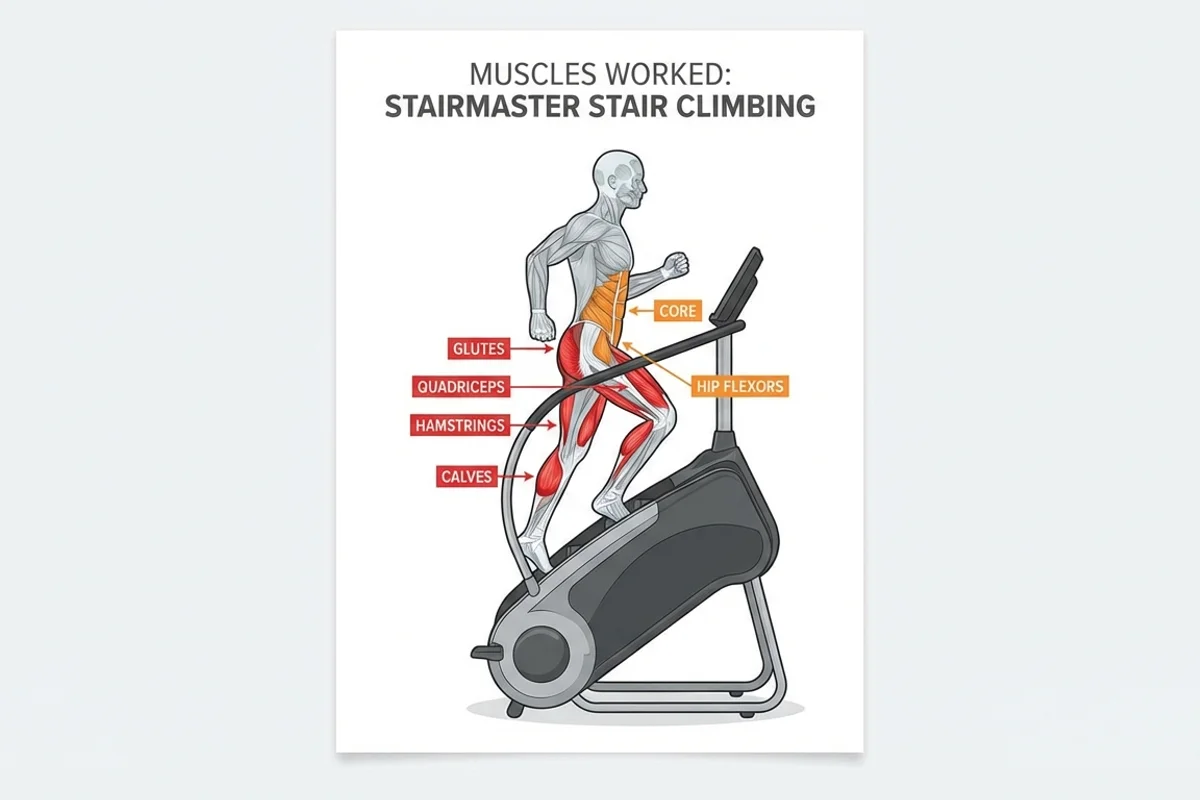
The stepper isn’t just cardio. It’s a dynamic lower-body strength and toning tool that activates your largest muscle groups with every step.
Activate Glutes, Quads, and Hamstrings
Each pedal press mimics a mini-squat or lunge, engaging the entire lower kinetic chain:
– Glutes: Fire hardest during hip extension, especially when you drive through the heel and keep your chest up
– Quadriceps: Work intensely as you straighten the knee to push the pedal down; single-step patterns increase quad focus
– Hamstrings: Engage during the initial push and stabilization; taking deeper steps shifts emphasis here
– Calves: Constantly stabilize the ankle and generate push-off power, especially when using mid-foot or forefoot pressure
Because there’s no coasting phase, muscles stay under tension, making steppers ideal for building endurance and definition.
Boost Core Stability and Posture
Your core works hard to keep you upright. Since pedals move independently, your body makes constant micro-adjustments to stay balanced. This forces your abs, obliques, and lower back to fire continuously.
But only if you use proper form. Leaning on the handrails reduces core and leg engagement by up to 30%. For maximum benefit:
– Stand tall, as if pulled upward by a string at your head
– Keep shoulders back, chest lifted
– Use fingertips on rails only for balance
– Engage your core like you’re bracing for a light punch
This not only improves core endurance but also strengthens postural muscles, reducing lower back pain over time.
Compare to Traditional Strength Training
While steppers don’t replace heavy squats or deadlifts, they offer unique advantages:
– Constant tension: No eccentric overload means less soreness and joint stress
– High-rep endurance: Builds muscular stamina crucial for daily movement and sports
– Joint stability: Strengthens muscles around knees and hips, improving function and reducing injury risk
Use steppers as a supplement to weights or as a joint-friendly alternative during recovery phases.
Protect Joints While Building Strength

One of the stepper’s greatest strengths is its ability to deliver intense workouts without pounding your body, making it ideal for joint health and long-term use.
Low-Impact, High-Return Exercise
Running generates impact forces up to 2.5 times body weight with each stride. Steppers eliminate the “flight phase” since your feet never leave the pedals, so joints absorb minimal shock.
This makes steppers perfect for:
– People with osteoarthritis
– Those recovering from knee or hip injuries
– Older adults managing joint pain
The smooth, controlled motion promotes joint lubrication through increased synovial fluid flow, while strengthening surrounding muscles provides better support and stability.
Strengthen Bones and Prevent Osteoporosis
Despite being low-impact, stepper workouts are weight-bearing, meaning your bones support your body weight against gravity. This loading stimulates bone remodeling, a key process for maintaining density and preventing osteoporosis.
Unlike non-weight-bearing exercises like swimming or cycling, steppers help preserve bone mass in the hips and spine, areas most vulnerable to age-related decline and fractures. Regular use can slow or even reverse bone density loss, especially when combined with adequate nutrition.
Ideal for Rehabilitation and Accessibility
Physical therapists rely on steppers for rehab because of their:
– Adjustable resistance (start light, progress gradually)
– Controlled range of motion
– Balance support via handrails
Modern steppers offer step heights from 4 inches to nearly 8 inches, allowing customization for limited mobility. Users can begin with shallow steps and low resistance, then increase intensity as strength and confidence grow.
Even beginners or those with balance concerns can use steppers safely. Just keep hands lightly on rails and focus on steady, controlled movement.
Outperform Other Cardio Machines
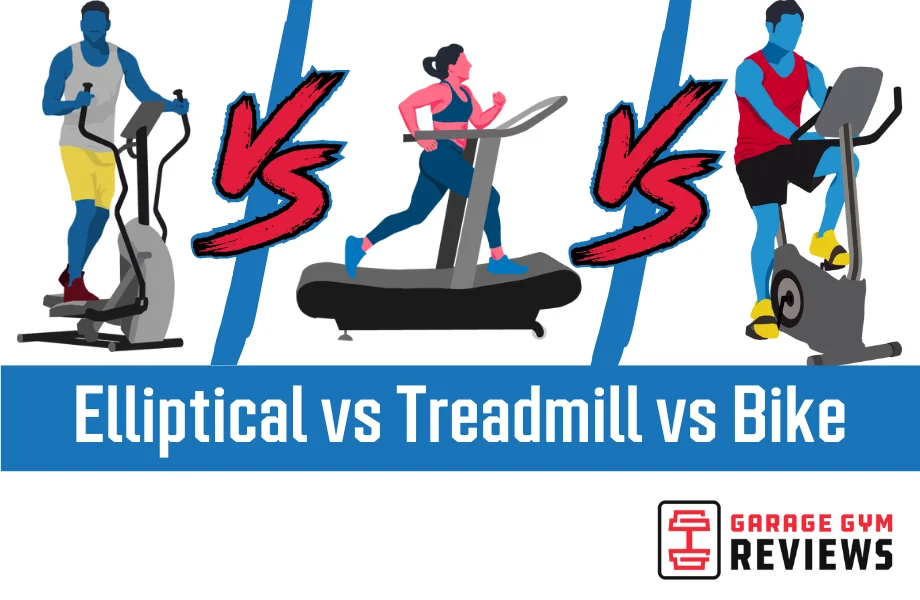
When compared to treadmills, ellipticals, and bikes, steppers offer distinct advantages in muscle engagement, calorie burn, and joint safety.
Stepper vs. Treadmill: Joint Safety Wins
| Factor | Stepper | Treadmill |
|---|---|---|
| Joint Impact | Low (no flight phase) | Moderate to high (impact with each step) |
| Muscle Focus | Quads, glutes, calves, core | Hamstrings, calves, some quads |
| Heart Rate | Higher at same effort due to vertical load | Lower unless sprinting |
| Best For | Joint protection, toning, HIIT | Speed training, endurance running |
Treadmills excel for runners, but if you’re prone to knee pain or want to avoid pounding, the stepper is the smarter long-term choice.
Stepper vs. Elliptical: More Glute Activation
Both are low-impact, but the stepper provides:
– Steeper resistance profile: Forces harder vertical push, increasing glute and quad activation
– Greater core demand: Requires stricter posture; ellipticals allow slouching
– Less upper-body involvement: Ellipticals with moving arms offer a more balanced upper/lower workout
Choose the stepper if your goal is lower-body sculpting and core stability. Pick the elliptical if you want full-body engagement with less strain on legs.
Stepper vs. Stationary Bike: Weight-Bearing Advantage
| Factor | Stepper | Stationary Bike |
|---|---|---|
| Bone Health | Yes (weight-bearing) | No (seated, non-weight-bearing) |
| Core Engagement | High (active stabilization) | Low (seat supports body) |
| Heart Rate | Higher due to larger muscle recruitment | Lower at same effort |
| Best For | Bone density, leg tone, HIIT | Knee rehab, low-back pain |
Bikes are great for joint relief, but they don’t build bone density. Steppers do, making them superior for long-term skeletal health.
Master Technique and Programming
To get the most from your stepper, proper form and smart programming are essential.
Use Correct Form to Maximize Results
Posture: Stand tall, shoulders back, head neutral. No hunching or leaning.
Hands: Light fingertip contact on rails, never bear weight.
Feet: Keep entire foot on pedal. Drive through heel and mid-foot to activate glutes.
Knees: Track over toes. Don’t let them cave inward.
Range of Motion: Let pedals rise fully; avoid locking knees at the top.
Poor form like leaning forward or toe-standing shifts work to calves and reduces glute activation. Focus on quality over speed.
Follow Proven Workout Plans
Beginner (2–3x/week):
– 15–20 minutes steady state
– Low resistance (Level 3–4), moderate pace
– Focus on form and consistency
Intermediate (3–4x/week):
– 25–35 minutes with intervals
– Alternate 3 min moderate (Level 5–6) with 1 min high intensity (Level 7–8)
– Add 1 hill climb session weekly (slow, max resistance)
Advanced (4–5x/week):
– 40–45 minutes with varied formats
– Include sprint intervals, crossover steps, or one-leg focus
– Try hands-free stepping to boost core demand
Progress by increasing resistance, duration, or workout frequency, not just speed.
Prevent Overtraining and Burnout
Even low-impact workouts require recovery. Signs you’re overdoing it:
– Persistent leg soreness
– Knee or hip discomfort
– Fatigue or irritability
Schedule 1–2 rest days per week. Alternate hard stepper days with stretching, yoga, or light walking. This prevents overuse and supports long-term adherence.
Support Mental Health and Long-Term Fitness
Beyond physical gains, stepper workouts enhance mood, focus, and motivation, key to lasting fitness success.
Elevate Mood and Reduce Stress
Like all aerobic exercise, stepping triggers endorphin release, which are natural brain chemicals that reduce stress and boost happiness. The rhythmic, repetitive motion can be meditative, offering a mental break from daily pressures.
Just 20 minutes can improve mental clarity and reduce anxiety. Many users report feeling “centered” after a session, proof that cardio isn’t just for the body.
Build Sustainable, Lifelong Habits
The stepper’s scalability makes it ideal for long-term use:
– Beginners start slow and low
– Athletes push intensity with intervals
– Seniors maintain mobility and bone health
Its low injury risk means fewer workout interruptions. Unlike running, which often leads to overuse injuries, steppers let you train consistently for years.
Plus, compact mini steppers allow desk workouts, perfect for staying active during long workdays.
Frequently Asked Questions About Stepper Cardio Machine Benefits
What muscles does a stepper cardio machine work?
A stepper primarily targets the glutes, quadriceps, hamstrings, and calves. It also engages the core muscles, including the abs, obliques, and lower back, for stabilization and balance throughout each step.
How many calories does a stepper burn in 30 minutes?
A 30-minute stepper workout burns approximately 180–250 calories, depending on body weight and intensity. Adding intervals increases this burn through the afterburn effect (EPOC), which keeps metabolism elevated after exercise.
Is a stepper better than a treadmill for weight loss?
Both machines support weight loss, but the stepper offers higher calorie burn per unit of effort due to constant vertical work against gravity. It also provides lower joint impact, making it safer for consistent long-term use.
Can you use a stepper every day?
Yes, you can use a stepper daily if you vary intensity and listen to your body. Beginners should start with 2–3 sessions per week and gradually increase frequency, always allowing at least one rest day for recovery.
Is a stepper good for bad knees?
Yes, steppers are excellent for bad knees because they eliminate the flight phase found in running. Feet stay in contact with pedals, reducing impact while strengthening the muscles that support and stabilize the knee joint.
Do steppers help with bone density?
Yes, steppers are weight-bearing exercises that stimulate bone remodeling. Regular use helps maintain and build bone density in the hips and spine, reducing the risk of osteoporosis over time.
Key Takeaways for Stepper Cardio Machine Benefits

The stepper cardio machine is a powerhouse of efficiency, combining cardio intensity, muscle toning, and joint protection in one compact workout.
Top 5 Benefits:
1. Heart Health: Improves VO2 max, lowers blood pressure, reduces CVD risk by 20%
2. Calorie Burn: 180–250 calories in 30 minutes, enhanced by EPOC
3. Muscle Toning: Targets glutes, quads, hamstrings, calves, and core
4. Joint Safety: Low-impact design protects knees and hips
5. Bone Density: Weight-bearing action fights osteoporosis
Start Today:
– New to steppers? Try 15 minutes, 2–3x/week at low resistance
– Want faster results? Add 1–2 interval sessions weekly
– Concerned about joints? Use handrails lightly and focus on smooth motion
– Aiming for tone? Drive through heels and keep upright posture
Whether you’re in a gym or using a mini stepper at home, this machine delivers real, measurable results without the wear and tear. Make it a staple in your routine, and feel stronger, fitter, and more energized in just 4–6 weeks.