Winter Cardio Workouts: Stay Fit Indoors
Cold mornings, shorter days, and icy sidewalks make it easy to hit snooze and skip your workout. But winter is one of the most important times to keep moving. Winter cardio workouts aren’t just about maintaining fitness. They’re essential for mood, energy, and long-term health. From boosting mental clarity to burning more fat, cold-weather exercise offers unique benefits most people overlook.
The drop in daylight triggers seasonal fatigue and mood dips, commonly known as the “winter blues” or Seasonal Affective Disorder (SAD). Regular cardio combats this by increasing endorphins and serotonin, improving sleep, and exposing you to natural light. Even 10 minutes outside can reset your circadian rhythm and lift your spirits. Inside or out, you have options. Treadmills, indoor cycling, and bodyweight HIIT keep you active when snow piles up. Outdoor activities like snowshoeing, ice skating, or brisk winter walks burn 400 to 800 calories per hour while building resilience. With smart layering, proper hydration, and realistic goals, you can thrive through the coldest months and emerge stronger in spring.
This guide gives you science-backed strategies, safe routines, and practical motivation to stay consistent no matter the weather.
Maximize Mental Health Benefits

Boost Mood with Outdoor Light Exposure
Sunlight is scarce in winter, but it plays a critical role in regulating your internal clock and mood. Outdoor cardio, even a 15-minute walk at noon, delivers natural light that indoor lighting cannot match. This exposure helps prevent SAD by stabilizing melatonin and serotonin levels.
Aim for midday workouts when the sun is highest. Bundle up, wear UV-protective sunglasses since snow reflects up to 80% of UV rays, and take a route with open sky visibility. No need to push intensity. The goal is light, not exhaustion.
Use Cardio to Reduce Winter Stress
Cold weather increases mental fatigue. Cardio reduces cortisol, the stress hormone, while increasing blood flow to the brain. Just 20 minutes of moderate activity can clear brain fog and improve focus.
Try a brisk walk with a podcast or music playlist to combine movement and mental escape. For indoor days, a rhythmic workout like cycling or elliptical training creates a meditative effect, ideal for unwinding after work.
Maintain Sleep Through Movement
Winter disrupts sleep patterns. Consistent cardio helps reset your body’s rhythm. Morning workouts anchor your day, while evening sessions should finish at least 2 to 3 hours before bed to avoid overstimulation.
Avoid high-intensity intervals late at night. Instead, opt for gentle movement like stretching or a slow walk. Pair this with a regular bedtime to improve sleep quality and reduce daytime sluggishness.
Burn More Fat in Cold Weather

Activate Brown Fat with Winter Exercise
Cold exposure turns white fat into calorie-burning brown fat, especially when combined with movement. This “good fat” generates heat and increases metabolism. Winter cardio outdoors, like jogging, shoveling snow, or cross-country skiing, triggers this transformation in belly and thigh areas.
You don’t need extreme cold. Temperatures between 45°F and 60°F (7°C to 15°C) are effective. Start with 20 to 30 minutes of outdoor activity 3 to 4 times per week. Layer lightly to allow mild cold exposure without shivering.
Increase Calorie Burn Naturally
Your body burns more calories in cold weather just to stay warm. Add cardio, and the effect multiplies. Activities like:
- Snowshoeing: 500 to 700 calories per hour
- Ice skating: 400 to 600 calories per hour
- Shoveling snow: 400 to 600 calories per hour
- Winter hiking: 450 to 650 calories per hour
Even casual play, like a snowball fight or building a snowman, counts. The key is continuous movement.
Pro Tip: Don’t overeat after cold workouts. Your appetite may not reflect actual calorie loss, so listen to your body, not cravings.
Dress for Winter Workout Safety

Layer for Thermoregulation
Dressing wrong ruins winter workouts. Follow the three-layer rule:
- Base Layer: Moisture-wicking fabric (polypropylene or merino wool). Never use cotton, as it traps sweat and cools the body.
- Insulation Layer: Fleece or down to retain heat.
- Outer Layer: Windproof, breathable shell to block snow and wind.
Add accessories:
- Hat: Up to 10% of body heat escapes through the head.
- Gloves: Use liners under insulated gloves for dexterity.
- Socks: Wool blend, not cotton. Avoid tight footwear that reduces circulation.
- Glasses: Protect eyes from wind and snow glare.
Dress as if it’s 15°F (8°C) warmer than it is. You’ll warm up quickly once moving.
Protect Skin from Winter Elements
Cold, dry air and UV reflection from snow increase skin damage risk. Apply broad-spectrum SPF 30+ to face and hands, even on cloudy days. Use lip balm with SPF.
If skin feels tight or stings, you may be developing frostnip, the early stage of frostbite. Warm the area immediately and head indoors. Never ignore numbness.
Hydrate Like It’s Summer
Fight Hidden Dehydration
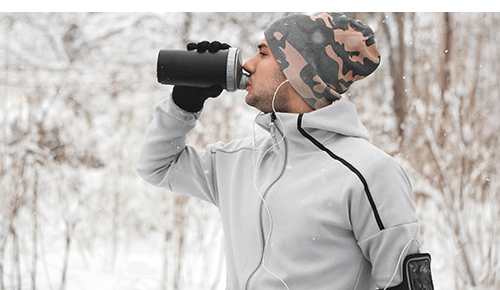
Cold air suppresses thirst, but you still lose water through sweat and breathing. Dehydration causes fatigue, dizziness, and poor performance.
Hydration strategy:
- Drink 16 oz of water before heading out.
- Carry a thermos with warm water or tea.
- Set phone reminders to sip every 20 minutes during long workouts.
- Monitor urine color: pale yellow means hydrated.
Indoor workouts aren’t immune. Central heating dries the air. Keep a water bottle nearby at all times.
Choose the Right Workout Intensity
Use the Talk Test to Gauge Effort
No heart rate monitor? Use the talk test:
- Moderate intensity: You can talk, but not sing.
- Vigorous intensity: You can say a few words, but not a full sentence.
This ensures you’re working hard enough to benefit, but not overexerting in cold conditions.
Hit Target Heart Rate Zones
For measurable progress, aim for:
- 50% to 70% max heart rate: Moderate zone (fat-burning, endurance).
- 70% to 85% max heart rate: Vigorous zone (cardio fitness gains).
Vigorous minutes count double. So 75 minutes of hard effort equals 150 minutes of moderate, meeting weekly guidelines faster.
Use a chest-strap monitor for accuracy. Wrist-based trackers can lag in cold weather.
Run Strong on the Treadmill
Try the Winter Climb Challenge
This incline-focused workout builds endurance and mimics hill running:
- Start at 2% incline, walk or jog at comfortable pace.
- Increase incline by 1% every minute.
- Go up to 10%.
- Cool down at 0% for 5 minutes.
Why it works: Incline increases calorie burn and leg strength without high impact. Great for joint protection in cold months.
Time: 15 to 20 minutes (plus warm-up and cool-down)
Frequency: 2 to 3 times per week
Boost Mood with Interval Runs
Short bursts elevate endorphins fast. Try this:
- 1 minute fast run (70% to 85% effort)
- 2 minutes easy walk or jog
- Repeat 8 to 10 times
Finish with a 5-minute cooldown. This routine fights fatigue and builds stamina, perfect for low-energy winter days.
Cycle Indoors for Energy and Warmth
Ride the Progressive Climb
Indoor cycling warms you fast and supports joint health. This routine builds power gradually:
- Warm up 5 minutes easy.
- Increase resistance every 2 minutes.
- Maintain 80 to 90 RPM cadence.
- Finish with 2 minutes of fast spinning.
Best for: Low-impact cardio, mental focus, and steady calorie burn (400 to 600 per hour).
Sync Music to Intervals
Use your playlist to drive intensity:
- Fast songs = sprint (high resistance or speed)
- Slow songs = recover (low resistance)
Example 30-minute ride:
- 3 fast songs (sprint)
- 3 slow songs (recover)
- Repeat 3 rounds
Music distracts from effort and keeps you consistent.
Use the Elliptical for Joint-Friendly Cardio
Try Full-Body Gliding Motion
Stiff joints? The elliptical offers smooth, zero-impact movement. Alternate directions:
- 2 minutes forward
- 1 minute backward
- Repeat for 20 minutes
Backward motion targets glutes and hamstrings differently, ideal for balancing muscle use.
Maximize Intervals Safely
For fat burn, use this protocol:
- Warm up: 5 minutes moderate
- Sprint: 60 seconds max incline or resistance
- Recover: 60 seconds low resistance
- Repeat for 25 minutes
- Cool down: 5 minutes
This builds endurance without pounding joints, perfect for winter stiffness.
Do HIIT Without Equipment
Complete the 10-Minute Snow Day Circuit
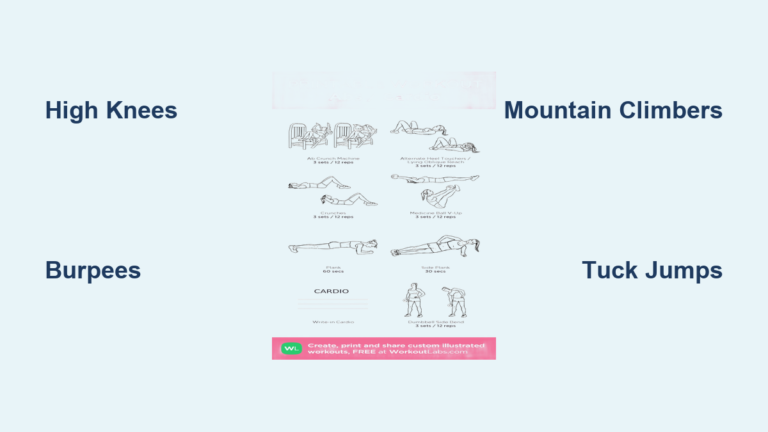
No gear? No problem. This quick routine boosts heart rate and warms you fast:
- 20 seconds Fast Feet (quick steps in place)
- 20 seconds Squat Pulses (small, fast squats)
- 20 seconds Mountain Climbers
- 20 seconds rest
- Repeat 5 rounds
Total time: 10 minutes
Calories burned: ~100 to 150
Do it first thing in the morning to kickstart metabolism.
Build Stamina with Standard Circuits
For longer sessions, use:
- 30 seconds Jumping Jacks
- 30 seconds High Knees
- 30 seconds Alternating Lunges
- 30 seconds Air Squats
- Rest 30 to 45 seconds
- Repeat 3 to 5 rounds
Use a timer app (like Seconds or Interval Timer) to stay on track.
Key: Keep rest periods short to maintain intensity.
Stay Safe on Icy Surfaces
Choose Footing-Conscious Routes
If running or walking outside:
- Stick to plowed or salted paths.
- Avoid shaded areas where ice hides.
- Use traction cleats over shoes for grip.
If footing feels unstable, turn back. One slip can derail weeks of progress.
Use Poles for Stability
Walking poles improve balance in snow and reduce joint strain. Great for hiking, snowshoeing, or long walks on uneven ground.
Even a simple pair of trekking poles adds confidence and engages upper body muscles.
Fuel Your Winter Workouts
Eat for Sustained Energy
Winter cravings lean toward carbs and fats, but balance is key. Prioritize:
- Warm soups with lean protein (chicken, lentils)
- Whole grains (oats, quinoa, brown rice)
- Colorful vegetables (sweet potatoes, kale, carrots)
Avoid heavy meals before workouts. Eat a light snack (banana plus peanut butter) 30 to 60 minutes prior.
Replenish After Cold Sessions
Post-workout nutrition helps recovery and immune function. Within 45 minutes, consume:
- 15 to 20g protein (greek yogurt, shake, eggs)
- Complex carbs (fruit, oats, whole grain toast)
Warm smoothies or herbal teas are comforting and hydrating.
Recover to Prevent Injury
Cool Down Properly
Never skip cooldowns. Cold muscles are prone to strain. Spend 5 to 10 minutes:
- Slow walking or cycling
- Dynamic stretches (arm circles, leg swings)
- Followed by static stretches (hamstring, quad, chest)
Use a foam roller to release tight hips and back, common in winter due to reduced movement.
Try Active Recovery Days
Rest doesn’t mean doing nothing. Light activity boosts circulation and reduces soreness:
- 20-minute walk
- Gentle yoga or tai chi
- Stretching routine
Schedule 1 to 2 active recovery days per week.
Stay Motivated All Season
Join Virtual Challenges
Gamify your routine:
- Sign up for a virtual 5K or step challenge.
- Use apps like Strava or Fitbit to compete with friends.
- Track streaks of 7-day, 30-day, or 100-day.
Seeing progress builds habit momentum.
Make It Enjoyable
If you dread your workout, you won’t stick with it. Mix it up:
- Try Zumba, dance cardio, or racquetball.
- Watch a show while on the treadmill.
- Listen to audiobooks during walks.
Variety prevents burnout and keeps dopamine flowing.
Hire a Trainer (Even Temporarily)
A single session with a trainer can refresh your routine. They’ll correct form, suggest new exercises, and reignite motivation. Many offer virtual sessions, ideal for winter.
Frequently Asked Questions About Winter Cardio Workouts
How long should a winter cardio workout be to see benefits?
Even 10 minutes of movement can make a meaningful difference in maintaining momentum and mood. For measurable fitness gains, aim for 75 minutes of vigorous activity or 150 minutes of moderate activity per week. Vigorous minutes count double toward this goal.
Is it safe to do cardio outdoors in freezing temperatures?
Yes, with proper precautions. Dress in three layers, avoid cotton, protect extremities, and choose routes with good footing. If you have asthma, heart problems, or take specific medications, consult a doctor before starting cold-weather exercise. Stop immediately if you experience intense shivering, slurred speech, or loss of coordination.
Do you burn more calories exercising in cold weather?
Your body does burn more calories in cold weather just to maintain its core temperature. Adding cardio amplifies this effect. Outdoor winter activities like snowshoeing, ice skating, and winter hiking can burn 400 to 800+ calories per hour depending on intensity.
What are the best indoor cardio options for small spaces?
Bodyweight circuits work well in confined areas. Exercises like squats, jumping jacks, high knees, and mountain climbers raise your heart rate without requiring room to run. A yoga mat provides a slip-resistant surface for floor-based movements.
Can winter cardio help with seasonal mood changes?
Yes. Outdoor exercise exposes you to natural light, which helps regulate melatonin and serotonin levels. Cardio also increases endorphin production, reduces cortisol, and improves sleep quality. All of these factors combat the winter blues and Seasonal Affective Disorder.
Should I stretch before or after a winter workout?
Do dynamic stretches before your workout to warm up muscles safely. Static stretching in cold conditions can increase injury risk because cold muscles are less pliable. Save static stretching for your cool-down when blood flow is elevated.
Final Thoughts on Building a Sustainable Winter Cardio Routine
Winter cardio success comes down to three core principles: consistency, adaptability, and safety. Show up even when motivation is low. Ten minutes counts more than zero. Keep a backup plan ready so weather never becomes an excuse. A treadmill, bodyweight circuit, or online video removes barriers on storm days.
Layer properly, hydrate like it’s summer, and choose intensity using the talk test. These simple habits prevent injury and keep you performing at your best. Most importantly, view winter as training season rather than downtime. The discipline you build now creates the foundation for spring performance, better health, and lasting energy.
Start small, stay consistent, and trust the process. Your strongest fitness gains often come when it’s hardest to show up.