Best Cardio Exercises for Scoliosis (2026 Guide)
If you live with scoliosis, you know the spine’s curvature affects more than posture. It impacts breathing, energy levels, and even long-term bone health. Many people assume cardio must be avoided or limited because of these challenges. The truth is, cardio exercises for scoliosis are not only safe, they are essential for managing the condition. From improving lung capacity to boosting bone density and reducing pain, the right kind of cardiovascular activity can transform daily life.
This guide cuts through the myths using evidence-based insights to help you choose the best cardio workouts tailored to your curve, pain level, and goals. You will learn which exercises build strength without strain, how to protect your spine during workouts, and why consistency beats intensity when managing scoliosis long-term.
Choose the Right Impact Level
High-Impact vs. Low-Impact Realities
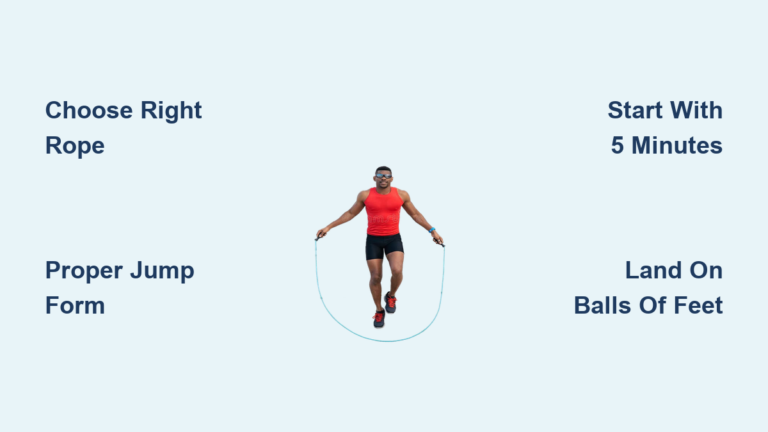
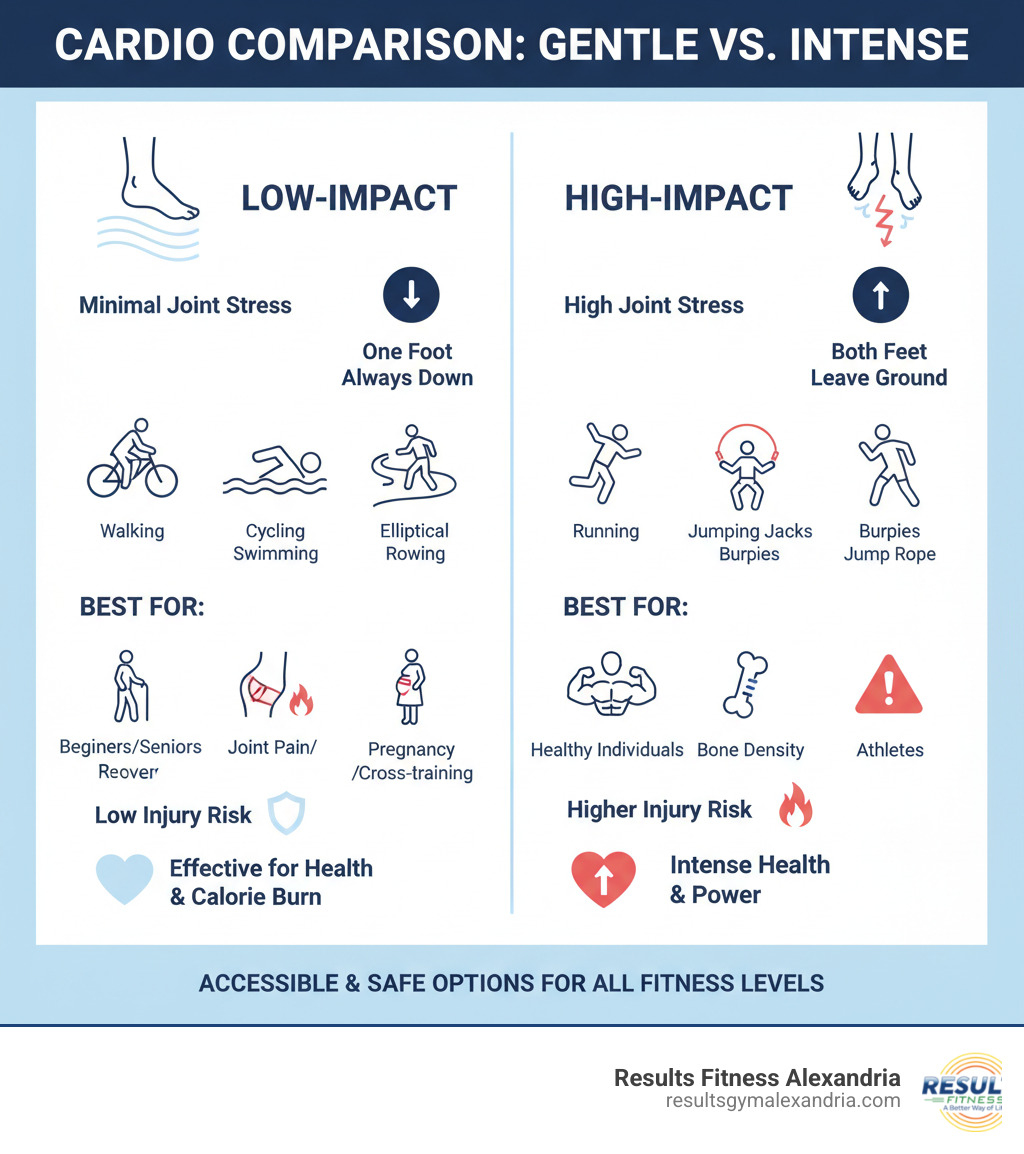
Contrary to popular belief, high-impact cardio is not automatically off-limits for scoliosis patients. In fact, high-impact activities like running and jump-roping can significantly improve bone density, a critical benefit since scoliosis increases osteoporosis risk. When both feet leave the ground during movement, the spine experiences controlled loading forces that stimulate bone remodeling. Suitability depends on individual factors like curve severity, pain levels, and core stability, so professional clearance is essential before starting.
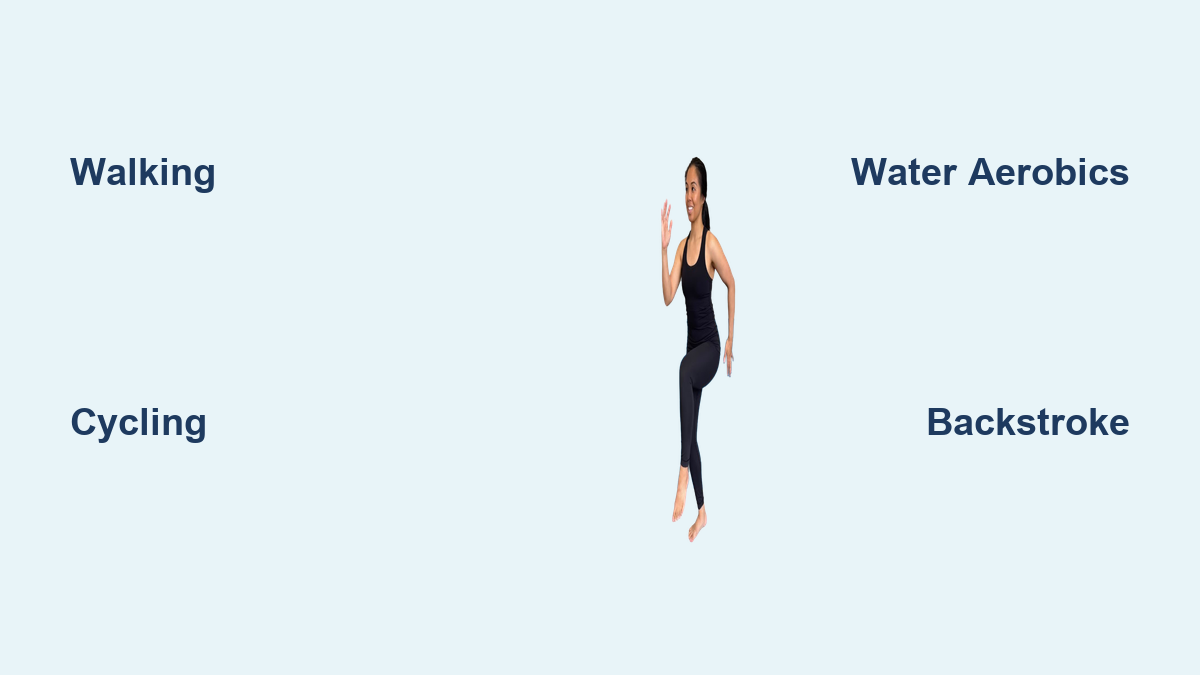
Low-impact alternatives like walking, cycling, and water aerobics are ideal for those with pain sensitivity or contraindications to jarring motion. These activities elevate heart rate while minimizing axial stress on the spine. They offer broad accessibility and can be safely performed daily, making them excellent starting points for beginners.
Match Exercise to Your Scoliosis Profile
Your unique spinal curve determines which cardio options will work best. A mild thoracic curve with no pain may tolerate jogging, while a severe lumbar curve causing nerve compression requires gentler options like swimming or seated cycling. Consider these targeted profiles:
- Osteoporosis-risk patient: Prioritize weight-bearing or high-impact activities (if cleared) to maximize bone mineral density.
- Pain-sensitive patient: Focus on low-compression options like water aerobics or adjustable cycling.
- Beginner or sedentary patient: Start with short walks (10 minutes per day) and gradually increase duration.
Regular DEXA scans and spirometry tests can track bone and lung improvements linked to your cardio routine, helping refine your program over time.
Optimize Bone and Lung Health
Boost Bone Density with Weight-Bearing Activity
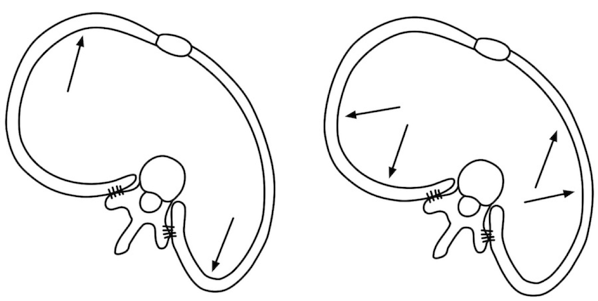
Scoliosis patients face a higher risk of osteoporosis due to altered biomechanics and reduced physical loading. Weight-bearing cardio exercises directly combat this by stimulating osteoblast activity, the cells responsible for bone formation. High-impact movements such as running, jumping rope, or dance-based aerobics generate ground reaction forces that signal bones to strengthen.
Even low-impact walking contributes to bone health, especially when done consistently. To maximize results:
– Aim for at least 30 minutes of weight-bearing activity most days.
– Increase intensity gradually by walking faster or adding inclines.
– Wear supportive footwear to reduce joint stress.
Patients cleared for high-impact training should monitor bone density via DEXA scans every 12 to 18 months to assess progress.
Improve Breathing and Lung Capacity
Spinal curvature often compresses the ribcage, especially on the concave side, restricting lung expansion and impairing diaphragmatic function. This leads to reduced vital capacity and shallow breathing. Cardiovascular exercise counteracts this by strengthening respiratory muscles and promoting deeper, more efficient breaths.
To target lung function:
– Practice expansive breathing exercises before workouts to open the ribcage.
– Choose rhythmic, sustained activities like cycling or brisk walking.
– Monitor improvements with periodic spirometry testing.
Over time, consistent cardio helps balance airflow between both lungs and enhances oxygen delivery throughout the body.
Top Recommended Cardio Activities
Walking: The Foundation Exercise
Walking is universally recommended for scoliosis patients regardless of age, fitness level, or curve severity. It is low-risk, requires no equipment, and delivers measurable benefits from day one.
Why it works:
– Builds bone density through weight-bearing impact.
– Elevates heart rate without jarring the spine.
– Improves mood and reduces stress via endorphin release.
– Can be done indoors or outdoors, ensuring year-round consistency.
How to start:
– Begin with 10-minute daily walks.
– Focus on posture: keep shoulders back, head aligned, and engage core lightly.
– Gradually increase to 30 or more minutes as tolerated.
For added benefit, walk in natural sunlight to boost Vitamin D levels, which is critical for calcium absorption and bone health.
Cycling and Spinning: Customizable Cardio
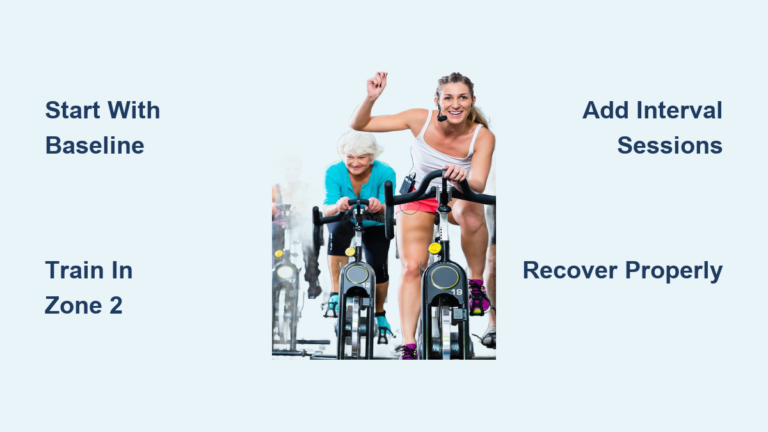
Cycling stands out for its adaptability. Whether using a stationary bike, spin class, or trainer-mounted road bike, you can adjust seat height, handlebar position, and resistance to find a spine-friendly posture.
Key advantages:
– Smooth pedaling motion avoids spinal jolting.
– Seated position supports the lower back.
– Resistance settings allow precise control over intensity.
Tips for comfort:
– Adjust the bike so your back remains neutral; avoid hunching or overextending.
– Use a recumbent bike if traditional models cause discomfort.
– Limit ride duration initially (15 to 20 minutes), then build up.
Many users report improved endurance and reduced back pain when cycling becomes a regular habit.
Water Aerobics: Pain-Free Full-Body Conditioning
Water aerobics is consistently ranked among the safest and most effective cardio options for scoliosis. The buoyancy of water reduces spinal compression by up to 90%, eliminating the jolt that aggravates pain during land-based exercise.
Benefits:
– Allows high heart rate with minimal joint or spine stress.
– Provides natural resistance for muscle conditioning.
– Ideal for flare-ups or post-surgical recovery.
Classes often include dynamic movements that enhance coordination and core activation, both key for spinal support. Unlike lap swimming, water aerobics avoids repetitive rotational motions that may strain certain curves.
Lap Swimming: Proceed with Caution
Swimming presents a paradox in scoliosis research. Some sources list lap swimming as a safe, low-impact cardio choice, while others warn it can actually make scoliosis worse. This contradiction stems from stroke mechanics, since freestyle and butterfly involve torso rotation that may exacerbate specific curvatures.
Guidelines for safe swimming:
– Avoid strokes requiring twisting, such as freestyle or breaststroke.
– Try backstroke, which promotes neutral spinal alignment.
– Limit duration and monitor for post-swim stiffness or pain.
– Prefer water aerobics if unsure, since its safety profile is universal.
Always consult your physical therapist before adding swimming to your routine.
Prevent Pain and Spinal Strain
Pre-Workout: Prepare the Spine
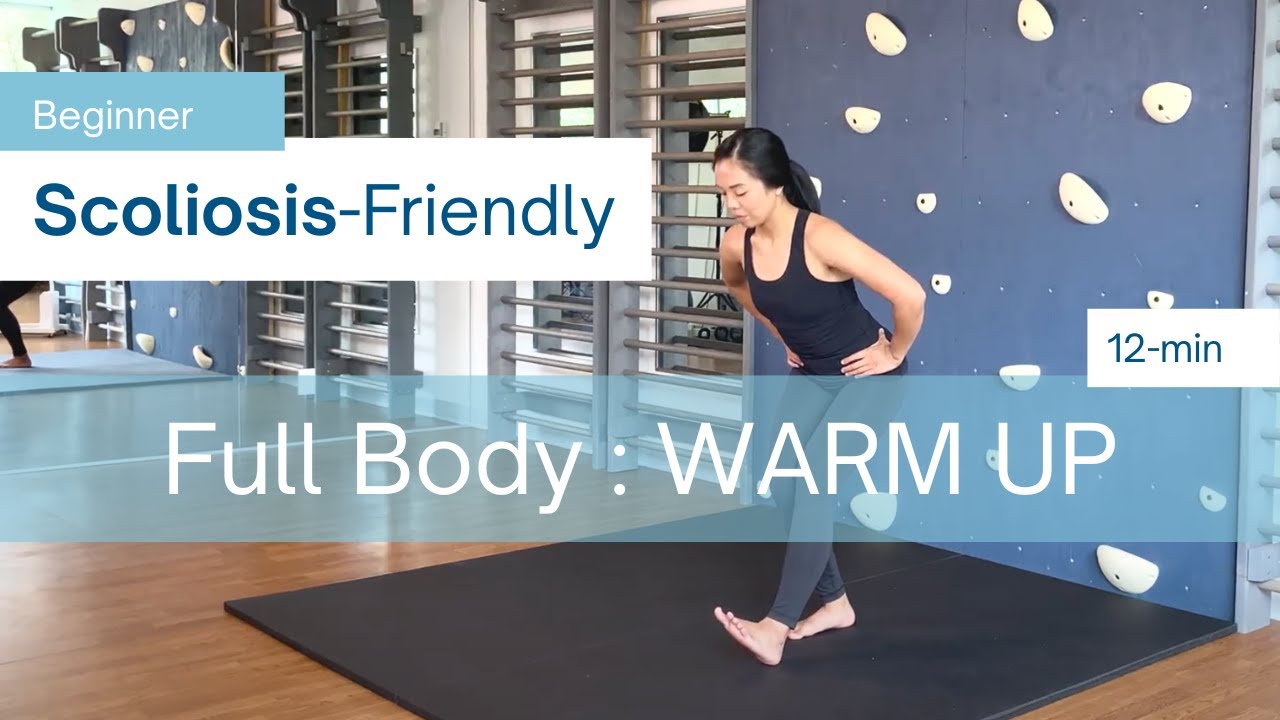
Jumping into cardio without preparation increases injury risk. A proper warm-up primes the body and reduces strain on the scoliotic spine.
Essential pre-workout steps:
1. Perform expansive breathing drills: Inhale deeply through the nose, expanding the ribs laterally (especially on the concave side), then exhale slowly.
2. Do dynamic stretches: Arm circles, cat-cow motions, and gentle torso rolls activate key muscle groups.
3. Engage core lightly: Activate transverse abdominis before movement to stabilize the spine.
These steps help de-rotate the spine and prepare respiratory muscles for increased demand.
Post-Workout: Cool Down and De-Rotate
Failing to cool down can leave the spine in a rotated or compressed state, worsening symptoms over time. A structured cooldown restores balance.
Effective post-exercise routine:
– Walk slowly for 3 to 5 minutes to lower heart rate.
– Perform scoliosis-specific de-rotation stretches as prescribed by your therapist.
– Reapply expansive breathing to reset rib positioning.
– Hydrate and rest lying on your back with knees supported.
This sequence ensures your workout supports, rather than destabilizes, your spinal alignment.
Avoid Common Mistakes
Ignoring Pain Signals
One of the biggest errors is pushing through discomfort. Pain is a warning sign that an exercise may be aggravating your curve or irritating nerves. If you feel sharp pain, increased tightness, or radiating symptoms during or after cardio, stop immediately.
Smart response strategies:
– Modify the activity by shortening stride or reducing resistance.
– Switch to a safer alternative, such as swapping running for walking.
– Reassess with a specialist if pain persists.
Remember: cardio should enhance function, not compromise it.
Overlooking Equipment Setup
Poor bike fit or worn-out shoes can turn a safe workout into a spinal stressor. Misaligned handlebars or an improperly adjusted seat force the spine into awkward positions, increasing asymmetrical loading.
Fix your form:
– Have a trainer or therapist check your bike setup.
– Replace running shoes every 300 to 500 miles.
– Use orthotics if you have leg length discrepancies.
A few minutes of adjustment can prevent months of discomfort.
Skipping Professional Guidance
No two scoliosis cases are alike. What works for one person may harm another. Assuming all cardio is safe, or that all high-impact exercise is dangerous, leads to poor outcomes.
Always consult before starting:
– Your physical therapist (for movement safety).
– Your orthopedic specialist (for structural clearance).
– A certified trainer experienced in spinal conditions.
They can help you create a personalized plan based on your Cobb angle, curve pattern, and symptoms.
Build a Sustainable Routine
Start Small, Stay Consistent
Intensity matters less than consistency. A daily 10-minute walk builds more long-term resilience than an occasional 60-minute spin class. Focus on forming a habit first, then gradually increase duration and effort.
Sample beginner plan:
– Week 1 to 2: 10-minute walk, 5 days per week
– Week 3 to 4: 15-minute walk or bike ride, 5 days per week
– Week 5 and beyond: Add 5 minutes weekly until reaching 30 minutes
Track progress with a journal noting energy, pain, and mood.
Combine Cardio with Corrective Care
Cardio alone will not correct spinal curvature. For lasting results, integrate it with scoliosis-specific exercises such as SEAS (Scientific Exercise Approach to Scoliosis), the Schroth method, or auto-correction techniques.
Example weekly structure:
– Monday: Walking plus breathing exercises
– Tuesday: Schroth session
– Wednesday: Water aerobics
– Thursday: Rest or gentle stretching
– Friday: Cycling plus de-rotation drills
– Saturday: Short hike
– Sunday: Recovery and posture check
This holistic approach maximizes functional improvement.
Track Progress Beyond the Scale
Do not measure success only by calories burned or weight lost. For scoliosis patients, key indicators include:
– Reduced back pain (track using a 0 to 10 scale)
– Improved breathing ease
– Increased walking endurance
– Better sleep and mood
– Stable or improved bone density (via DEXA)
Celebrate these wins, as they reflect real health gains.
Frequently Asked Questions About Cardio Exercises for Scoliosis
Is running safe for scoliosis patients?
Running can be safe for many scoliosis patients, particularly those with mild curves and good core stability. It offers significant bone density benefits, which is crucial for osteoporosis prevention. However, running can jolt the spine and may worsen lower back pain for some individuals. Always get professional clearance before starting a running program.
What is the best cardio exercise for scoliosis?
Water aerobics is widely considered the safest and most universally beneficial cardio for scoliosis. The buoyancy of water reduces spinal compression by up to 90%, allowing for high-intensity cardiovascular work without pain. Walking is the next best option due to its accessibility and low risk profile.
Can swimming make scoliosis worse?
The answer depends on the source and the individual. Some experts list lap swimming as safe, while others warn that rotational strokes like freestyle and butterfly can aggravate certain curves. Backstroke is generally safer due to its neutral spinal alignment. Water aerobics is a better choice if you are unsure about lap swimming.
How often should scoliosis patients do cardio?
Consistency matters more than duration. Most patients benefit from 30 minutes of weight-bearing cardio most days of the week. Beginners should start with 10-minute sessions and gradually build up. Daily activity, even in short bursts, produces better long-term results than sporadic intense workouts.
Should I avoid high-impact exercise with scoliosis?
Not necessarily. High-impact exercises like running, jumping rope, and dancing can significantly improve bone density and spinal stability. However, they require professional evaluation based on your curve severity and pain levels. Patients with poor core stability or severe pain should stick to low-impact options until cleared for higher intensity.
How do I know if my cardio routine is working?
Track multiple metrics beyond weight or calories. Use a 0 to 10 pain scale before and after exercise, monitor breathing ease during activity, and schedule periodic DEXA scans and spirometry tests. Improvements in endurance, mood, sleep quality, and stable bone density are all signs your routine is effective.
Key Takeaways for Choosing Cardio Exercises for Scoliosis
Cardio exercises for scoliosis are not just safe; they are a cornerstone of long-term spinal health. Walking, cycling, and water aerobics offer the best balance of safety and effectiveness for most patients, while cleared individuals can benefit from running and other high-impact activities. The key is personalization: match your workout to your curve, prioritize form over speed, and always listen to your body. Start with a 10-minute walk today, consult your physical therapist for a tailored plan, and build consistency one session at a time.