Best Cardio Exercises for Handicapped Adults (2026)
Cardio exercises for handicapped individuals are not only possible, they are essential for long-term health, independence, and mental well-being. Whether you use a wheelchair, have limited lower-body mobility, or manage a chronic condition like arthritis or spinal cord injury, targeted cardiovascular workouts can dramatically improve heart health, energy levels, and daily function. The key is adapting traditional cardio to fit individual capabilities without compromising intensity or effectiveness.
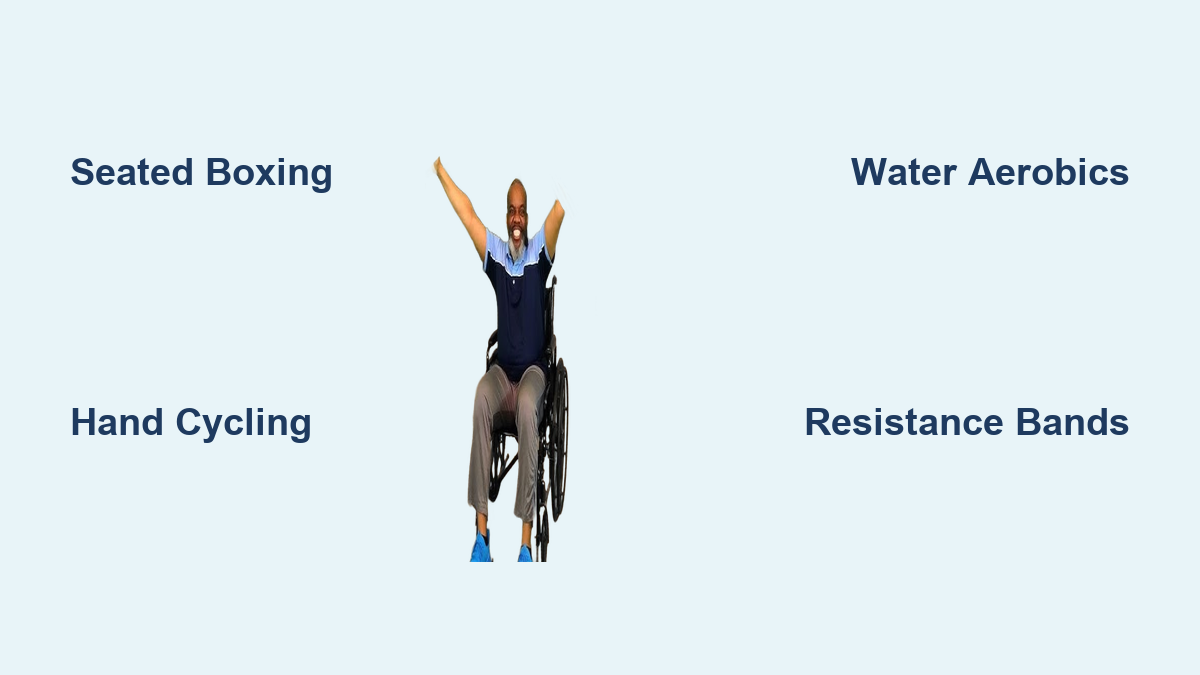
Contrary to outdated beliefs, physical limitations do not exclude anyone from reaping the rewards of aerobic activity. The U.S. Department of Health and Human Services recommends that adults with disabilities aim for at least 150 minutes of moderate-intensity cardio per week, the same guideline as for ambulatory adults. This includes activities like seated boxing, hand cycling, water aerobics, and resistance-based interval training, all proven to elevate heart rate and enhance endurance.
This guide delivers actionable, safe, and inclusive cardio strategies tailored to disabled individuals. You will learn how to build endurance from a seated position, leverage adaptive equipment, avoid injury, and overcome common psychological barriers. Whether you are restarting fitness after injury or seeking sustainable ways to stay active, these techniques will help you move confidently and consistently.
Boost Heart Health and Daily Independence
Improving cardiovascular fitness goes far beyond building stamina. It directly enhances everyday living for wheelchair users and those with mobility impairments. Stronger upper-body muscles mean easier wheelchair propulsion, reduced fatigue during daily tasks, and greater independence in reaching, lifting, and transferring. But the benefits extend well beyond mechanics.
Enhance Daily Function and Mobility
Regular cardio strengthens the heart and lungs, allowing your body to deliver oxygen more efficiently. This translates into real-world gains like less breathlessness when navigating ramps, more endurance during transfers, and improved control over movements that require sustained effort. Pushing a manual wheelchair over uneven terrain becomes significantly easier with better cardiovascular conditioning.
Coordinated arm and leg exercises performed on linked pedal systems stimulate blood flow, which is crucial for preventing pressure sores in individuals with spinal cord injuries. Improved circulation also supports skin integrity and reduces swelling in inactive limbs.
Improve Mental Wellness Through Movement
Exercise triggers endorphin release, naturally boosting mood, reducing anxiety, and combating depression. For individuals adjusting to disability or managing chronic pain, inactivity often leads to low energy and emotional fatigue. Consistent movement, even in modified forms, can reverse this cycle.
Research shows that regular physical activity treats mild to moderate depression as effectively as medication, without side effects. It also sharpens focus, increases self-esteem, and fosters a sense of accomplishment. Over time, these psychological shifts reinforce motivation, making it easier to stick with a routine.
Follow Official Activity Guidelines
Meeting national fitness standards is achievable for most people with disabilities when routines are adapted to individual capacity. The U.S. Department of Health and Human Services outlines clear benchmarks while allowing flexibility for those with severe limitations.
Weekly Targets for Optimal Health
Adults with disabilities should aim for:
– 150 minutes of moderate-intensity cardio per week
– 75 minutes of vigorous-intensity cardio per week as an alternative
– Two or more days of strength training targeting all major muscle groups
Each cardio session should last at least 10 minutes to count toward weekly goals. Examples include 30 minutes of seated aerobics five times a week or 25 minutes of hand cycling three times weekly.
If full guidelines are not feasible due to medical complexity, the priority shifts to avoiding total inactivity. Even short bouts of movement, like 5-minute seated marches, offer meaningful benefits when done regularly.
Build Fitness Gradually and Safely
Beginners should start slowly to prevent burnout or injury.
– Frequency: Begin with 2 sessions per week, combining light cardio and resistance work.
– Duration: Start with 5 to 10 minutes of moderate activity, gradually increasing to 20 to 30 minutes.
– Intensity: Use the talk test. During moderate exercise, you should be able to speak but not sing.
As endurance improves, increase frequency to 3 to 5 days per week and incorporate higher-intensity intervals. Progression is personal, and consistency matters more than speed.
Choose the Right Cardio Type

Not all cardio looks the same, and it should not be one-size-fits-all. Adaptive options ensure everyone can find an effective, enjoyable way to raise their heart rate. Below are four primary categories, each suited to different needs and environments.
Seated and Wheelchair-Based Options
These workouts use upper-body motion to drive aerobic response while seated.
– Chair Aerobics: Repetitive arm lifts, shoulder rolls, and torso twists performed in a stable chair.
– Wheelchair Propulsion: Pushing manually over varied terrain like inclines or tracks builds endurance.
– Seated Boxing: Punching combinations in the air or at a bag boost intensity and coordination.
– Rapid Resistance Moves: Using resistance bands under the chair for fast chest presses at high reps (20 to 30).
These exercises are ideal for home use, require minimal equipment, and can be scaled easily.
Water-Based Activities
Aquatic exercise reduces joint stress while providing natural resistance.
– Swimming: With or without flotation aids, swimming engages multiple muscle groups.
– Aqua Jogging: Running in water using a flotation belt, excellent for those with foot or joint pain.
– Water Aerobics: Group classes often offered by YMCAs and community centers.
The buoyancy of water supports body weight, making movement safer and less painful, especially for individuals with obesity or arthritis.
Equipment-Assisted Workouts
Specialized machines enable full-body or isolated cardio.
– Hand Cycles: Arm-powered bikes that build upper-body endurance, available as standalone units or wheelchair attachments.
– Portable Pedalers: Compact devices for leg or arm pedaling while seated at a desk or couch.
– Seated Ellipticals: Provide smooth, coordinated motion accessible from a wheelchair.
– FES Bikes: Use electrical stimulation to activate paralyzed leg muscles during cycling.
These tools allow structured, measurable workouts and are particularly effective for long-term progression.
Lifestyle Integration
Daily activities count as cardio if they elevate heart rate.
– Gardening, sweeping, washing the car
– Walking to the store or pacing during phone calls
– Stair climbing for those with partial mobility
Even brief bursts of movement add up. Tracking steps via smartphone or fitness app helps quantify progress.
Use Adaptive Equipment Effectively
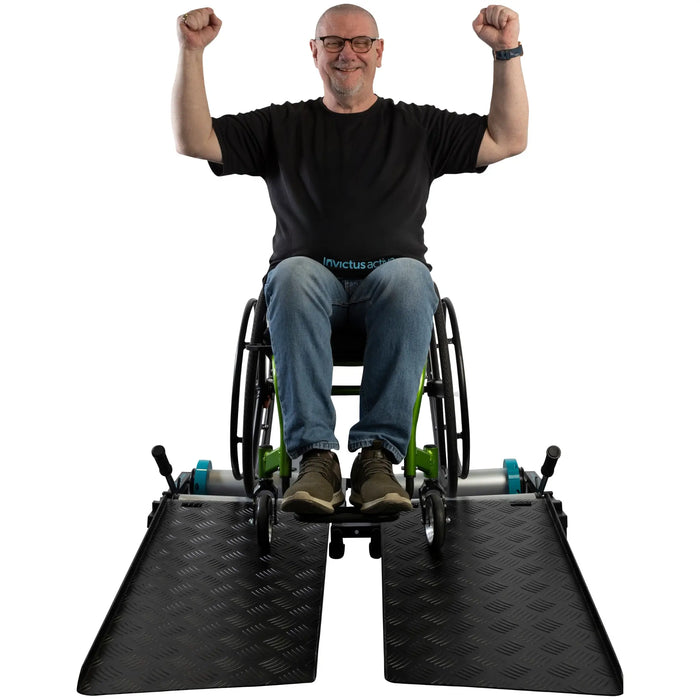
The right tools make cardio accessible, measurable, and engaging. From low-cost aids to high-tech systems, adaptive equipment bridges the gap between ability and performance.
Top Adaptive Machines Compared
| Equipment | Cost | Best For | Key Features |
|---|---|---|---|
| Invictus Active Trainer | £799+ | Wheelchair users wanting tech integration | Uses personal wheelchair; tracks speed, distance, heart rate; includes workout videos |
| YouBike | £1,395+ | Spinal injury patients needing limb coordination | Linked arm-leg pedals; foldable; usable from bed; supports circulation |
| Berkel Bike | £6,995+ | Users with paralysis needing FES | Combines hand cycling with Functional Electrical Stimulation; supports virtual racing |
| Portable Pedaler | Low/Mid | Sedentary workers or beginners | Simple, quiet device; use under desk or TV |
| Resistance Bands | Low | All levels; home workouts | Anchorable to furniture; ideal for rapid-rep cardio and strength |
Maximize Low-Cost Tools
Resistance bands and portable pedalers offer high value for minimal investment.
– Bands: Wrap under chair for rapid chest presses. Start with light tension and 20 reps per set.
– Pedalers: Use 10 to 15 minutes while watching TV. Can be used with hands or feet.
Both tools integrate seamlessly into daily life and support gradual progression.
Apply Proven Workout Protocols
Structure matters. Following evidence-based formats ensures safety, effectiveness, and measurable improvement.
Try HIIT in Your Chair
High-Intensity Interval Training delivers maximum benefit in minimal time.
– Format: 5 exercises repeated 4 rounds
– Timing: 30 seconds work, 30 seconds rest
– Duration: Approximately 20 minutes
– Example Exercises:
1. Seated boxing jabs
2. Rapid band chest presses
3. Shoulder press with light dumbbells
4. Torso twists with medicine ball
5. Arm circles (forward and backward)
Beginners can reduce intensity or extend rest periods. Aim for vigorous effort during work intervals where you feel breathless.
Build Endurance with Rapid Resistance
Turn strength moves into cardio using tempo and volume.
– Setup: Anchor resistance band under chair
– Movement: Chest press with 1-second up, 2-second down
– Reps: 20 to 30 per set
– Progression: Add sets, reduce rest, increase resistance
This protocol elevates heart rate while building muscle, a dual benefit ideal for limited-mobility users.
Combine Strength and Cardio
Hybrid routines maximize efficiency.
– Option 1: 10-minute seated boxing followed by 3 sets of band rows and shoulder presses (8 to 12 reps)
– Option 2: 15-minute handbike session followed by 2 sets of resistance band squats (if leg movement possible)
Alternate cardio and strength blocks to maintain intensity and prevent fatigue.
Access Free Video Workouts

No equipment? No problem. Verified online routines offer guided, scalable workouts.
Trusted YouTube Channels and Programs
- WheelyGoodFitness: No-equipment aerobics ending with stretching; suitable for seated and standing.
- Adapt to Perform (Ben Clark): Seated cardio and strength series with clear cues.
- Kym Perfetto: 16-minute full-body seated workout focusing on strength and cardio.
- British Blind Sport: HIIT videos designed for visually impaired users.
- Living Options Devon: Workouts with BSL (British Sign Language) and subtitles.
-
MovewithMencap: Short, simple routines including twists, marches, and seated jumps.
These resources accommodate diverse needs and promote inclusivity.
Prioritize Safety and Medical Clearance
Before starting any program, consult your doctor, especially if managing diabetes, heart disease, or spinal injury.
Get Medical Approval First
Ask your physician:
– What activities are safe?
– How much exercise can I do daily?
– Are there movements I should avoid?
This step prevents complications and ensures your routine aligns with your health status.
Recognize Warning Signs
Stop exercising immediately if you experience:
– Pain or discomfort
– Chest pain or irregular heartbeat
– Dizziness, nausea, or lightheadedness
– Shortness of breath
– Clammy hands
If pain persists beyond 15 minutes, shorten future sessions and increase frequency instead of duration.
Prepare Your Environment
Safety starts with setup:
– Secure your wheelchair by applying brakes or locking wheels
– Sit in a 90-degree position with knees bent and feet flat if possible
– Wear supportive clothing and shoes
– Stay hydrated before, during, and after
– Warm up with arm swings and shoulder rolls
– Cool down with gentle stretches
Avoid deep stretching on cold muscles.
Overcome Mental Barriers
Motivation often falters not from physical limits but from emotional hurdles.
Address Common Psychological Challenges
- Fear of injury: Start with low-risk activities like water aerobics, chair walks, or walking.
- Feeling self-conscious: Exercise at home, join disability-specific classes, or hire a private trainer.
- Lack of motivation: Focus on immediate benefits like better sleep, less stress, and improved mood.
- Boredom: Listen to music, watch TV, or try exergames such as boxing or tennis games on console.
- Feeling uncoordinated: Choose simple, repetitive motions like cycling, marching in place, or arm pumps.
Make It Social and Sustainable
- Join a team: Wheelchair rugby, blind football, or adaptive golf foster connection and accountability.
- Find a partner: Train with a friend or family member.
- Set micro-goals: Committing to 5 minutes today often leads to 15.
- Track progress: Use apps or journals to log workouts and mood changes.
Habit formation takes about one month, so stay consistent rather than perfect.
Join Adaptive Sports and Communities
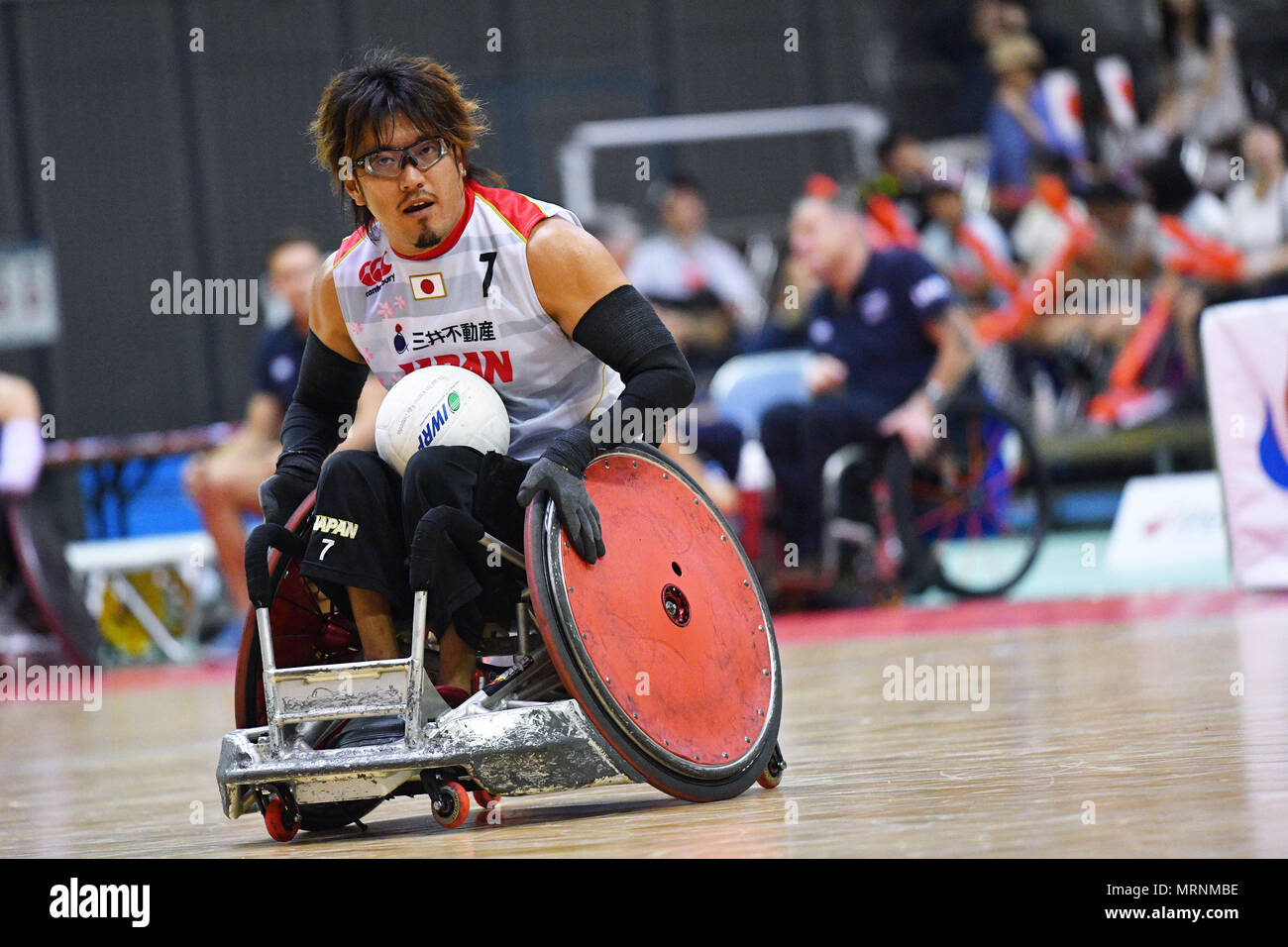
Beyond fitness, adaptive sports offer purpose, competition, and community.
Explore Paralympic and Recreational Options
- Blind Football (Soccer)
- Wheelchair Rugby
- Wheelchair Golf
- Adaptive Rowing
These sports build skill, confidence, and social bonds.
Connect with Supportive Organizations
- Get Yourself Active (Disability Rights UK): Offers free guides on seated yoga, dance, strength, and cardio. Email GYAInfo@disabilityrightsuk.org for access.
- British Blind Sport: Provides inclusive HIIT and sport-specific training.
- Mencap: Shares easy-to-follow #MovewithMencap videos.
- Yoga with Adriene: Gentle wheelchair-friendly yoga flows for relaxation and mobility.
These platforms ensure no one exercises alone.
Frequently Asked Questions About Cardio Exercises for Handicapped Individuals
What are the best cardio exercises for someone who is wheelchair-bound?
Seated boxing, chair aerobics, wheelchair propulsion over varied terrain, and rapid resistance band movements are highly effective. Equipment-assisted options like hand cycles and FES bikes also provide excellent cardiovascular workouts for wheelchair users.
How much cardio should a disabled person do per week?
According to the U.S. Department of Health and Human Services, adults with disabilities should aim for at least 150 minutes of moderate-intensity cardio per week, or 75 minutes of vigorous-intensity cardio, with sessions lasting at least 10 minutes each.
Can cardio exercise help with mental health for people with disabilities?
Yes. Regular physical activity triggers endorphin release, which boosts mood, reduces anxiety, and combats depression. Studies show it can treat mild to moderate depression as effectively as medication, without the side effects.
Is it safe to do HIIT in a wheelchair?
HIIT is safe and effective for wheelchair users when properly modified. A typical protocol involves 5 exercises repeated 4 times with 30 seconds of work and 30 seconds of rest. Beginners should reduce intensity or extend rest periods as needed.
What should I do before starting a cardio routine as a handicapped individual?
Consult your doctor or physical therapist first, especially if you have diabetes, heart disease, or spinal cord injury. Secure your wheelchair, wear supportive clothing, stay hydrated, and always warm up before exercising.
Are there affordable adaptive cardio options for home use?
Yes. Resistance bands and portable pedal exercisers are low-cost tools that deliver excellent results. Resistance bands can be anchored under a chair for rapid chest presses, while portable pedalers can be used while watching TV or working at a desk.
Key Takeaways for Building a Sustainable Cardio Routine
Cardio exercises for handicapped individuals are not a compromise; they are a powerful path to health, independence, and joy. By choosing the right type of activity, using adaptive tools, and following safe, structured routines, anyone can improve heart function, boost mood, and enhance daily life.
Start with just 5 to 10 minutes of moderate activity twice per week, then gradually increase duration and frequency as your endurance builds. Mix seated cardio, strength work, and lifestyle movement to keep your routine varied and engaging. Most importantly, consult your healthcare provider before beginning, listen to your body, and celebrate every bit of progress along the way.