Best Cardio Exercises at Home for Seniors (2026 Guide)
Staying active becomes more important than ever as we age, yet many seniors face barriers to leaving the house such as poor weather, mobility issues, or limited access to gyms. The good news? You don’t need fancy equipment or a commute to get effective cardio. Cardio exercises at home for seniors can be safe, simple, and highly beneficial, helping maintain heart health, boost energy, and preserve independence.
Research shows only about 14% of adults over 65 meet national physical activity guidelines. But even small amounts of movement make a real difference. According to the CDC and American Heart Association, just 150 minutes per week of moderate-intensity cardio (about 30 minutes a day, five days a week) can significantly reduce the risk of heart disease, improve balance, and enhance brain function. The key is consistency, safety, and choosing activities that fit your ability and lifestyle.
This guide delivers a practical, science-backed plan for effective at-home cardio routines designed specifically for seniors. You’ll learn how to measure intensity safely, follow structured workouts with zero equipment, modify movements for mobility limits, and integrate strength and balance for long-term health, all from the comfort of home.
Start with Safety First
Before beginning any new exercise routine, especially if you have heart conditions, joint pain, or balance concerns, consult your doctor. Once cleared, set up your space to prevent falls: clear clutter, wear supportive shoes, keep water nearby, and place a sturdy chair or wall within reach for balance support.
Essential Safety Steps Before Every Workout
Always begin with a warm-up and end with a cool-down. Jumping straight into movement increases injury risk, while skipping recovery can lead to stiffness and dizziness. A proper warm-up gradually raises your heart rate, loosens joints, and prepares muscles for activity.
Warning signs to stop immediately:
– Chest pain or pressure
– Dizziness or lightheadedness
– Shortness of breath beyond normal effort
– Irregular heartbeat
If any of these occur, sit down, rest, and seek medical attention if symptoms persist. Prioritize good form over speed, keep breathing steadily, and never hold your breath during exertion.
Know Your Intensity Level
How hard should you work? It depends on your fitness level. The 10-point exertion scale and Talk Test are simple tools to guide you safely through any cardio exercises at home for seniors.
- Moderate intensity (5–6/10): Breathing harder, heart beating faster. You can talk but cannot sing.
- Vigorous intensity (7–8/10): Speaking more than a few words is difficult without pausing for breath.
Most seniors should aim for moderate effort during home workouts. If you’re managing a heart condition, stick to the Talk Test. If conversation isn’t possible, slow down. During home circuits, seniors generally should not exceed a 7 on this scale unless cleared by a professional.
Build a 10-Minute Home Cardio Circuit
You don’t need hours to benefit. A short, structured 10-minute cardio circuit can elevate your heart rate, improve coordination, and challenge your brain while using only floor space and a chair.
Perform each exercise for the recommended time, moving from one to the next with minimal rest. Complete the full circuit once, and repeat if you feel strong. This circuit is one of the best cardio exercises at home for seniors because it requires no equipment.
March and Tap
Duration: 30 seconds
Stand tall and march in place, lifting knees as high as comfortable. As your right knee lifts, tap it with your left hand. Alternate sides: left knee with right hand.
Why it works: Engages large leg muscles, increases circulation, and adds coordination.
Modifications:
– Easier: March without tapping or hold a chair for balance.
– Harder: Lift knees higher or add double taps per side.
Visual cue: Keep your back straight and land softly on your feet.
Crossover Toe Tap
Duration: 1 minute
Step your right foot forward and across your body, tapping the floor. Return to start. Repeat with the left foot. Continue alternating in a smooth, rhythmic motion.
Why it works: Works hip mobility, balance, and cardiovascular endurance.
Modifications:
– Easier: Slow the pace or reduce step width.
– Harder: Speed up or take wider steps to increase range of motion.
Pro tip: Let your arms swing naturally or hold them out for balance.
Side to Side Toe Tap
Duration: 1 minute
Bend your knees slightly and hinge at the hips. Step to the right, tap the floor, then bring your left foot to meet it. Step left, tap, and return.
Why it works: Activates glutes and inner thighs while improving lateral movement control.
Modifications:
– Easier: Stay more upright and step slowly.
– Harder: Lower into a deeper squat or add a clap after each tap.
Expert note: This movement mimics real-life actions like reaching sideways, making it great for fall prevention.
Step Back Jack
Duration: 1 minute
Step one foot back while bringing both hands together in front of your chest. Return. Alternate legs.
Variation (Pulses): Step back and pulse up and down five times before returning. Switch legs.
Why it works: Combines lower-body movement with arm motion to boost heart rate.
Modifications:
– Easier: Skip the pulses and just step and return.
– Harder: Raise arms out to the sides (like a jumping jack) as you step back.
Common mistake: Leaning too far forward. Keep your chest lifted.
Skater Tap
Duration: 1 minute
Step your right foot back and across behind your body (like a curtsy), tapping the floor. Return. Repeat with the left foot.
Why it works: Challenges balance and works the outer hips, which are key for stability.
Coordination boost: Add claps: single clap on left step, double on right, triple on left, and repeat.
Modifications:
– Easier: Take smaller steps or skip the claps.
– Harder: Increase step width or add more claps.
Time-saving tip: This exercise builds neural connections while elevating your heart rate.
Squat Pulse
Duration: 30 seconds
Stand with feet hip-width apart. Lower into a shallow squat, hands in front of chest. Pulse once, then stand. Lower again, pulse twice, then stand. Continue the 1-2-3 pulse pattern.
Why it works: Builds leg strength and endurance in a functional movement pattern.
Chair modification: Sit in a chair, hover just above the seat, and pulse 1-2-3 before sitting back down.
Visual cue: Keep your knees behind your toes and back straight.
Adapt Workouts for Limited Mobility
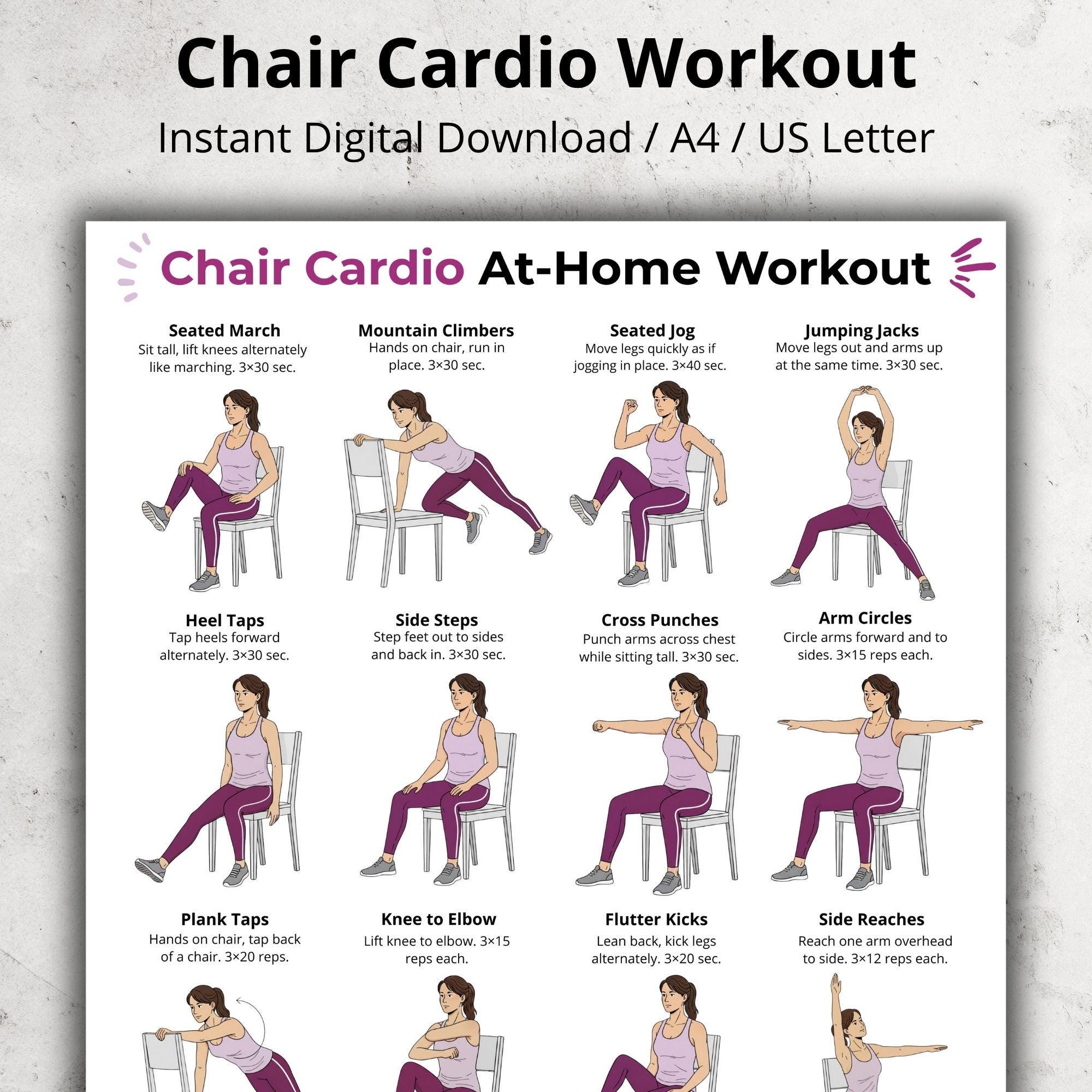
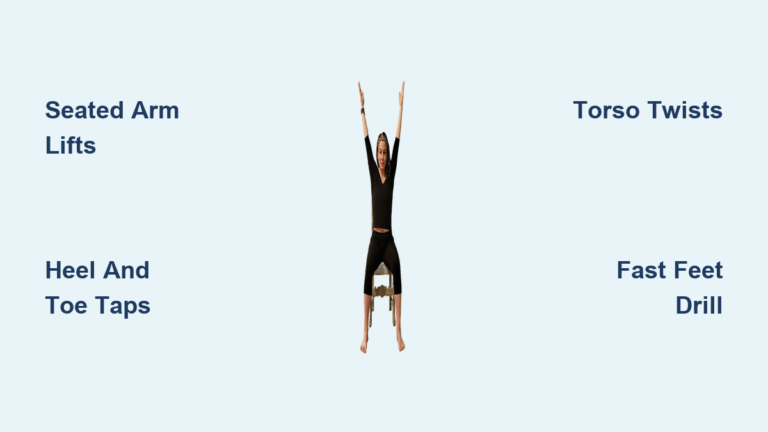
Not everyone can stand or balance well, and that’s okay. You can still get effective cardio at home for seniors with limited mobility using seated exercises that raise heart rate and build strength.
Seated Marches
Lift one knee at a time, alternating legs as if marching. Go as high as comfortable.
Duration: 1–2 minutes
Benefit: Boosts circulation and warms up legs.
Pro tip: Add arm pumps to increase intensity.
Arm Circles
Extend arms to the sides and make small forward circles. After 30 seconds, reverse direction.
Duration: 1 minute
Benefit: Engages shoulder muscles and increases heart rate slightly.
Harder version: Use light water bottles as weights.
Leg Extensions
While seated, extend one leg straight out, hold for 2 seconds, then lower. Alternate legs.
Duration: 1–2 minutes
Benefit: Strengthens quadriceps and improves blood flow.
Expert note: This is excellent for seniors recovering from surgery or dealing with arthritis.
Chair Squat/Tap
Stand in front of a sturdy chair. Lower hips back and down, lightly tapping the seat. Push through heels to stand.
Duration: 10–15 reps
Benefit: Builds leg strength and improves functional mobility.
Safety first: Keep a hand on the chair if needed. Never fully sit unless balance is a concern.
Boost Brain and Body with Cognitive Challenges
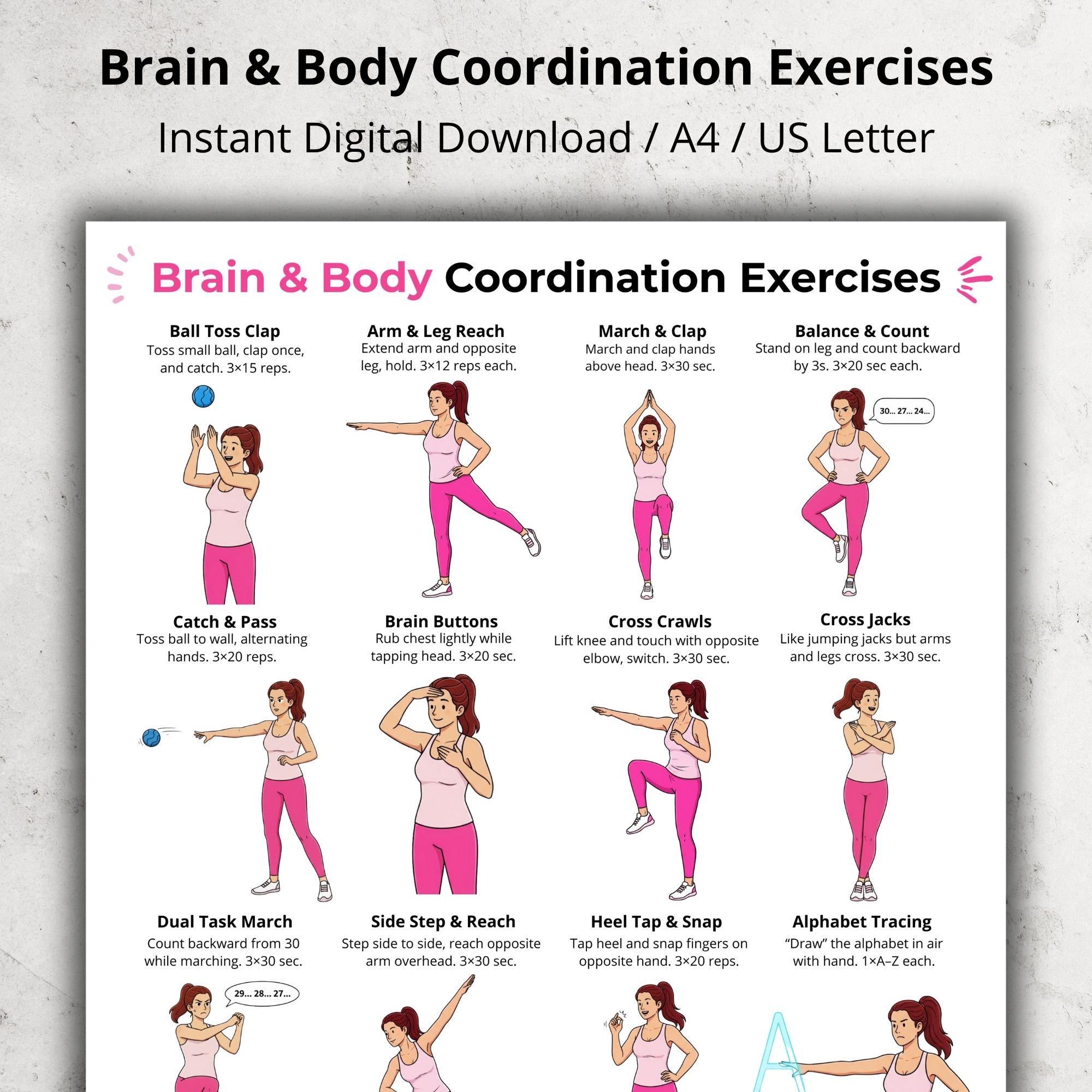
One of the most overlooked benefits of senior cardio is mental sharpness. Adding cognitive layers like counting, clapping, or changing tempo turns a simple workout into a brain-boosting session, making these among the most valuable cardio exercises at home for seniors.
Try This Brain-Cardio Combo
- During marching, say the months backward.
- In crossover taps, count by threes.
- During skater taps, clap once, twice, three times in a cycle.
These dual tasks improve neural pathways, reduce dementia risk, and make workouts more engaging.
Follow Weekly Guidelines for Best Results
To gain full health benefits, follow the CDC’s Physical Activity Guidelines for Americans:
- Cardio: 150 minutes of moderate activity per week (for example, 30 minutes, 5 days)
- Strength Training: 2 days per week, working all major muscle groups
- Balance: Include weekly activities such as standing on one foot or heel-to-toe walking
You don’t need to do it all at once. Break it into 10-minute chunks. Three short sessions a day still count toward your weekly total.
Sample Weekly Plan
| Day | Activity |
|---|---|
| Monday | 10-min home circuit + seated strength |
| Tuesday | 20-min indoor walk + balance exercises |
| Wednesday | Chair cardio + arm circles + leg lifts |
| Thursday | Rest or gentle stretching |
| Friday | 10-min circuit + cognitive challenges |
| Saturday | Dancing or seated Zumba (30 min) |
| Sunday | Light gardening or tai chi (20 min) |
Key: Mix it up to stay motivated and work different muscles.
Try Low-Impact Alternatives
If standing circuits feel too intense, try these joint-friendly cardio options you can do at home.
Walking Indoors
Walk laps around your living room, hallway, or up and down stairs (with railing support). Start with 5–10 minutes and build up.
Pro tip: March during TV commercials to sneak in movement.
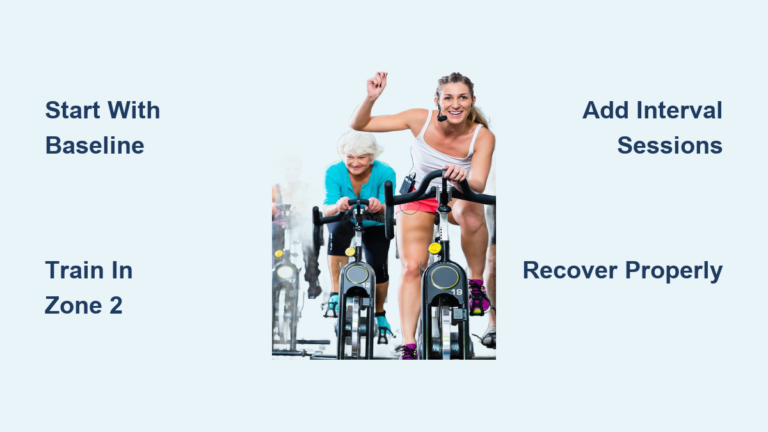
Stationary Cycling
Use a recumbent or upright bike. Even 15 minutes a day strengthens legs and heart with zero impact.
Time estimate: 3 short sessions equal 45 minutes weekly.
Dancing
Put on your favorite music and move. Ballroom, line dancing, or Zumba Gold videos are perfect.
Why it works: Improves mood, coordination, and heart health all while having fun.
Tai Chi or Yoga
These multicomponent activities blend cardio, balance, and strength. Many free YouTube channels offer senior-specific routines.
Best for: Stress reduction and fall prevention.
Prevent Falls with Balance and Strength

Cardio alone isn’t enough. To stay independent, combine aerobic activity with strength and balance training as part of your weekly routine.
Simple Strength Moves (2x Weekly)
- Wall Push-Ups: 10–15 reps
- Chair Stands: 10 reps
- Heel Raises: 15 reps (hold chair if needed)
- Seated Rows with Band: 10 reps
Perform 1–2 sets. Stop if it’s too hard and progress gradually.
Balance Boosters
- Single-Leg Stand: Hold 10–30 seconds per leg
- Heel-to-Toe Walk: 10 steps forward and back
- Side Leg Raises: Hold chair, lift leg to the side, 10 reps per side
Do these after cardio when your body is warm.
Stay Motivated and Track Progress
The biggest challenge isn’t ability; it’s consistency. Here’s how to stay on track with your cardio exercises at home for seniors.
Make It Enjoyable
Choose activities you like. If you hate marching, try dancing. If standing is hard, do seated cardio. Enjoyment drives adherence.
Start Small
Begin with 5–10 minutes. Success builds confidence. Once you’re consistent, increase time or intensity.
Use the Talk Test Daily
Check in: Can you talk? If yes, you’re in the safe zone. If not, slow down.
Track Your Effort
Keep a simple log with the date, activity, duration, and how you felt on a 1–5 scale. Seeing progress, even small wins, keeps you going.
Frequently Asked Questions About Cardio Exercises at Home for Seniors
How often should seniors do cardio each week?
According to the CDC and American Heart Association, seniors should aim for 150 minutes of moderate-intensity cardio per week, or about 30 minutes a day, 5 days a week. Shorter sessions of 10 minutes still count toward this total.
What is the safest way to measure exercise intensity at home?
The Talk Test is the simplest method. If you can talk comfortably but cannot sing, you’re at moderate intensity. If speaking more than a few words is difficult, slow down. The 10-point exertion scale (aiming for 5–6) works as well.
Can seniors with limited mobility still do cardio at home?
Yes. Seated exercises like marches, arm circles, and leg extensions effectively raise heart rate and improve circulation. Chair-assisted squats also build leg strength for those who can stand briefly with support.
Do I need any equipment for senior cardio at home?
No. All the exercises in a standard 10-minute circuit use only body weight, floor space, and a sturdy chair for balance. Optional items include light water bottles for added resistance.
What are the warning signs to stop exercising immediately?
Stop and seek medical attention if you experience chest pain, dizziness, shortness of breath beyond normal effort, or an irregular heartbeat. These symptoms should never be ignored.
How long before I see benefits from regular cardio?
Even small amounts of activity provide measurable health returns. Most seniors notice improved energy, stamina, and mood within a few weeks of consistent effort, with longer-term benefits for heart and brain health building over months.
Key Takeaways for Building Your At-Home Cardio Routine
Cardio exercises at home for seniors don’t need to be complicated to be effective. With a safe space, a chair, and 10 minutes a day, you can strengthen your heart, sharpen your mind, and protect your independence. Start where you are, move at your pace, and remember: it’s never too late to begin. Every step counts.
Your next step is simple: pick one exercise from this guide, set a timer for 5–10 minutes, and try it today. Consistency matters more than intensity, so celebrate small wins and build from there.