Best Fitness Trackers for Arrhythmia (2026 Guide)
You’re scrolling through your fitness tracker’s health dashboard when a notification pops up: “Irregular Rhythm Detected.” Suddenly, your pulse quickens, not from exercise, but from concern. Could this mean atrial fibrillation (AFib), the most common type of arrhythmia and a leading cause of stroke?
Millions now rely on smartwatches and fitness trackers to monitor heart health, with many devices claiming to detect arrhythmias like AFib. But how accurate are they really? Can a wrist-worn gadget catch a potentially life-threatening condition, and should you trust the results?
Modern fitness trackers with ECG and PPG sensors can detect AFib with high accuracy, backed by clinical studies showing up to 95% sensitivity and 97% specificity. However, these tools are designed for screening and monitoring, not diagnosis. They work best alongside medical care, not as a replacement.
In this guide, you’ll learn how fitness trackers detect arrhythmias, which models perform best, when to act on an alert, and how to avoid common pitfalls like false alarms or health anxiety. We’ll break down the science, compare top devices, and give you clear steps to use your wearable wisely so you stay informed without unnecessary stress.
How Fitness Trackers Detect Arrhythmia
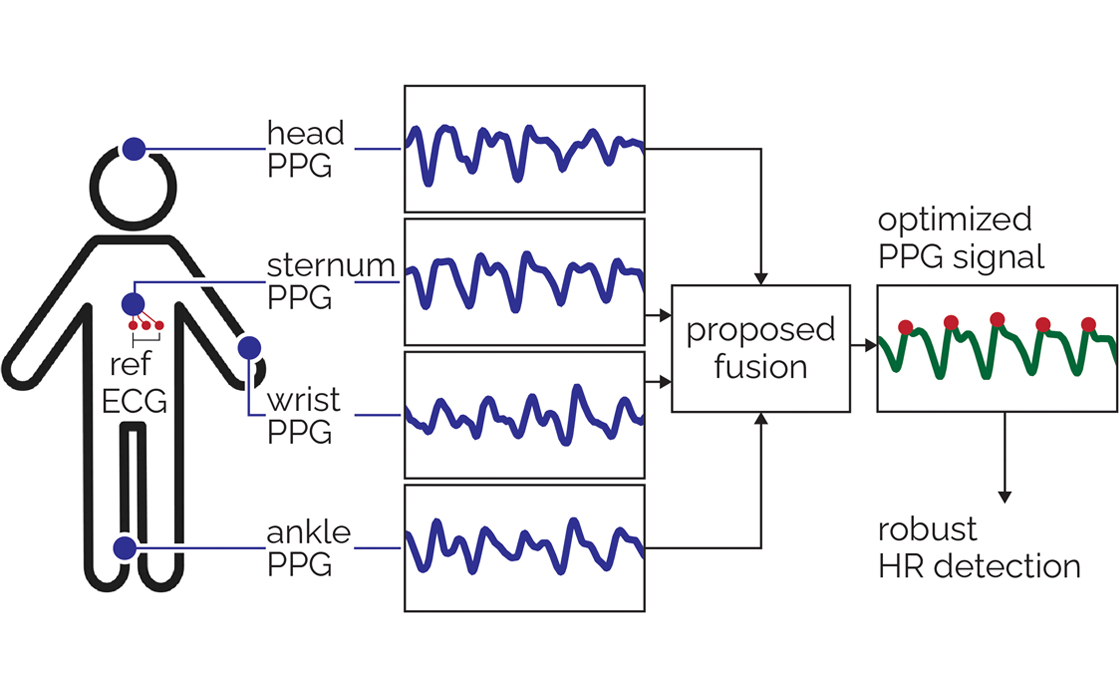
Wearable devices use two core technologies to monitor heart rhythm: photoplethysmography (PPG) for passive tracking and electrocardiogram (ECG) for active checks. Together, they form a powerful early-warning system for irregular heartbeats.
PPG: Passive Pulse Monitoring
PPG sensors shine green LED light onto your wrist and measure how much light blood flow absorbs. More blood means more absorption. The device calculates heart rate by analyzing the timing between pulses.
- Function: Continuously or periodically checks for irregular pulse intervals, a hallmark of AFib.
- Use Case: Runs in the background during daily wear or sleep.
- Limitations: Movement, tattoos, poor contact, or cold hands can create noise, leading to false readings.
While PPG doesn’t capture electrical signals like an ECG, advanced algorithms can still identify AFib patterns with surprising accuracy, especially in newer models.
ECG: On-Demand Heart Rhythm Check
ECG-enabled watches let you take a medical-grade single-lead reading anytime you need it.
- How It Works: Touch the watch crown with your opposite hand to complete a circuit. The device records electrical activity between your arms (Lead I) for 30 seconds.
- Output: Classifies rhythm as Normal Sinus Rhythm, Atrial Fibrillation, or Undetermined.
- Advantage: Sees actual waveforms, helping distinguish AFib from other arrhythmias like PACs or PVCs.
Unlike PPG, ECG requires user action but delivers higher-confidence results.
Accuracy of Fitness Trackers for AFib Detection
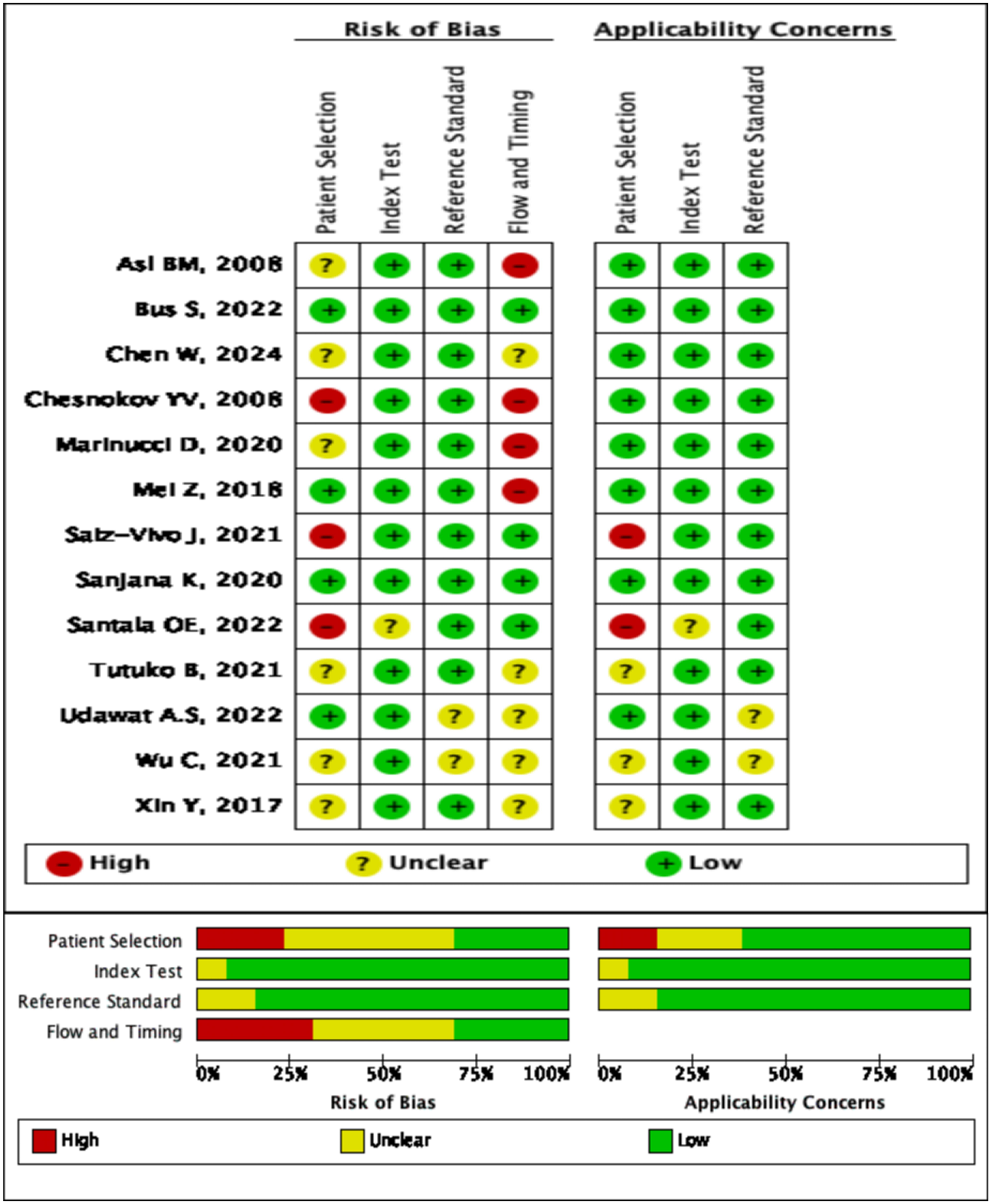
Clinical evidence confirms that top-tier wearables are remarkably accurate, though performance varies by brand, model, and usage.
Overall Diagnostic Performance
A 2025 meta-analysis of 26 studies covering over 17,000 patients found impressive results:
| Metric | Value |
|---|---|
| Sensitivity | 95% |
| Specificity | 97% |
| AUC (Accuracy) | 0.97 |
| Negative Predictive Value | 97.56% |
| Positive Predictive Value | 92.51% |
This means if your watch says no AFib, it’s almost certainly correct. If it detects AFib, there’s a small chance it’s a false positive, especially in low-risk individuals. PPV drops in younger, healthier populations where AFib is rare, making clinical follow-up essential.
Best Fitness Trackers for Arrhythmia Detection
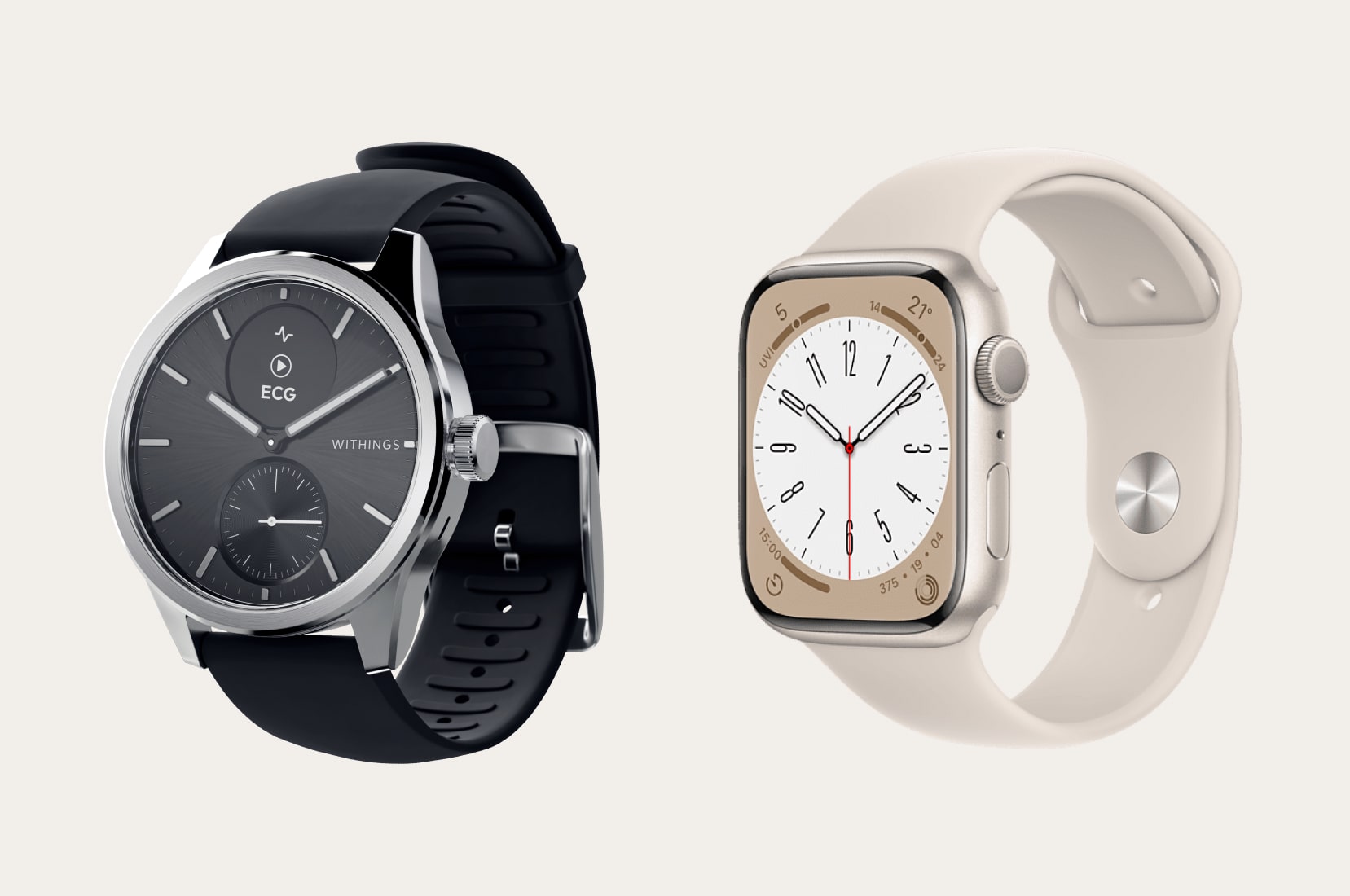
Not all devices perform equally. Here’s how top models compare based on clinical data and real-world usability.
Apple Watch Series 4–11
Key Features:
– Irregular rhythm notifications (PPG)
– On-demand ECG (30-second recordings)
– AFib History tool that estimates time in AFib
Performance:
– Sensitivity: 94%
– Specificity: 97%
– AUC: 0.97
Best For: iPhone users wanting seamless integration and long-term trend tracking.
Pro Tip: Enable “AFib History” in the Health app to see weekly summaries. This reduces anxiety from real-time alerts.
Samsung Galaxy Watch 3–6
Key Features:
– BioActive Sensor combining ECG, heart rate, and body composition
– Auto-detection of irregular rhythms
– Optimized for Android, especially Samsung phones
Performance:
– Sensitivity: 97%
– Specificity: 96%
– AUC: 0.98, the highest in meta-analysis
Best For: Android users seeking top-tier accuracy and advanced health metrics.
Note: ECG feature may be limited outside regions with TGA or FDA clearance.
Withings ScanWatch 2
Key Features:
– Hybrid analog design
– 30-day battery life
– Continuous PPG plus on-demand ECG
– FDA-cleared and HSA/FSA eligible
Performance:
– Sensitivity: 89–96% (varies by study)
– Specificity: 95–100%
– AUC: 0.97
Best For: Users who want medical-grade monitoring without daily charging.
Fitbit Sense 2 and Charge 5
Performance:
– Sensitivity: 65.6%
– Specificity: 79.3%
Despite FDA clearance, Fitbit lags behind Apple and Samsung in diagnostic accuracy according to pooled data.
Best For: General wellness tracking, not ideal for high-stakes arrhythmia monitoring.
Limitation: Lower specificity increases false positives, raising unnecessary concern.
Budget Devices: Buyer Beware
Many $40–$50 smartwatches claim ECG and AFib detection, but most lack regulatory approval.
- No FDA/TGA clearance
- Unverified algorithms
- High false-positive rates
Stick to FDA-cleared or TGA-approved models if arrhythmia detection is a priority.
When to Trust a Fitness Tracker Alert
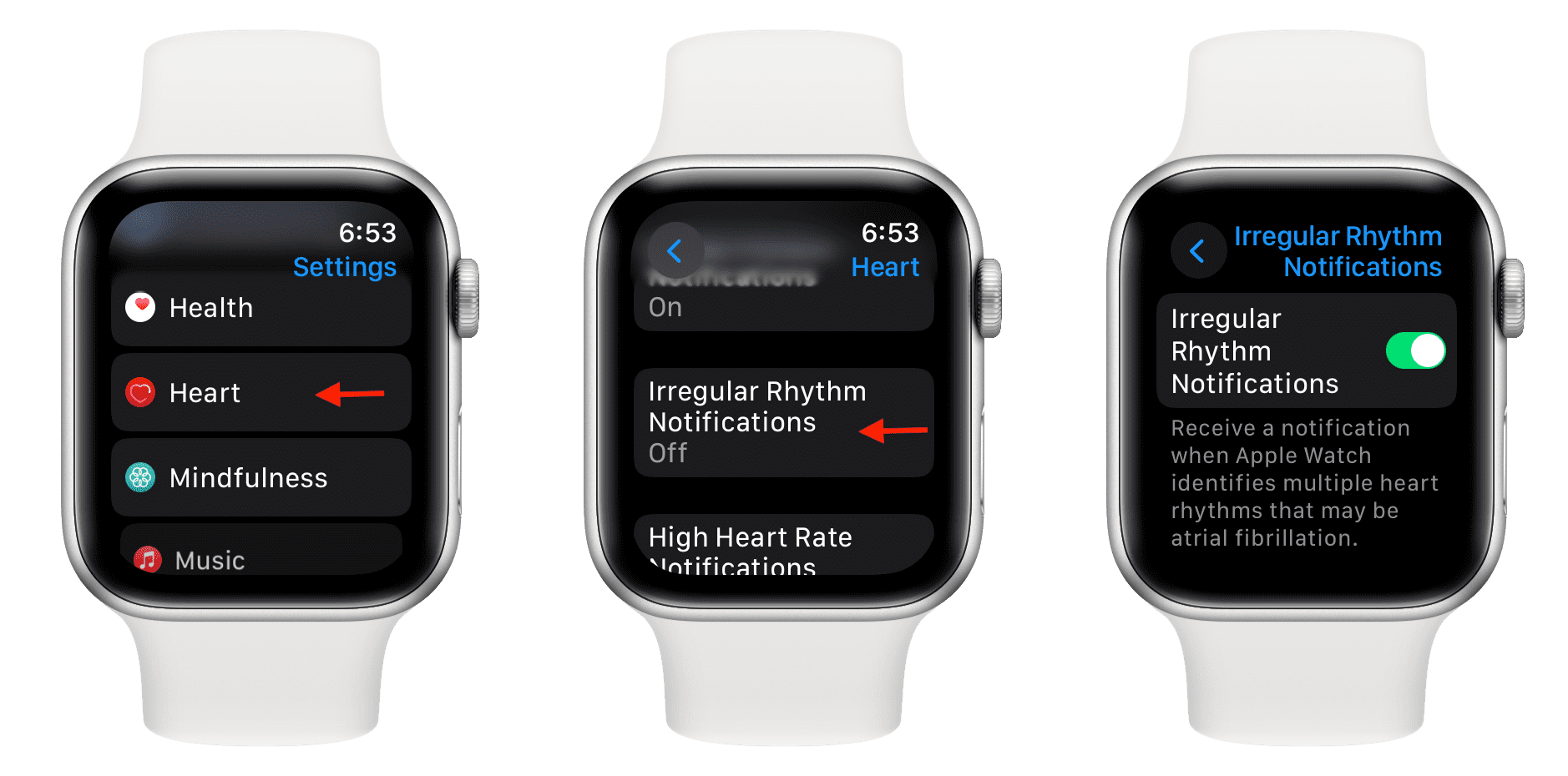
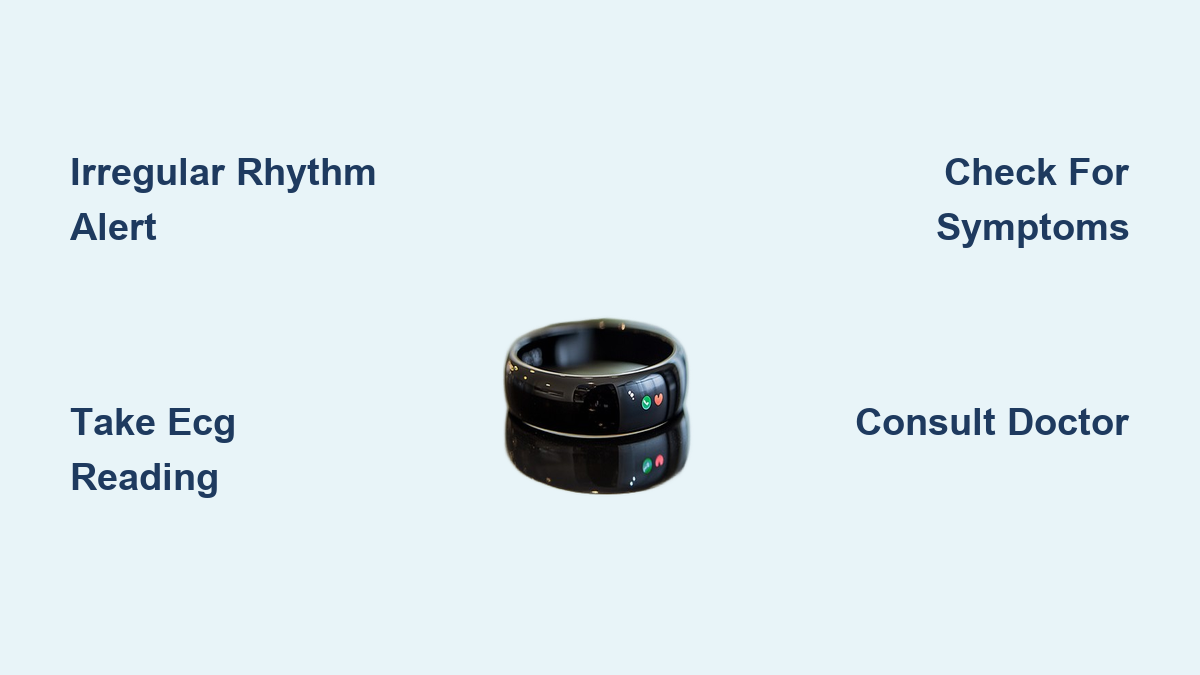
Getting an “irregular rhythm” notification doesn’t mean you need to rush to the ER, but it does mean you should take it seriously and act wisely.
Steps to Take After an Alert
-
Stay Calm
Stress can worsen arrhythmias. Breathe deeply and avoid panic. -
Take an ECG Reading
If your device supports it, perform a 30-second ECG to confirm. -
Check for Symptoms
Are you feeling:
– Palpitations?
– Dizziness?
– Shortness of breath?
– Chest discomfort?
Symptomatic AFib requires prompt medical attention.
-
Repeat the Test
Retest later or the next day. One-off readings can be misleading. -
Share Data with Your Doctor
Export the ECG PDF or app summary. Don’t just say “my watch said AFib.” Show the evidence. -
Get Clinical Confirmation
A 12-lead ECG or Holter monitor is needed to confirm AFib before treatment decisions.
Red Flag: If you have symptoms and a confirmed irregular rhythm, contact your doctor immediately or seek urgent care.
Who Should Use a Fitness Tracker for AFib
Not everyone benefits equally. The value depends on your health status.
Ideal for Monitoring: Diagnosed AFib Patients
For those already diagnosed, wearables offer powerful insights:
- Track AFib burden (how often episodes occur)
- Correlate symptoms with rhythm (“I felt dizzy at 3 PM” → “AFib started at 2:58 PM”)
- Evaluate treatment effectiveness after ablation or medication changes
- Monitor post-procedure recovery
This “missing puzzle piece” helps doctors tailor therapy precisely.
Limited Use for Screening: Undiagnosed Individuals
While wearables can catch silent AFib, population-wide screening isn’t currently recommended.
Why?
– Low prevalence in younger adults
– Risk of false positives causing anxiety and unnecessary tests
– May lead to overdiagnosis or overtreatment
Better Approach:
If you’re experiencing symptoms like palpitations, fatigue, or unexplained breathlessness, see a doctor for clinical monitoring (such as Holter or event monitor) rather than relying solely on a watch.
Emerging Use: Post-Stroke Evaluation
For patients with cryptogenic stroke (stroke of unknown cause), detecting undiagnosed AFib is critical.
- One study using a pulse watch showed 92.9% accuracy in post-stroke patients.
- However, sensitivity was only 60%, meaning many cases were missed.
Wearables may play a supportive role, but implantable loop recorders remain the gold standard for long-term monitoring in this group.
Psychological Risks: The Anxiety Trap
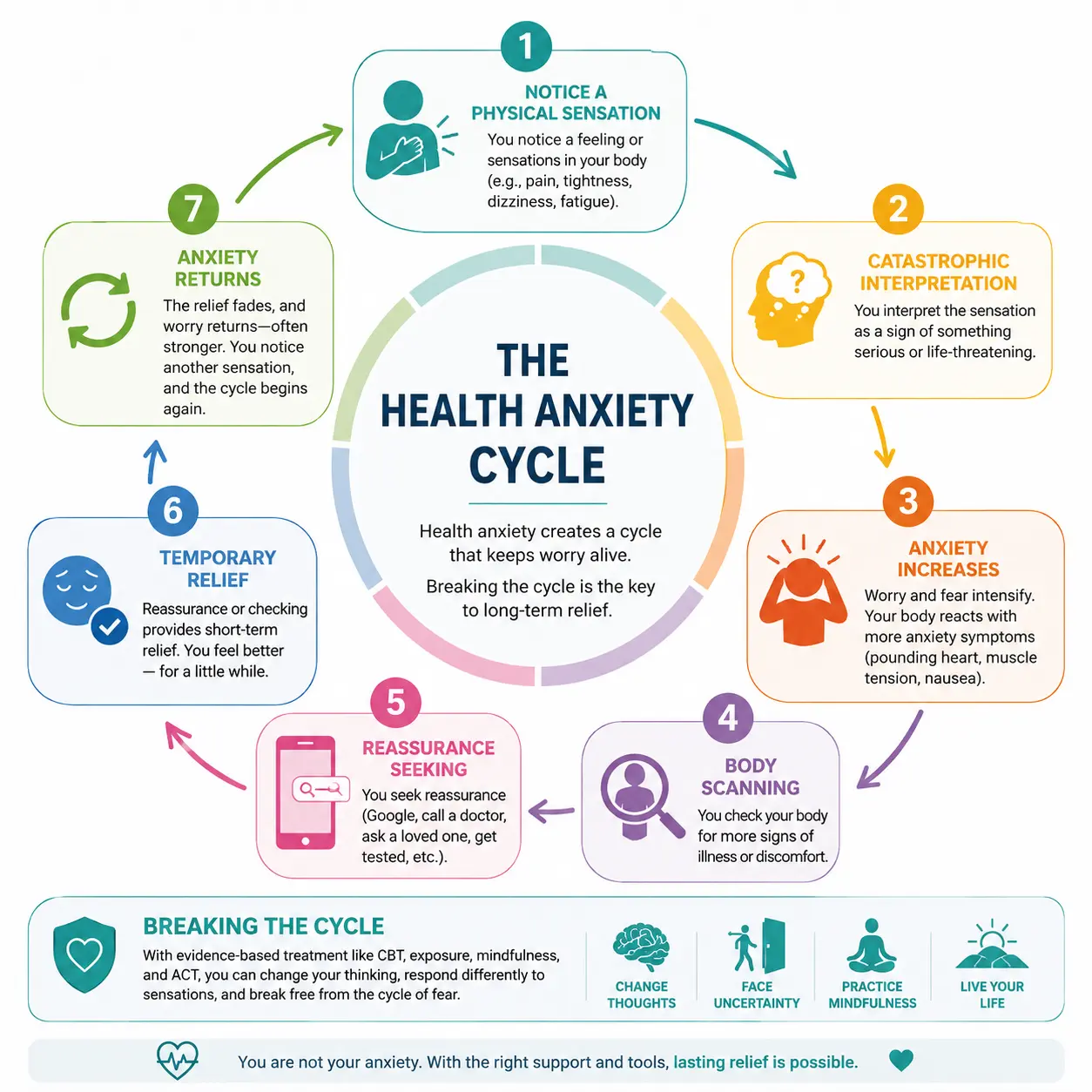
One in five users reports intense anxiety after receiving an irregular rhythm alert, and for good reason.
The Feedback Loop of Fear
- Watch detects irregularity → you feel anxious
- Anxiety triggers stress hormones → heart rate increases
- Faster, erratic rhythm → watch flags another event
- Cycle repeats
This self-fulfilling loop can worsen AFib frequency and reduce quality of life.
How to Avoid Health Anxiety
- Disable real-time alerts if they cause distress
- Review data weekly with your doctor instead
- Use aggregated features like Apple’s “AFib History”
- Focus on trends, not isolated events
- Avoid checking your pulse every few minutes
Expert Advice (Dr. Usha Tedrow, Harvard):
“For some patients, constant monitoring does more harm than good. The goal is insight, not obsession.”
Limitations You Must Know
No wearable is perfect. Understanding the boundaries prevents misuse.
Single-Lead ECG Can’t Replace a 12-Lead
- Wearables record Lead I only, providing a narrow electrical view.
- Cannot detect:
- Inferior or lateral heart attacks
- Structural abnormalities
- All types of arrhythmias (atrial flutter may be misclassified)
Always confirm with a full clinical ECG.
Algorithms Can Be Fooled
Common misclassifications include:
– Frequent PACs/PVCs flagged as AFib
– Slow heart rates during sleep (in athletes) mistaken for bradycardia
– Motion artifacts labeled “Undetermined” or false AFib
Newer models are improving, but errors still happen.
Monitoring Gaps
- Most PPG systems sample intermittently, not continuously
- Brief AFib episodes between checks may be missed
- Battery life limits constant monitoring
Devices like Withings and Apple (in certain modes) offer longer sampling windows, but trade-offs exist.
Best Practices for Safe, Smart Use
Maximize benefits while minimizing risks with these expert-backed strategies.
Talk to Your Doctor First
Before relying on your tracker:
– Discuss what actions to take when an alert appears
– Agree on a response plan (such as “Log it,” “Call clinic,” or “Go to ER”)
– Clarify how data will be shared (PDFs, screenshots, app exports)
Share Raw Data, Not Just Alerts
Instead of saying “my watch said AFib,” provide:
– A screenshot of the ECG tracing
– The time and duration of the episode
– Any associated symptoms
This helps your doctor make informed decisions.
Never Delay Care for a “Normal” Reading
A clean ECG doesn’t rule out:
– Non-AFib arrhythmias
– Heart attack
– Other cardiac issues
If you have chest pain, severe shortness of breath, or fainting, seek emergency care regardless of what your watch shows.
Anticoagulation Isn’t Based on Watch Data Alone
Current guidelines use the CHA2DS2-VASc score (age, sex, hypertension, diabetes, stroke history) to decide if blood thinners are needed, not AFib burden from a watch.
However, trials like REACT-AF are testing whether short-term anticoagulation after a detected episode could replace indefinite therapy in select patients.
Future of Wearable Arrhythmia Detection
The field is advancing fast, with major studies and tech upgrades underway.
Key Ongoing Trials
- REACT-AF: Testing whether one month of blood thinners after a smartwatch-detected AFib episode is enough to prevent stroke.
- HEARTLINE-A: Evaluating if early AFib detection via Apple Watch reduces heart attacks and strokes in real-world users.
Results could reshape treatment guidelines within 3–5 years.
What’s Coming Next
- Better AI algorithms to reduce false positives and differentiate AFib from similar rhythms
- Seamless EHR integration so doctors can review wearable data directly in patient records
- Multi-day continuous ECG patches that sync with smartphones
- Predictive alerts for upcoming AFib episodes based on trends
The future isn’t just detection. It’s prevention and personalization.
Frequently Asked Questions About Fitness Tracker Arrhythmia Detection
Can a fitness tracker accurately detect AFib?
Yes. Clinical studies show modern smartwatches with ECG and PPG sensors detect AFib with approximately 95% sensitivity and 97% specificity. However, they are screening tools, not diagnostic devices. Always confirm results with a medical professional.
Which fitness tracker is best for detecting arrhythmia?
According to meta-analysis data, Samsung Galaxy Watch (3 and later) shows the highest accuracy with an AUC of 0.98. Apple Watch (Series 4 and later) follows closely with 94% sensitivity and 97% specificity. Both are FDA-cleared and extensively studied.
Should I be worried if my fitness tracker detects an irregular rhythm?
Not immediately, but take it seriously. Take an ECG reading if available, check for symptoms, and contact your doctor. One alert doesn’t mean you have AFib, but clinical confirmation is essential before any treatment decisions.
Can fitness trackers cause health anxiety?
Yes. Studies show one in five users experience intense anxiety after irregular rhythm alerts. The stress can paradoxically trigger more episodes. If monitoring causes distress, disable real-time alerts and review data periodically with your doctor instead.
Do budget fitness trackers reliably detect AFib?
Most do not. Budget devices under $50 often lack FDA or TGA clearance and use unverified algorithms. They tend to produce high false-positive rates. For reliable arrhythmia detection, choose a cleared medical-grade or premium smartwatch.
Key Takeaways for Using Fitness Trackers to Detect Arrhythmia
Fitness trackers with arrhythmia detection are powerful tools, but they’re not magic. Used wisely, they can catch silent AFib, guide treatment, and improve outcomes. Used obsessively, they can fuel anxiety and lead to poor decisions.
Your watch is a partner in care, not the doctor. Stick to FDA or TGA-cleared devices, understand their limits, share data with your healthcare team, and focus on long-term trends over isolated alerts. If monitoring causes stress, turn off notifications and review results during appointments.
Start by scheduling a conversation with your doctor about how to respond to potential alerts before they happen. With the right approach, your fitness tracker can help you live healthier, longer, and with greater peace of mind.