How to Choose a Heart Rate Monitor
You’re ready to take your fitness to the next level. You’ve heard tracking heart rate improves training, speeds recovery, and helps avoid burnout. But when you search for the best heart rate monitor, you’re overwhelmed by chest straps, smartwatches, rings, and armbands, all claiming to be the answer. Which one actually works? And more importantly, which one works for you?
The truth is, choosing a heart rate monitor isn’t about picking the most popular gadget. It’s about matching technology to your goals, body, and lifestyle. A device that’s perfect for a triathlete might frustrate a weekend hiker. A watch that tracks sleep beautifully may give inaccurate readings during sprint intervals. And critically, not all sensors work equally well on all skin tones.
This guide cuts through the noise. You’ll learn why chest straps remain the gold standard, how skin tone affects optical sensors, what features actually matter, and which models lead in 2026. Whether you’re training for a marathon or just tracking daily stress, this is your roadmap to choosing the right heart rate monitor.
Chest Strap vs Optical: The Accuracy Divide
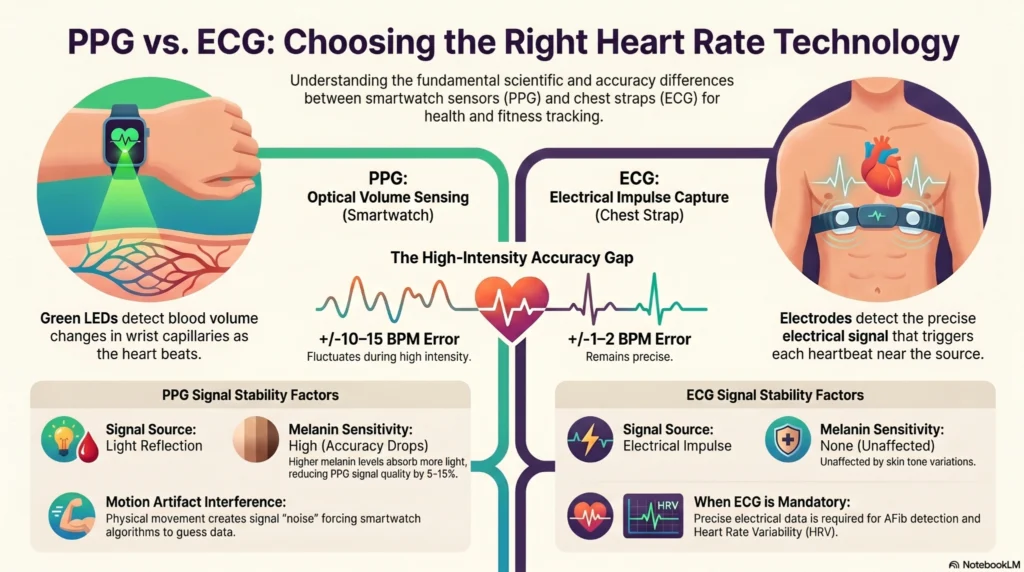
When choosing a heart rate monitor, the first decision is technology: electrical (ECG) or optical (PPG). This choice determines accuracy, comfort, and suitability for your body.
ECG Chest Straps: Gold Standard Accuracy
Chest straps use electrocardiography (ECG) to detect the heart’s electrical signals directly. Two or more electrodes on the strap pick up these impulses, delivering the most reliable data during high-intensity efforts.
- Why it matters: During sprints or interval training, heart rate changes rapidly. ECG sensors respond instantly. Optical sensors often lag.
- Best for: Runners, cyclists, HIIT athletes, swimmers, and anyone training in precise heart rate zones.
- Key takeaway: If accuracy is non-negotiable, choose a chest strap.
Optical Sensors: Convenience Over Precision
Watches, armbands, and rings use photoplethysmography (PPG), shining green or infrared light into the skin to detect blood flow changes.
- Pros: No strap needed. Tracks 24/7. Great for resting heart rate and sleep.
- Cons: Prone to motion errors, cadence lock (confusing foot strikes with heartbeats), and skin tone bias.
- Reality check: While fine for steady jogging, optical sensors struggle during fast transitions and may miss critical data.
Expert Note: For serious training, optical sensors are “good enough” only if you’re not timing intervals or monitoring anaerobic threshold.
Skin Tone and Tattoos: The Hidden Bias in Optical Sensors
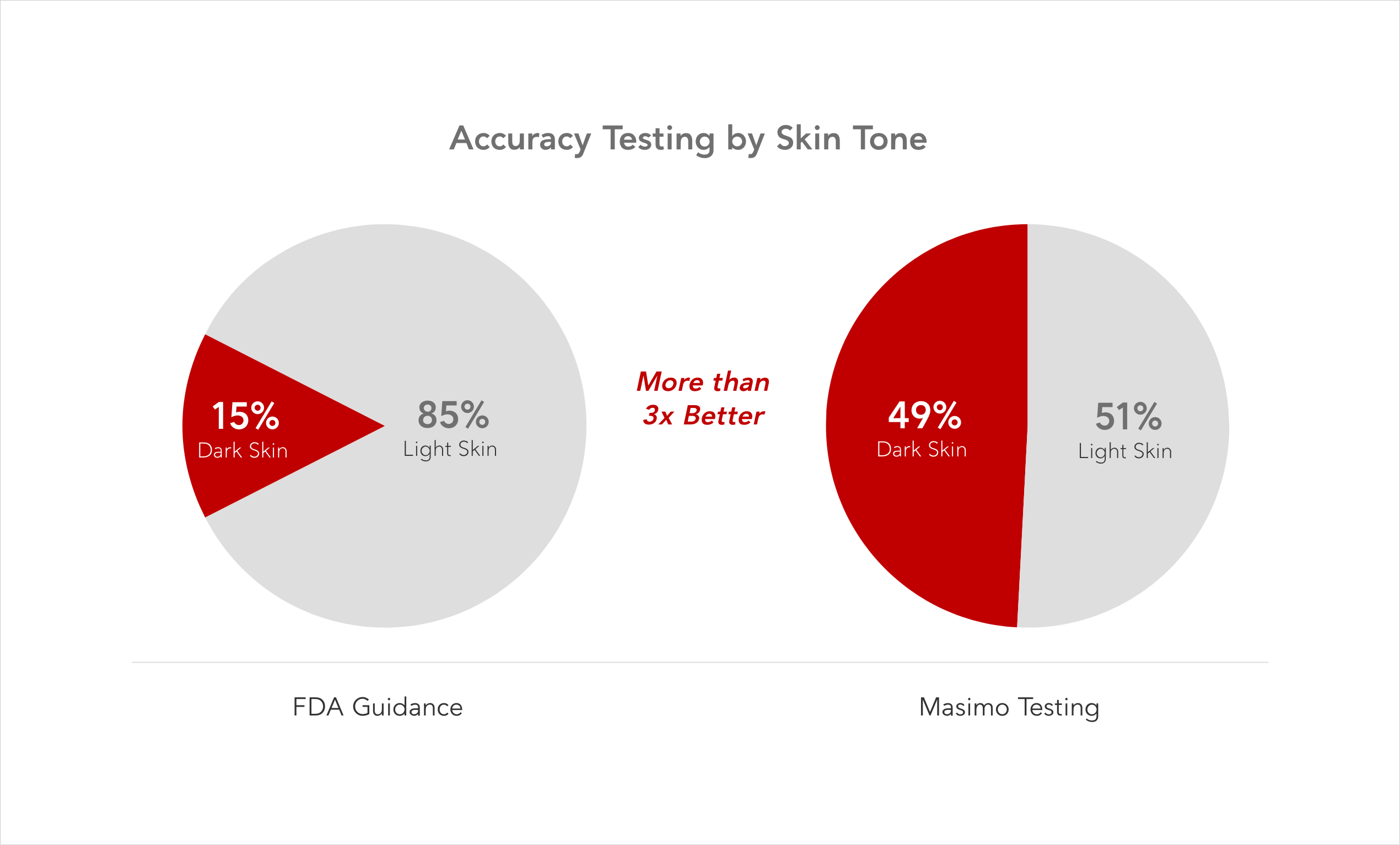
One of the most critical but under-discussed issues in choosing a heart rate monitor is racial bias in optical technology.
How Skin Pigment Affects Readings
Dark skin contains more melanin, which absorbs the green LED light used in most wrist-based sensors. This reduces the signal strength, leading to:
- Inconsistent readings
- Missing data during workouts
- False low or flatlined heart rates
Tattoos, especially dark ink, have the same effect because the light cannot penetrate effectively.
Fact: Studies confirm that optical HR sensors are significantly less accurate on users with melanin-rich skin.
What You Can Do
- For reliable data: Use an ECG chest strap. It measures electrical signals, not light, so skin tone doesn’t matter.
- If you prefer comfort: Try an armband like the Wahoo Tickr Fit or Polar OH1+. Worn on the bicep, it’s less affected by motion and often more accurate than wrist sensors.
- Avoid: Relying on wrist-based optical sensors if you have dark skin or forearm tattoos.
Pro Tip: If you’re a Black athlete or have dark tattoos, skip the smartwatch-only route. Invest in a chest strap, the only universally accurate option.
Top Form Factors: Pros, Cons & Best Uses
Chest-Strap Monitors: Maximum Precision
Best for: Competitive athletes, interval training, triathletes.
Why Choose a Chest Strap?
- Highest accuracy during rapid heart rate changes.
- Unaffected by skin tone or tattoos.
- Supports Heart Rate Variability (HRV) and running dynamics.
- Long battery life (300 to 1,200 hours on coin-cell).
- Waterproof to 30m, ideal for swimming.
Drawbacks
- Can chafe or slip during runs.
- Requires moisture (sweat or water) to conduct.
- No display. Must pair with a watch or phone.
- Elastic strap degrades in 1 to 2 years and needs replacement.
Maintenance Tip: Rinse after every sweaty workout. Replace the strap when it loses elasticity or causes irritation.
Armband Monitors: Comfort Meets Accuracy
Best for: Runners, users with sports bra conflicts, general fitness.
Why Armbands Win on Comfort
- Worn on the upper arm with no chest chafing.
- Snug fit reduces motion artifacts.
- Less prone to cadence lock than wrist sensors.
- Rechargeable and swim-friendly on some models.
Limitations
- Slightly slower response than chest straps.
- Shorter battery life (30 to 110 hours).
- Still requires pairing with a receiver.
Top Pick: Wahoo Tickr Fit, comfortable, dual ANT+/Bluetooth, easy to use.
Wrist-Based Monitors: All-Day Tracking
Best for: 24/7 health tracking, casual workouts, notifications.
The Convenience Factor
- Always on, tracking sleep, steps, and resting HR.
- Built-in GPS, music, and smartphone alerts.
- No extra gear.
The Accuracy Trade-Off
- Least accurate during intense exercise.
- Struggles with cadence lock and wrist motion.
- Unreliable for users with dark skin or tattoos.
- Cold weather reduces blood flow, hurting readings.
Reality Check: Great for life logging, but don’t rely on it for precise training zones.
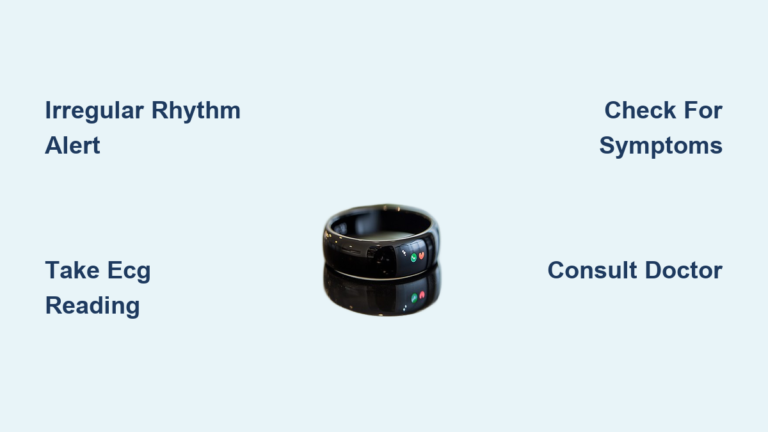
Ring Monitors: Sleep & Recovery Focus
Best for: Health optimization, sleep tracking, recovery scores.
Why Rings Stand Out
- Unobtrusive enough to wear day and night.
- Tracks HRV, temperature, and sleep stages.
- Stylish and comfortable.
Not for Real-Time Workouts
- No display for pacing.
- Less accurate during exercise due to finger movement.
- Requires a monthly subscription (Oura, Whoop).
- Can scratch or break.
Best Use Case: Monitor recovery, not race pace.
Key Features That Matter When Choosing
Connectivity: Bluetooth vs ANT+
Don’t assume all HRMs connect to your devices. Check compatibility.
| Protocol | Best For | Notes |
|---|---|---|
| Bluetooth (BLE) | Phones, smartwatches | Must-have for Strava, Apple Health |
| ANT+ | Bike computers, gym machines, Zwift | Critical for indoor cycling |
| Dual Support | Multi-device users | Pair to watch and phone simultaneously |
Pro Tip: If you use Zwift on a tablet, get a sensor with ANT+ to Bluetooth bridging, like the 4iiii Viiiiva.
Battery Life: Coin-Cell vs Rechargeable
Coin-Cell (CR2025/CR2032)
- Pros: 400+ hours of use. Lasts years.
- Cons: Must replace battery. Some models require tools.
- Best in: Polar H10, Garmin HRM-Pro.
Rechargeable (Li-Ion)
- Pros: No battery waste. USB charging.
- Cons: Needs weekly charging. Degrades over time.
- Best in: Wahoo Tickr, Whoop.
Choose coin-cell for low maintenance. Choose rechargeable for eco-friendliness.
Water Resistance & Swim Tracking
Not all “water-resistant” HRMs work in water.
- Look for 30m (3 ATM) or IPX7+.
- Chest straps are best for swimming. Optical sensors fail underwater.
- Onboard memory is key: stores data when not paired.
Swim Tip: Use a chest strap with memory, like the Polar H10, for pool sessions.
Advanced Metrics: HRV, Zones & Recovery
Heart Rate Variability (HRV)
- Measures recovery readiness.
- Requires ECG or high-end optical.
- Best seen in Polar, Garmin, Whoop, and Oura.
Heart Rate Zones
- Train smarter by intensity.
- Most apps use % of Max HR.
- Formula: $208 – (0.7 \times Age)$ is more accurate than $220 – Age$.
Heart Rate Recovery (HRR)
- How fast your HR drops after effort.
- Faster drop means better fitness.
- Use post-workout to track progress.
Who Should Buy What? Decision Guide
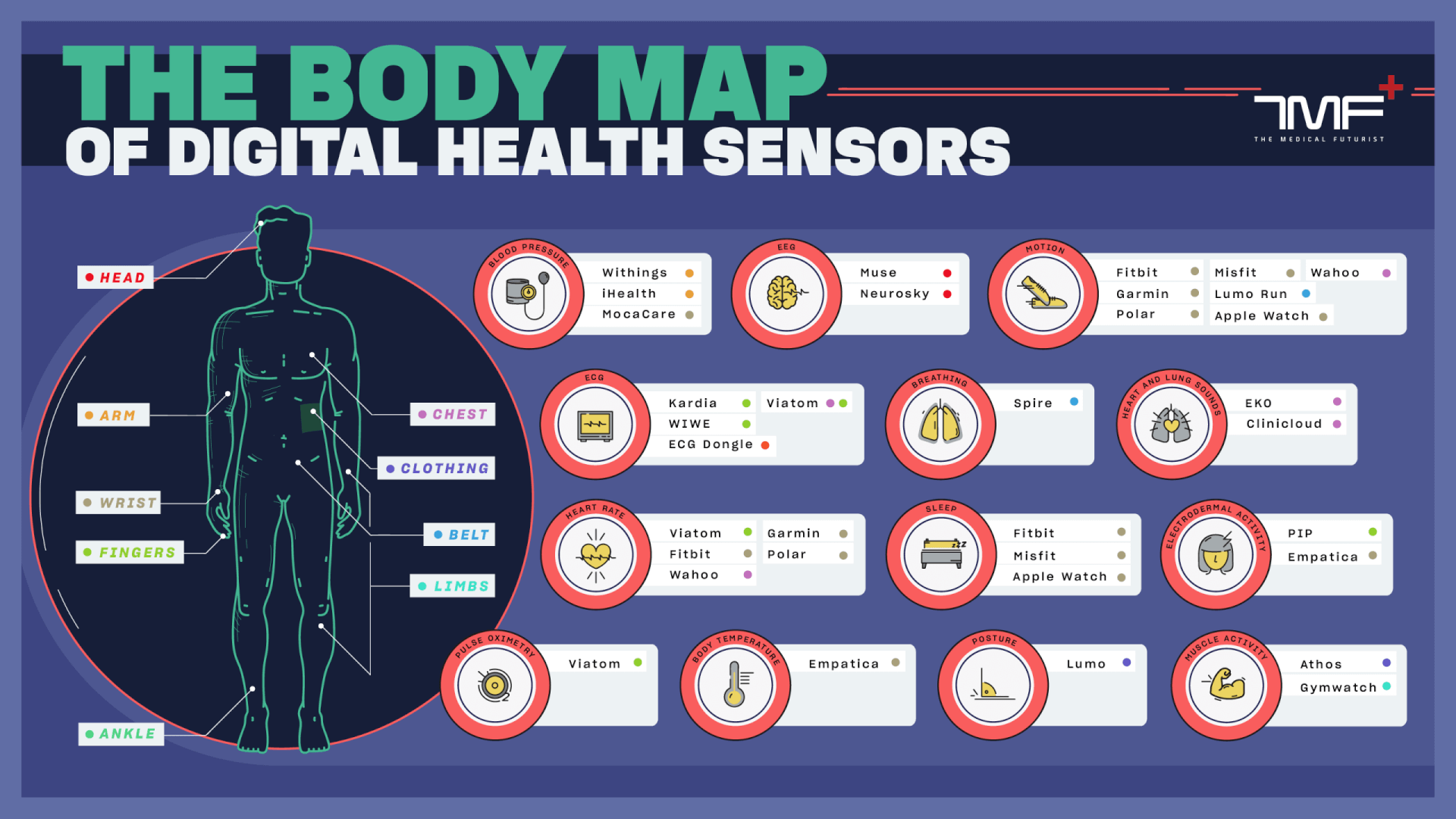
1. Your Goal: Match Device to Purpose
| Goal | Best Choice | Model Examples |
|---|---|---|
| Max Accuracy | Chest Strap (ECG) | Polar H10, Garmin HRM-Pro |
| Comfort & Daily Use | Armband | Wahoo Tickr Fit, Polar OH1+ |
| 24/7 Health Tracking | Ring or Wrist Band | Oura Ring, Whoop 4.0 |
| Budget Buy | Entry Chest Strap | Polar H9, PowrLabs HRM |
2. Your Body: Solve Fit & Skin Challenges
For Women: Sports Bra Conflicts
- Problem: Chest straps slip or chafe under bras.
- Solution: Garmin HRM-Fit clips onto bra band.
- Alternative: Armband.
User Win: No more adjusting straps mid-run.
For Larger or Petite Frames
- Problem: Standard straps don’t fit.
- Solution: Polar H10 offers two strap sizes.
- Alternative: Adjustable armbands.
For Dark Skin or Tattoos
- Avoid: Wrist optical sensors.
- Choose: Chest strap (Polar H10) or armband (Wahoo Tickr Fit).
3. Your Activities: Pick the Right Tool
Swimmers
- Must-have: Waterproof chest strap with onboard memory.
- Top pick: Polar H10, with 30m depth and storage for one workout.
Cyclists (Zwift, Indoor Trainers)
- Need: ANT+ support.
- Bonus: Bridging (ANT+ to Bluetooth).
- Best model: 4iiii Viiiiva frees up Bluetooth channels.
Runners
- Need: Stable fit and cadence accuracy.
- Best: Chest strap with silicone grippers or armband.
Top Models in 2026: What’s Worth It?

Best Overall: Polar H10
- Type: Chest Strap (ECG)
- Why it leads: Third electrode, dual Bluetooth, HRV, swim-proof.
- Battery: CR2025 (~400 hours)
- Price: ~$104
- Best for: Accuracy seekers, swimmers, data lovers.
Best Value: Polar H9
- Same accuracy as H10, but no memory or dual Bluetooth.
- Price: ~$69
- Ideal for: Budget-conscious runners.
Best Rechargeable: Wahoo Tickr
- No coin cells. USB-C charging.
- 100-hour battery. 3-device pairing.
- Price: ~$98
Best Armband: Wahoo Tickr Fit
- Forearm design. Dual ANT+/Bluetooth.
- 30-hour battery. Very comfortable.
- Price: ~$77
Best for Women: Garmin HRM-Fit
- Clips to sports bra. No chest strap.
- Accurate ECG. Works with Garmin watches.
- Price: ~$80
Best for Recovery: Whoop 4.0 or Oura Ring 4
- Whoop: 24/7 strain and recovery tracking.
- Oura: Sleep, readiness, menstrual cycle.
- Both require subscriptions (~$30/month).
Common Problems & Fixes
Signal Keeps Dropping?
- Cause: Dry skin, loose strap.
- Fix: Wet the electrode area. Tighten strap. Move it lower on the chest.
Watch Thinks You’re Sprinting When You’re Walking?
- Cause: Cadence lock, where the optical sensor is confused by steps.
- Fix: Tighten band. Move armband higher. Switch to chest strap.
Inconsistent Readings?
- Check: Battery level, corroded contacts, worn strap.
- Fix: Replace battery. Clean contacts with vinegar. Replace strap.
Firmware Acting Weird?
- Try: Reset device. Check manufacturer updates.
- Last resort: Roll back firmware (if supported).
Final Decision Checklist
Before buying, answer these:
-
What’s your main goal?
→ Training? Use a chest strap.
→ Health tracking? Try a ring or watch. -
Do you have dark skin or tattoos?
→ Avoid wrist optical. Choose chest strap or armband. -
Do you swim?
→ Get a 30m waterproof chest strap with onboard memory. -
Do you use Zwift or a bike computer?
→ Ensure ANT+ support. Consider bridging. -
Is comfort critical?
→ Try armband or Garmin HRM-Fit. -
What’s your budget?
→ Under $70? Polar H9.
→ Want no subscriptions? Avoid Whoop/Oura.
Frequently Asked Questions About Heart Rate Monitors
Which heart rate monitor is most accurate?
ECG-based chest straps are the most accurate, especially during high-intensity intervals and rapid heart rate changes. The Polar H10 is widely regarded as the gold standard for consumer devices.
Do heart rate monitors work on dark skin?
Wrist-based optical sensors often give inaccurate readings on melanin-rich skin because the LED light cannot penetrate effectively. ECG chest straps work universally regardless of skin tone, making them the best choice for users with dark skin.
Can I swim with a heart rate monitor?
Yes, but only with devices rated for swimming. Chest straps with onboard memory, like the Polar H10, are ideal because optical sensors typically fail underwater due to light refraction and water interference.
What is the difference between Bluetooth and ANT+?
Bluetooth (BLE) connects to phones, tablets, and smartwatches. ANT+ connects to bike computers, gym equipment, and indoor trainers like Zwift. Dual-protocol devices offer the most flexibility.
Do I need a subscription for a heart rate monitor?
Most chest straps and armbands work without subscriptions. However, devices focused on recovery and health insights, such as Whoop 4.0 and Oura Ring 4, require monthly memberships for full data access.
How often should I replace my chest strap?
Replace the elastic strap every 1 to 2 years, or sooner if you notice slipping, skin irritation, or inconsistent readings despite a fresh battery. Salt and sweat degrade the elastic over time.
Key Takeaways for Choosing the Best Heart Rate Monitor
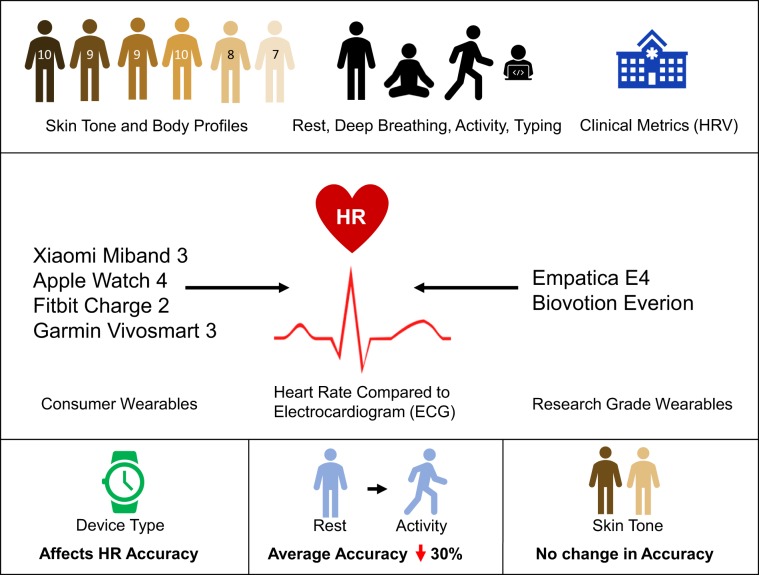
Choosing a heart rate monitor comes down to one trade-off: precision versus practicality.
- For athletes, coaches, and data-driven trainees: The chest strap (ECG) is still unbeatable. It’s the only way to get reliable heart rate data during sprints, intervals, and threshold efforts, especially if you have darker skin.
- For casual users and health optimizers: A smartwatch or armband offers enough insight with far greater comfort.
Technology is improving, but optical sensors still cannot match the speed and reliability of electrical signals. While rings and wrist bands dominate marketing, they are not built for high-performance training.
Your heart rate is more than a number. It’s a window into your fitness, recovery, and health. Pick the right tool, wear it correctly, and use the data to train smarter, recover faster, and achieve more safely. If you’re serious about fitness, start with a Polar H10 or Wahoo Tickr. If you want health insights, consider Whoop or Oura, but know the subscription cost. And if you have dark skin, skip the wristwatch gamble and go straight to ECG.