How Heart Rate Monitors Work
You have probably noticed runners checking their wrists, cyclists glancing at handlebar computers, and gym enthusiasts wearing chest straps, all relying on a heart rate monitor (HRM) to track their effort. But how do heart rate monitors work behind the scenes? These compact devices use advanced sensor technology to capture real-time data about your cardiovascular system, going far beyond simple pulse counting. Whether you train for endurance events, manage daily stress, or simply want to track your activity, understanding the science behind HRMs helps you pick the right device and trust the numbers it displays.
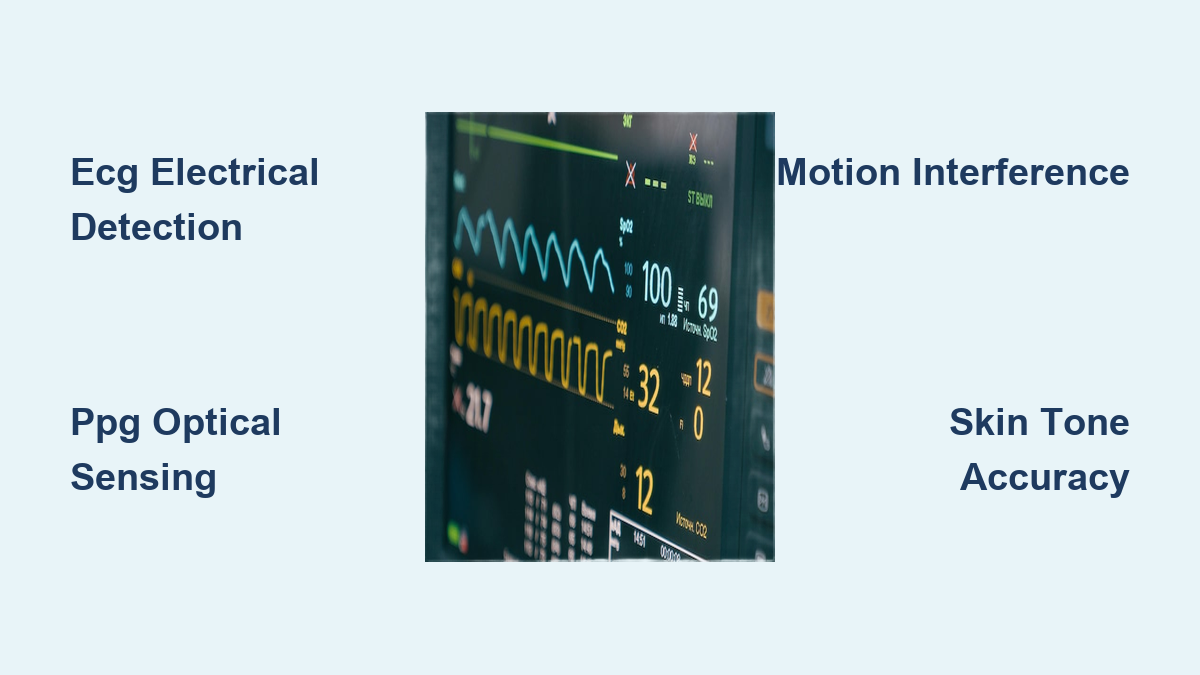
At their foundation, heart rate monitors detect either the electrical signals produced by your heart or changes in blood flow beneath your skin. Two main technologies dominate the market: electrocardiography (ECG) in chest straps and photoplethysmography (PPG) in wrist and armband monitors. Each approach has distinct strengths and limitations that affect accuracy depending on your activity, skin tone, and movement patterns. This guide breaks down how both systems function, compares their reliability, and explains the factors that influence the data you see, so you can make informed decisions about your health and performance.
Core Technologies Behind Heart Rate Monitors

ECG: Measuring Electrical Heart Signals
Chest strap monitors use electrocardiography (ECG) to detect the heart’s electrical impulses. Electrodes embedded in the strap make contact with the skin near your chest, capturing the tiny voltage changes generated each time your heart contracts. This method records the actual electrical activity of the heart, the same principle used in medical EKG machines, making it the most accurate way to measure heart rate outside a clinical setting.
Because ECG measures the heart’s direct electrical output, it remains unaffected by motion, skin pigmentation, or ambient light. Data transmits wirelessly via Bluetooth or ANT+ to a paired device such as a smartwatch or bike computer. For athletes doing high-intensity interval training (HIIT), racing, or structured workouts, ECG-based monitors provide reliable, millisecond-level precision essential for zone-based training.
PPG: Optical Blood Flow Detection
Wrist and armband devices rely on photoplethysmography (PPG), an optical method that estimates heart rate by measuring blood volume changes under the skin. These monitors use green, red, or infrared LEDs to shine light into capillaries, while photodiodes detect how much light is absorbed or reflected.
When your heart pumps, blood flow increases and absorbs more light. Between beats, less blood is present, reflecting more light back to the sensor. The device detects these fluctuations and calculates beats per minute based on the rhythm of the signal. While convenient for all-day wear, PPG is more prone to interference from motion, poor fit, and physiological factors like skin tone.
Types of Heart Rate Monitors
Chest Strap Monitors: Highest Accuracy
Chest strap HRMs are widely recognized as the gold standard for precision. Using ECG technology, they deliver medical-grade readings ideal for serious athletes and performance tracking.
Best for: HIIT, endurance sports, race pacing, and training analysis
Pros: Unaffected by motion, skin tone, or tattoos; highly consistent readings
Cons: Requires proper fit and moisture on electrodes; some users find them uncomfortable
Battery life: Up to 400 hours with replaceable coin-cell batteries
These devices typically lack built-in displays and must pair with a watch, phone, or gym console. Despite the extra step, elite runners, cyclists, and triathletes often prefer chest straps for their reliability during fast efforts and transitions.
Wrist-Based Monitors: Everyday Convenience
Smartwatches and fitness bands integrate PPG sensors into the back of the device, offering continuous heart rate tracking without additional gear.
Best for: Daily activity, sleep monitoring, steady-state cardio
Pros: Seamless 24/7 wear; no extra equipment needed
Cons: Less accurate during intense or irregular movements; prone to “cadence lock” in runners
During activities like weightlifting or sprinting, arm motion can confuse the sensor, causing lag or false low readings. Users with dark skin tones or tattoos may also experience reduced accuracy due to higher light absorption blocking the LED signal.
Armband Monitors: Balanced Accuracy and Comfort
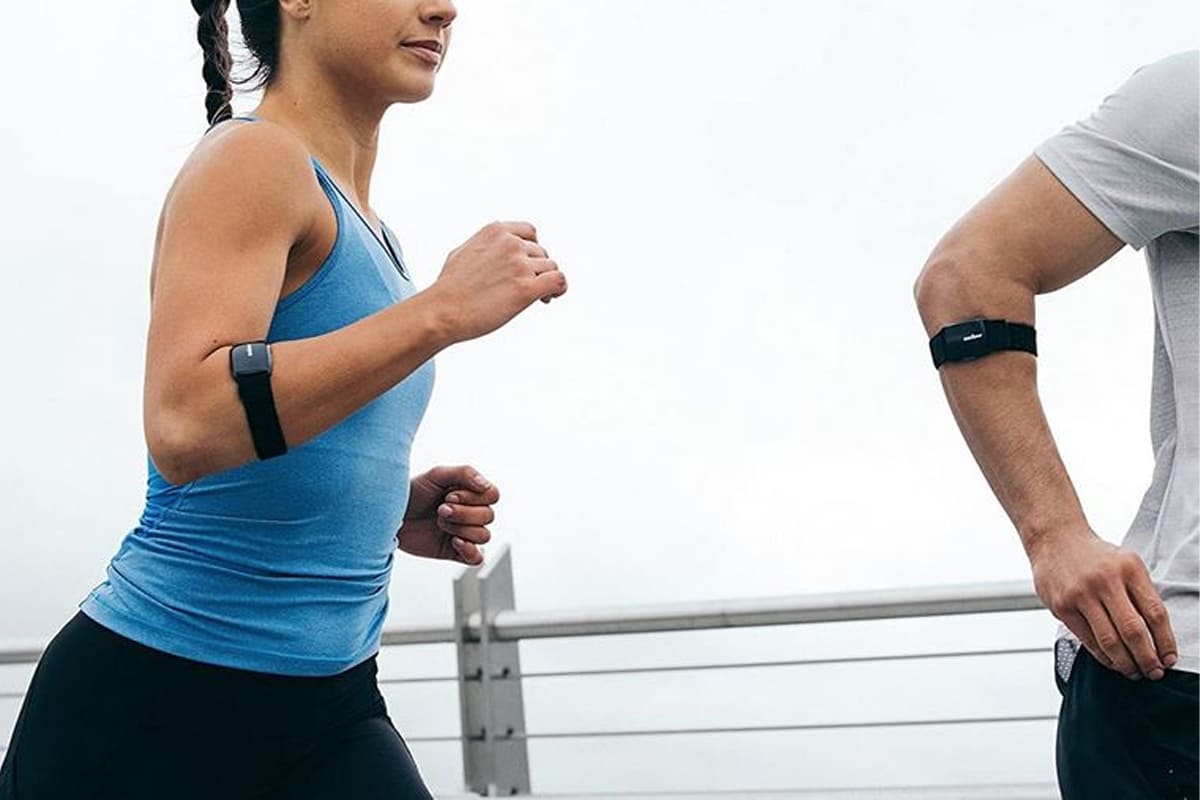
Armbands use PPG sensors placed on the upper or lower arm, combining better signal stability than wrist devices with greater comfort than chest straps.
Best for: Runners upgrading from wrist-only tracking
Pros: Reduced motion artifact; avoids wrist blood flow restrictions
Cons: Still optical, so susceptible to skin tone and tattoo interference
Since the upper arm moves less than the wrist during running, armbands avoid many of the pitfalls of wrist-based PPG. They are popular among runners who want better data without the chest strap feel, especially when paired with a watch or cycling computer.
Why Accuracy Varies by Device
Motion Interference and Activity Type
Movement is the biggest enemy of optical sensors. In activities like running, repetitive arm swing can cause “cadence lock,” where the PPG sensor mistakes stride frequency for heart rate, often reporting implausibly low values such as 60 bpm during a sprint.
Chest straps avoid this problem by measuring electrical signals unaffected by limb motion. Armbands also reduce cadence lock due to more stable positioning. For cycling, gripping handlebars can restrict wrist blood flow, making wrist monitors unreliable unless the rider periodically lifts their hands.
Skin Tone and Tattoo Impact on Readings
Multiple studies confirm that PPG sensors perform less accurately on darker skin tones. Melanin absorbs more light, reducing the signal-to-noise ratio and weakening the sensor’s ability to detect subtle blood flow changes.
Similarly, dark tattoos absorb LED light, blocking penetration to capillaries. If a sensor sits over a heavily inked area, it may fail entirely. For users with dark skin or tattooed arms, ECG chest straps are the only guaranteed solution for accurate, optical-free monitoring.
Environmental Challenges
Extreme conditions also affect readings in important ways:
- Cold weather causes vasoconstriction, narrowing blood vessels and reducing blood flow to extremities, which makes PPG detection harder.
- Water immersion alters light refraction, challenging optical sensors during swimming. Some swim-optimized watches use specialized algorithms, but chest straps with ANT+ swim modes often perform better underwater.
Manufacturers like Garmin and Polar use adaptive algorithms to compensate, but results vary. Always check if your device is validated for specific conditions like pool swimming or cold-weather training.
Advanced Metrics Beyond BPM
Heart Rate Variability (HRV)
HRV measures the variation in time between heartbeats, offering insight into nervous system balance. High HRV indicates recovery and readiness; low HRV suggests fatigue, stress, or illness.
Modern HRMs use HRV to generate:
- Sleep scores
- Stress tracking
- Recovery time recommendations
- Overtraining alerts
By analyzing HRV trends over days or weeks, you can adjust training loads proactively and avoid burnout.
Training Zones for Targeted Workouts
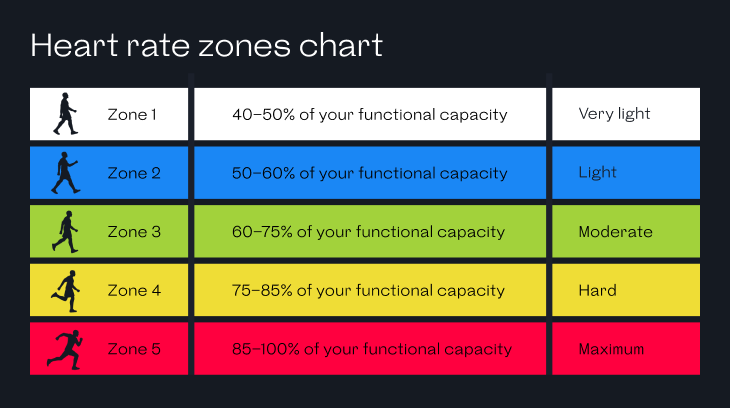
Heart rate zones help structure workouts based on intensity. Zones are calculated as percentages of your maximum heart rate (HR max).
| Zone | Intensity | Primary Benefit |
|---|---|---|
| Zone 1–2 | 50–70% HR max | Fat burning, aerobic base building |
| Zone 3 | 70–80% HR max | Endurance improvement |
| Zone 4–5 | 80–100% HR max | Anaerobic capacity, speed development |
Accurate zone training requires knowing your true HR max. While the old formula 220 minus age is now considered inaccurate, the revised 208 minus (0.7 × age) provides a better estimate across ages and genders. For best results, perform a field test such as a hill sprint to exhaustion or a lab stress test to determine personal HR max.
Run Dynamics and Recovery Insights
High-end devices track advanced biometrics when paired with accurate HRMs:
- Ground contact time: Shorter times often indicate better running economy
- Vertical oscillation: Excessive bounce wastes energy
- Recovery heart rate: How quickly your heart rate drops after exercise reflects cardiovascular fitness
These metrics help refine technique, prevent injury, and gauge long-term fitness improvements.
Connectivity and Data Integration
Wireless Transmission Protocols
HRMs send data via two main wireless standards:
- Bluetooth: Common for smartphone and smartwatch pairing
- ANT+: Preferred in sports tech for low power use and multi-sensor support, such as connecting HRM, cadence sensor, and power meter simultaneously
Devices with dual-band support (Bluetooth + ANT+) offer maximum compatibility with gym equipment, cycling trainers, and training apps like Zwift and TrainerRoad.
Syncing to Fitness Platforms
Your heart rate data becomes powerful when analyzed over time. Platforms like Garmin Connect, Strava, Polar Flow, and Apple Health aggregate historical trends in resting heart rate, HRV, and training load. Features include:
- Training Effect: Rates workout impact on fitness
- Recovery Advisor: Suggests optimal rest periods
- Sleep Staging: Uses HRV to identify deep, light, and REM sleep phases
- Smart Alerts: Notify you of unusually high or low heart rates
This long-term view helps you spot patterns, such as rising resting heart rate signaling overtraining or illness, before symptoms appear.
Choosing the Right Monitor for Your Goals

Match Device to Your Activity
For Competitive Athletes
Choose a chest strap HRM such as the Polar H10 or Garmin HRM-Pro. Its ECG accuracy ensures reliable data during intervals, races, and lab-grade analysis.
For General Fitness Tracking
A wrist-based smartwatch like the Fitbit Charge 6, Apple Watch, or Garmin Venu offers sufficient accuracy for walking, jogging, and daily health insights.
For Runners Upgrading from Wrist Sensors
An armband monitor such as the Wahoo TICKR Fit or Scosche Rhythm+ delivers better optical stability without chest strap discomfort.
For Users with Dark Skin or Tattoos
Opt for an ECG chest strap to bypass PPG limitations. Optical sensors may misread or drop signal entirely on pigmented skin.
Maximizing Accuracy: Best Practices
Proper Fit and Placement
Getting the most from your HRM starts with correct wear:
- Wrist: Wear snugly, about one finger width above the wrist bone. Avoid loose bands or tight sleeves covering the sensor.
- Chest: Wet the electrodes or apply conductive gel. Position the strap just below the pectoral muscles.
- Armband: Ensure firm contact with skin with no sliding during motion.
Skin and Sensor Maintenance
- Keep the sensor area clean and dry
- Wipe optical sensors with a soft cloth after workouts
- Update firmware regularly, as manufacturers release algorithm improvements
Warm-Up for Optical Sensors
PPG devices may take 30–60 seconds to lock onto your pulse during the first few minutes of activity. A light warm-up helps stabilize readings before starting interval timers or zone tracking.
Who Benefits Most from HRMs?
Runners and Cyclists
Use real-time heart rate to stay in target zones, avoid overexertion, and optimize endurance gains. Anti-cadence lock features in chest and armband monitors are critical for runners.
Triathletes
Need seamless transitions and multi-sport tracking. Devices with open-water swim detection and triathlon modes sync HR data across disciplines.
Weight Loss Seekers
Leverage calorie burn estimates based on HR, weight, age, and gender, along with fat-burning zone alerts to maximize fat oxidation during cardio.
Injury Rehab and Chronic Conditions
Patients recovering from injury or managing heart conditions use HRMs to stay within safe limits, ensuring they do not exceed prescribed intensities.
Health-Conscious Users
Around-the-clock heart rate and HRV tracking can reveal early signs of illness, stress, or disrupted sleep, prompting timely lifestyle adjustments or medical consultation.
Frequently Asked Questions About Heart Rate Monitors
What is the difference between ECG and PPG heart rate monitors?
ECG monitors, found in chest straps, detect the heart’s electrical impulses directly through skin-contact electrodes. PPG monitors, found in wrist and armband devices, use LED light to measure blood volume changes under the skin. ECG is more accurate and unaffected by motion or skin tone, while PPG offers greater convenience for continuous wear.
Why does my wrist heart rate monitor show wrong readings during exercise?
Wrist monitors use optical PPG sensors that can be confused by rapid arm movements, a phenomenon called “cadence lock” in runners. Other causes include loose fit, cold-induced vasoconstriction, or dark tattoos blocking the LED light. Switching to a chest strap or armband often solves these accuracy issues.
Are heart rate monitors accurate on dark skin tones?
PPG-based optical monitors tend to be less accurate on darker skin because melanin absorbs more light, weakening the sensor signal. ECG chest straps measure electrical signals directly and are not affected by skin pigmentation, making them the recommended choice for users with dark skin.
How do I calculate my maximum heart rate for training zones?
The revised Tanaka formula, 208 minus (0.7 × age), provides a more accurate HR max estimate than the outdated 220 minus age formula. For best accuracy, perform a supervised lab stress test or a field test such as an all-out hill sprint to exhaustion.
Can heart rate monitors detect medical problems?
HRMs are not medical devices and cannot diagnose conditions. However, consistent tracking can reveal concerning trends like chronically elevated resting heart rate or irregular rhythms. Smart alerts for abnormal patterns serve as awareness tools that should prompt consultation with a healthcare provider.
How long do chest strap heart rate monitors last?
Non-rechargeable chest straps using replaceable coin-cell batteries can last up to 400 hours of active use. Rechargeable models typically offer between 30 and 110 hours per charge, depending on the brand and transmission protocol used.
Key Takeaways for Understanding Heart Rate Monitor Technology
So, how do heart rate monitors work? They rely on either electrical signal detection (ECG) or optical blood flow sensing (PPG), each with trade-offs between accuracy and convenience. Chest straps lead in precision; wrist devices win in usability; armbands offer a balanced middle ground. Your ideal choice depends on your goals, physiology, and the activities you pursue.
Start by identifying your primary need, whether competitive training, daily wellness, or upgrading from wrist tracking, and match the technology accordingly. If you have dark skin or tattoos, prioritize an ECG chest strap to avoid optical limitations. Test your device’s accuracy against perceived effort during familiar workouts, and use the data trends over weeks rather than single readings to guide your decisions. By understanding the technology behind the numbers, you transform your heart rate monitor from a simple gadget into a powerful tool for health, performance, and long-term wellness.