Best Weighted Cardio Exercises for Fat Loss (2026 Guide)
You’re tired of long treadmill sessions that eat up your morning and leave your muscles flat. You want results that show in the mirror, not just on the calorie counter. The good news? You don’t need an hour on the stair climber to transform your body. Weighted cardio exercises combine resistance training with heart-pumping intensity to deliver fat loss, muscle retention, and endurance in half the time of traditional routines.
In this guide, you’ll discover the science behind why lifting weights while moving fast works so well, the exact equipment you need (spoiler: it’s simple), battle-tested workout structures, and four ready-to-use templates you can start today. Whether you’re a busy parent, a remote worker, or simply someone who hates boring cardio, this approach turns 20 minutes into a full-body transformation.
Why Weighted Cardio Outperforms Traditional Cardio
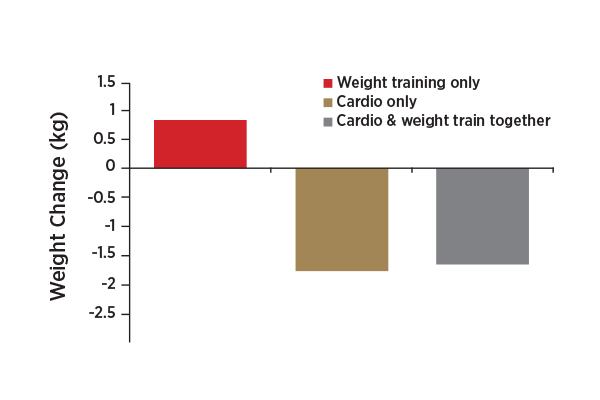
The Muscle-Sparing Fat Burn Most Cardio Misses
Running for 45 minutes burns calories, but it also signals your body to break down muscle for fuel, especially when nutrition isn’t dialed in. Weighted cardio flips this script. By adding external load to dynamic movements, you increase total work output, forcing your heart, lungs, and muscles to adapt together.
The magic happens through incomplete rests. Instead of zoning out on a treadmill for an hour, you cycle through exercises with minimal downtime. Your heart rate stays elevated, your muscles stay engaged, and your body triggers excess post-exercise oxygen consumption (EPOC), meaning you keep burning fat for hours after you put the weights down.
Research-backed numbers tell the story: a 20 to 30 minute weighted session can torch 250 to 500 calories during the workout, with significantly higher afterburn than moderate jogging. You get more done in less time, and the results stick.
Who Gets the Best Results?
- Time-crunched professionals who need full-body work in 15 to 30 minutes
- Fat loss seekers who refuse to sacrifice hard-earned muscle
- Home exercisers with limited space and equipment
- Beginners and advanced athletes who can scale intensity by weight, speed, or rest
- Joint-conscious trainees looking for a lower-impact alternative to pavement pounding
Choose the Right Equipment for Maximum Impact

Dumbbells: Your Versatile Foundation
Dumbbells are the cornerstone of any weighted cardio setup. Their portability and range of sizes make them perfect for circuits where speed matters as much as strength.
- Light weights (0.5 to 1kg / 1 to 2lbs): Ideal for high-speed moves like shadow boxing, lateral raises, and skier swings where endurance is the goal
- Moderate weights (2 to 5kg+): Best for goblet squats, thrusters, and rows where you need enough resistance for 10 to 15 reps with good form
- Multiple pairs on hand: Switch between light and heavy without breaking your rhythm
Pro Tip: Hex dumbbells are your best friend for floor exercises like renegade rows. Their flat sides prevent rolling and give you a stable grip when your hands get sweaty.
Kettlebells for Explosive, Functional Power
Kettlebells have an offset center of gravity that challenges your grip, core, and posterior chain in ways dumbbells can’t match. The unique shape makes them perfect for momentum-driven movements.
- Best exercises: Kettlebell swings, Turkish get-ups, and clean-and-press complexes
- Starting weight: 8 to 16kg (18 to 35lbs) depending on your fitness level
- Key advantage: Engages stabilizers and grip strength more intensely than standard dumbbells
Slam Balls and Medicine Balls
Built to take a beating, these tools are designed for explosive, full-body movements that spike your heart rate fast.
- Overhead slams: Generate maximum force and torch calories
- Rotational throws: Fire up your obliques and core under load
- HIIT ready: Perfect for 45-second all-out intervals followed by 15 seconds of rest
Helpful Accessories Worth Considering
- Jump rope: Five minutes primes your heart rate and coordination before the main workout
- Resistance bands: Add tension to bodyweight moves when weights aren’t available
- Adjustable bench: Expands your options for presses and step-ups (optional but useful)
- Interval timer: Essential for EMOM and HIIT protocols where every second counts
Build Workout Structures That Actually Work
EMOM: Every Minute on the Minute
EMOM is one of the most effective formats for weighted cardio because it structures your intensity and rest automatically.
How it works:
– Set a timer to repeat every 60 seconds
– At the top of each minute, perform a set number of reps
– Rest for whatever time remains in that minute
– Switch exercises at the start of the next minute
Example 5-Minute Cycle (Repeat 4 Times):
1. Minute 1: 10 Goblet Squats
2. Minute 2: 10 Dumbbell Skier Swings
3. Minute 3: 10 Dumbbell Squat Presses
4. Minute 4: 10 Split Jumps
5. Minute 5: 10 Pushup and Rows
Total time: 20 minutes. No extra rest needed. Your heart rate stays elevated throughout.
Continuous Circuit: AMRAP Style
AMRAP (as many reps as possible) circuits keep you moving with virtually no downtime.
Structure:
– 10 exercises
– 60 seconds per exercise
– 5 seconds to transition
– 3 full rounds
Example Circuit:
1. Bicep Curls
2. Curtsy Lunges
3. Single Arm Overhead Press
4. Goblet Squats
5. Lateral Raises
6. Front Squats
7. Bent-Over Rows
8. Hammer Curls
9. Floor Press
10. Renegade Rows
Total time: roughly 30 minutes. Speed and weight selection control intensity.
HIIT with Weights: Maximum Calorie Burn
HIIT supercharges fat loss by alternating short bursts of maximum effort with brief recovery.
Standard format:
– 45 seconds of work
– 15 seconds of rest
– Repeat for 4 to 6 rounds
Advanced 22-Minute Template:
– Round 1: Chest-to-Floor Burpees (45 sec), then rest (60 sec)
– Round 2: Kettlebell Swings (45 sec) immediately into Dumbbell Thrusters (45 sec), then rest (60 sec)
– Repeat the entire sequence 3 times
This format delivers peak metabolic stress and triggers strong EPOC for hours of post-workout fat burning.
Master the Essential Weighted Cardio Moves
Goblet Squat: The Full-Body Foundation
Muscles worked: Quads, glutes, core
Equipment: One dumbbell
Execution:
1. Hold the dumbbell vertically against your chest with both hands cupping the top
2. Stand with feet shoulder-width apart, toes pointing forward
3. Squat deep until your thighs pass parallel, keeping your back flat and chest up
4. Drive through your heels to return to standing
Cardio application: Perform 10 reps at the top of each minute in EMOM format.
Dumbbell Skier Swing
Muscles worked: Hamstrings, glutes, shoulders, core
Equipment: Pair of dumbbells
Execution:
1. Stand with feet hip-width apart, knees slightly bent
2. Hinge at your hips and swing the dumbbells back between your legs
3. Explosively thrust your hips forward, using momentum to swing the weights to chest level
4. Remember: power comes from your hips, not your arms
Volume: 10 reps per minute.
Dumbbell Squat Press (Thruster)
Muscles worked: Quads, glutes, shoulders, triceps
Equipment: Dumbbells held at shoulder height
Execution:
1. Squat down until your thighs pass parallel
2. As you stand, press the weights overhead in one fluid motion
3. Lower the weights back to your shoulders as you descend into the next rep
Cardio benefit: Combines leg drive and upper-body push for an instant heart rate spike.
Weighted Burpees
Muscles worked: Full body, cardiovascular system
Equipment: Light dumbbells (1kg)
Execution:
1. Hold dumbbells, drop into a squat, and place the weights on the floor
2. Kick back to a plank position (add a pushup if desired)
3. Jump your feet back to the squat, grab the weights, and jump up
4. Land softly and repeat
Volume: 3 sets of 15 reps.
Safety note: Keep your core tight and avoid rounding your back during the plank phase.
Renegade Row
Muscles worked: Back, triceps, core, stabilizers
Equipment: Hex dumbbells
Execution:
1. Start in a plank position with hands on the dumbbells
2. Row the right dumbbell to your waist while keeping your hips stable
3. Lower it with control, then repeat on the left side
4. Alternate sides
Form cue: Squeeze your shoulder blades at the top and resist the urge to twist your hips.
Avoid the Mistakes That Sabotage Results
Pick the Right Weight for Speed
Too heavy and your movement slows down, which drops your heart rate. Too light and there’s no challenge, which means minimal gains.
Weight guidelines:
– Upper body speed moves (lateral raises, shadow boxing): 0.5 to 1kg
– Lower body compounds (squats, lunges): Moderate to heavy dumbbells
– HIIT bursts: Light enough to move fast, heavy enough to fatigue
Rule of thumb: If you can’t complete 10 clean reps with speed, the weight is too heavy for cardio work.
Never Sacrifice Form for Speed
The temptation to rush through reps is real, especially when your heart is pounding. But poor form leads to injury and shuts down your progress.
Critical form cues:
– Keep knees tracking over toes in squats and lunges
– Maintain a flat back during hinges and rows
– Control the lowering phase (eccentric) even during fast sets
– Engage your core in every movement
Pro tip: Film yourself occasionally. A shaky plank or twisted hips means you’re overloading or moving too fast.
Rest Smart, Not Long
Rest in weighted cardio isn’t about stopping. It’s about partial recovery that keeps intensity high.
- Between exercises: 5 seconds (just enough to transition)
- Between rounds: 60 seconds
- In EMOM: Whatever time remains in the minute after you finish your reps
If your performance crashes by round 3, reduce the weight or add a few seconds of rest. Don’t grind through with broken form.
Ready-to-Use Workout Templates

Template 1: 20-Minute EMOM Blast
Best for: Quick, effective full-body sessions
Equipment: Dumbbells
Timer: Set to repeat every 60 seconds
Cycle (Repeat 4 Times):
– Minute 1: 10 Goblet Squats
– Minute 2: 10 Skier Swings
– Minute 3: 10 Squat Presses
– Minute 4: 10 Split Jumps
– Minute 5: 10 Pushup and Rows
Result: 20 minutes of sustained intensity with zero boredom.
Template 2: 30-Minute Circuit Blitz
Best for: Complete full-body conditioning
Structure: 10 exercises, 60 seconds each, 5 seconds rest between moves, 3 full rounds
Exercises:
1. Bicep Curls
2. Curtsy Lunges
3. Single Arm Overhead Press
4. Goblet Squats
5. Lateral Raises
6. Front Squats
7. Bent-Over Rows
8. Hammer Curls
9. Floor Press
10. Renegade Rows
Pro tip: Use lighter weights for upper body isolation moves so you can maintain speed throughout the minute.
Template 3: 22-Minute HIIT Power Session
Best for: Advanced fat burn and maximum EPOC
Structure:
– Round 1: Chest-to-Floor Burpees (45 sec), then rest (60 sec)
– Round 2: Kettlebell Swings (45 sec) directly into Dumbbell Thrusters (45 sec), then rest (60 sec)
– Repeat the entire sequence 3 times
Intensity: Go all-out in each interval. This session burns calories fast and keeps your metabolism elevated for hours.
Template 4: Weighted Shadow Boxing Routine
Best for: Warm-ups or coordination-focused cardio
Equipment: 0.5kg dumbbells
Protocol:
– 30 seconds: Alternating jabs, hooks, and crosses with bobbing and weaving
– 60 seconds: Rest
– Repeat for 4 total sets
Benefits: Engages your arms, core, and legs while improving agility and rhythm.
Maximize Results with Smart Programming

Train 3 to 5 Times Per Week
Weighted cardio is demanding. Don’t try to do it daily. Aim for 3 to 5 sessions per week with recovery days in between.
Sample weekly split:
– Monday: EMOM Circuit
– Wednesday: HIIT Power Session
– Friday: Circuit Blitz
– Saturday: Shadow Boxing Finisher
Use It as Warm-Up, Main Workout, or Finisher
Weighted cardio is versatile enough to serve multiple roles in your training.
- Warm-up: 5 minutes of jump rope plus 2 rounds of light shadow boxing
- Main workout: A 20 to 30 minute circuit or HIIT session
- Finisher: A 10-minute AMRAP of burpees, swings, and thrusters at the end of a strength session
Track Progress with Heart Rate
Your goal is to keep your heart rate in the 70 to 90 percent of max zone throughout the workout.
- Use a fitness watch or chest strap for accurate readings
- If your heart rate drops, reduce rest or increase speed
- If your form breaks down, reduce weight or add a few seconds of rest
Frequently Asked Questions About Weighted Cardio Exercises
How Often Should I Do Weighted Cardio Per Week?
Three to five sessions per week is the sweet spot for most people. This frequency allows for adequate recovery while delivering consistent fat-burning and muscle-preserving benefits. On off days, focus on mobility work, walking, or light stretching to support recovery.
Can Beginners Do Weighted Cardio Exercises Safely?
Absolutely. Beginners should start with lighter weights (0.5 to 2kg) and focus on mastering form before increasing intensity. The beauty of weighted cardio is its scalability. You can adjust weight, speed, and rest intervals to match your current fitness level and progress gradually.
What Equipment Do I Need to Start?
A single pair of light dumbbells (2 to 5kg) and a timer are enough to begin. As you progress, adding a second pair for heavier lower body work and a kettlebell for swings will expand your options. A yoga mat provides a stable surface for floor exercises.
Will Weighted Cardio Make Me Bulky?
No. Weighted cardio is designed for fat loss and muscle definition, not bulk. The rep ranges (10 to 15 per set) and high-intensity circuits promote lean, functional muscle rather than hypertrophy. Women especially can train without fear of getting “too big.”
How Long Until I See Results?
Most people notice improved endurance and energy within 2 weeks. Visible changes in body composition typically appear within 4 to 6 weeks when combined with consistent training and proper nutrition. The EPOC effect means fat burning continues long after each session.
Is Weighted Cardio Better Than Running for Fat Loss?
Weighted cardio is more time-efficient and muscle-sparing than steady-state running. While running burns calories during the workout, weighted cardio triggers a higher afterburn effect (EPOC) and preserves lean muscle mass, leading to better long-term body composition changes in less time.
Key Takeaways for Weighted Cardio Success
Weighted cardio exercises deliver what traditional cardio often can’t: simultaneous fat loss, muscle preservation, and time efficiency. By combining resistance with elevated heart rate through incomplete rests and compound movements, you create a metabolic environment that keeps burning calories for hours after your workout ends.
Start with the 20-minute EMOM template using light dumbbells. Focus on mastering form before adding weight or speed. Train 3 to 5 times per week, track your heart rate, and progressively increase intensity as your fitness improves. Within weeks, you’ll notice sharper muscles, better endurance, and a leaner physique.
The future of cardio isn’t just running. It’s resistance with rhythm. Grab your dumbbells, set your timer, and experience what weighted cardio can do for your body in just 20 minutes a day.