Teen Cardio Workout: Quick Steps
Every day, millions of teens scroll, sit, and study, but only 1 in 4 meets the recommended 60 minutes of daily physical activity. That is a major missed opportunity. A teenage cardio workout is not just about fitness. It is a powerful tool for boosting energy, sharpening focus, building stronger bones, and fighting stress. The good news? You do not need a gym membership or expensive gear to get started. Whether it is dancing in your room, jumping rope, or playing basketball with friends, effective cardio is within reach for every teen.
This guide breaks down exactly how to build a safe, enjoyable, and sustainable cardio routine tailored for teenagers. You will learn the science-backed benefits, discover fun and effective workouts for all fitness levels, and get practical tips to stay consistent without burnout. Let us turn that 60-minute goal from overwhelming to achievable.
Why Cardio Matters for Teens
Boosts Heart, Brain, and Mood
Cardio does more than keep your heart strong. It sharpens your mind and stabilizes your emotions. When you elevate your heart rate through aerobic exercise, your body delivers more oxygen to your brain, improving concentration and memory. This directly supports academic performance. At the same time, cardio reduces stress hormones like cortisol and triggers the release of endorphins, the brain’s natural mood lifters. Teens who exercise regularly report lower anxiety, fewer depressive symptoms, and better sleep.
Beyond mental health, cardio strengthens your cardiovascular system, making everyday tasks like climbing stairs or rushing to class feel easier. Over time, it helps maintain a healthy weight and lowers the risk of chronic diseases later in life.
Builds Stronger Bones for Life
Your teenage years are the most critical time to build bone density. Weight-bearing cardio activities like running, jumping rope, dancing, or playing tennis stimulate bone-forming cells. Since peak bone mass occurs between ages 25 and 30, the habits you build now lay the foundation for lifelong skeletal health. Strong bones now mean fewer fractures and a lower risk of osteoporosis later.
Even moderate activities like brisk walking or stair climbing contribute. The key is consistency. The more often you move, the stronger your bones become.
How Much Cardio Do Teens Need?
Hit the 60-Minute Daily Target
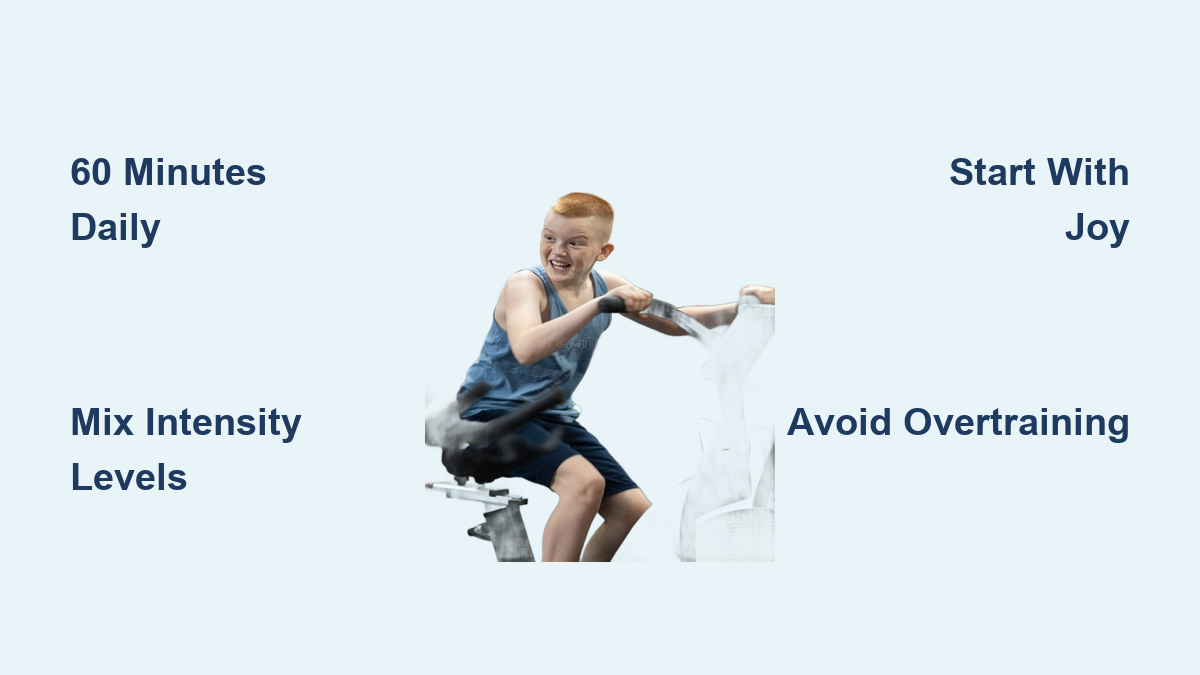
Health experts from the CDC, NHS, and U.S. Department of Health agree: teens need 60 minutes of moderate-to-vigorous physical activity every day. This is not a one-time goal. It is a daily habit, like brushing your teeth. The 60 minutes do not need to happen all at once. You can break it into chunks, such as 20 minutes before school, 20 minutes after class, and 20 minutes dancing to music at home.
If 60 minutes feels like too much right now, start with 30 minutes, three times a week. That is a solid entry point. Then gradually increase duration or frequency. The goal is progress, not perfection.
Mix Intensity for Best Results
Not all cardio is the same. To get the full benefit, vary the intensity using the Talk Test:
- Moderate intensity: You can talk, but not sing (brisk walking, light cycling).
- Vigorous intensity: You can only say a few words without catching your breath (running, jumping rope, playing soccer).
Aim to include 3 to 4 days of vigorous activity per week. This mix improves endurance, burns more calories, and keeps workouts exciting.
Best Cardio Activities for Teens

Gym Machines Made Simple

If you have gym access, machines are great for building confidence and tracking progress. They are low-pressure and easy to control.
Treadmill: Walk, Jog, or Sprint
Use the treadmill for steady-state cardio or interval training. Start with 10 minutes of brisk walking or light jogging. As fitness improves, try HIIT: 2 minutes of jogging followed by 30 seconds of sprinting, repeated 3 to 5 times.
Pro tip: Incline walking at 3 to 5 percent increases intensity without straining joints.
Stationary Bike: Low-Impact Power
Cycling is gentle on knees and ankles, making it ideal for beginners or those with joint concerns. Ride at a moderate pace for 20 to 30 minutes, or do intervals: 1 minute hard, 2 minutes easy.
Look for: Smooth resistance changes and a comfortable seat.
Rowing Machine: Full-Body Burn
Rowing works legs, core, back, and arms, all while delivering solid cardio. Focus on form: push with legs first, then pull with arms. Start with 10 to 15 minutes of steady rowing.
Warning: Poor form can strain the lower back. Watch a tutorial first.
Elliptical: Joint-Friendly Cardio
The elliptical mimics running without the impact. Use moving handles for upper-body engagement. Great for longer sessions of 20 to 30 minutes at moderate pace.
Best for: Injury recovery or low-impact variety.
Home and Bodyweight Cardio Options
No gym? No problem. Some of the most effective cardio workouts require zero equipment.
Jump Rope: High-Intensity in Minutes
Just 10 minutes of jumping rope equals 30 minutes of jogging in calorie burn. It builds coordination, agility, and endurance. Start with 30 seconds on, 30 seconds off, for 5 rounds.
Beginner hack: Use a slow-motion rope or practice without jumping to learn the rhythm.
Dancing: Fun That Feels Like Play
Follow TikTok dances, YouTube tutorials, or freestyle to your favorite playlist. Dancing is vigorous aerobic activity disguised as fun. A 30-minute dance session can burn 200 to 300 calories.
Pro tip: Invite a friend. Social dancing boosts motivation.
Running and Jogging: Simple and Effective
All you need is supportive shoes. Start with a 10-minute jog-walk combo: 1 minute jog, 2 minutes walk. Gradually increase jogging time. Use a track, park, or neighborhood route.
Safety first: Run against traffic, wear bright clothing, and carry your phone.
Brisk Walking: Underrated but Powerful
Walking at 3 to 4 mph counts as moderate cardio. It is perfect for recovery days, mental clarity, or building the habit. Try walking to school, mall walking, or post-dinner neighborhood strolls.
Boost intensity: Add hills, carry light weights, or walk faster.
Sports and Group Activities
Team sports make cardio feel like play, not work.
Team Sports: Build Skills and Stamina
Basketball, soccer, lacrosse, and football involve constant movement, including sprinting, dodging, and jumping. These games deliver intermittent vigorous cardio, which improves both endurance and agility.
Bonus: Team sports build communication, leadership, and resilience.
Individual Sports: Focus and Challenge
Tennis, swimming, cross-country running, and badminton offer sustained aerobic effort with mental engagement. Swimming laps, in particular, is full-body, low-impact, and excellent for lung capacity.
Ideal for: Teens who prefer solo challenges or creative movement.
Performance Groups: Hidden Cardio Gold
Cheerleading, dance teams, drill squads, and color guard involve intense running, jumping, and choreography. Rehearsals often exceed 60 minutes of vigorous activity, and they count toward your daily goal.
Build Your Weekly Cardio Plan

Beginner Routine: Start Small, Stay Consistent
If you are new to exercise, consistency beats intensity. Focus on showing up.
Sample Weekly Plan
- Monday: 20-minute brisk walk or light jog
- Wednesday: 15-minute jump rope (30s on, 30s off) plus 5-minute dance
- Friday: 20-minute bike ride or elliptical session
- Weekend: 30-minute hike, skate, or sports game
Goal: Complete 3 to 4 sessions per week. Gradually increase time or frequency.
Progress safely: Follow the 10 percent rule. Do not increase weekly workout time or distance by more than 10 percent per week to avoid injury.
Intermediate Plan: Add Intensity and Variety
Once you are active 3 to 4 times a week, boost intensity and structure.
Sample Weekly Split
- Day 1: Strength (Upper Body)
- Day 2: Active Recovery (Walk, yoga, stretch)
- Day 3: Cardio plus Core (20 min bike plus 10 min ab circuit)
- Day 4: Strength (Lower Body)
- Day 5: Active Recovery
- Day 6: Group Class (Dance, spin, HIIT)
- Day 7: Rest
Include 2 to 3 days of vigorous cardio. Try HIIT workouts:
- Warm up 5 minutes
- 30 seconds sprint, 90 seconds easy (repeat 6x)
- Cool down 5 minutes
Total time: About 25 minutes, high impact.
Warm-Up and Cool-Down Essentials
Dynamic Warm-Up: Prep Your Body
Never skip the warm-up. It primes muscles, increases blood flow, and reduces injury risk.
5-Minute Dynamic Routine
- Leg swings (front/back, side/side): 30 seconds each
- Arm circles: 30 seconds forward, 30 seconds backward
- Walking lunges: 10 per leg
- High knees: 30 seconds
- Butt kicks: 30 seconds
- Torso twists: 1 minute
Key: Move continuously. No holding positions.
Static Cool-Down: Recover and Stretch
After cardio, cool down to lower heart rate and prevent stiffness.
5-Minute Stretch Routine
- Hamstring stretch (seated, reach for toes): 30 seconds
- Quad stretch (standing, pull foot to glute): 30 seconds per leg
- Chest stretch (doorway stretch): 30 seconds
- Child’s pose: 1 minute
- Seated forward fold: 1 minute
Hold each stretch 30 to 60 seconds. Breathe deeply. No bouncing.
Avoid Overtraining and Injury

Spot the Warning Signs
Exercise is healthy until it is not. Overtraining happens when you push too hard without enough recovery.
Red Flags
- Constant fatigue or exhaustion
- Frequent injuries or joint pain
- Trouble sleeping
- Mood swings, irritability, or sadness
- Declining grades
- Loss of interest in exercise
- Elevated resting heart rate
If you notice these, scale back. Take 2 to 3 rest days. Switch to light activity like walking or yoga.
Recovery Is Part of the Plan
Teens need 8 to 10 hours of sleep nightly for muscle repair, hormone balance, and brain function. Without enough rest, gains stall and injury risk rises.
Add active recovery days, which are light movement that boosts circulation without strain. Think walking, stretching, or casual cycling.
Support for Overweight Teens
Focus on Health, Not the Scale
Cardio should never feel like punishment. For overweight teens, the goal is feeling better, not just losing weight.
Key Principles
- Start low, go slow: Begin with 10 to 15 minutes of walking or cycling.
- Choose enjoyable activities: Dancing, swimming, or riding a bike with friends.
- Celebrate non-scale wins: More energy, better sleep, clothes fitting better.
- Avoid negative talk: Never shame or compare. Focus on strength and progress.
Support system: Parents should encourage effort, not appearance. Say, “You looked strong out there,” not “You’re losing weight.”
Parental Role: Encourage, Don’t Pressure
Model Active Behavior
Teens mirror their parents. If you are active, they are more likely to be. Go for family walks, dance in the kitchen, or try a workout video together.
No lectures: Let your actions speak.
Provide Emotional Support
Focus on effort, joy, and skill, not winning or looks. Say:
- “I love how you kept going even when it got tough.”
- “You seemed really happy during that game.”
Avoid comments like:
- “You should run faster.”
- “This will help you lose weight.”
These can damage self-esteem and lead to quitting.
Practical Help That Works
- Gear up: Help them get supportive shoes and comfortable clothes.
- Transport: Drive them to the gym, park, or practice.
- First visit: Go with them to the gym to reduce anxiety.
- Goal setting: Help set small, realistic goals, like “Walk 15 minutes, 3 days this week.”
Make It Stick: Long-Term Success
Find What You Love
The best workout is the one you will actually do. Ask:
- What did you love as a kid? (Tag? Dance? Bike rides?)
- Do you like being outdoors or inside?
- Do you prefer solo time or group energy?
- What music gets you moving?
Try different activities until one clicks.
Mix It Up to Avoid Burnout
Doing the same workout every day gets boring. Rotate:
- Monday: Dance video
- Wednesday: Jump rope plus walk
- Friday: Bike ride
- Weekend: Basketball with friends
Variety keeps your body challenged and your mind engaged.
Track Progress the Right Way
Use a journal or app to log workouts. Track:
- Duration
- Intensity (how you felt)
- Mood before and after
- Energy levels
Avoid daily weigh-ins. Focus on performance: “I ran longer,” “I jumped more rounds,” “I felt stronger.”
Build a Fitness Community
Join a class, team, or online group. Exercising with others increases accountability and fun. Even one workout buddy can make a huge difference.
Frequently Asked Questions About Teenage Cardio Workouts
How much cardio should a teenager do per day?
Teens should aim for at least 60 minutes of moderate-to-vigorous physical activity every day, according to the CDC, NHS, and U.S. Department of Health. Beginners can start with 30 minutes, three times per week, and build up gradually.
What is the best cardio for a 14-year-old?
The best cardio is any activity the teen enjoys and can sustain. Jump rope, dancing, running, cycling, and team sports all qualify. Variety matters more than any single “best” exercise.
Is it safe for teens to do HIIT workouts?
Yes, HIIT is safe for teens with a base fitness level. Start with short intervals like 30 seconds of effort followed by 90 seconds of rest, and always include a warm-up and cool-down.
Can a teenager lose weight with cardio?
Cardio supports healthy weight management, but teens should focus on overall health, energy, and strength rather than the scale. Combining cardio with strength training and good sleep produces better results than cardio alone.
How often should a teenager work out each week?
Teens should be active daily, but structured workout sessions can happen 3 to 6 days per week, with at least one full rest day. Active recovery like walking or stretching can fill the remaining days.
What are signs of overtraining in teens?
Warning signs include constant fatigue, frequent injuries, trouble sleeping, mood swings, declining grades, and loss of interest in exercise. If these appear, reduce intensity and add more rest days.
Key Takeaways for Building a Lasting Teenage Cardio Workout
A successful teenage cardio workout starts with consistency, not intensity. Aim for 60 minutes of daily movement, mixing moderate and vigorous activities like jump rope, dancing, running, or team sports. Protect your progress with proper warm-ups, cool-downs, and 8 to 10 hours of sleep each night. Watch for signs of overtraining and adjust when needed. Most importantly, choose activities you genuinely enjoy, because the best routine is the one you will stick with for life.