Jogging Cardio Workout: Quick Steps
You lace up your running shoes, step outside, and start jogging. Simple, effective, and one of the most accessible ways to improve your cardiovascular health. A jogging cardio workout doesn’t require a gym, special equipment, or complicated routines. Yet it delivers powerful benefits: better endurance, improved heart health, calorie burn, and mental clarity.
Whether you’re a beginner building stamina or an experienced runner chasing faster times, this guide reveals how to maximize results with smart training strategies. You’ll learn how to structure effective jogging workouts, incorporate high-impact intervals, prevent injury, and use low-impact alternatives when needed. By the end, you’ll know how to turn your daily jog into a precision tool for fitness.
Optimize Your Cardio Routine
Jogging is just one piece of the cardiovascular puzzle. While highly effective, relying solely on steady-state runs limits your potential. The key to long-term progress lies in strategic variation.
Mix High- and Low-Impact Moves
Running is a high-impact activity. Both feet leave the ground, creating forces up to 2–3 times your body weight with each stride. Over time, this can strain joints, especially if you increase mileage too quickly. That’s where cross-training shines.
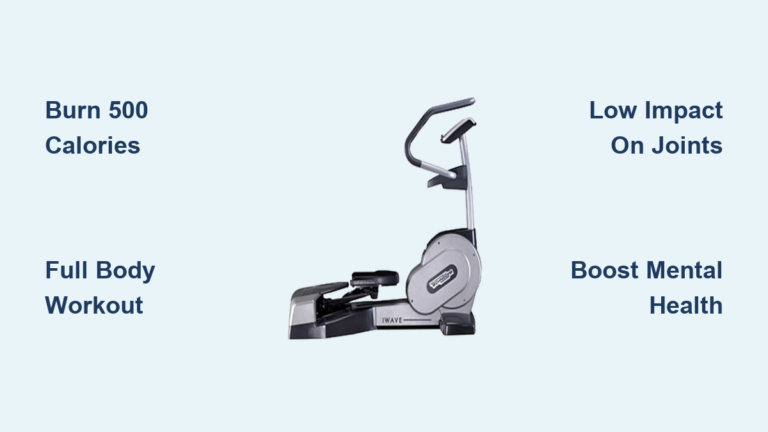
Incorporate low-impact cardio like cycling, rowing, swimming, or incline walking to maintain fitness while reducing joint stress. These modalities elevate your heart rate without pounding your knees and ankles. For example:
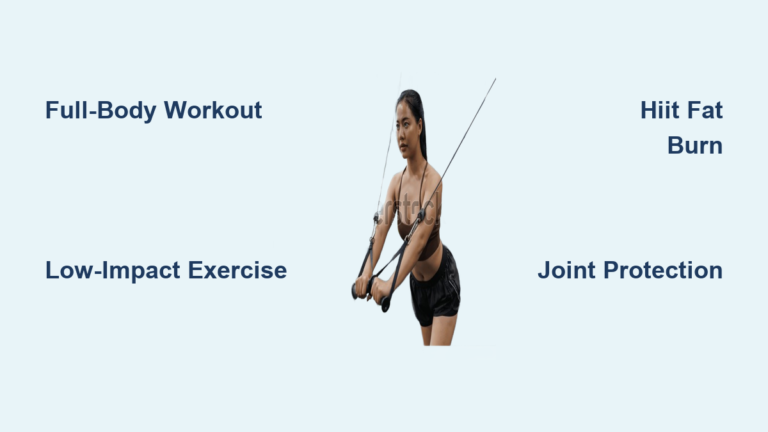
– Rowing engages legs, core, and upper body
– Cycling strengthens quads and glutes with minimal impact
– Incline walking builds knee-stabilizing muscles, ideal for rehab or active recovery
Alternating between jogging and low-impact sessions improves recovery, prevents burnout, and develops underused muscle groups.
Why Cross-Training Enhances Performance
Elite runners don’t just run. They cross-train to correct imbalances, boost endurance, and stay injury-free. Adding diverse movements increases mental engagement, strengthens stabilizer muscles, reduces repetitive strain, and speeds recovery on non-running days.
Try swapping one weekly jog for 30 minutes of swimming or rowing. You’ll maintain cardiovascular gains while giving joints a break.
Build Stamina With Interval Training
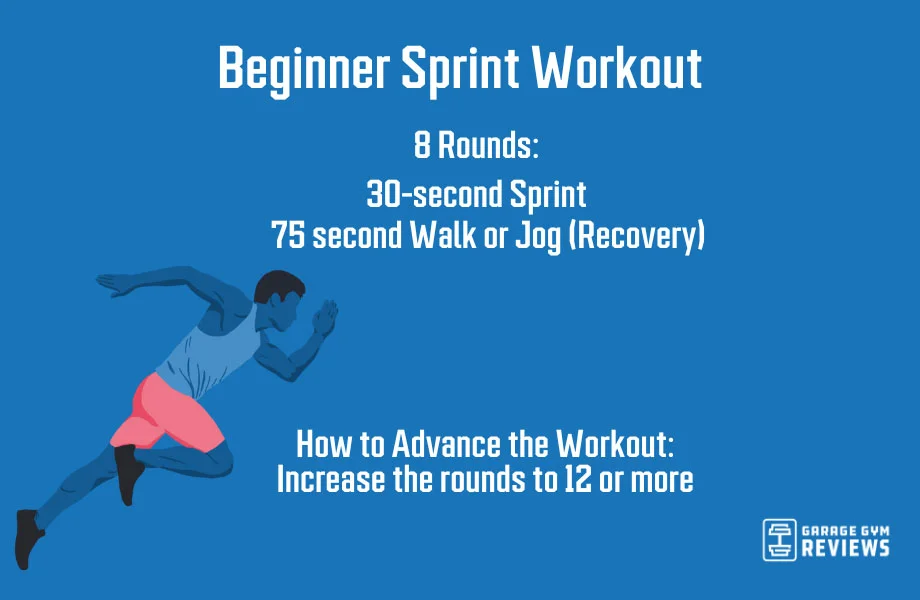
Interval training transforms a basic jog into a fat-burning, performance-boosting powerhouse. By alternating short bursts of high effort with recovery periods, you push your aerobic and anaerobic systems, leading to faster progress than steady jogging alone.
Start With Moderate Intervals (Beginner)
If you’re new to intervals, begin twice a week with a simple 30-second work, 30-second rest cycle.
Sample Beginner Routine:
1. Warm-up: 5 minutes of light jogging
2. Work Interval: Sprint at 75% effort for 30 seconds
3. Recovery: Slow jog or walk for 30 seconds
4. Repeat: Complete 3–6 cycles (add one per week)
5. Cool-down: 2–3 minutes of walking and stretching
Run on soft surfaces like grass or tracks to reduce joint impact. Over four weeks, build from three to six intervals per session.
Pro Tip: Don’t confuse “sprint” with “all-out.” Aim for a pace faster than your 30-minute run speed, not a full-blown sprint.
Advance With Cluster Intervals
Once comfortable, progress to cluster-based HIIT, ideal for boosting speed and stamina.
Advanced Interval Structure:
1. Warm-up: 5 minutes easy jog
2. Duty Cycle: 30 seconds sprint + 30 seconds slow jog
3. Form a Cluster: Repeat duty cycle 4 times
4. Rest: 1 minute between clusters
5. Repeat: 3–5 clusters (add one weekly)
6. Cool-down: 2–3 minutes walking and stretching
This method trains your body to recover faster, a critical skill for race-day performance.
Maximize Calorie Burn With HIIT Variations
You don’t need to run to get a powerful cardio effect. HIIT workouts using bodyweight moves or equipment deliver intense cardiovascular challenges in less time.
Non-Running HIIT Circuit (20 Minutes)
Alternate 30 seconds of max effort with 15–20 seconds rest. Complete 3–4 rounds.
| Exercise | Benefit |
|---|---|
| Burpees | Full-body power, explosive strength |
| Mountain Climbers | Core stability, running posture |
| Jump Rope | Coordination, endurance (10 min = 30-min jog) |
| Battle Ropes | Upper-body stamina, grip strength |
| Rowing (Machine) | Full-body cardio, low joint stress |
Rest 1 minute between full rounds. This combo burns 150–400 calories and triggers EPOC, the “afterburn effect,” keeping metabolism elevated for up to 48 hours.
Sprint Intervals for Speed Gains
Short, fast bursts improve leg turnover and aerobic capacity.
Sprint Interval Protocol:
– Warm-up: 5-minute easy jog
– Work: 30-second speed burst (start fast, then sprint)
– Recovery: 1-minute slow jog or walk
– Repeat: 6–8 cycles (20 minutes total)
– Cool-down: 5-minute easy jog
Perform once weekly. These sessions teach your legs to handle faster paces, directly improving race times.
Target Power With Hill Workouts
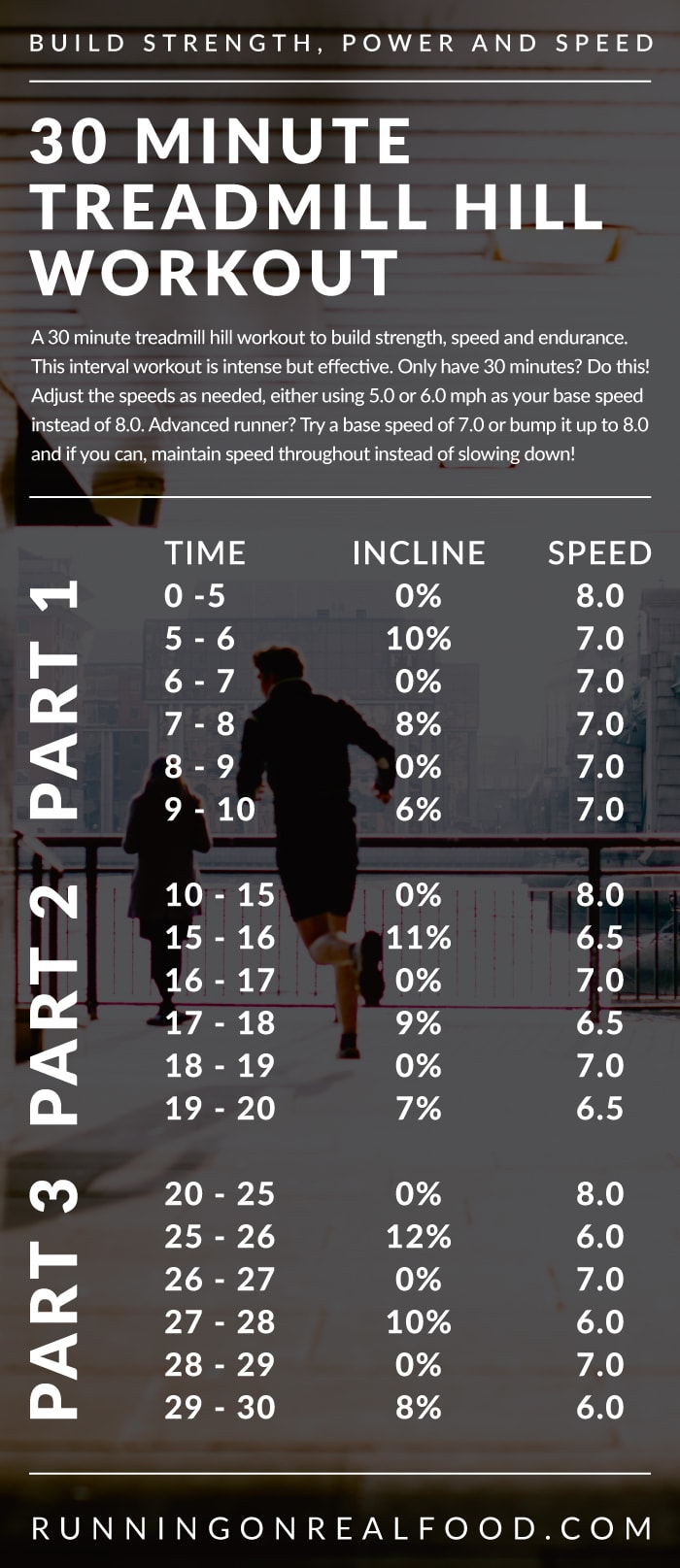
Hills are nature’s resistance training. A 30-minute hill workout builds explosive strength, burns more calories, and improves running form.
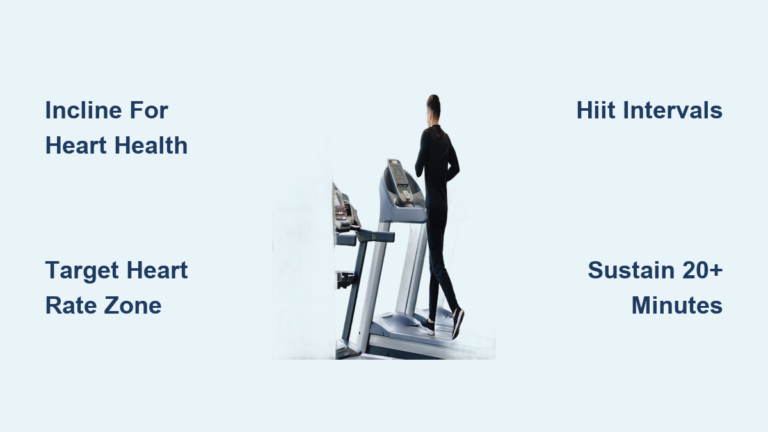
Treadmill Hill Routine
- Warm-up: 10-minute easy jog + 2–3 short strides
- Work Interval: 1 minute at 3–4% incline, hard effort (5K race pace)
- Recovery: 1 minute at 1% incline, easy pace
- Repeat: 7 total intervals
- Cool-down: 6 minutes easy jog
Visual Cue: Breathing should be labored; legs fatigued by the final reps.
Outdoor Alternative
Find a hill that takes about 1 minute to climb. Sprint up, recover walking or slow jogging down. Repeat 7 times. Uphill running recruits more muscle fibers, especially glutes and calves.
Boost Endurance With Ladder Workouts
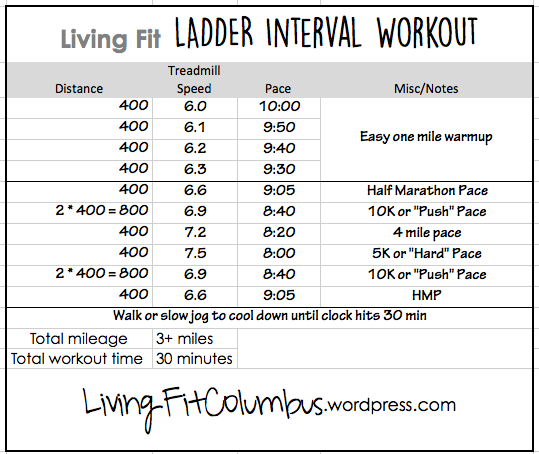
The ladder workout keeps your mind engaged while progressively challenging your aerobic system.
30-Minute Ladder Structure
- Warm-up: 5 minutes easy jog
- Intervals:
– 5 minutes at marathon pace (roughly 5/10 effort)
– 1 minute easy recovery
– Next interval: slightly faster
– Continue increasing pace each round - Cool-down: 5 minutes slow jog
Key Rule: Don’t start too fast. Save energy to accelerate in later intervals. This trains pacing discipline, a critical skill for long-distance races.
Combine Cardio and Strength Efficiently
Save time and build functional fitness with a run-strength combo, perfect for busy schedules.
30-Minute Total-Body Combo
- Warm-up: 5-minute easy jog
- Cycle:
– 1 minute run at 5K pace
– 1 minute bodyweight squats - Repeat: Alternate until 30 minutes complete
Add variety by swapping squats with plank jacks (core + cardio), bear crawls (stabilizer strength), or skater jumps (hip power, balance).
Master Bodyweight Cardio Moves
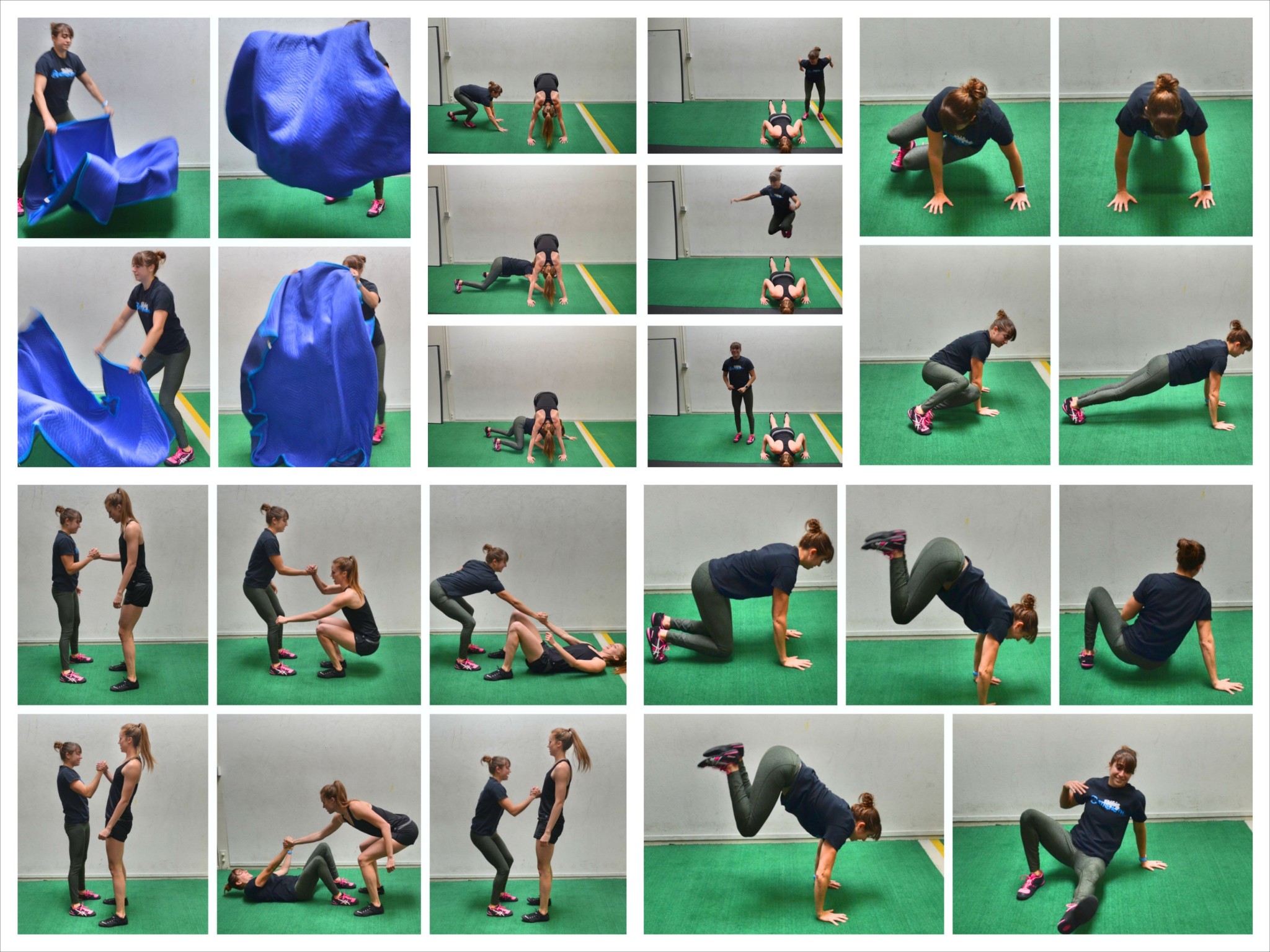
No equipment? No problem. These seven bodyweight exercises elevate heart rate fast and enhance running-specific strength.
Mountain Climbers
- Form: High plank, drive knees to chest rapidly
- Benefit: Builds core endurance for better posture
Burpees
- Form: Squat → plank → push-up → jump
- Benefit: Full-body power for explosive strides
Jumping Lunges
- Form: Alternate leg jumps in split stance
- Benefit: Corrects imbalances, improves stride symmetry
Plank Jacks
- Form: Plank position, jump feet wide and back
- Benefit: Engages deep core stabilizers
Squat Jumps
- Form: Squat down, explode upward
- Benefit: Activates stretch-shortening cycle for faster turnover
Bear Crawl
- Form: On hands and feet, crawl forward/backward
- Benefit: Stabilizes spine and pelvis, reduces torso rotation
Skater Jumps
- Form: Side hop with arm swing (like a speed skater)
- Benefit: Strengthens gluteus medius for lateral stability
Use in Circuits: Perform each for 30–45 seconds with 15 seconds rest. Repeat 3 rounds.
Track Real Performance Gains
A great jogging cardio workout isn’t just about effort. It’s about measurable progress.
Key Metrics That Improve
- VO₂ Max: Interval training increases oxygen uptake, letting you run faster with less fatigue
- Running Economy: Efficient oxygen use means more distance per breath
- Muscle Fiber Activation: HIIT recruits more fast-twitch fibers than steady jogging
- Resting Heart Rate: Drops with consistent training, a sign of improved cardiovascular health
- Calorie Burn: Hill runs and intervals burn more calories in less time
EPOC Effect: High-intensity sessions keep metabolism elevated 24–48 hours post-workout, ideal for fat loss.
Prevent Injury and Recover Smarter
Even the best jogging routine can backfire without proper recovery.
Reduce Joint Stress
- Avoid concrete: Run on grass, dirt trails, or rubberized tracks
- Follow the 10% Rule: Never increase weekly mileage by more than 10%
- Wear proper shoes: Replace every 300–500 miles
Warm-Up and Cool-Down
- Always warm up: 5–10 minutes of light jogging primes muscles
- Always cool down: 2–6 minutes of walking plus stretching prevents stiffness
Schedule Recovery
- Beginners: 2 interval sessions per week
- Advanced: 3 sessions per week max
- Active recovery: Try cycling or swimming on off days
Listen to your body. Joint soreness after new intervals is normal. Sharp pain is not.
Customize for Your Goals
Tailor your jogging cardio workout to match your objectives.
For Weight Loss
- Focus on HIIT and sprint intervals
- Leverage EPOC for all-day calorie burn
- Combine with strength circuits
For Knee Rehabilitation
- Replace flat runs with incline walking
- Strengthens quads and hamstrings without impact
- Improves knee range of motion
For Speed Development
- Use sprint intervals and hill repeats
- Increases leg turnover and explosive power
- Train once weekly to avoid overtraining
For Endurance Building
- Incorporate ladder workouts and long slow runs
- Gradually increase duration and pace
- Add cross-training to support aerobic base
Frequently Asked Questions About Jogging Cardio Workouts
How Often Should Beginners Do Interval Jogging Workouts?
Beginners should perform interval sessions twice per week. This frequency allows adequate recovery while building cardiovascular adaptations. Over four weeks, gradually add one duty cycle per session until reaching six intervals.
What Is the Best Surface for Running Intervals?
Soft surfaces like grass, dirt trails, or rubberized tracks are ideal. These reduce joint impact compared to concrete or asphalt. Beginners especially benefit from softer terrain to minimize injury risk during high-intensity efforts.
How Many Calories Does a 20-Minute Interval Session Burn?
A 20-minute interval session can burn between 150 and 400 calories, depending on intensity and body weight. Additionally, the EPOC effect keeps metabolism elevated for 24–48 hours post-workout, extending calorie burn at rest.
Can Jumping Rope Replace Running for Cardio?
Yes. Just 10 minutes of jumping rope can match the cardiovascular benefits of a 30-minute jog. It improves coordination, agility, endurance, and grip strength while being low-impact and time-efficient.
Is Incline Walking Good for Knee Rehab?
Yes. Recent research shows incline walking strengthens the quadriceps and hamstrings while improving knee range of motion. It provides cardiovascular benefits without the high-impact stress of running, making it ideal for rehabilitation.
What Should I Do If I Feel Sharp Pain While Running?
Stop immediately. Sharp pain signals potential injury, unlike normal post-workout muscle soreness. Rest the affected area, and consider consulting a healthcare provider before resuming your jogging cardio workout.
Key Takeaways for Your Jogging Cardio Workout
A jogging cardio workout is far more than a simple run. When structured with intention using intervals, hills, strength combos, and cross-training, it becomes a dynamic tool for total-body transformation. You’ll burn fat, build endurance, and run faster while protecting your joints.
Start with the beginner interval protocol, add variety weekly, and track your progress. Whether you’re chasing a personal best or simply want to feel stronger, the right cardio strategy makes all the difference.