How Cardio Machines Calculate Calories Burned
You hop on an elliptical, sweat through a 30-minute workout, and the display reads: “Calories burned: 425.” It feels like a win, until you wonder whether that number is even accurate. The truth is, most cardio machines estimate calorie burn using broad formulas that don’t truly reflect your individual body or effort. While these numbers can be motivating, they’re often misleading, sometimes by as much as 42%.
Understanding how machines arrive at these figures helps you make smarter fitness and nutrition decisions. In this guide, we’ll break down the real science behind calorie calculations, reveal which machines are most and least accurate, and show you how to interpret or even ignore the numbers for better long-term results.
The MET Formula Behind Every Calculation
Cardio machines don’t measure actual energy use like a lab test would. Instead, they predict calories burned using standardized formulas based on activity intensity, duration, and user input like weight. These estimates are convenient, but they’re built on averages, not personalized physiology.
What METs Actually Mean
Most machines rely on Metabolic Equivalent (MET) values from The Compendium of Physical Activities. One MET equals the energy you burn sitting at rest, about 1 kcal per kg of body weight per hour. Any physical activity is assigned a MET value above 1, indicating how many times more energy it uses than resting.
For example:
– Walking at 3 mph = 3.5 METs
– Running at 6 mph = 9.8 METs
– Cycling at moderate effort = 7 METs
The basic calorie formula is: Calories = MET value × Body weight (kg) × Time (hours)
If a 70 kg (154 lb) person runs at 6 mph for 30 minutes: 9.8 METs × 70 kg × 0.5 hours = 343 calories
Machines automate this math, but they often use default assumptions, especially if you skip entering your weight.
Why Default Settings Mislead You
Many users never input their personal data. When that happens, machines assume a standard weight of about 155 lbs (70 kg). This creates immediate inaccuracies:
– A 130-lb person may burn 15–20% fewer calories than displayed
– A 200-lb person likely burns 25–30% more than shown
Since muscle burns more energy than fat, two people of the same weight but different body compositions will also burn calories at different rates, yet the machine shows identical numbers.
Manufacturers use slightly different algorithms, but all rely on population averages. None account for your fitness history, metabolism, or efficiency, meaning two people doing the same workout get the same calorie readout, even if their bodies respond differently.
Machine Accuracy Compared
Not all cardio machines are created equal when it comes to calorie tracking. Some come close to reality; others wildly overestimate. Here’s how the most common machines stack up.
Treadmills: Moderate Accuracy
Treadmills are generally 13% overestimated on average, making them one of the more reliable options if used correctly.
Handrail dependency is the biggest accuracy killer. Holding the rails reduces your workload significantly:
– A light grip cuts calorie burn by about 20%
– Heavy leaning reduces burn by up to 40%
A workout showing 300 calories might only deliver 180 real calories if you’re leaning heavily.
Treadmill running is also easier than outdoor running due to no wind resistance and belt-assisted leg turnover. Some advanced treadmills adjust for incline (1–2% mimics outdoor effort), but most don’t factor this in automatically.
Pro Tip: Enter your weight, keep hands off rails, and use a 1% incline for a truer estimate.
Stationary Bikes: The Most Accurate Option
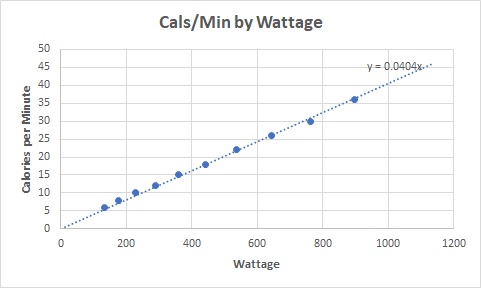
Bikes top the list for accuracy, with only about 7% overestimation on average.
Many bikes calculate calories using watts, a direct measure of mechanical work. This makes them more objective than machines relying on speed or stride count. For example, 150 watts of output equals roughly 540 kcal per hour, factoring in efficiency losses.
This physics-based approach is why spin bikes and smart trainers tend to be more trustworthy than generic gym bikes.
Posture matters too. Standing while cycling burns about 15% more than sitting at the same resistance because you’re supporting your full body weight. However, most bikes don’t detect posture changes, so they may underreport calories during standing intervals.
Stair Climbers: Overestimate by 12–20%
Stair climbers often show high calorie counts, but much of that number is misleading.
Many machines report gross energy expenditure, which includes your resting metabolic rate (RMR). If a display says 400 calories, part of that is what you’d burn just sitting still. True net burn (workout-only calories) might be only 320–350.
Form drastically affects output. Leaning forward on the rails or taking short strides reduces actual effort by up to 50%, but the machine keeps counting based on time and step count.
Stepmills (machines with a moving staircase) are more accurate than standard steppers because they require full-body motion and a larger range of movement.
Ellipticals: The Least Accurate Machines
Ellipticals are notorious for overestimating calories by 20–42%, making them the riskiest for relying on displayed numbers.
Unlike running or cycling, elliptical motion isn’t natural. Stride length, resistance, and arm movement vary widely between models, making standard MET values unreliable.
Using the moving arms raises your heart rate, but because arms are small muscle groups, the actual calorie increase is modest. Machines often interpret elevated heart rate as full-body effort, leading to inflated calorie claims. A study from UCSF found one elliptical overestimated by 42% compared to lab measurements.
Key Factors Machines Ignore
The biggest flaw in cardio machine calculations is that they treat all users the same. In reality, your body, fitness level, and form dramatically alter calorie expenditure, none of which machines can detect.
Muscle Mass vs. Body Fat
A 160-lb athlete with 15% body fat burns more calories than a 160-lb person with 35% body fat during the same workout. Muscle is metabolically active; fat is not.
Yet machines don’t ask for body composition, age, or gender, all critical inputs for accurate estimates.
Fitness Level Changes Everything
As you get fitter, you become more efficient, meaning you burn fewer calories at the same pace. A beginner runner bounces, swings arms, and wastes energy. An experienced runner has a smooth, efficient stride.
Same speed, same machine reading, but the beginner burns more. Machines don’t adjust for this, so your “declining” calorie count over time might actually mean you’re getting stronger.
Resistance Cheating and Machine Wear
On bikes and ellipticals, you can coast with low effort even at high resistance settings. The machine credits you for the selected level, not your actual force.
Older machines with worn belts or flywheels also require less effort than new ones. A “Level 10” today may feel like “Level 8” five years ago, but the algorithm doesn’t know.
Better Ways to Track Effort
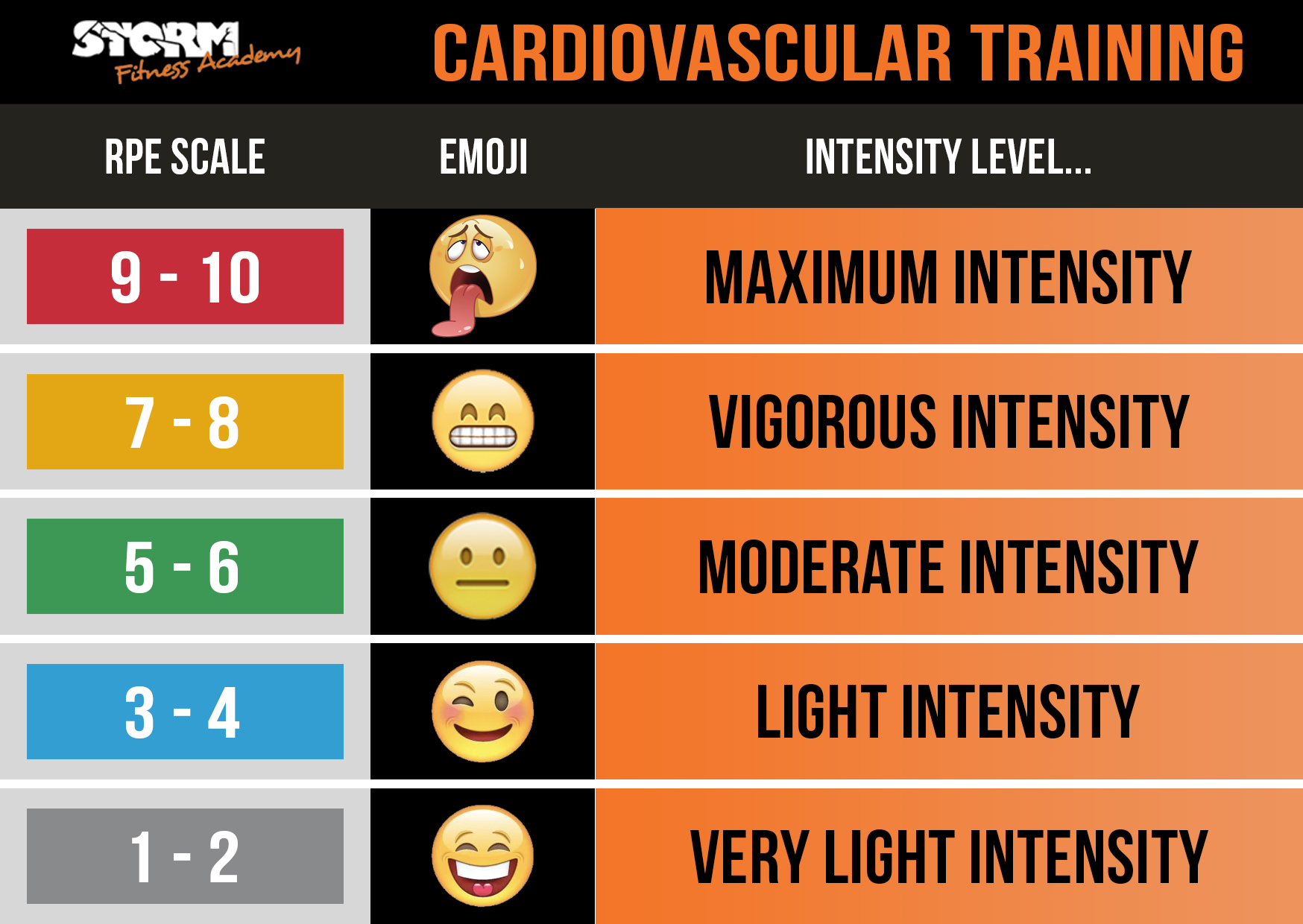
Since machine numbers are flawed, use these alternative methods to gauge real exertion.
Heart Rate Monitoring
Heart rate correlates closely with oxygen consumption and calorie burn. For high-calorie burn, target 77–93% of your maximum heart rate (roughly 220 minus your age).
Wearables that sync with machines improve accuracy. But heart rate can rise due to stress or caffeine, so don’t treat it as perfect.
Rating of Perceived Exertion (RPE)
The Borg RPE Scale (6–20) lets you rate effort subjectively:
– 12–13: Fairly light (moderate burn)
– 14–16: Hard (good calorie burn)
– 17–20: Very hard to max (highest burn)
If you’re at RPE 14 or above, you’re working hard enough to burn significant calories, even if the machine says otherwise.
Pro Tip: Multiply your RPE by 10 to estimate heart rate (RPE 15 ≈ 150 bpm).
The Talk Test
A quick, no-tech method:
– Can talk easily? Low intensity
– Can speak in short sentences? Moderate
– Gasping, can’t talk? High intensity, max calorie burn
If you’re breathless, you’re burning hard, regardless of what the screen shows.
Wearable Trackers: Trend Tools, Not Truth
Fitness watches and rings can help, but they’re 27% off on average, with some as high as 93% error. They’re best for tracking consistency and heart rate trends, not precise calorie counts.
Why Inaccurate Numbers Hurt Your Goals
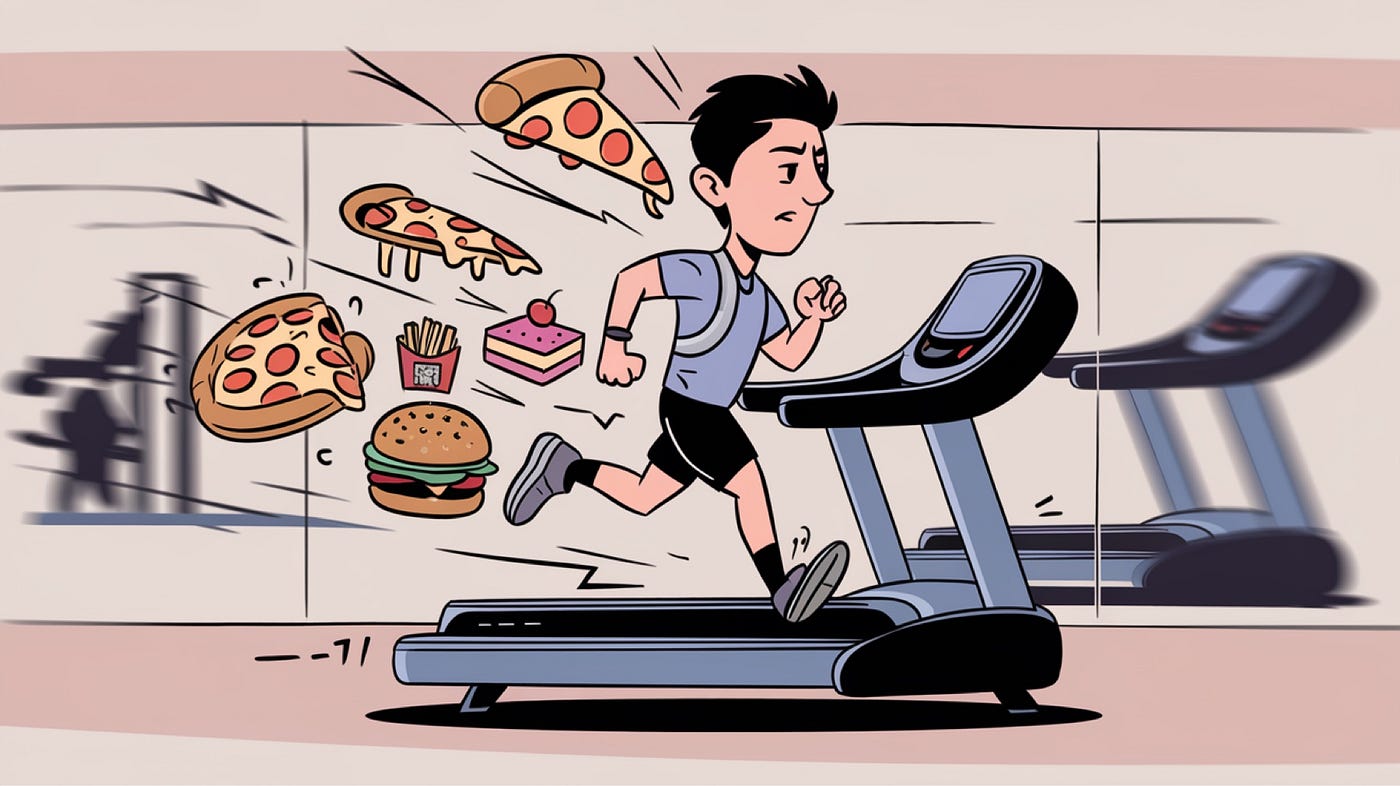
Trusting flawed calorie readouts can sabotage your progress in subtle but serious ways.
The “Earned It” Trap
Seeing “850 calories burned” on an elliptical might make you think you’ve earned a large meal. But if the actual burn was around 600, you could end up in a caloric surplus, stalling weight loss.
Emotional Dependence on the Display
Letting the calorie counter dictate your mood leads to frustration when numbers are low (even if you worked hard) or overconfidence when numbers are high (even if you leaned on rails).
Exercise as Punishment
Thinking you need to “burn off” last night’s pizza turns fitness into penance, not self-care. This mindset kills motivation and makes workouts unsustainable.
How to Use Cardio Machines Wisely
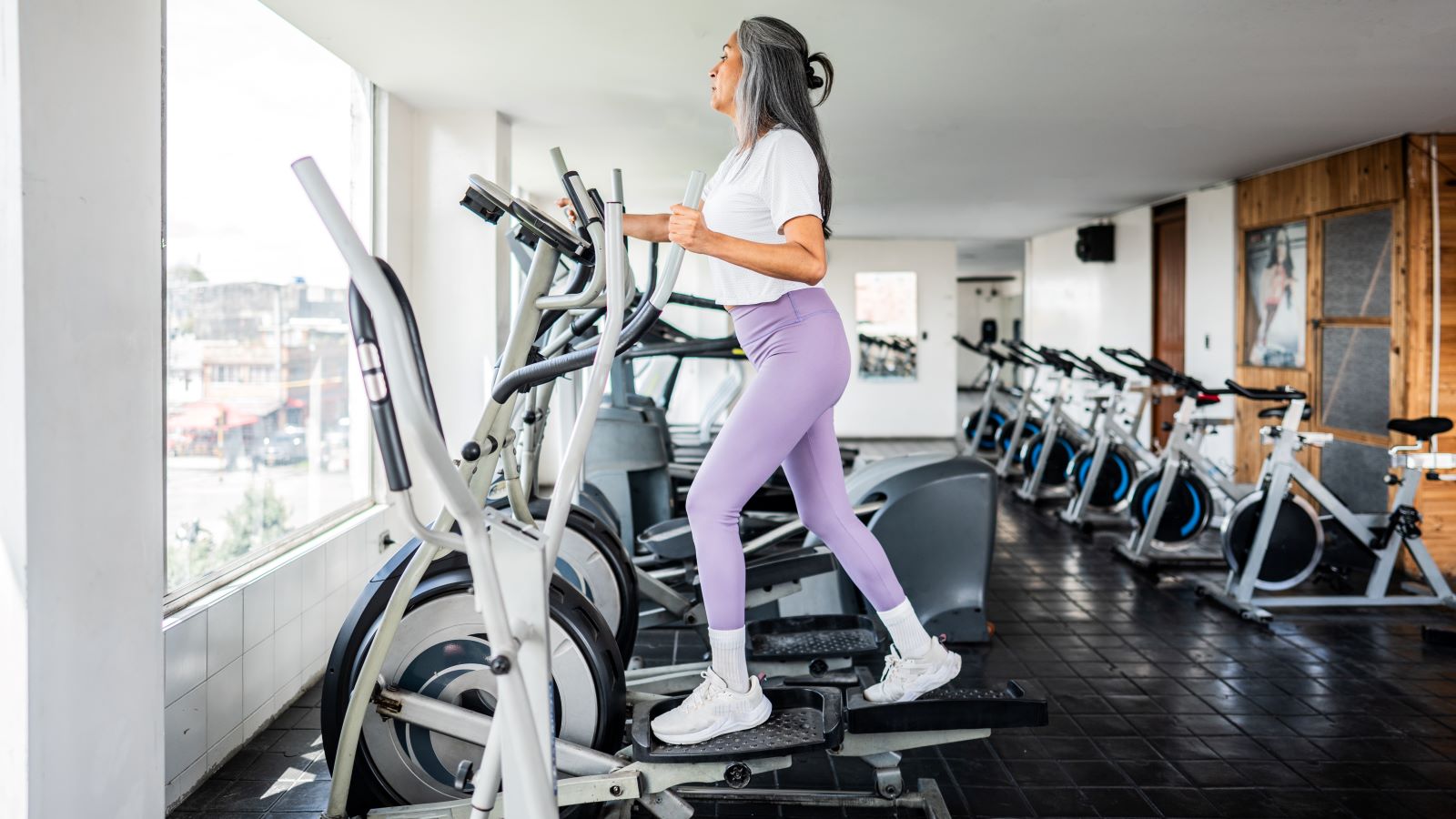
You don’t have to ditch cardio machines. You just need to use them smarter.
Always Enter Your Weight
This single step improves accuracy more than any other. Even if the machine doesn’t ask for age or gender, inputting weight adjusts the MET-based formula to your size.
Treat the Number as a Trend, Not Truth
Use calorie counts to compare week-to-week progress, different workout intensities, and time spent active. But don’t take any single number as gospel.
Focus on Form, Not the Screen
- Treadmill: Arms swinging, no rail use
- Bike: High resistance, occasional standing
- Stair climber: Upright posture, light rail touch
- Elliptical: Push through heels, engage arms actively
Good form ensures you’re actually working, no matter what the display says.
Combine Metrics for Better Insight
Use a heart rate monitor, RPE, and time together to triangulate effort. For example: HR in target zone, RPE of 15, and 30 minutes of work is a better indicator of calorie burn than any machine’s solo readout.
Prioritize Consistency Over Counting
The CDC recommends 150 minutes of moderate-to-vigorous cardio per week plus two strength sessions. Hitting these targets consistently does more for health and weight management than obsessing over daily calorie burn.
Eat for Results, Not Compensation
Instead of “eating back” exercise calories, fill 50% of your plate with veggies, add 25% lean protein, and include 25% whole-food carbs. Adjust portions based on long-term weight trends, not daily workouts.
Frequently Asked Questions About Cardio Machine Calorie Calculations
Do all cardio machines use the same formula to calculate calories?
Most machines use the MET-based formula from The Compendium of Physical Activities, but specific algorithms vary by manufacturer. Some bikes also incorporate watt-based power measurements for greater accuracy.
Which cardio machine is the most accurate for calorie tracking?
Stationary bikes are generally the most accurate, with about 7% overestimation on average. Treadmills are moderately accurate at around 13% overestimation, while ellipticals are the least accurate, overestimating by 20–42%.
Why does my machine show the same calories as someone else’s even though we’re different?
Machines rely on population averages and often use a default weight of 155 lbs. They don’t account for body composition, fitness level, age, or gender, so two different people get identical readouts despite burning very different amounts.
How much less do you actually burn when holding treadmill rails?
Light grip on the rails can reduce calorie burn by about 20%, while heavy leaning can cut it by up to 40%. A workout displaying 300 calories might only deliver 180 real calories with heavy rail use.
Are wearable fitness trackers more accurate than cardio machines?
Not necessarily. Wearables are about 27% off on average for calorie estimates, with some devices deviating by up to 93%. They’re better for tracking trends and heart rate than for precise calorie counts.
Can I trust the calorie count on an elliptical?
No. Ellipticals are the least accurate cardio machines, with overestimations ranging from 20% to 42%. Their artificial motion and arm-lever heart rate inflation make displayed numbers highly unreliable.
Key Takeaways for Understanding Calorie Calculations on Cardio Machines
Cardio machines provide estimates, not facts. Treadmills and bikes are your best bets for accuracy, while ellipticals and stair climbers often exaggerate. Always input your weight, ignore the absolute number, and focus on effort, form, and consistency.
For real progress, let how you feel, not what the screen says, guide your success. Start by entering your weight on your next machine workout and tracking your effort using heart rate or RPE instead of the calorie display.