Beginner HIIT Cardio Workout Plan: Quick Start
You’ve heard the hype: HIIT cardio burns fat fast, boosts fitness in minutes, and revs your metabolism for hours. But if you’re new to high-intensity workouts, the idea of sprinting or jumping for short bursts might feel intimidating, or even risky. The truth? A well-structured HIIT cardio workout plan for beginners doesn’t require athleticism, a gym membership, or endless time. In fact, science shows that just three 20-minute sessions per week can slash body fat, lower blood pressure, and improve heart health without changing your diet.
This guide cuts through the confusion with a safe, step-by-step approach tailored for those just starting out. You’ll learn how to build stamina without injury, choose low-impact options if needed, and progress steadily using proven routines from research-backed protocols. Whether you’re working out at home, walking outdoors, or using a treadmill, this plan fits your life and your limits.
Start with the Basics: What Is HIIT?
How HIIT Works Differently Than Steady Cardio
Traditional cardio keeps your heart rate steady at moderate intensity, like jogging or cycling at a constant pace. HIIT flips that model. It alternates short bursts of near-max effort with brief recovery periods, spiking your heart rate to 80–95% of its max before letting it drop.
This push-pull cycle forces your body to use both aerobic (with oxygen) and anaerobic (without oxygen) energy systems. During high-intensity intervals, your muscles work so hard they create an “oxygen debt.” Afterward, your body burns extra calories to repay it, a phenomenon called Excess Post-Exercise Oxygen Consumption (EPOC). That’s why you keep burning calories for up to 48 hours post-workout.
Why HIIT Is Efficient for Newcomers
You don’t need hours to see results. Most HIIT sessions last 10 to 30 minutes, excluding warm-up and cool-down. Studies show a 30-minute HIIT session burns 25–30% more calories than steady cardio in the same time frame. And because it improves insulin sensitivity and VO₂ max (your body’s oxygen use efficiency), it supports long-term metabolic health, critical for preventing type 2 diabetes and heart disease.
But here’s the key: start slow. As a beginner, your goal isn’t to go all-out. It’s to build consistency, master form, and let your body adapt.
Build a Safe Foundation First
Who Should Avoid HIIT (Or Proceed Cautiously)
HIIT is powerful, but not for everyone. If you have uncontrolled hypertension, heart conditions, joint pain, or are completely sedentary, talk to your doctor before starting. Pushing too hard too soon increases risks of dizziness, injury, or cardiovascular strain.
Even if you’re healthy, skip HIIT on day one if you’ve been inactive. Instead, spend 2–4 weeks building a base with walking, light cycling, or swimming. This prepares your heart, lungs, and muscles for higher intensity.
Master the Work-to-Rest Ratio
Beginners thrive on balance. The right work-to-rest ratio lets you challenge yourself while recovering enough to repeat the effort.
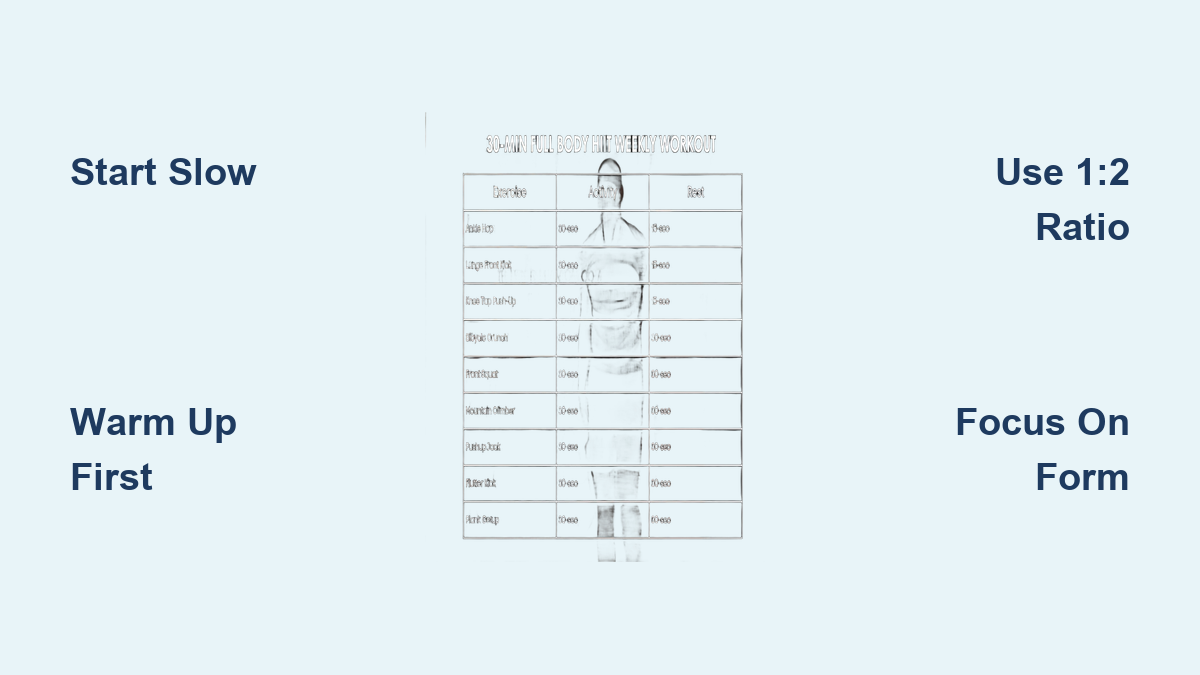
Start with a 1:2 ratio: 20 seconds of work followed by 40 seconds of rest. This gives your heart rate time to drop so you can maintain quality during each burst. As fitness improves, shift to 1:1 (30 seconds work, 30 seconds rest), then eventually 2:1 (40 seconds work, 20 seconds rest).
Your effort during work intervals should feel “hard.” You can speak a few words, but not hold a conversation. If you’re gasping or in pain, scale back.
Warm Up and Cool Down: Non-Negotiable Steps
Essential 5-Minute Warm-Up Routine
Jumping into high intensity cold is a recipe for injury. A proper warm-up increases blood flow, loosens joints, and primes your nervous system.
Do this before every session:
1. March in place for 1 minute
2. Arm circles (forward/backward) for 30 seconds each
3. Leg swings (front-to-back, side-to-side) for 30 seconds per leg
4. Bodyweight squats for 1 minute
5. Shoulder rolls and neck rolls for 1 minute
Move smoothly, no rushing. You should feel warm and mobile, not tired.
Effective 5-Minute Cool-Down and Stretch
After HIIT, your heart rate is elevated and muscles are fatigued. A cool-down helps prevent dizziness and speeds recovery.
Walk slowly or march for 2–3 minutes, then stretch:
– Hamstring stretch, hold 30 seconds per leg
– Quad stretch, standing, pull heel to glute, 30 seconds per side
– Chest opener, clasp hands behind back, lift slightly, 30 seconds
– Child’s pose for 1 minute
Stretching improves flexibility and reduces next-day soreness.
Best Beginner HIIT Workouts (No Equipment Needed)

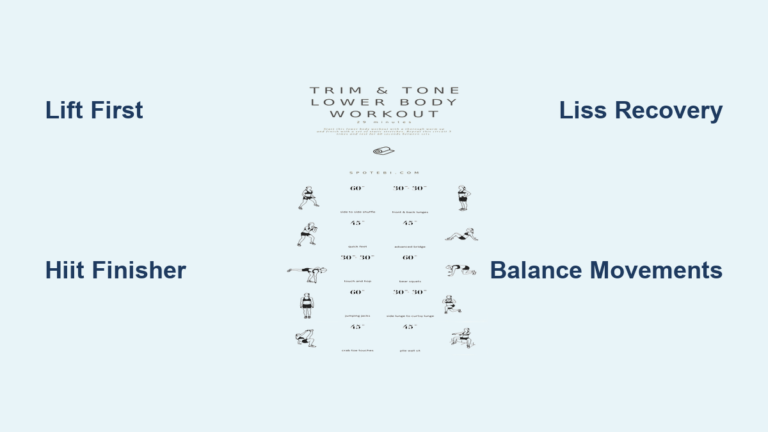
15-Minute Full Body Bodyweight Routine
Perfect for home workouts, this routine builds strength and cardio endurance using only your body weight. Perform 3 rounds with 30 seconds of work and 10–30 seconds of rest between exercises.
Exercises:
1. Bodyweight Squats: Feet shoulder-width apart, lower hips back and down, return to stand. Keep chest up.
2. Mountain Climbers: In plank, alternate driving knees toward chest. Keep hips low.
3. High Knees: Run in place, lifting knees to hip height. Pump arms.
4. Modified Push-Ups: On knees, hands slightly wider than shoulders. Lower chest to floor.
5. Glute Bridges: Lie on back, knees bent, lift hips toward ceiling. Squeeze glutes.
6. Plank Hold: Hold a straight line from head to heels (or knees) for full interval.
7. Jumping Jacks: Step or jump feet out while raising arms overhead.
Beginner Tip: Step instead of jump during jacks or mountain climbers to reduce impact.
10-Minute Low-Impact Seated Option
Ideal for joint issues, seniors, or absolute beginners, this seated/standing routine delivers cardiovascular benefits without stress on knees or hips.
Warm-Up (2 rounds, 30 seconds each):
– March in place
– Side steps
– Shoulder rolls
– Arm circles
Workout (2 rounds, 30 sec work / 30 sec rest):
1. Farmer’s Walk (Standing or Seated): Walk tall with arms at sides; seated version: extend arms forward and move feet.
2. Squat or Chair Stand-Up: Lower into a squat or rise from a chair slowly.
3. Row Motion: Hinge slightly, pull elbows back, squeeze shoulder blades.
4. Overhead Press: Press arms from shoulders to overhead.
Cool-Down:
– Hamstring stretch for 30 seconds
– Side reach for 30 seconds
– Arm across chest for 30 seconds
This version proves you don’t need jumps or sprints to get results.
Progress Gradually: A 9-Week Plan
Weeks 1–4: Focus on Form and Consistency
Goal: Complete 1 HIIT session per week without pain or exhaustion.
- Use a 20 seconds work / 40 seconds rest ratio
- Choose low-impact versions of exercises
- Stick to 10–12 minutes total (including warm-up/cool-down)
- Prioritize smooth movement over speed
Track how you feel. Your main win is showing up and finishing.
Weeks 5–8: Increase Frequency and Duration
Goal: Build stamina with 2 sessions per week.
- Increase ratio to 30 seconds work / 30 seconds rest
- Extend workout to 15 minutes of intervals
- Add one new movement (step-ups or resistance band rows)
- Try outdoor walking HIIT
You should notice your heart rate recovers faster during rest periods.
Weeks 9+: Add Intensity and Variety
Goal: Reach 3 sessions per week with improved endurance.
- Try 40 seconds work / 20 seconds rest
- Introduce jump squats or burpees (if joints allow)
- Add light dumbbells or resistance bands
- Alternate between bodyweight, machine, and outdoor options
Now you’re training like an intermediate, safely and effectively.
Try These Proven HIIT Formats
Tabata-Style HIIT (19 Minutes Total)
Tabata uses 20 seconds max effort / 10 seconds rest, repeated 8 times per exercise. It’s intense but short, ideal for time-crunched days.
Sample 4-Exercise Circuit (Repeat 4 Rounds):
1. Jumping Jacks
2. High Knees
3. Bodyweight Squats
4. Step-Ups (on stairs or sturdy surface)
Do each for 20 seconds, rest 10 seconds. After completing all four, rest 1 minute, then repeat. Total work: about 14 minutes plus 5-minute warm-up/cool-down.
Pro Tip: Use a Tabata timer app to stay on track.
Walking HIIT: Low-Impact, High Reward
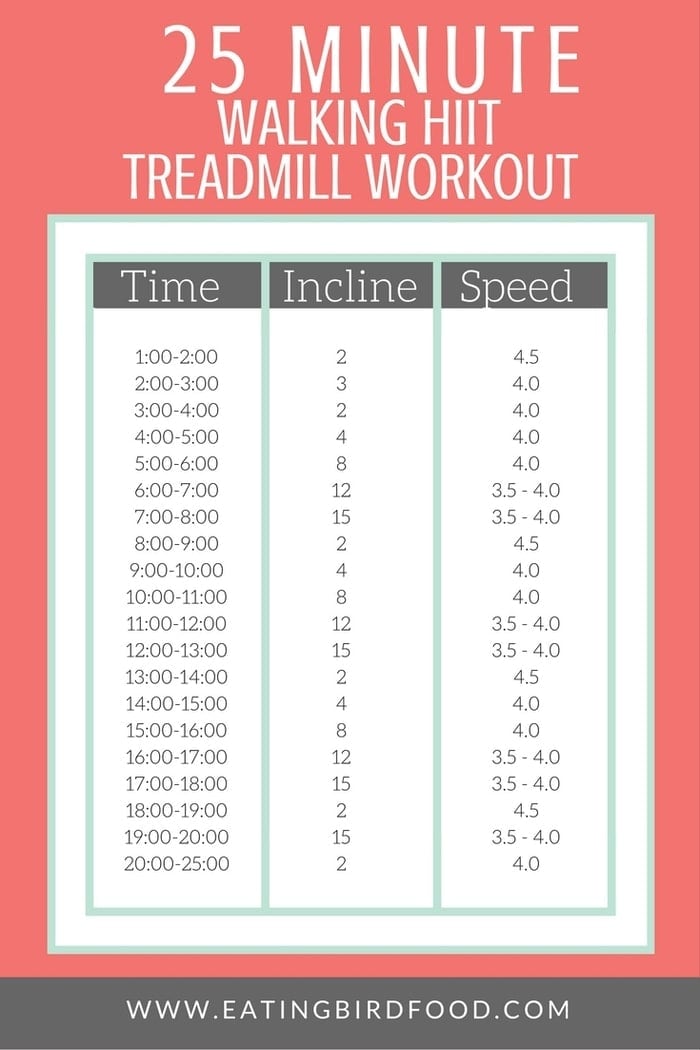
You don’t need to run. Brisk walking intervals deliver real benefits, especially for overweight or older adults.
15-Minute Walking HIIT (Outdoors or Treadmill):
– Warm-up: 5 min slow walk
– Cycle (repeat 4x): Steady walk 3 min, brisk walk 1 min, full-intensity walk 1 min
– Cool-down: 3 min slow walk
Over time, shorten recovery and lengthen intense phases.
Machine-Based HIIT: Controlled and Joint-Friendly
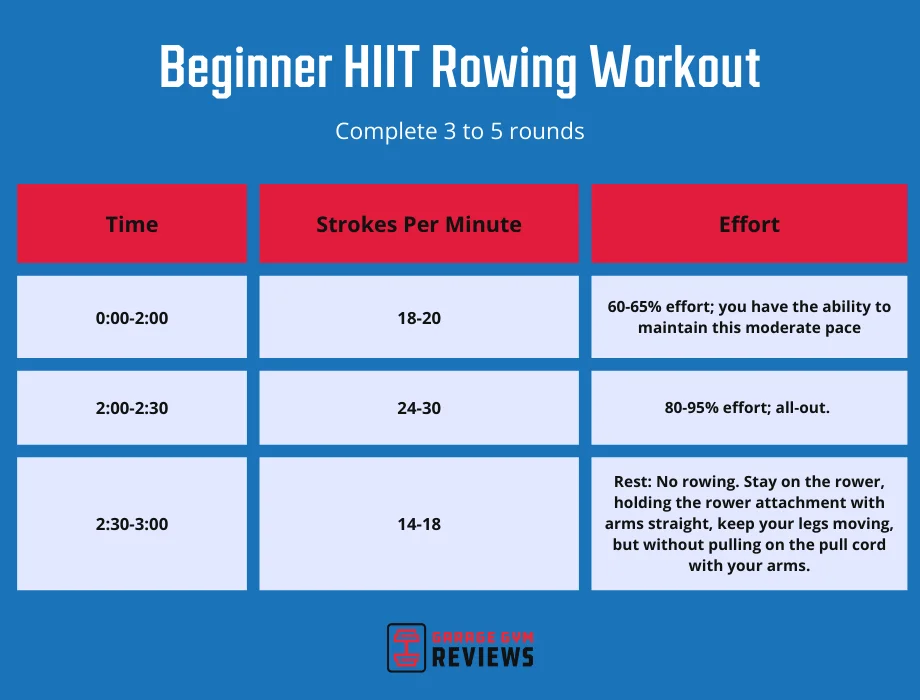
Ellipticals, bikes, and rowers offer low-impact, high-resistance options.
Stationary Bike (20 Minutes):
– 30 sec max pedal speed
– 90 sec slow recovery
– Repeat 8–10 times
Rowing Machine (15 Minutes):
– 20 sec hard row
– 1 min easy row
– Repeat 6–8 times
Machines let you monitor resistance and pace, perfect for tracking progress.
Avoid These Common Beginner Mistakes
Skipping Warm-Ups and Cool-Downs
Cutting corners here raises injury risk and delays recovery. Always spend 5 minutes warming up and cooling down. It’s part of the workout.
Sacrificing Form for Speed
Fast reps with sloppy form waste energy and strain joints. Focus on controlled, full-range movements. Slow down if you lose technique.
Doing HIIT Too Often
More isn’t better. HIIT stresses your central nervous system. Beginners need 48 hours between sessions for recovery. Stick to 1–3 times per week.
Ignoring Pain Signals
Muscle fatigue is normal. Sharp joint pain is not. Stop immediately if you feel pain in knees, hips, or back. Modify or switch to low-impact alternatives.
Adapt for Special Needs and Limits
Joint Pain or Arthritis? Try These Swaps
Avoid high-impact moves like jumping jacks or burpees.
Safer Alternatives:
– Step-outs instead of jumps
– Chair squats instead of deep lunges
– Seated arm presses instead of push-ups
– Elliptical or swimming instead of running
Water-based HIIT is excellent. Buoyancy reduces joint load while resistance builds strength.
Limited Space or Equipment?
No problem. Use stationary movements:
– High knees in place
– Shadow boxing
– Standing knee lifts
– Wall push-ups
A timer and supportive shoes are all you really need.
Short on Time?
Break it up. Two 10-minute sessions (morning and evening) are just as effective as one 20-minute block. Micro-workouts boost adherence and still trigger EPOC.
Track Your Progress and Stay Motivated
Measure What Matters
Success isn’t just weight loss. Track:
– Workout completion: Did you finish the plan?
– Heart rate recovery: How fast does your pulse drop in rest periods?
– Perceived effort: Does the same workout feel easier now?
– Resting heart rate: Lower over time means better cardiovascular fitness
Use a journal or fitness app to log sessions.
Set Realistic Goals
Examples:
– “Complete 2 HIIT sessions this week”
– “Hold plank for full 30 seconds”
– “Walk 15 minutes with 4 intensity bursts”
Small wins build long-term habits.
Frequently Asked Questions About HIIT Cardio for Beginners
How Often Should Beginners Do HIIT Workouts?
Beginners should start with 1 HIIT session per week and gradually increase to 2–3 sessions as fitness improves. Allow at least 48 hours between sessions for recovery, since HIIT places significant stress on the central nervous system and muscles.
Is HIIT Safe for People With Joint Pain?
HIIT can be safe for those with joint pain when modified properly. Replace high-impact moves like jumping jacks with low-impact alternatives such as step-outs, chair squats, or seated exercises. Water-based HIIT and elliptical machines also reduce joint stress while delivering cardiovascular benefits.
How Long Until Beginners See Results From HIIT?
Most beginners notice improvements in stamina and perceived effort within 2–4 weeks. Research shows that three 20-minute sessions per week can reduce body fat by approximately 2kg over three months without dietary changes, with a 17% reduction in visceral fat specifically.
Do I Need Equipment to Start HIIT?
No equipment is required to begin HIIT. Bodyweight exercises like squats, push-ups, and high knees provide sufficient resistance for effective workouts. A timer and supportive shoes are the only essential items. Equipment like dumbbells or resistance bands can be added as you progress.
Can Walking Count as HIIT?
Yes, walking HIIT is an effective low-impact option. By alternating steady, brisk, and maximum-effort walking intervals, you can reach the 80–95% heart rate zone without running. This approach is ideal for beginners, older adults, or anyone with joint limitations.
What Should I Eat Before a HIIT Workout?
Eat a light snack containing carbohydrates and protein about 30–60 minutes before your session, such as a banana with nut butter or a small yogurt. Avoid heavy meals that may cause discomfort during high-intensity movements.
Key Takeaways for Your HIIT Cardio Journey
A beginner HIIT cardio workout plan works because it’s flexible, efficient, and backed by science. Start with low intensity, focus on form, and progress gradually over 9 weeks. Whether you’re using bodyweight, walking, or machines, consistency beats intensity every time.
Your next step: pick one workout from this guide and schedule it for this week. Choose the 10-minute low-impact option if you’re brand new, or the 15-minute bodyweight routine if you’re ready for more. Set a specific time, lay out your workout clothes, and commit to showing up. After your first session, log how it felt and celebrate completing it. That’s how lasting fitness habits begin.