Cardio Workout Warm Up Guide
You lace up your shoes, hit play on your playlist, and feel ready to crush your cardio session. But going from zero to full speed without a proper warm-up is one of the biggest mistakes you can make. A smart cardio workout warm up gradually elevates your heart rate, loosens stiff muscles, and signals your nervous system that movement is coming. Skipping this step increases injury risk and leaves performance gains on the table.
This guide breaks down exactly how to build an effective warm-up using dynamic movements backed by physiology. You’ll learn the science behind warming up, discover targeted routines for different workouts, and avoid the common mistakes that undermine even the best intentions.
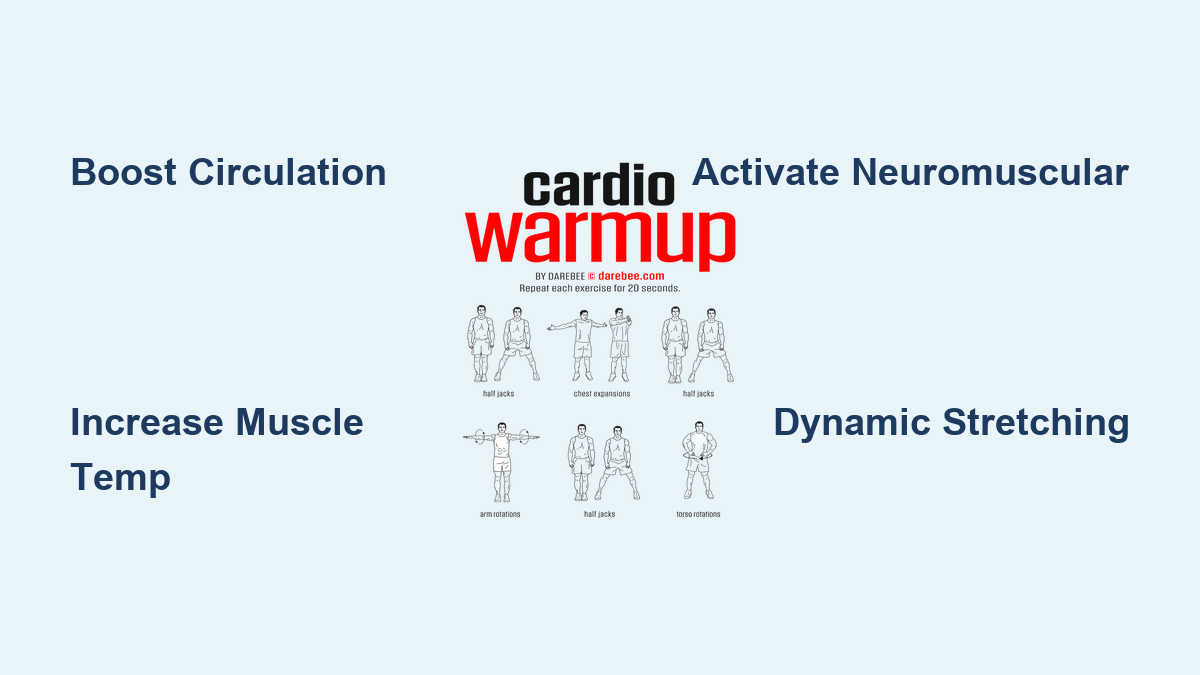
Boost Circulation Gradually Before You Push Hard

Jumping straight into high-intensity cardio shocks your cardiovascular system. The goal of your warm-up is to elevate your heart rate slowly and trigger vasodilation, which widens blood vessels so oxygen-rich blood flows smoothly to working muscles.
Why Sudden Exertion Puts You at Risk
Going from rest to full intensity without preparation can cause dizziness, elevated blood pressure, or unnecessary cardiac strain. Your circulatory and respiratory systems need time to sync up, matching oxygen delivery with the demands of your workout.
How Long to Spend on This Phase
Aim for 5 to 10 minutes of light aerobic activity to initiate the transition:
- Brisk walk: 10 to 15 minutes at 2.5 to 3.8 mph on a treadmill or outdoors
- Marching in place: 2 to 3 minutes with arm pumps
- Dancing to music: 3 to 5 minutes of free-flowing movement
You should feel light warmth and slight sweating, but never fatigue. That sensation is your signal that the engine is warming up, not overheating.
Increase Muscle Temperature for Better Performance
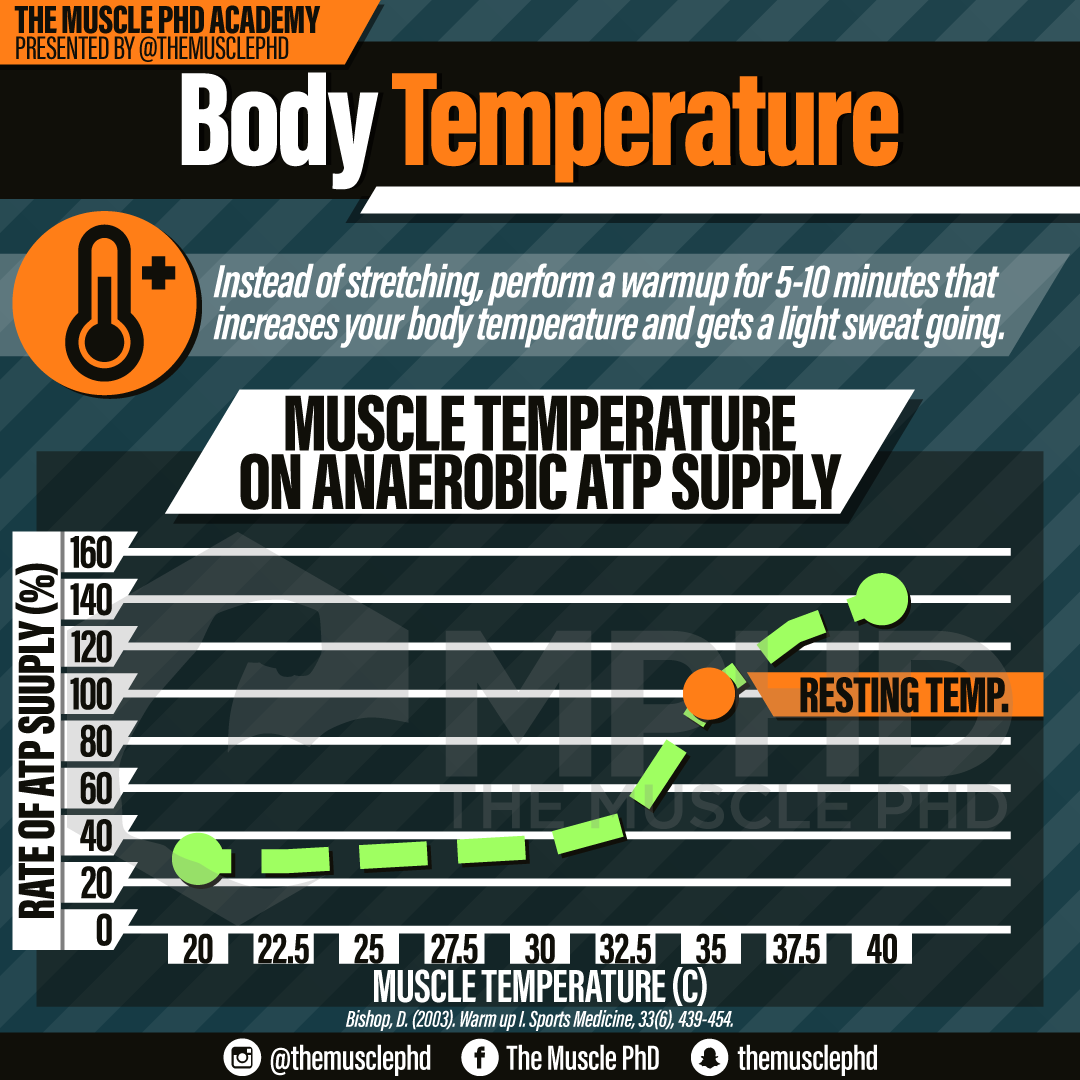
Cold muscles are stiff muscles, and stiff muscles are far more prone to strains and tears. Raising your core and muscle temperature is one of the most critical functions of any warm-up routine.
Warm Muscles Contract Faster and More Forcefully
Research shows that warmer muscles generate force more quickly and efficiently. Think of your body like a car engine: cold oil flows sluggishly, but once warmed, everything runs smoothly. The same principle applies to your tendons, joints, and muscle fibers.
Physical Signs Your Body Is Ready
Look for these cues to know you’ve warmed up enough:
- Skin feels warm to the touch
- Light sweat appears on your forehead or back
- Movements feel fluid instead of jerky
If you’re exercising in cold weather or first thing in the morning, extend your warm-up to 10 to 15 minutes. Your body starts cooler and needs more time to reach optimal operating temperature.
Activate Neuromuscular Pathways for Better Coordination
Your brain communicates with your muscles through electrical signals. A good warm-up improves this communication, enhancing coordination, reaction speed, and movement precision during your main workout.
Why Coordination Matters for Cardio
Whether you’re sprinting, jumping, or cycling, your nervous system must coordinate complex muscle firing patterns. Skipping activation leads to clumsy, inefficient movement, which increases injury risk and reduces power output.
Dynamic Drills That Prime the Nervous System
Use movements that mimic your upcoming workout:
- Butt kickers prepare hamstrings for running
- High knees activate hip flexors and core
- Pogo hops prime calves and ankles for impact
These drills wake up the neural pathways you’ll rely on during intense effort, making your workout feel more natural and controlled from the first rep.
Prevent Injury with Dynamic Stretching Instead of Static Holds
Static stretching, which involves holding a position for 30 seconds or more, has its place, but not before cardio. Holding static stretches pre-workout can temporarily reduce muscle strength and power output.
Why Dynamic Movement Wins Before Exercise
Dynamic exercises offer multiple benefits at once:
- Increase blood flow to working muscles
- Improve joint mobility through active ranges of motion
- Maintain muscle tension needed for performance
- Prepare tissues for active contraction
Save static stretching for after your workout, when the goal shifts to relaxation and recovery.
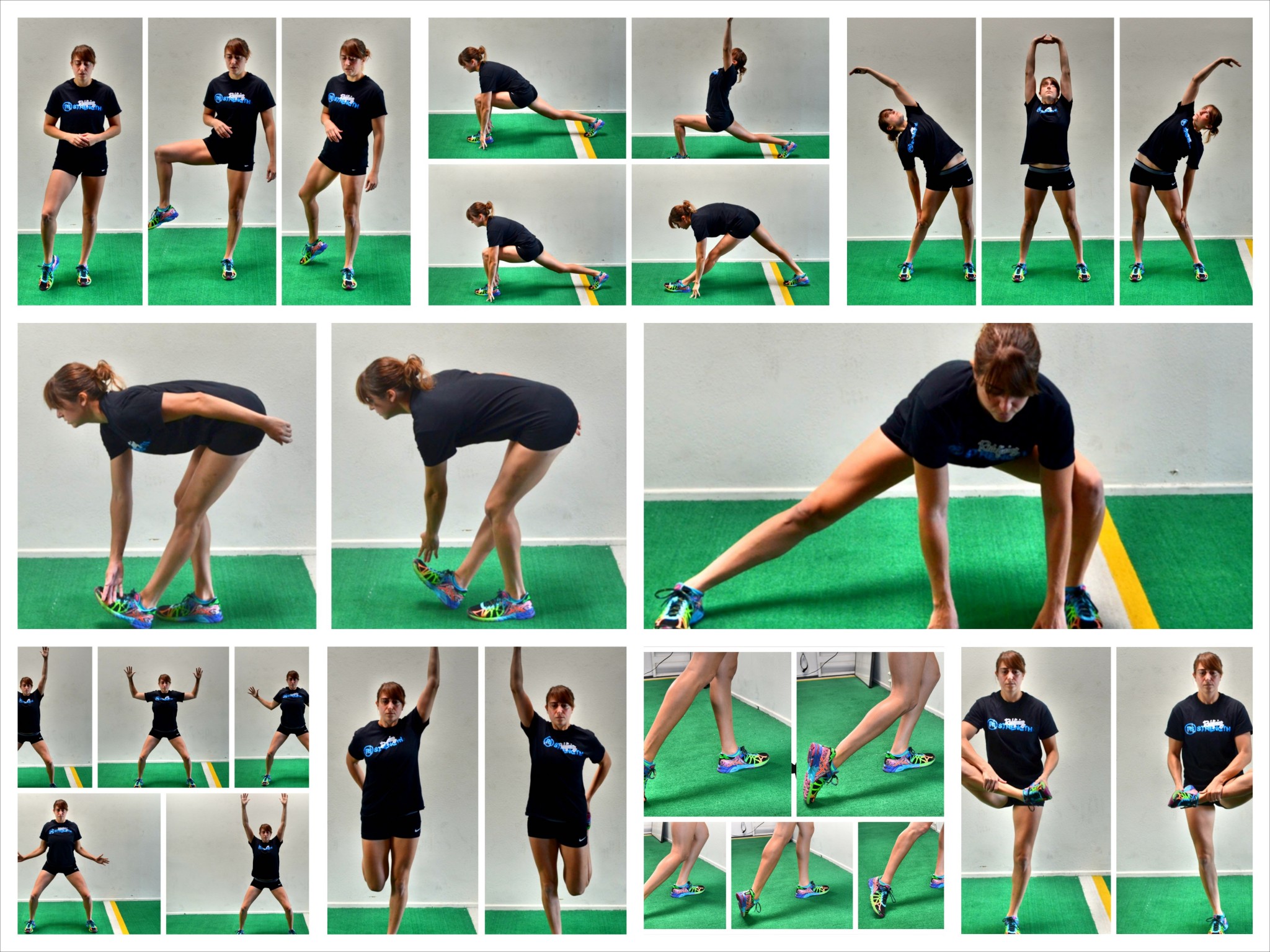
Key Dynamic Warm-Up Exercises to Master
Perform these with control and rhythm:
Leg Swings: Unlock Hip Mobility
- Stand facing a wall for balance
- Swing one leg forward and back for 10 to 15 reps
- Then switch to side-to-side swings
- Targets hip flexors, glutes, and hamstrings
Inchworms: Engage Core and Hamstrings
- From standing, bend down and walk your hands out to a plank position
- Hold briefly, then walk your feet toward your hands and stand
- Complete 5 to 10 reps
- Bonus: activates shoulders and the entire posterior chain
World’s Greatest Stretch: Full-Body Preparation
- From a high plank, step your right foot outside your right hand
- Rotate your torso upward and reach your right arm to the ceiling
- Return to plank and repeat on the left side
- Complete 5 reps per side
- Hits hips, thoracic spine, and hamstrings in one movement
Match Your Warm-Up to Your Workout Type
One-size-fits-all routines leave results on the table. The best warm-ups mirror the movements and intensity of your planned cardio session.
For Runners: Prepare for Impact and Forward Motion
Focus on leg drive, ankle stability, and hip mobility:
- Brisk walk to light jog: 5 minutes
- Butt kickers: 30 seconds
- High knees: 30 seconds
- Leg swings: 10 per direction, per leg
- Pogo hops: 20 to 30 seconds to activate calf spring
Pro Tip: Add lateral shuffles if your run includes trail turns or agility work.
For Cyclists: Open Hips and Activate Glutes
Cycling compresses the hips and underuses the glutes. Counteract these effects with targeted activation:
- Standing hip circles: 10 reps each direction
- Glute bridges: 15 reps with a hard squeeze at the top
- Squat-to-stand: 10 reps
- Trunk rotation: 10 reps per side
Why it works: Activating the posterior chain prevents lower back strain during long rides.
For HIIT or Plyometrics: Fire Up the Nervous System
These workouts demand explosive power. Your warm-up must prime fast-twitch muscle fibers:
- Jumping jacks: 1 minute
- Mountain climbers: 30 seconds
- Squat jumps: 8 to 10 reps
- Burpees without push-up: 6 reps
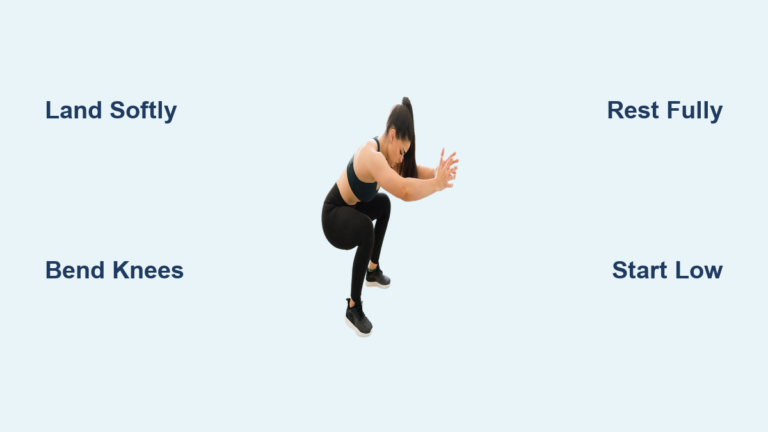
Safety cue: Land softly with knees aligned over toes to protect joints.
Follow Proven Warm-Up Routines That Save Time
Use these structured circuits to maximize effectiveness without overthinking your preparation.
10-Minute General Cardio Prep
Ideal for beginners, recovery days, or mixed cardio sessions
Format: 30 seconds work, 30 seconds rest. Repeat the full circuit twice.
| Exercise | Primary Focus |
|---|---|
| Butt Kickers | Hamstrings, calves |
| Forward Lunges | Quads, glutes, hip mobility |
| Jumping Jacks | Full-body elevation |
| Plank Hold (30 sec) | Core stability |
| Mountain Climbers | Cardio and core activation |
| March on Spot | Reset and rhythm |
| Heel Digs | Hamstring preparation |
| Knee Lifts | Hip flexor activation |
| Shoulder Rolls | Upper body loosening |
| Knee Bends (mini squats) | Gentle knee warm-up |
5-Minute “Fire Up” Circuit
Fast and intense, perfect before HIIT or sprints
Format: 30 seconds per exercise with no rest between moves. Rest 60 seconds after the full circuit. Repeat twice.
Option 1 (Lower Body Focus):
- Standing Hip Circles (alternating directions)
- Jumping Jacks or step-outs
- Mountain Climbers
- Standing Toe-Touch Kicks
Option 2 (Upper Body and Core Focus):
- I-Y-T Raise for shoulder stabilizers
- Inchworms
- Downward Dog to Runner’s Lunge (alternating sides)
- Jumping Jacks to maintain heart rate
Expert Dynamic Sequence
For serious athletes, morning workouts, or cold-weather training
Time: 5 to 10 minutes
- March or walk for 2 minutes
- Squat-to-Stand: 10 reps
- World’s Greatest Stretch: 10 reps total
- Leg Swings: 10 to 15 per leg and direction
- Inchworms: 5 to 10 reps
- Glute Bridges: 10 to 20 reps
- Book Openers: 10 per side
- Lateral Lunges: 5 to 10 per side
- Pogo Hops: 20 to 30 seconds
Avoid Common Warm-Up Mistakes That Undermine Results
Even with the right exercises, poor execution sabotages your efforts.
Stretching Cold Muscles
Never force a static stretch before warming up. Wait until after your cardio session, or at minimum, after 5 minutes of light movement.
Skipping Intensity Progression
Don’t jump from zero to burpees. Follow a low to medium to high intensity sequence:
- Low: Walking or marching
- Medium: Lunges and dynamic stretches
- High: Jumps and plyometrics (only if your workout demands it)
Ignoring Pain Signals
Warm-ups should feel challenging but never painful. Discomfort is a warning. Adjust your form or skip any movement that causes sharp joint pain.
Overdoing the Volume
If you’re gasping or exhausted after your warm-up, the intensity is too high. You should feel energized, not drained, heading into your main workout.
Optimize Your Warm-Up for Your Specific Situation
Tailor your preparation based on individual needs and circumstances.
Desk Workers: Fight Sitting Stiffness
Sitting shortens hip flexors and rounds the shoulders. Prioritize movements that reverse postural compression:
- Forward and lateral lunges
- Hip circles
- Book openers
- Arm circles
Morning Exercisers: Ramp Up Slowly
Body temperature is lowest upon waking. Extend your warm-up to 10 to 15 minutes with gradual intensity increases.
Cold Weather Runners: Double the Warm-Up
External cold reduces muscle elasticity. Add 5 extra minutes of light cardio before stepping outside into the elements.
HIIT Athletes: Include Plyometric Elements
Explosive workouts need explosive preparation:
- Pogo hops: 2 sets of 20 seconds
- Squat jumps: 2 sets of 8 reps
- Jumping lunges: 2 sets of 10 reps
Caution: Only include plyometrics if you’re injury-free and experienced with high-intensity training.
Maintain Long-Term Joint Health Through Consistency
A warm-up isn’t just for today’s workout. It’s an investment in long-term durability and movement quality.
Regular Warm-Ups Prevent Cumulative Wear
Consistent dynamic warm-ups deliver lasting benefits:
- Keep joints lubricated through synovial fluid movement
- Maintain muscle elasticity as you age
- Reduce cumulative wear and tear on connective tissue
Over time, this translates to fewer injuries, better mobility, and longer training longevity.
Adapt Daily Based on How You Feel
Don’t robotically follow the same routine every session. Ask yourself:
- Are my hips tight today?
- Do my shoulders feel stiff?
- Am I still sluggish after the warm-up?
If yes, add extra reps or an additional round. Daily flexibility beats rigid adherence.
When to Seek Professional Guidance
While warm-ups benefit nearly everyone, they’re not one-size-fits-all solutions for every situation.
Consult a Physical Therapist If:
- You have chronic pain in your knees, back, or shoulders
- You’re currently rehabilitating an injury
- Certain movements consistently cause sharp pain
A physical therapist can design a personalized warm-up protocol that protects vulnerable areas while still preparing you for activity.
Medical note: Always consult your doctor before starting a new exercise program, especially if you have pre-existing health conditions.
Frequently Asked Questions About Cardio Workout Warm Ups
How long should a cardio warm-up last?
A cardio workout warm up should last between 5 and 15 minutes depending on your workout intensity and environmental conditions. For general cardio, 5 to 10 minutes is sufficient. For intense sessions, cold weather, or morning workouts, extend to 10 to 15 minutes.
Should I do static stretching before cardio?
No, avoid static stretching before cardio. Holding stretches for 30 seconds or more can temporarily reduce muscle strength and power output. Save static stretching for after your workout when your muscles are warm and the goal is recovery.
What happens if I skip warming up before cardio?
Skipping your warm-up increases injury risk, reduces performance, and can cause dizziness or cardiac strain from sudden exertion. You may also feel stiff, sluggish, and mentally unfocused during your main workout.
What are the best warm-up exercises for running?
The best running warm-up includes brisk walking or light jogging, butt kickers, high knees, leg swings, and pogo hops. These movements prepare your hamstrings, hip flexors, calves, and ankles for the impact of running.
Can I warm up by just walking on the treadmill?
Yes, walking on the treadmill for 10 to 15 minutes at 2.5 to 3.8 mph is an effective low-intensity warm-up. However, adding dynamic exercises like leg swings and lunges will better prepare your muscles and joints for higher-intensity cardio.
How do I know when I’m warmed up enough?
You’re warmed up enough when your skin feels warm, light sweat appears, and your movements feel fluid rather than jerky. Your heart rate should be elevated but not maxed out, and you should feel energized rather than fatigued.
Key Takeaways for Building a Better Cardio Warm Up
A smart cardio workout warm up is non-negotiable for safe, effective training. Start with 5 to 10 minutes of low-intensity movement to boost circulation, then progress through dynamic stretches that raise muscle temperature and activate the nervous system. Match your warm-up to your specific workout, whether you’re running, cycling, or doing HIIT.
Your next step is simple: pick one of the structured routines above and commit to using it before every cardio session for the next two weeks. Notice how your body feels during and after workouts. Adjust the duration and exercises based on daily feedback, and watch your performance and injury resistance both improve.