How to Track Fitness Progress: Quick Steps
You’ve been training for weeks, eating clean, and showing up consistently—but the mirror feels the same and the scale won’t budge. It’s frustrating, and it’s the #1 reason people abandon their fitness goals. The problem isn’t your effort. The problem is your feedback loop. Without a clear system to track fitness progress, you’re guessing instead of growing.
This guide gives you a practical, science-backed framework for measuring what actually matters. You’ll learn how to build a tracking system in under five minutes a day, use a fitness journal effectively, leverage apps without becoming dependent on them, measure body changes beyond the scale, and interpret performance gains that prove you’re getting stronger, faster, and healthier.
Build a Tracking System You’ll Actually Stick With
The best tracking method is the one you’ll use consistently. If your system takes longer than the workout itself, it’s already failed. Before downloading another app or buying a gadget, focus on three principles: speed, usefulness, and flexibility.
Prioritize Speed and Actionability
Your tracking should take less than 60 seconds per session. Record only what informs your next decision: weight lifted, reps completed, rest time, and how you felt. Skip data that doesn’t change your behavior.
A simple rule: if a metric doesn’t help you adjust tomorrow’s workout, it’s noise.
Match Your System to Your Goal
Different goals require different metrics. Before logging anything, define what success looks like.
Examples:
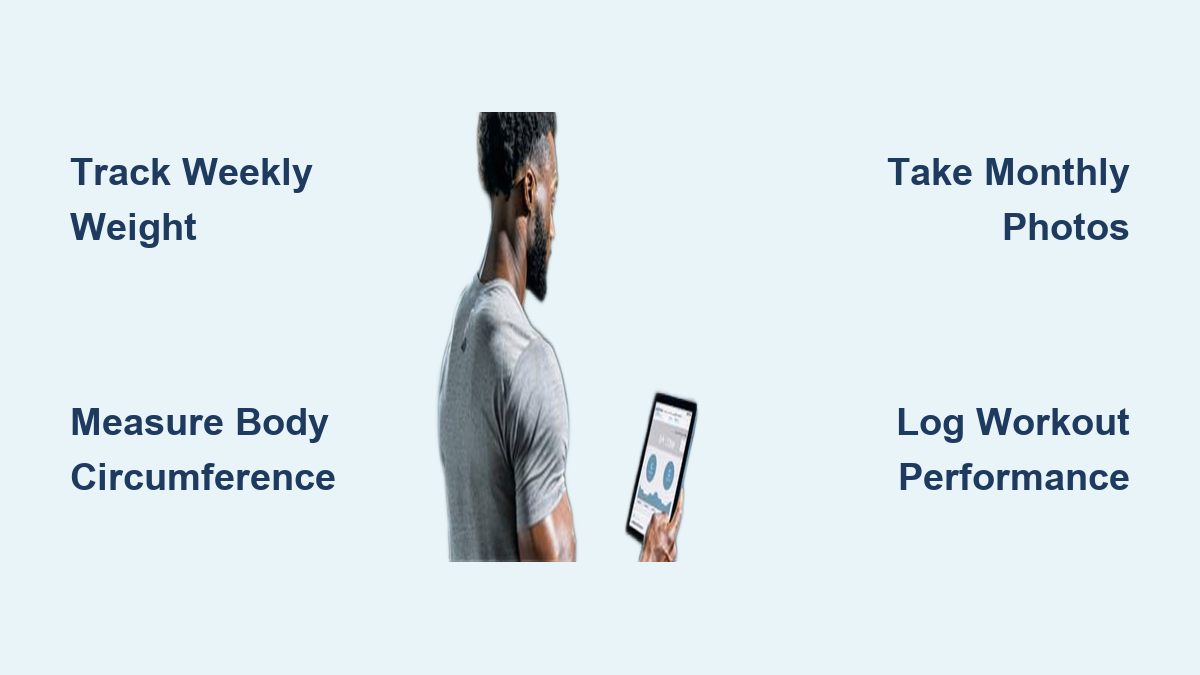
– Lose 10 pounds in 3 months: Track weekly weight, waist circumference, and monthly photos.
– Run a 5K in under 30 minutes: Log run times, weekly mileage, and recovery quality.
– Add 20 pounds to your bench press in 8 weeks: Record every set, rep, and rest interval.
Without a target, data becomes decoration. With a target, data becomes direction.
Keep It Versatile
Your system should work across strength training, cardio, and bodyweight workouts without switching tools. A single notebook or one well-chosen app can handle everything if you set it up right.
Use a Fitness Journal for Strength Training
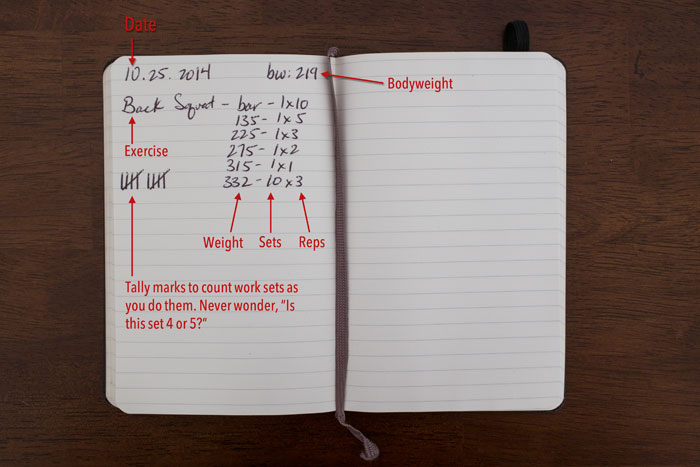
Despite the rise of wearables and AI coaching apps, a physical notebook remains one of the most effective tracking tools—especially for lifters. It’s fast, customizable, and forces you to think before you train.
Plan Your Workout Before You Lift
Before your first set, write down your entire routine using this format:
[Exercise Name] – [Weight] – [Sets] x [Reps]
Example:
Squat – 135 lbs – 4 x 8
This takes under a minute and removes guesswork mid-workout. Base today’s load on last week’s performance. If 135 lbs felt easy for 4×8, try 140 lbs or aim for 4×9. For max-out days, leave blank lines under the exercise to fill in real-time numbers.
Log Sets with Tally Marks
Once you start lifting, use tally marks to track completed sets. This prevents mental errors when fatigue hits.
The sequence is simple:
1. Perform the set
2. Make a tally mark (✓ or ||||)
3. Start your rest timer
4. Adjust weight if needed
5. Repeat
Tally marks turn your journal into a real-time performance record, not just a plan.
Track Rest Intervals When They Matter
For most strength training, rest periods are fixed (3–5 minutes) and don’t need logging. But for HIIT, sprints, or circuit work, rest time is part of the program. In these cases, record the work-to-rest ratio directly under the exercise (e.g., 30 seconds on / 15 seconds off) and note total round time.
Capture How You Felt
Numbers tell half the story. After each session, jot down:
– Energy level on a 1–10 scale
– Sleep quality from the night before
– How the workout felt (strong, sluggish, tight shoulders)
– Mood and motivation
Over time, these notes reveal patterns. You might notice that poor sleep tanks your bench press, or that low-carb days produce stronger training sessions. That insight is gold.
Audit Your Diet Without Obsessing
You don’t need to count calories forever. But a short, structured food audit can expose hidden habits that stall progress.
Run a One-Week Food Log
Spend seven days writing down everything you eat and drink. Include the time of day and your hunger level before and after each meal. No judgment—just observation.
At the end of the week, ask:
– Are you missing protein or fiber?
– Do late-night snacks dominate your intake?
– Are processed foods sneaking in more than you realized?
This awareness leads to simple swaps: replacing soda with water, adding vegetables to dinner, or reducing portion sizes. Use apps like MyFitnessPal during audit weeks, then put them away. Perpetual logging creates burnout without adding value.
Choose the Right Apps and Wearables
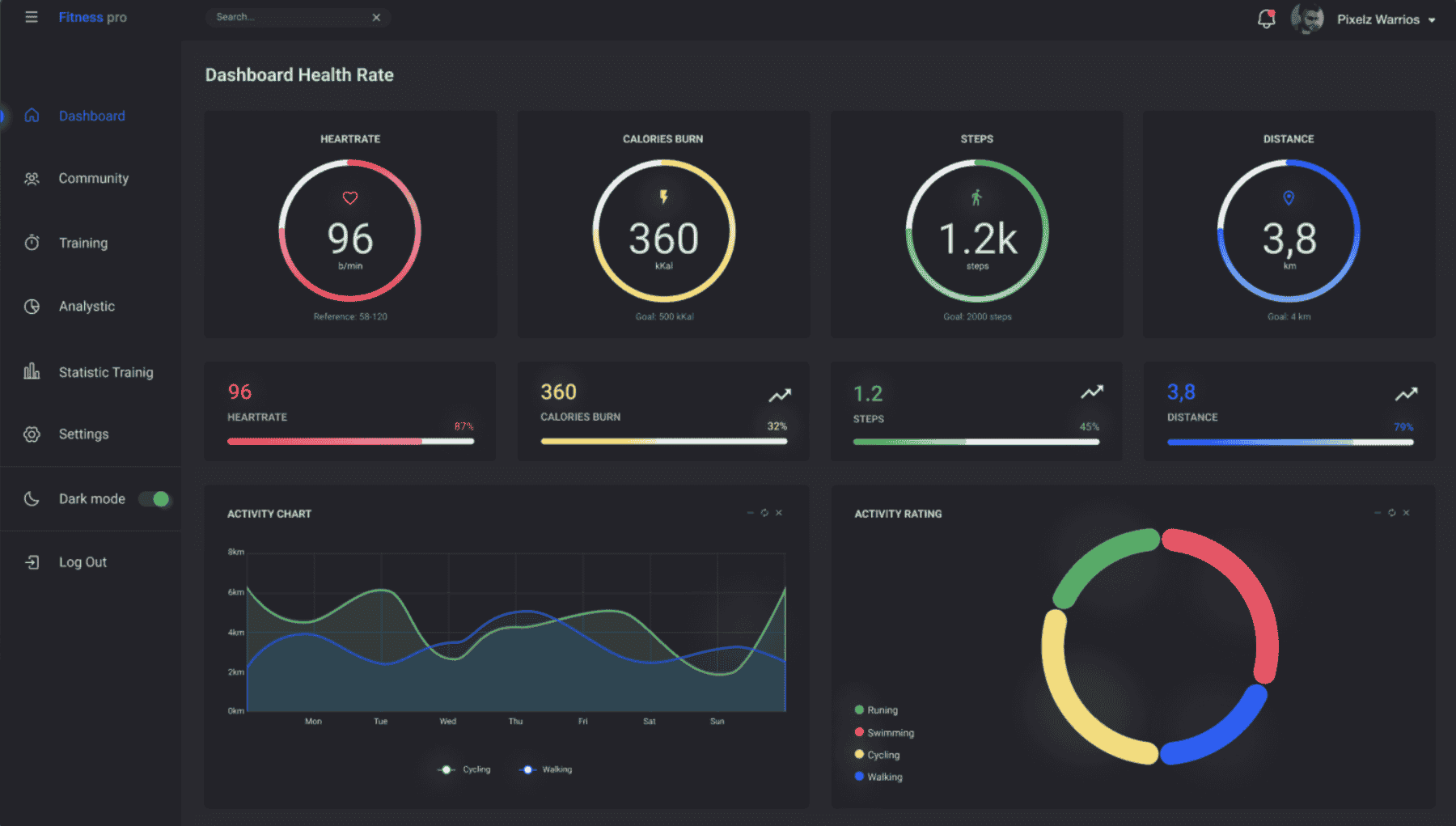
Digital tools automate data collection and visualize trends, but they can overwhelm if you use too many. Pick one or two that align with your primary goal.
Match the App to Your Focus
| Goal | Recommended App |
|---|---|
| Strength Training | Strong, FitNotes |
| Running and Cycling | Strava |
| Nutrition Logging | MyFitnessPal |
| General Activity | Apple Health, Google Fit |
| Coaching and Tracking | Müüv |
Strong and FitNotes let you log lifts, track progressive overload, and view performance graphs—ideal for weightlifters. Strava maps routes, compares splits, and builds community competition—perfect for endurance athletes.
Sync Your Devices Daily
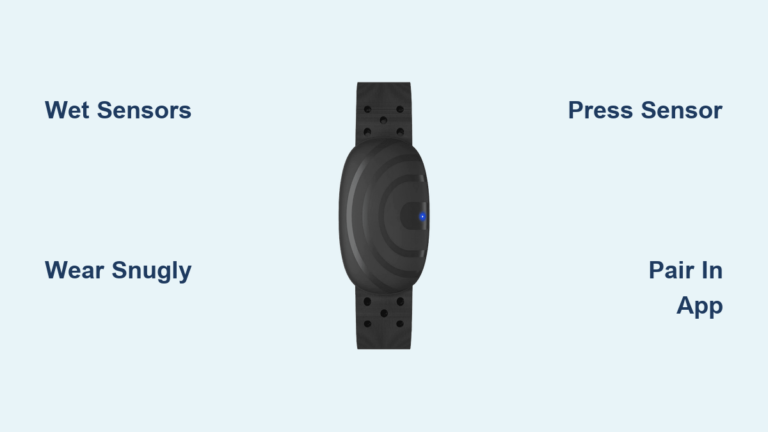
Wearables like the Apple Watch, Fitbit, or Garmin automatically track steps, heart rate, active minutes, and sleep duration. Make sure they sync to your phone every day to avoid data gaps. Enable reminders to log workouts or check in on your weekly metrics.
Look at Trends, Not Single Data Points
Don’t react to one bad day. Instead, review:
– Weight trends over 4–6 weeks
– Resting heart rate changes month-to-month
– Workout frequency per week
Most apps include graphs. Use them to see if your average run pace is improving or if your lifting volume is climbing—even when individual sessions vary.
Measure Body Changes Beyond the Scale
The scale is the most misleading fitness metric. Adult weight fluctuates between 2 and 6 pounds daily due to water retention, digestion, hormones, and sodium intake. Relying on it alone leads to frustration and false conclusions.
Weigh Yourself Once a Week
If you use a scale, follow this protocol:
– Weigh first thing in the morning
– After using the bathroom
– Before eating or drinking
– Naked or in the same clothing each time
Weigh weekly, not daily. If weight creeps up over two consecutive weeks, it may indicate fat gain. If it drops suddenly, it could be water loss. A stable scale weight with looser clothing usually means muscle gain and fat loss happening simultaneously.
Take Circumference Measurements Bi-Weekly
Muscle is denser than fat, so you can lose inches without losing pounds. Use a soft tape measure to track:
– Neck
– Chest
– Waist (at the belly button)
– Hips (at the widest point)
– Thighs (at the midpoint)
– Arms (flexed bicep)
Measure every 1–2 weeks under the same conditions. Keep tension consistent and record numbers in your journal.
You can also calculate your Waist-to-Hip Ratio (WHR) by dividing waist circumference by hip circumference. A ratio of 0.85 or less for women and 0.90 or less for men indicates lower risk for heart disease and metabolic issues.
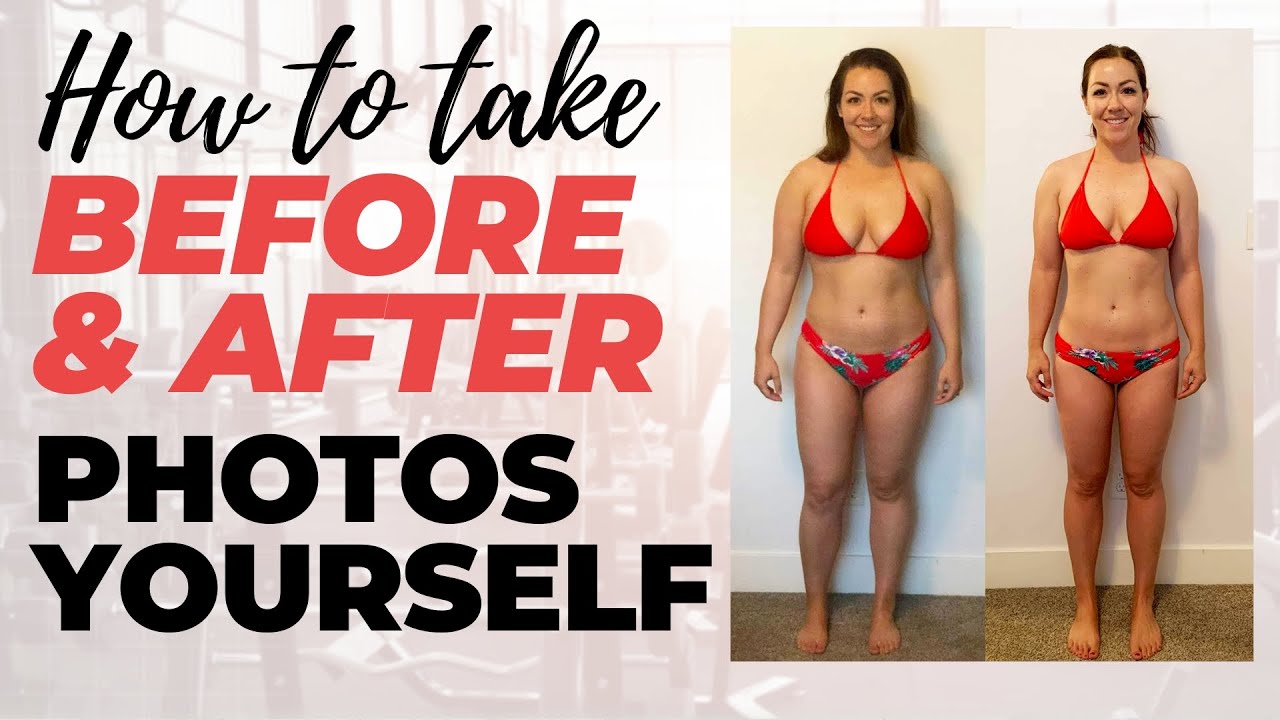
Take Progress Photos Monthly
Your eyes adapt to gradual change, but photos don’t lie. Capture images once a month using a consistent protocol:
– Same time of day (morning is ideal)
– Same lighting (natural light, no harsh shadows)
– Same clothing (tight-fitting shorts and tank top)
– Same poses: front, back, and both sides
Store photos in a private album and label them with the date. After 4–6 weeks, compare. You’ll see improvements in posture, muscle definition, and leanness that were invisible day-to-day.
Avoid daily or even weekly comparisons. Normal water shifts and digestion create false impressions. Monthly intervals reveal real transformation.
Test Clothing Fit Once a Month
Your closet is a real-world progress tracker. Pick one goal garment—jeans that were too tight, a shirt that felt loose, or swimwear from last summer. Try it on monthly and note:
– How it fits across the waist, thighs, and chest
– Ease of zipping or buttoning
– Overall comfort
Clothing that fits better, even when the scale hasn’t moved, is a measurable win.
Track Performance and Functional Gains
What your body can do matters more than how it looks. Performance metrics are motivating, objective, and directly tied to health.
Monitor Strength Gains
Track three things:
– Max lift: Your one-rep max on key lifts like squat, bench, or deadlift
– Volume: Total weight moved (sets × reps × weight)
– Progressive overload: Are you lifting more over time?
For example, if you squat 4×8 at 135 lbs this week, aim for 4×8 at 140 lbs next week or 4×9 at 135 lbs. Small jumps compound into major strength gains.
Record Endurance Improvements
For cardio, use time trials and fixed benchmarks:
– Time a 1-mile run every 4 weeks
– Track distance covered in 30 minutes
– Count how many hill sprints you can complete before exhaustion
Improvement isn’t always about speed. If a 5K feels easier this month than last, that’s real progress. Also track total active minutes per day, aiming for at least 30 minutes of movement five days per week.
Watch Recovery Metrics
Two signs of improving fitness:
– Shorter rest needed between sets
– Lower resting heart rate
Check your resting heart rate first thing in the morning. A downward trend, such as dropping from 72 to 64 bpm, signals better cardiovascular efficiency and overall health.
Review and Adjust Every Month
Data without action is wasted effort. Schedule a monthly check-in to review your metrics and make informed adjustments.
Run a 30-Day Review
Once a month, look at:
– Weight trend over the past 4–6 weeks
– Circumference measurements
– Progress photos
– Performance logs
– Workout consistency
Ask yourself:
– Am I on track to hit my goal?
– Has progress stalled?
– Do I feel stronger, healthier, or more energetic?
Make Small, Data-Driven Changes
If weight loss has stalled:
– Revisit your food log
– Add 2,000 daily steps
– Include one extra strength session per week
If strength gains have slowed:
– Reduce training volume slightly
– Increase rest between sets
– Focus on form and full recovery
Use data to tweak your routine, not overhaul it. Small adjustments based on real feedback produce sustainable results.
Stay Accountable and Avoid Burnout
Even the best tracking system fails without consistency. Build external accountability into your routine.
Find an Accountability Partner
Tell a friend your goal and share monthly updates. Work out together when possible. Or hire a trainer for quarterly check-ins to assess your form and progress objectively.
Join a Supportive Community
Online groups, local fitness classes, or running clubs provide encouragement and shared motivation. Celebrating wins—like a new personal record or fitting into old jeans—reinforces positive habits.
Celebrate Non-Scale Victories
Acknowledge progress that isn’t measured by a number:
– More energy throughout the day
– Better sleep quality
– Climbing stairs without getting winded
– Improved mood and confidence
These are real, meaningful results.
Avoid Common Tracking Mistakes
Don’t Obsess Over Daily Fluctuations
Weight, energy, and performance vary daily. Focus on 4–6 week trends, not hour-to-hour noise.
Don’t Overcomplicate the System
If tracking takes more than five minutes a day, simplify. Use tally marks instead of spreadsheets. Weigh once a week, not every morning. The simpler the system, the longer you’ll stick with it.
Don’t Rely on One Metric
The scale doesn’t show muscle gain. Photos don’t capture improved cardiovascular health. Performance tests don’t reveal stress levels. Use a 360-degree approach: weight, measurements, photos, performance, and how you feel. That’s the full picture.
Quick Reference: Key Metrics and Tracking Frequency
| Metric | How Often | Why It Matters |
|---|---|---|
| Workout Logs (sets, reps, weight) | Every session | Shows strength progress and guides next workout |
| Body Weight | Once weekly | Tracks long-term fat and muscle trends |
| Circumference Measurements | Every 2–4 weeks | Reveals body composition changes |
| Progress Photos | Monthly | Visual proof of transformation |
| Clothing Fit Test | Monthly | Real-world indicator of change |
| Performance Tests (run time, max lift) | Every 4–6 weeks | Measures functional improvement |
| Resting Heart Rate | Weekly or monthly | Indicates cardiovascular health |
| Food Log | One week every 1–3 months | Identifies eating patterns without burnout |
Frequently Asked Questions About Tracking Fitness Progress
How Often Should I Weigh Myself When Trying to Lose Weight?
Weigh yourself once per week, first thing in the morning after using the bathroom and before eating or drinking. Daily weighing causes frustration because adult weight fluctuates between 2 and 6 pounds daily due to water retention, digestion, and hormones. Weekly weigh-ins under consistent conditions reveal true trends over 4–6 weeks.
What Is the Best Way to Track Strength Progress at Home?
Use a fitness journal to log every set, rep, and weight for each exercise. Plan your workout in advance using the format [Exercise] – [Weight] – [Sets] x [Reps], then use tally marks during training to track completed sets. Focus on progressive overload by adding weight or reps each week based on prior performance.
Can I Track Fitness Progress Without a Scale?
Yes. Use a combination of circumference measurements, monthly progress photos, clothing fit tests, and performance benchmarks like run times or max lifts. These metrics capture body composition changes and functional improvements that the scale often misses, especially when you’re gaining muscle and losing fat simultaneously.
How Long Does It Take to See Real Fitness Progress?
Most people see meaningful changes within 4–6 weeks of consistent training and nutrition. This is why monthly comparisons of photos, measurements, and performance logs are more accurate than daily checks. Strength gains often appear within 2–4 weeks, while visible body composition changes typically take 6–12 weeks.
Should I Use an App or a Notebook to Track Workouts?
Both work well. A notebook is fast, customizable, and forces you to think before training. Apps like Strong or FitNotes automate logging and visualize trends over time. Choose based on your preference, but avoid using more than one or two tools. Overcomplication leads to abandonment.
What Metrics Matter Most for Overall Health?
Track resting heart rate, blood pressure, body weight trends, waist circumference, and workout consistency. A lower resting heart rate and stable waist-to-hip ratio (0.85 or less for women, 0.90 or less for men) are strong indicators of improved cardiovascular and metabolic health.
Final Thoughts on Building a Tracking System That Works
Tracking fitness progress isn’t about collecting data—it’s about creating a feedback loop that shows you what’s working. The most effective system is the one you’ll actually use day after day. Start simple: a notebook, a scale, a tape measure, and your phone camera. Log your workouts, weigh once a week, take monthly photos, and review your metrics every 30 days.
Focus on trends, not single data points. Use multiple metrics to see the full picture. Adjust your routine based on what the data tells you, not on what you hope is happening. When you track the right things consistently, progress stops being a guess and becomes a certainty.