How to Wash Peloton Heart Rate Monitor
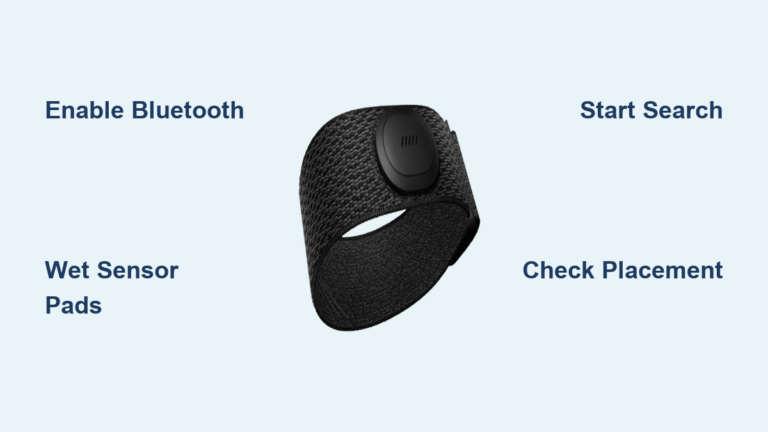
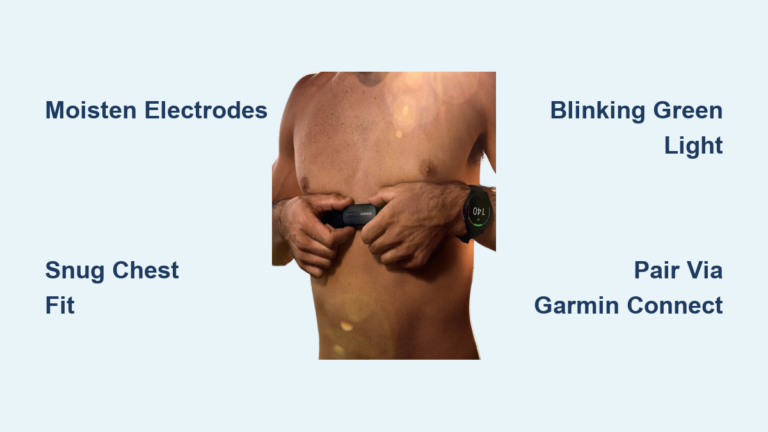
Sweat builds up fast during intense Peloton rides, and your heart rate monitor strap absorbs every drop. Over time, this can lead to odor, skin irritation, and reduced sensor accuracy. Knowing how to wash Peloton heart rate monitor properly is essential for hygiene, comfort, and device longevity. While Peloton doesn’t publish official washing instructions, thousands of users have shared effective cleaning methods, most of which align with general heart rate monitor care best practices. This guide gives you a safe, step-by-step approach to keep your strap fresh and functioning, whether you rinse it daily or deep-clean monthly.
You don’t need special products or tools. With just lukewarm water, mild soap, and a few minutes, you can extend your strap’s life and maintain reliable heart rate tracking. Below, we break down the safest cleaning methods, what to avoid, and how to dry and store your monitor the right way.
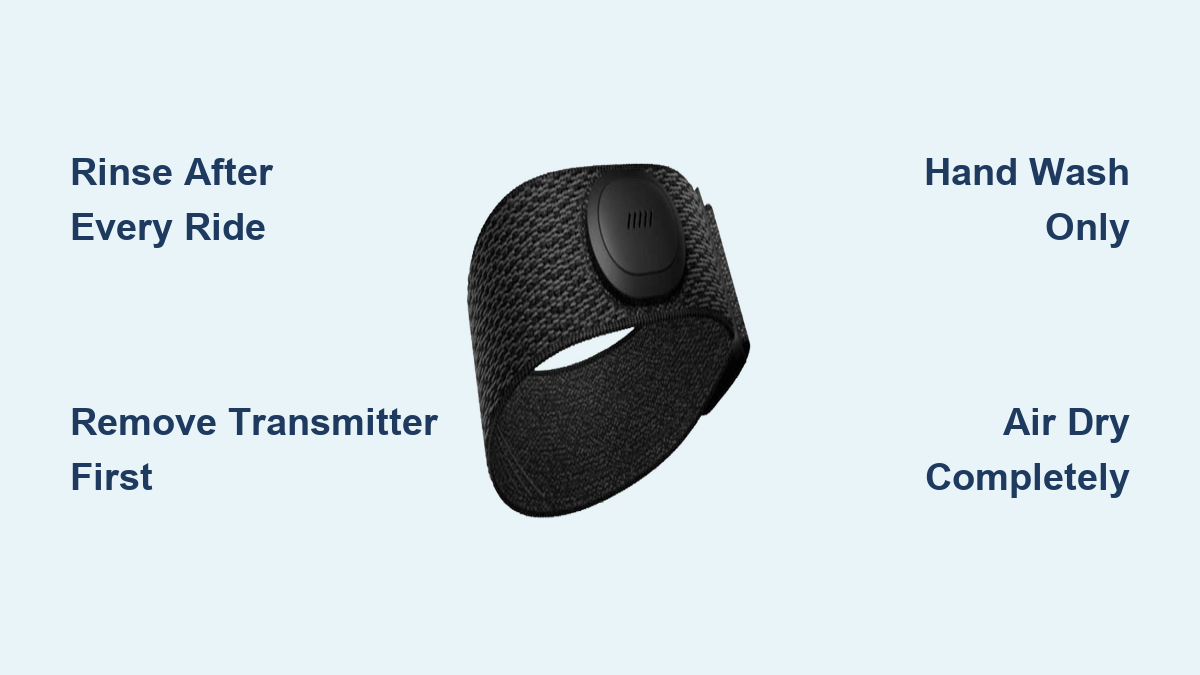
Rinse After Every Ride
Sweat contains salt and bacteria that degrade elastic straps and corrode electrode sensors over time. A quick post-workout rinse removes the majority of buildup before it sets in.
Immediate Post-Ride Rinse Steps
- Rinse under lukewarm water immediately after your ride.
- Hold the strap under running water, focusing on the inner side that touches your skin.
- Gently rub the electrode areas (the small silver or gray contact points) with your fingers.
- Do not submerge the transmitter module if still attached.
After rinsing:
– Towel dry the strap thoroughly.
– Hang to air dry—lay it flat or drape it over a hook. Avoid folding or crumpling.
– Make this part of your cooldown routine, like putting away your weights or wiping down the bike.
💡 Pro Tip: Many riders rinse their strap in the shower after a workout. Just wear it during your shower and let water run over it (without soap). It’s an effortless way to maintain cleanliness.
Hand Wash for Deep Cleaning

Even with regular rinsing, residue accumulates over time. A deeper clean every few months restores performance and prevents odor.
Use Warm Water and Mild Soap
- Fill a small bowl with warm (not hot) water.
- Add a small amount of hand soap—avoid bleach or strong detergents.
- Submerge only the strap, ensuring the transmitter is removed.
Scrub Electrode Patches Gently
- Use a soft fingernail brush to gently scrub the strap.
- Pay special attention to the electrode patches where sweat collects.
- These patches are crucial for accurate heart rate readings, and cleaning them improves signal quality.
Rinse and Dry Completely
- Rinse the strap under clean water until all soap is gone.
- Towel dry again to remove excess moisture.
- Hang to dry in a well-ventilated area, away from direct sunlight or heat sources.
⚠️ Never soak the transmitter. Water damage to the electronic module can permanently disable your monitor.
Remove the Transmitter First
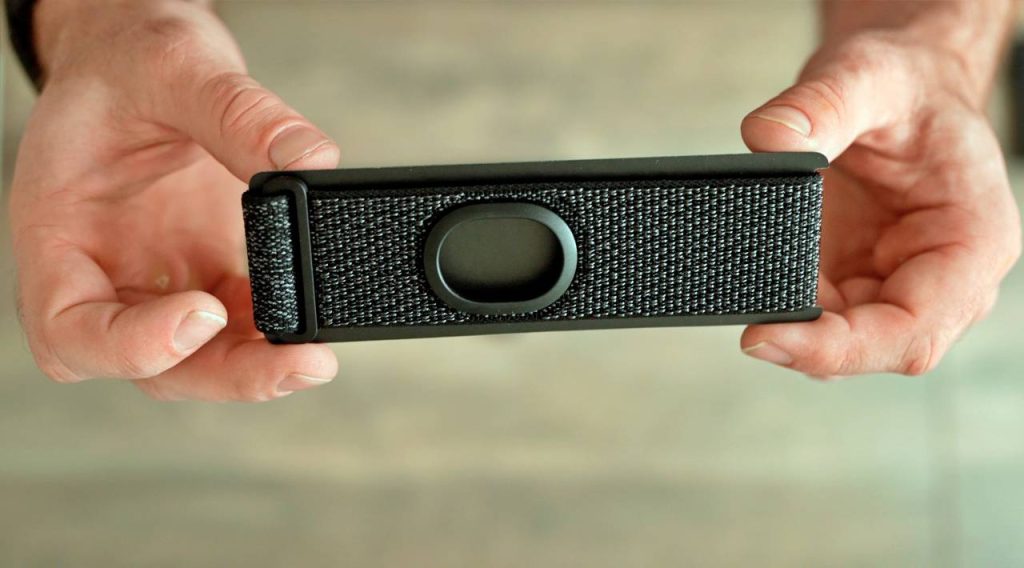
The Peloton heart rate monitor uses a small snap-on transmitter that attaches to the fabric strap. This module sends data to your bike or app, and it’s not waterproof.
How to Detach the Module
- Hold the strap flat and locate the plastic connector.
- Press the release tab on the side of the transmitter.
- Gently slide it out of the fabric sleeve.
Always remove the transmitter before any washing or soaking. Even brief exposure to water can cause corrosion or connection issues.
✅ Safe Practice: Clean only the fabric strap. Wipe the transmitter with a damp cloth, then dry with a towel. Never submerge it.
Avoid the Washing Machine

While some users wash Garmin or Wahoo straps in the machine successfully, this is not recommended for Peloton HR monitors.
Why Machine Washing Is Risky
- Agitation damages elastic fibers—the strap can lose its stretch and fit poorly.
- Zippers or clasps in the wash can snag and tear the fabric.
- Even with the transmitter removed, detergent residue can irritate skin or degrade sensor patches.
🚫 Never put the Peloton strap in the dryer. Tumbling can degrade the strap over time, ruining elasticity and potentially melting internal wiring channels.
If You Must Machine Wash
Some users report washing their Peloton strap on a gentle cycle in a mesh laundry bag, using mild detergent and cold water. However:
– Remove the transmitter first.
– Wash separately or with soft workout clothes.
– Air dry only—no dryer, no radiator.
We recommend hand washing only to avoid unnecessary risk.
Dry and Store Properly
How you dry and store your heart rate monitor affects its lifespan more than you think.
Air Dry Completely Before Storing
- Hang the strap in a dry, ventilated space.
- Avoid damp areas like gym bags or closed drawers.
- Ensure it’s fully dry before reattaching the transmitter or using again—moisture causes mold and odor.
Store Flat or Loosely Coiled
- Don’t wrap it tightly around your hand or tuck it under heavy gear.
- Long-term tension weakens elasticity and can distort the sensor alignment.
🌞 Avoid direct sunlight—UV rays break down the fabric and elastic over time, even during short storage periods.
Check for Wear and Tear
Even well-maintained straps wear out. Regular inspection helps you spot problems early.
Signs It’s Time to Replace
- Fraying fabric or loose stitching
- Stiff or cracked elastic
- Persistent odor after washing
- Inconsistent heart rate readings (could indicate damaged electrodes)
Most Peloton HR straps last 6–12 months with frequent use. If you ride 5+ times a week, consider replacing it annually. However, many straps remain functional for years with proper drying alone.
Clean Electrodes for Better Accuracy
Dirty sensors are a common cause of inaccurate readings. Wipe them weekly with a damp cloth, and deep-clean monthly as described above.
💡 Pro Tip: If your heart rate jumps or drops unexpectedly, clean the strap first. This fixes the issue in most cases.
Long-Term Care Tips
Proper maintenance means your Peloton heart rate monitor stays comfortable, accurate, and odor-free for months.
Make Cleaning a Habit
- Rinse after every ride—takes 30 seconds.
- Deep clean every few months—takes 5 minutes.
- Inspect weekly for wear or buildup.
Never Use Harsh Cleaners
- Avoid bleach, alcohol, or antibacterial wipes—they degrade fabric and electronics.
- No perfumed soaps—these can leave residue that irritates skin.
Replace When Needed
Peloton sells replacement straps separately. If cleaning doesn’t help and performance declines, invest in a new one. It’s more cost-effective than replacing the entire monitor.
✅ Quick Note: Check current model compatibility before ordering a replacement strap, as part numbers vary by generation.
Frequently Asked Questions About Washing a Peloton Heart Rate Monitor
Can I put my Peloton heart rate monitor in the washing machine?
While some users report success machine washing their HR straps, it’s not recommended for Peloton monitors. The agitation can damage elastic fibers, and detergent residue may irritate skin. Hand washing is the safer choice.
How often should I wash my Peloton heart rate strap?
Rinse it after every ride with lukewarm water. For a deeper clean, hand wash with mild soap every few months or whenever you notice odor or buildup on the electrodes.
Is the Peloton heart rate monitor waterproof?
No, the transmitter module is not waterproof. Always remove it before washing the strap. You can wipe the transmitter with a damp cloth, but never submerge it in water.
What soap is safe for cleaning a heart rate monitor strap?
Use a small amount of mild hand soap or dish soap. Avoid bleach, alcohol, antibacterial wipes, and perfumed soaps, as these can degrade the fabric and irritate your skin.
Why are my heart rate readings inaccurate?
Dirty or corroded electrode patches are the most common cause. Clean them with a soft brush and mild soap, then dry thoroughly. If problems persist, inspect the strap for wear or consider replacement.
How long does a Peloton heart rate monitor strap last?
With regular rinsing and proper drying, most straps last 6–12 months with frequent use. Many users report their straps lasting years when they avoid machine washing and harsh chemicals.
Key Takeaways for Washing Your Peloton Heart Rate Monitor
Keeping your Peloton heart rate monitor clean is simple but critical. Rinse it after every ride, hand wash every few months, always remove the transmitter, and air dry completely. Avoid machines and harsh chemicals to protect both the fabric and electronics.
With consistent care, your strap will deliver accurate readings, stay odor-free, and last significantly longer. Start by rinsing your strap after your next ride, and build the habit from there. Treat it like your favorite workout gear, because it is.