How Effective Is Jump Rope for Cardio?
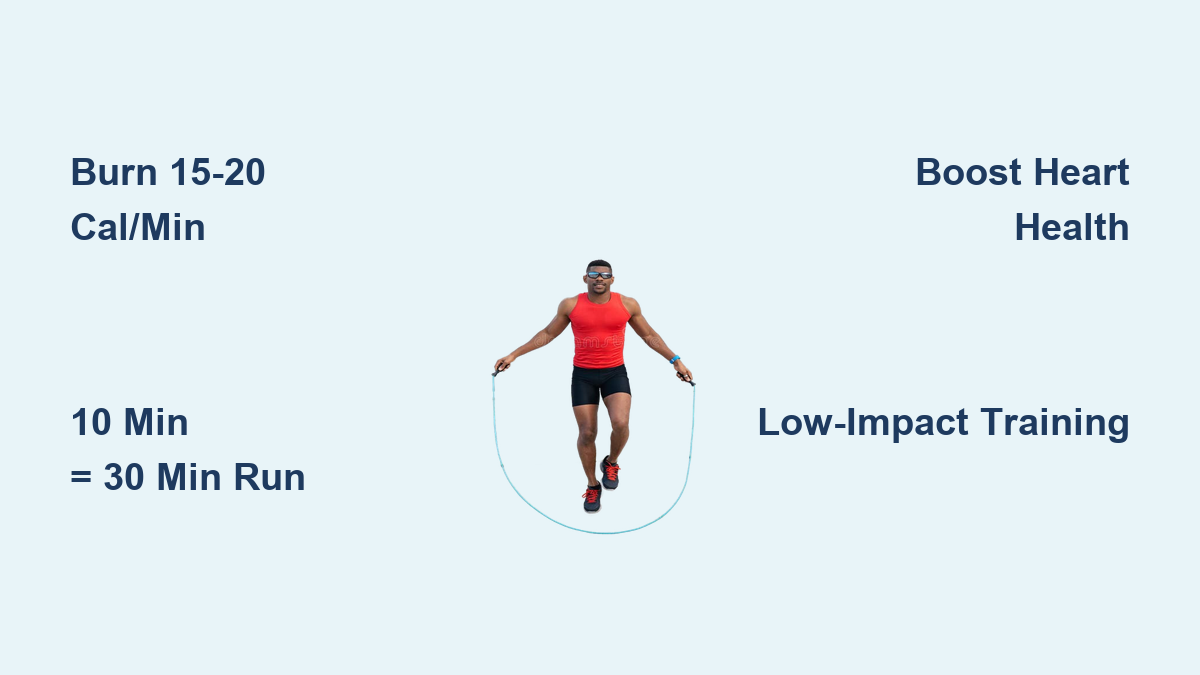
If you’re short on time but want serious cardiovascular results, the jump rope deserves a top spot in your fitness routine. Jumping rope is one of the most effective cardio workouts available, delivering elite-level heart health benefits in just minutes a day. Research shows that 10 minutes of jump rope can match the cardiovascular impact of 30 minutes of jogging, making it a true efficiency champion.
This full-body, low-cost exercise isn’t just for boxers or kids on the playground. It’s a science-backed, calorie-torching, heart-strengthening workout trusted by athletes and trainers worldwide. In this guide, you’ll learn exactly how effective jump rope is for cardio, how it compares to running, cycling, and swimming, and how to use it safely for maximum results.
Maximize Calorie Burn in Minimal Time

Jumping rope stands out as one of the most efficient calorie-burning cardio exercises, outpacing most traditional workouts through intensity and full-body engagement.
Burn 15–20 Calories Per Minute
At a moderate to fast pace, jumping rope burns 15 to 20 calories per minute, a rate that rivals sprinting and beats most gym machines. For a 200-pound person, fast skipping burns roughly 362 calories in 20 minutes, while moderate skipping burns about 241 calories.
A dedicated 30-minute session can torch 500 to 600 calories, surpassing swimming, cycling, and steady-state running. Even completing 1,000 skips burns between 140 and 190 calories, depending on speed and body weight.
Trigger the Afterburn Effect with HIIT
Jump rope naturally supports High-Intensity Interval Training (HIIT), which maximizes fat loss through the afterburn effect (EPOC). After intense intervals, your body continues burning calories for hours as it restores oxygen levels and repairs muscle tissue.
Sample HIIT protocol:
– 30 seconds fast jumping
– 30 seconds rest
– Repeat for 10–15 rounds
This 10–20 minute routine can match the calorie burn of a 45-minute jog while keeping your metabolism elevated long after you finish.
Avoid Common Calorie Mistakes
- Overestimating output: Slow, inconsistent jumps burn fewer calories than rhythmic, continuous skipping.
- Ignoring form: Poor technique reduces intensity and efficiency.
- Skipping warm-up: Cold muscles burn fewer calories and increase injury risk.
Pro Tip: Use a fitness tracker to monitor heart rate. Aim for the 70–85% of max heart rate zone for optimal fat-burning.
Outperform Running and Other Cardio

When compared head-to-head, jump rope often wins in efficiency, joint impact, and muscle engagement, all without requiring special equipment or large spaces.
Match Cardio Benefits in One-Third the Time
10 minutes of jumping rope equals 30 minutes of running in cardiovascular impact. Both elevate heart rate and improve VO2 max, but jump rope does it faster and with less joint strain when done correctly.
| Exercise | 30-Minute Calorie Burn | Time Efficiency | Joint Impact |
|---|---|---|---|
| Jump Rope | 500–600 cal | ⭐⭐⭐⭐⭐ | Low (with proper form) |
| Running | 300–500 cal | ⭐⭐⭐⭐ | High |
| Swimming | ~250 cal | ⭐⭐⭐ | Near-zero |
| Cycling | 200–350 cal | ⭐⭐⭐ | Low |
| Boxing Bag Work | 300–400 cal | ⭐⭐⭐⭐ | Moderate |
Why Jump Rope Beats Running
- Greater muscle activation: Engages arms, shoulders, core, and legs, not just the lower body.
- Lower injury risk: Small, soft landings make it low-impact. Running generates 2–3 times body weight in ground force.
- Bone density boost: Repetitive load strengthens bones and reduces osteoporosis risk, unlike swimming or cycling.
Beat Biking and Swimming in Efficiency
While biking and swimming are excellent low-impact options, they fall short in calorie burn and full-body engagement. Swimming burns roughly half as many calories as jump rope in the same time, and biking requires equipment, space, and terrain while neglecting the upper body.
Jump rope wins on accessibility: all you need is a $5 rope and a 3×3 foot space.
Strengthen Heart and Lungs Quickly
Jumping rope isn’t just about burning calories. It’s a proven method for improving cardiovascular and respiratory health.
Improve Heart Efficiency
Regular jump rope training:
– Strengthens the heart muscle
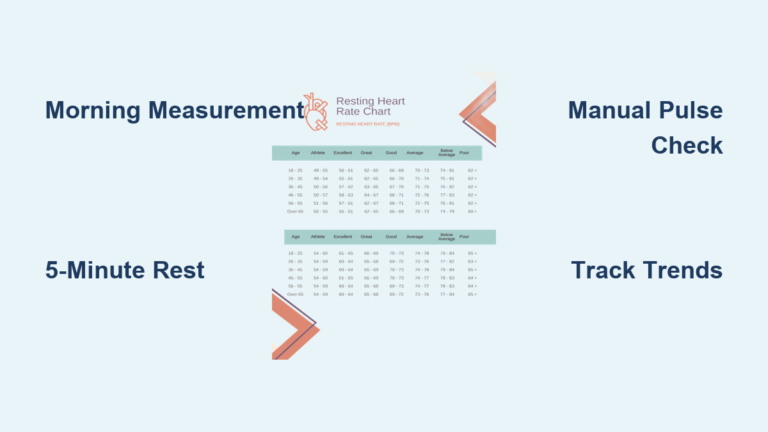
– Lowers resting heart rate
– Improves circulation
– Reduces blood pressure
The American Heart Association endorses jump rope through its “Jump Rope for the Heart” program, recognizing its role in preventing heart disease, stroke, and peripheral arterial disease.
Boost Lung Capacity and Oxygen Use
Jumping rope forces the lungs to work harder, increasing lung volume and oxygen uptake (VO2 max). Over time, this translates to:
– Less breathlessness during daily activities
– Faster recovery between workouts
– Enhanced stamina for sports and endurance events
Reduce Chronic Disease Risk
Studies show jump rope helps:
– Improve insulin sensitivity, lowering type 2 diabetes risk
– Reduce systemic inflammation, a key contributor to heart disease
– Support healthy body composition, reducing obesity-related conditions
Just 150 minutes per week of moderate jumping (or 75 minutes vigorous) meets CDC cardio guidelines and delivers these protective benefits.
Build Full-Body Strength and Endurance
Unlike most cardio, jump rope builds muscular endurance across your entire body, not just your legs.
Target Lower Body Muscles
Each jump activates:
– Calves (gastrocnemius, soleus)
– Quadriceps (front thighs)
– Hamstrings (back thighs)
– Glutes (buttocks)
– Feet and ankles (intrinsic muscles)
This builds explosive power and endurance critical for basketball, soccer, tennis, and other sports.
Engage Upper Body and Core
While jumping, your arms rotate the rope, recruiting:
– Shoulders (deltoids)
– Biceps and triceps
– Forearms
Your core muscles (abs, obliques, lower back) stabilize your torso, improving posture and balance throughout every session.
Expert Note: Weighted jump ropes (1–2 lbs) amplify upper-body engagement, turning cardio into a strength-building workout.
Prevent Muscle Loss During Weight Loss
Many cardio exercises cause muscle loss. Jump rope preserves lean mass while burning fat, thanks to its dynamic, resistance-like nature. This leads to better body composition: smaller waist, more definition, and higher resting metabolism.
Boost Bone Density and Joint Health
Jump rope is a weight-bearing exercise, making it one of the best tools for building strong bones and resilient joints.
Increase Bone Mineral Density
The low-level impact of jumping stimulates bone remodeling, especially in the lumbar spine and femoral neck (hip joint). A 22-week study on Olympic swimmers showed significant bone density gains after adding just 20 minutes of jump rope twice per week, a major win for injury prevention and healthy aging.
Protect Joints with Proper Form
Contrary to common belief, jump rope is low-impact when done right:
– Land softly on the balls of your feet
– Keep jumps small (1–2 inches)
– Bend knees slightly to absorb shock
This strengthens connective tissues and can help rehabilitate ankle stability, unlike high-impact running.
Avoid Shin Splints and Overuse
Common risks like shin splints come from:
– Jumping too long too soon
– Poor footwear
– Hard surfaces like concrete
Prevention tips:
– Start with 5–10 minutes, 2–3 times per week
– Wear cushioned cross-trainers
– Use a jump rope mat or wooden floor
Enhance Coordination, Balance, and Focus
Jump rope is as much a mental workout as a physical one, requiring rhythm, timing, and concentration.
Sharpen Neuromuscular Coordination
You must precisely sync:
– Hand rotation (wrist-driven)
– Foot timing (quick, light hops)
– Body rhythm (steady cadence)
This builds a strong mind-muscle connection, improving agility and reaction time for athletes and older adults alike.
Improve Balance and Reduce Fall Risk
Repetitive jumping enhances proprioception, your body’s sense of position in space. This is crucial for:
– Preventing falls in older adults
– Boosting athletic performance
– Recovering from injuries
Boost Mental Health and Focus
Cardio releases serotonin and endorphins, reducing symptoms of anxiety and depression. The rhythmic nature of jump rope can induce a flow state, clearing mental fog and sharpening concentration.
Pro Tip: Try jump rope in the morning to energize your brain and set a productive tone for the day.
Choose the Right Rope and Technique
Using correct equipment and form ensures safety, efficiency, and steady progress.
Pick the Best Rope for Your Goals
| Rope Type | Best For | Weight Range | RPM Capability |
|---|---|---|---|
| Speed Rope | Fast skips, double-unders | Ultra-light cable | High (300+) |
| Weighted Rope | Strength, endurance | 0.25–2 lbs | Moderate |
| Standard Rope | Beginners, general fitness | 0.25–0.5 lbs | Medium |
| Ropeless Rope | Travel, small spaces | N/A | Low |
Most quality ropes cost $10–$30, far cheaper than gym memberships.
Master Proper Jump Rope Form
Follow these steps to jump safely and effectively:
1. Size the rope: Stand on the center; handles should reach your armpits.
2. Posture: Stand tall, shoulders relaxed, elbows close to your ribs.
3. Rotation: Turn the rope with your wrists, not your shoulders.
4. Jump: Lift only 1–2 inches, just enough to clear the rope.
5. Land: On the balls of your feet, knees slightly bent, with a quiet landing.
Visual cue: If you hear loud slaps, you’re jumping too high or landing flat-footed.
Fix Common Form Mistakes
- Shrugging shoulders: Causes neck tension. Keep shoulders down.
- Elbows flared: Reduces speed. Keep elbows in.
- Jumping too high: Wastes energy. Stay low.
- Stiff knees: Increases impact. Always bend slightly.
Follow Proven Workout Plans

Whether you’re a beginner or advanced, structured routines maximize results and prevent burnout.
Beginner: 3-Day Weekly Plan
Goal: Build rhythm, endurance, and consistency
Duration: 10–15 minutes
- Warm-up: 2 minutes of marching and ankle rolls
- 30 seconds jump, 30 seconds rest, repeat 5 times
- Cool-down: Stretch calves and shoulders
Intermediate: 12-Minute HIIT Circuit
Goal: Boost fat burn and stamina
Structure: 45 seconds work, 15 seconds rest
- Basic jump
- Criss-cross
- High knees
- Side-to-side
- Double-unders (or quick singles)
- Rest 1 minute, repeat the cycle
Advanced: Daily Endurance or Finisher
Option 1 – Endurance: 20–30 minutes of steady skipping at moderate pace
Option 2 – Finisher: 100 jumps fast, rest 30 seconds, repeat 5 times (500 total)
Time-saving tip: Do 5 minutes in the morning and 5 minutes at night to hit 10 daily minutes, equal to a 30-minute run.
Stay Safe and Avoid Injury
Jump rope is safe for most people, but precautions are essential.
Who Should Be Cautious?
- Arthritis or joint pain: Consult a doctor first.
- Heart conditions: Get medical clearance due to rapid heart rate increase.
- Foot or ankle injuries: Avoid until fully healed.
Prevent Overuse Injuries
- Start slow: 2–3 days per week, 5–10 minutes
- Progress gradually: Add 1–2 minutes per week
- Rest: Allow 48 hours between intense sessions
Use the Right Gear and Surface
- Footwear: Wear cross-trainers or court shoes with cushioning.
- Surface: Avoid concrete. Use rubber mats, wooden floors, or turf.
- Rope length: Too long causes tripping; too short causes shoulder strain.
Integrate Into Weight Loss and Fitness
Jump rope works best as part of a balanced, sustainable fitness plan.
Create a Calorie Deficit
Weight loss requires burning more than you consume. Jump rope can create a 220–440 calorie daily deficit when done regularly, accelerating fat loss. Pair it with healthy eating for best results.
Track Body Composition, Not Just Weight
Jump rope builds muscle while burning fat. You may:
– Lose inches
– Gain definition
– See little change on the scale
Use measurements, photos, or body fat percentage instead of relying solely on weight.
Combine With Strength and Flexibility
For best results:
– Strength train 2–3 times per week (weights or bodyweight)
– Stretch or do yoga post-jump to prevent tightness
– Use jump rope as a warm-up before lifting or sports
Fun factor: Learning tricks like double-unders and crossovers keeps workouts engaging and boosts long-term adherence.
Frequently Asked Questions About Jump Rope for Cardio
Is jumping rope better than running for cardio?
Jumping rope is more time-efficient, burning 500–600 calories in 30 minutes compared to running’s 300–500 calories. Ten minutes of jump rope equals 30 minutes of running in cardiovascular benefit, with less joint impact when proper form is used.
How many calories does jumping rope burn?
Jumping rope burns approximately 15–20 calories per minute. A 30-minute session can burn 500–600 calories, and 1,000 skips burns roughly 140–190 calories depending on speed and body weight.
How long should I jump rope for a good cardio workout?
Beginners can start with 5–10 minutes, 2–3 times per week. For optimal cardiovascular benefits, aim for 150 minutes of moderate or 75 minutes of vigorous jump rope per week, as recommended by the CDC.
Is jump rope safe for bad knees or joints?
Jump rope is low-impact when performed correctly, but those with arthritis or joint injuries should consult a doctor first. Using cushioned shoes, soft surfaces, and small jumps can minimize joint stress.
Can jump rope help with weight loss?
Yes. Jump rope creates a significant calorie deficit and preserves lean muscle while burning fat. Combined with a healthy diet, it supports sustainable weight loss and improved body composition.
Does jump rope improve heart health?
Regular jump rope training strengthens the heart muscle, lowers resting heart rate, improves circulation, and reduces blood pressure. The American Heart Association endorses it for cardiovascular health through its “Jump Rope for the Heart” program.
Key Takeaways on Jump Rope’s Cardio Effectiveness

Jumping rope is one of the most effective, time-efficient, and accessible cardio workouts available. It burns more calories per minute than running, cycling, or swimming, builds full-body strength, strengthens bones, and sharpens mental focus, all with minimal equipment and space requirements.
Just 10 minutes a day can deliver cardiovascular benefits comparable to 30 minutes of jogging, making it ideal for busy schedules. When performed with proper form and integrated into a balanced routine, jump rope delivers elite cardiovascular results that few other exercises can match.
Your next step: Grab a quality jump rope, set a timer for 10 minutes, and start with the beginner plan today. Your heart, lungs, and body will thank you.