Types of Cardio Machines: Complete Guide
Cardio machines are powerful tools for building heart health, torching calories, and boosting endurance without relying on weather or terrain. Whether you train for races, recover from injury, or simply want to stay active indoors, the right equipment transforms your results. With options ranging from treadmills to climbers to rowers, choosing wisely depends on your goals, joint sensitivity, available space, and motivation style.
This guide breaks down every major type of cardio machine, how each one works, who benefits most, and what separates top models from the rest. You will learn which machines burn the most calories, which protect your joints, and how to match features to your lifestyle.
Treadmills: The Indoor Running Standard
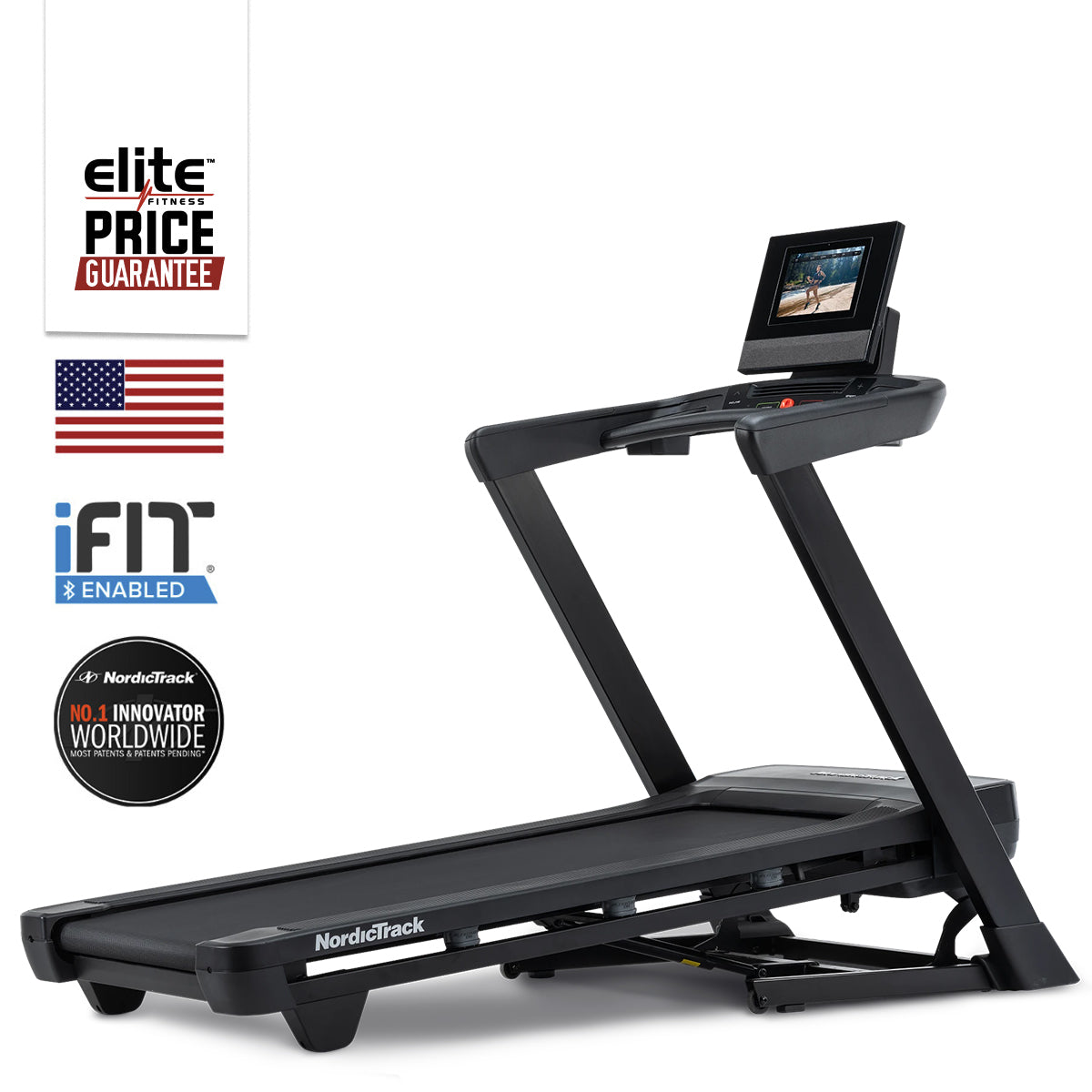
Treadmills remain the most popular cardio machine because they simulate outdoor walking, jogging, and running on a moving belt you control. Adjustable speed and incline let you structure workouts precisely, making treadmills ideal for race prep and progressive training.
Motorized vs. Curved Designs
Standard motorized treadmills use a powered belt with set speeds and inclines. Curved models like the Rogue Woodway Curve LTG are non-motorized, meaning your legs drive the belt. This makes curved treadmills far more demanding, especially during sprints, and perfect for high-intensity interval training. However, they require more initial effort and are less beginner-friendly than motorized options.
Best Uses for Runners and HIIT
Motorized treadmills are essential for 5K training or replicating outdoor runs. Incline settings boost glute and hamstring engagement, mimicking hills. Curved treadmills deliver unmatched sprint intensity with no speed cap beyond your own fitness level.
Top Models and Features to Compare
- NordicTrack T10: 3.5 CHP motor, 12 mph top speed, 10-inch HD touchscreen, AutoAdjust, SelectFlex cushioning
- Life Fitness T3: 4.2/5 rating, priced from $3,499
- Rogue Woodway Curve LTG: Non-motorized, 350 lb capacity, official CrossFit Games runner
Look for cushioning systems if you run frequently to reduce knee impact. Check weight capacity (325+ lbs suits most users) and folding designs if space is limited.
Stationary Bikes: Joint-Friendly Cardio
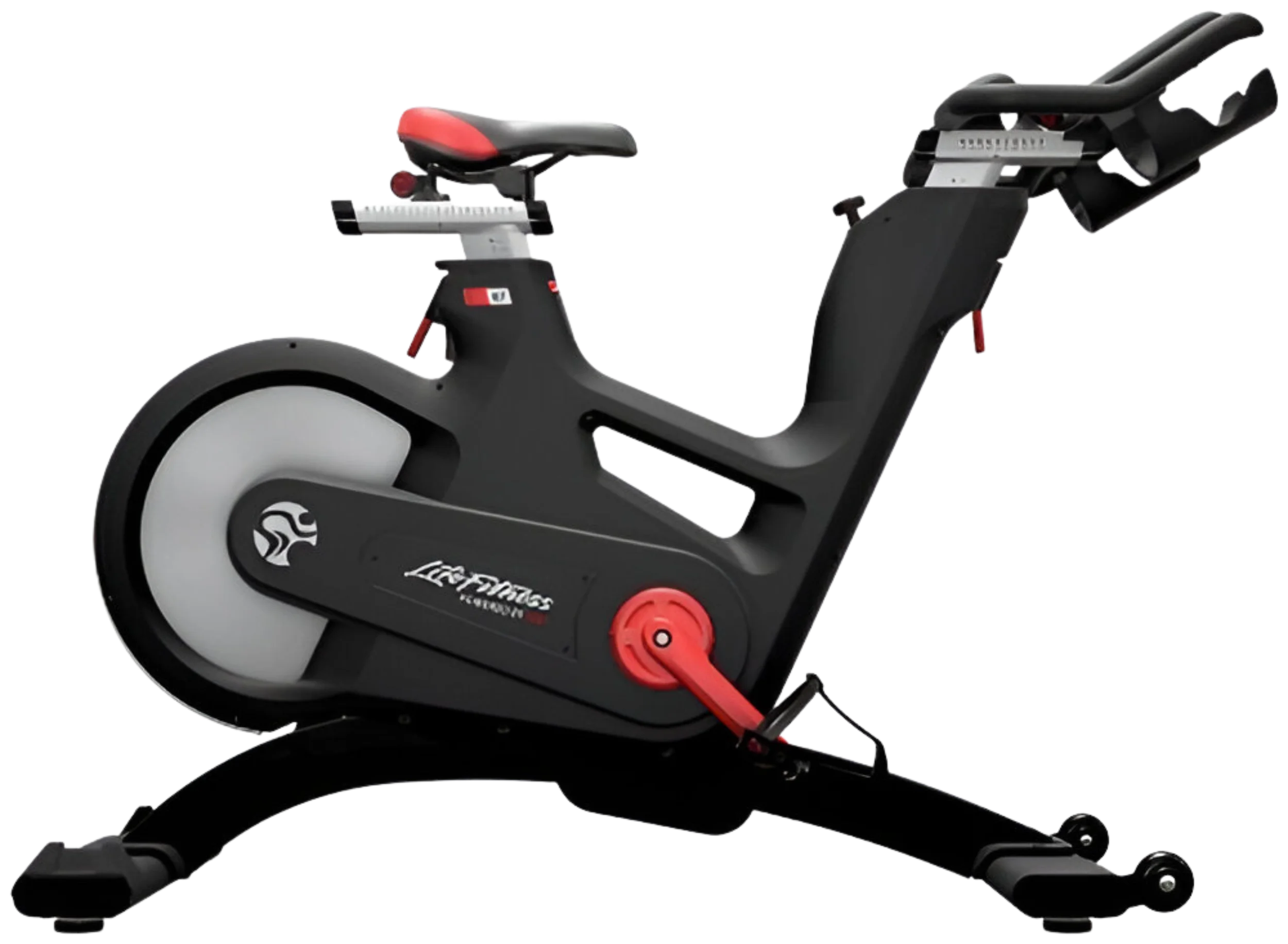
Bikes deliver cardiovascular benefits with minimal joint stress, making them ideal for users with knee, hip, or ankle concerns. Four main styles serve different needs: upright, spin, recumbent, and fan-powered.
Upright Bikes for Classic Cycling
These mimic road bikes with a vertical posture and pedal-based resistance. They work well for beginners and rehabilitation. Seat height matters: adjust so your knee has a slight bend at the bottom of the pedal stroke.
Top model: NordicTrack X24 features a 24-inch touchscreen, incline and decline capabilities, and a 350 lb capacity. Full access requires an iFit subscription.
Spin Bikes for High-Intensity Training
Spin bikes like the Life Fitness IC7 (4.8/5 rating) use heavy flywheels and clip-in pedals for performance cycling. You can stand and sprint, making them perfect for HIIT and indoor cycling classes. Peloton dominates this category with its 360-degree rotating screen and live class ecosystem.
Pro Tip: Wear padded shorts and apply anti-chafing cream to prevent discomfort during long sessions.
Recumbent Bikes for Maximum Comfort
Recumbent bikes like the SCIFIT StepOne feature a reclined seat with back support, placing minimal stress on the lower body. They suit seniors, post-injury recovery, and users with balance issues. Resistance still builds strength through a smooth, stable ride.
Fan Bikes for Full-Body Conditioning
Fan bikes like the Assault AirBike combine arm and leg movement against air resistance. The harder you push, the greater the resistance, creating a self-regulating, brutally effective workout. A 6-round sprint session (15 seconds on, 15 seconds off) torches calories fast.
Why it works: Fan bikes engage chest, shoulders, back, arms, core, and legs simultaneously. The Assault AirBike supports 350 lbs and includes a 3-year warranty.
Ellipticals and Arc Trainers: Smooth, Total-Body Motion

Ellipticals simulate walking or running without impact. Your feet stay on pedals moving in an oval path, reducing joint strain while working large muscle groups.
How Ellipticals Engage Your Body
You push and pull moving handles to activate arms and core, burning more calories than leg-only machines. However, ellipticals are cardio equipment, not strength training substitutes.
Form Tip: Stand tall with elbows slightly bent and avoid leaning on the handles. Beginners should start with legs only, then add arms once rhythm is established.
Best Elliptical Models
- Life Fitness E1: 4.4/5 rating, priced from $2,989, known for smooth stride
- BowFlex Max Trainer M6: Hybrid elliptical-stepper, 10-inch touchscreen, 20 resistance levels, around $1,200
Arc Trainers: Stair and Elliptical Hybrid
Arc trainers like the Life Fitness Total Body Arc Trainer (from $10,299) blend elliptical motion with stair climbing, targeting glutes and hamstrings more aggressively. Available in total-body or lower-body versions, they fit commercial gym settings well.
Stair Climbers and Step Mills: Vertical Intensity

These machines simulate climbing stairs, building leg strength and bone density with less impact than running.
Key Differences Between Climbers and Step Mills
- Stair climbers: Continuous moving steps focused on speed
- Step mills: Mini-escalator design with distinct steps for a more natural stride
Technique Tip: Climb one step at a time to target quads; take two at a time for glutes and hamstrings. Alternate to vary muscle engagement.
Space-Smart Vertical Climbing
The CLMBR Connected 2 delivers a vertical climb in just 35 x 32 inches of floor space. It is compact but intense, featuring an HD touchscreen and full-body workout capability. You need at least 8 feet of ceiling clearance.
Best for: Short, powerful sessions lasting 20 to 30 minutes that maximize calorie burn and lower-body sculpting.
Rowing Machines: Full-Body Cardio Power
Rowers engage roughly 85% of your muscles, including legs, core, back, and arms, in one smooth stroke. The seated, low-impact motion suits users with joint issues or balance concerns.
Air, Magnetic, and Water Resistance Compared
- Air (Concept2 RowErg): Industry standard with resistance that scales with effort. Durable and splits for storage
- Magnetic (Life Fitness Row HX): Smooth, quiet, consistent resistance at $1,899
- Water (Hydrow, Ergatta): Realistic feel with immersive classes. Hydrow offers live water-inspired sessions; Ergatta uses gamified workouts on a cherry wood frame
Mastering the Rowing Stroke
Four phases define proper technique:
- Catch: Knees bent, torso leaning forward
- Drive: Push with legs first, then lean back
- Finish: Legs straight, arms pulled in
- Recovery: Return smoothly to the start
Damper Tip: Set between 3 and 4 for a racing boat feel. Higher settings change drag feel, not actual resistance.
Calorie burn: A 185 lb person burns approximately 377 calories in 30 minutes at a fast pace.
Upper Body and Specialized Cardio Machines
Not all cardio requires leg engagement. These machines target arms, back, and core, making them ideal for adaptive athletes or cross-training.
SkiErg: Nordic Ski Simulator
Pull overhead handles to mimic cross-country skiing. The Concept2 SkiErg stands 83.5 inches tall and needs ceiling space, but its base measures just 16 x 20 inches. At 46 lbs, it is lightweight and burns serious calories.
Setup: Stand 18 to 24 inches from the machine with arms at 90 degrees. Pull down with both arms or alternate. Add a lunge to engage legs and core simultaneously.
Best for: Skiers training off-season, upper-body focus, or lower-body injury recovery.
Other Specialized Options
- SCIFIT PRO2 Total Body Exerciser: Adaptive, low-impact, priced at $7,368
- TRUE Fitness LateralX: Lateral movement training for commercial use
- Ergatta Rower: Game-based water rowing supporting users up to 6’8″
How to Choose the Right Cardio Machine
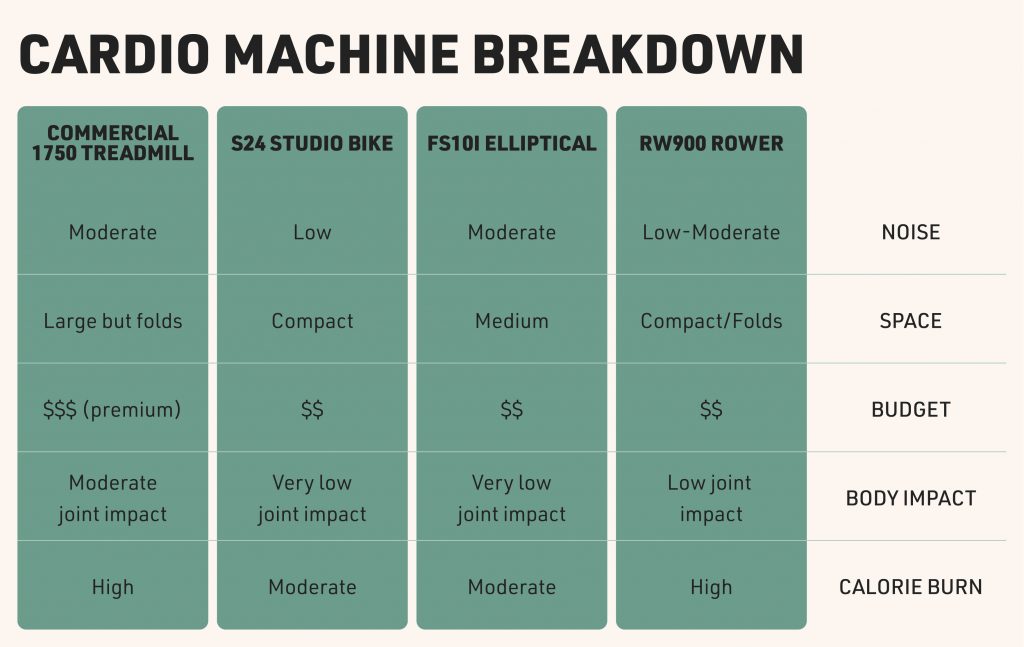
Selecting the best machine comes down to fit, not trends. Use these four filters to guide your decision.
Match Your Primary Fitness Goal
- Weight loss: Fan bikes, rowers, treadmills deliver high calorie burn
- Joint protection: Recumbent bikes, ellipticals, and rowers minimize stress
- Race training: Treadmills serve runners; spin bikes serve cyclists
- Full-body conditioning: Rowers, fan bikes, and SkiErgs engage multiple muscle groups
- Space saving: SkiErg, CLMBR, and foldable rowers fit small areas
Consider Impact Level
- High impact: Treadmills during running, curved treadmills during sprints
- Medium impact: Stair climbers
- Low impact: Ellipticals, bikes, rowers
- Very low impact: Recumbent bikes
Users with arthritis or past injuries should prioritize low-impact options.
Factor in Technology and Motivation
Connected machines from Peloton, NordicTrack, Hydrow, and Ergatta offer live classes, gamification, and immersive screens. Most require subscriptions ranging from $20 to $40 monthly for full access. Simpler machines like Concept2 and Rogue have no screens or subscriptions but offer extreme durability.
Ask yourself: Do you need entertainment to stay consistent? If yes, go smart. If you prefer simplicity, go manual.
Understand Price Tiers
- Budget ($600 to $2,000): Entry bikes, basic treadmills, used rowers
- Mid-range ($2,000 to $5,000): Quality treadmills, spin bikes, connected rowers
- Premium ($5,000+): Commercial-grade equipment like Life Fitness Club Series, Arc Trainers, and SCIFIT units
Warranties matter: Look for 10-year frame coverage on treadmills, 5-year coverage on rowers, and 1 to 2 years on parts.
Maintenance and Longevity Tips
Even premium machines fail without proper care. Follow these practices to extend equipment life.
Weekly Cleaning and Inspection
Wipe down handles, seats, and touchscreens after each use. Check belts on treadmills and fan bikes, inspect pedals, and monitor resistance systems. Lubricate treadmill decks according to manufacturer guidelines.
Address Common User Issues
- Cycling chafing: Wear proper shorts without underwear and use anti-chafing cream
- Rowing back pain: Fix form by driving with legs first, not the back
- Boredom: Rotate machines, try HIIT formats, or use fitness apps
Warranty Checkpoints
- Frame: 10 years on treadmills, 5 years on rowers
- Parts: 1 to 2 years
- Labor: 1 year, sometimes only 90 days on lower-tier models
Commercial units from Life Fitness and TRUE last longer under heavy use.
Frequently Asked Questions About Cardio Machines
Which cardio machine burns the most calories?
Rowing machines, fan bikes, and treadmills produce the highest calorie expenditure at similar effort levels. A 185 lb person can burn approximately 377 calories in 30 minutes of fast rowing. Fan bikes scale resistance with effort, making short sessions extremely demanding.
What is the best cardio machine for bad knees?
Recumbent bikes, ellipticals, and rowing machines place the least stress on joints. Recumbent bikes are the gentlest option overall, while ellipticals and rowers provide effective cardio without impact. Treadmills with cushioning systems reduce knee strain but still carry higher impact than non-weight-bearing machines.
Are curved treadmills worth the money?
Curved treadmills like the Rogue Woodway Curve LTG deliver unmatched sprint intensity and are built for HIIT. They cost more upfront and require greater initial effort, making them less suitable for beginners or slow jogging. Competitive athletes and CrossFit enthusiasts benefit most from the design.
Do I need a subscription for cardio machines?
Connected machines from Peloton, NordicTrack, Hydrow, and Ergatta require monthly subscriptions ranging from $20 to $40 for full access to classes and content. Simpler machines like Concept2 rowers and Rogue treadmills have no subscriptions but lack interactive programming.
How much space do cardio machines require?
Treadmills need roughly 75 x 34 inches, while rowing machines require about 96 x 24 inches. Compact options include the SkiErg (16 x 20 inch base), CLMBR (35 x 32 inch base), and foldable rowers like the Concept2 that splits into two pieces. Vertical climbers need 8+ feet of ceiling clearance.
What is the best cardio machine for small apartments?
The SkiErg, CLMBR, and foldable Concept2 rower offer the smallest footprints. The SkiErg uses just 16 x 20 inches of floor space but requires vertical clearance. Folding treadmills and recumbent bikes also work in tight spaces when not in use.
Final Takeaways for Choosing Your Ideal Cardio Machine
All cardio machines improve heart health, burn calories, and reduce disease risk, but the most effective one is the one you will actually use consistently. Rowers, fan bikes, and treadmills lead in calorie burn. Recumbent bikes, ellipticals, and rowers protect your joints best. SkiErgs, CLMBR units, and foldable rowers solve space challenges. Connected bikes and rowers with live classes provide the strongest motivation boost.
Do not overthink the decision. Try several machines at your gym or a showroom. Notice which one feels engaging and sustainable for your routine. Once you find it, commit to regular use, because consistency always beats intensity when it comes to long-term fitness results.