How Cardio Improves Heart Health
You have probably heard that exercise is good for your heart, but have you ever wondered how a brisk walk or bike ride actually transforms your cardiovascular system? The answer goes far beyond simple calorie burn. Cardiovascular exercise triggers a cascade of powerful physiological changes that strengthen your heart muscle, improve blood flow, and reduce disease risk. Experts often note that if the benefits of exercise could be bottled into a pill, it would be the most prescribed medication in the world.
Cardio does not just help you lose weight or feel more energetic. It fundamentally reprograms your heart and blood vessels to work more efficiently. From enlarging heart chambers to lowering blood pressure and balancing cholesterol, regular aerobic activity acts like internal maintenance for your entire circulatory system. These benefits begin with just 30 minutes of moderate movement five days a week. This guide breaks down exactly how cardio improves heart health, backed by science, and gives you actionable steps to harness its full power.
Heart Muscle Remodeling From Consistent Cardio
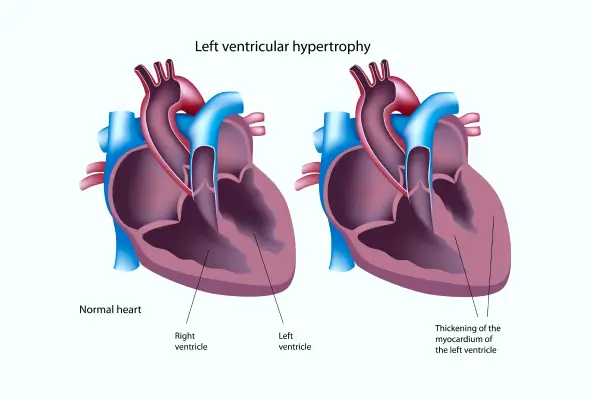
Regular cardio exercise does not just make your heart work harder; it makes your heart smarter and stronger. Over time, your heart undergoes structural changes similar to how skeletal muscles grow with resistance training.
Stronger Pump and Fewer Beats Per Minute
With consistent aerobic activity, the left ventricle (your heart’s main pumping chamber) expands and conditions itself. This allows it to relax more easily between beats and fill with more blood. A stronger heart acts like a vacuum during the relaxation phase, sucking in more blood with every beat.
This increased filling capacity means your heart pumps a larger volume of blood per stroke, a measure known as stroke volume. As a result, your heart does not need to beat as often to deliver the same amount of blood throughout your body. Fit individuals often have resting heart rates as low as 40 to 50 beats per minute, compared to the average 70 to 80.
This increased efficiency reduces long-term strain on the heart muscle, lowering the risk of overwork and fatigue.
Enhanced Blood Flow to the Heart Itself
Just like your leg muscles need oxygen during a run, your heart muscle requires its own steady blood supply through the coronary arteries. Cardio stimulates these arteries to grow small branches of new blood vessels, a process called angiogenesis.
Think of it as building backup routes on a highway. If one path gets blocked, others can keep traffic moving. This natural bypass effect ensures your heart tissue receives more oxygen and nutrients, especially during physical stress, and helps protect against damage during partial artery blockages.
Artery Flexibility and Lower Blood Pressure
One of the most immediate and measurable benefits of cardio is improved blood vessel function, which directly impacts blood pressure and long-term heart disease risk.
Softer, More Responsive Arteries
As we age, arteries tend to stiffen, making it harder for blood to flow smoothly. This increases pressure on vessel walls and forces the heart to work harder. Cardio counteracts this process by boosting blood flow volume by up to 25% during activity.
This increased flow creates shear stress (the friction of blood against vessel walls), which signals arteries to expand slightly and become more flexible. The key player in this process is nitric oxide, a molecule released during exercise that relaxes the smooth muscle in artery walls and causes them to widen through vasodilation. Flexible, open arteries mean less resistance to blood flow and lower blood pressure.
Lowering High Blood Pressure Naturally
For people with hypertension (130/80 mm Hg or higher), regular cardio can reduce systolic blood pressure (the top number) by 5 to 7 mm Hg on average. That reduction is comparable to the effect of some blood pressure medications.
You do not need intense workouts to see results. Brisk walking, cycling, or swimming for 30 minutes most days of the week is enough to trigger lasting improvements in vascular tone.
Cholesterol Balance and Blood Sugar Control

Cardio does not just strengthen the heart. It also reprograms your metabolism to reduce two major drivers of heart disease: poor cholesterol levels and high blood sugar.
Better Cholesterol Profile Through Exercise
Exercise helps shift your lipid profile in a heart-protective direction. It raises HDL (good) cholesterol, which helps remove excess cholesterol from arteries, while lowering LDL (bad) cholesterol and triglycerides, the fats linked to plaque buildup.
While diet plays a major role in cholesterol management, combining cardio with resistance training amplifies these effects, making your body better at processing and storing fats safely.
Improved Insulin Sensitivity and Glucose Control
During cardio, your muscles produce a protein called GLUT-4, which helps cells absorb glucose from the bloodstream, even without insulin. This makes your body more sensitive to insulin, a critical factor in preventing and managing Type 2 diabetes.
Studies show that regular aerobic or resistance exercise can lower HbA1c (a marker of average blood sugar over three months) by 0.7 percentage points. That improvement matches what some diabetes medications achieve. Normal HbA1c is less than 5.7%, while levels of 6.5% or higher indicate diabetes.
Experts believe widespread physical inactivity is a primary reason Type 2 diabetes has become so common in modern societies, where movement is no longer built into daily life.
Visceral Fat Reduction for Heart Protection

Not all body fat carries the same risk. The most dangerous type, visceral fat, wraps around your internal organs, including the liver, and is strongly linked to inflammation, insulin resistance, and heart disease.
While diet is key for overall weight loss, cardio is especially effective at targeting visceral fat. Even without dramatic changes on the scale, consistent aerobic exercise can shrink this deep abdominal fat, reducing your risk of metabolic syndrome and cardiovascular events.
Mental Health and Stress Protection for Your Heart
Your heart does not operate in isolation. It is deeply connected to your brain, and chronic stress, anxiety, and depression are now recognized as major risk factors for heart disease. Cardio strengthens this brain-heart axis in powerful ways.
Calming the Stress Response
Exercise helps dampen the fight or flight system, which, when chronically overactive, keeps stress hormones like cortisol and adrenaline elevated. Over time, this leads to higher blood pressure, inflammation, and heart strain.
Regular cardio trains your body to recover faster from stress, making your cardiovascular system more resilient to daily challenges.
Mood-Boosting Brain Chemicals
A single 30-minute session of moderate cardio releases brain-derived neurotrophic factor (BDNF), a protein that supports brain health, improves mood, and enhances cognitive function. Exercise also triggers the release of natural endocannabinoids, chemicals that create a sense of calm and well-being.
In some cases, regular aerobic exercise has been shown to be as effective as antidepressant medication for managing mild to moderate depression. Unlike pills, it comes with zero negative side effects and extra benefits for the heart.
Optimal Cardio Guidelines for Heart Health
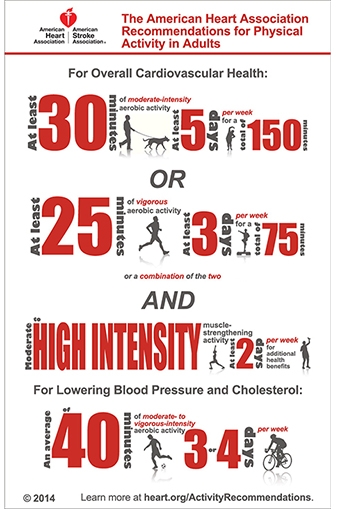
To get these heart-protective benefits, you do not need to train like an athlete. The American Heart Association and American College of Sports Medicine recommend a balanced, achievable routine.
Weekly Aerobic Targets
- 150 minutes of moderate-intensity cardio per week (such as 30 minutes, 5 days)
- OR 75 minutes of vigorous-intensity cardio (such as 25 minutes, 3 days)
Moderate intensity means you are warm and breathing harder but can still talk, just not sing. Vigorous intensity means talking is difficult.
Best Cardio Activities for Your Heart
- Brisk walking
- Cycling
- Swimming
- Jogging
- Dancing
- Hiking
- Rowing
- Jumping rope
For those with mobility issues, upper-body options like handcycles or seated arm ergometers provide excellent aerobic benefits.
Exercise Snacking Delivers Real Results
Cannot find 30 minutes at once? Break it up. Three 10-minute walks spread through the day, called exercise snacking, deliver similar heart benefits as one long session.
Add Resistance Training for Complete Heart Protection
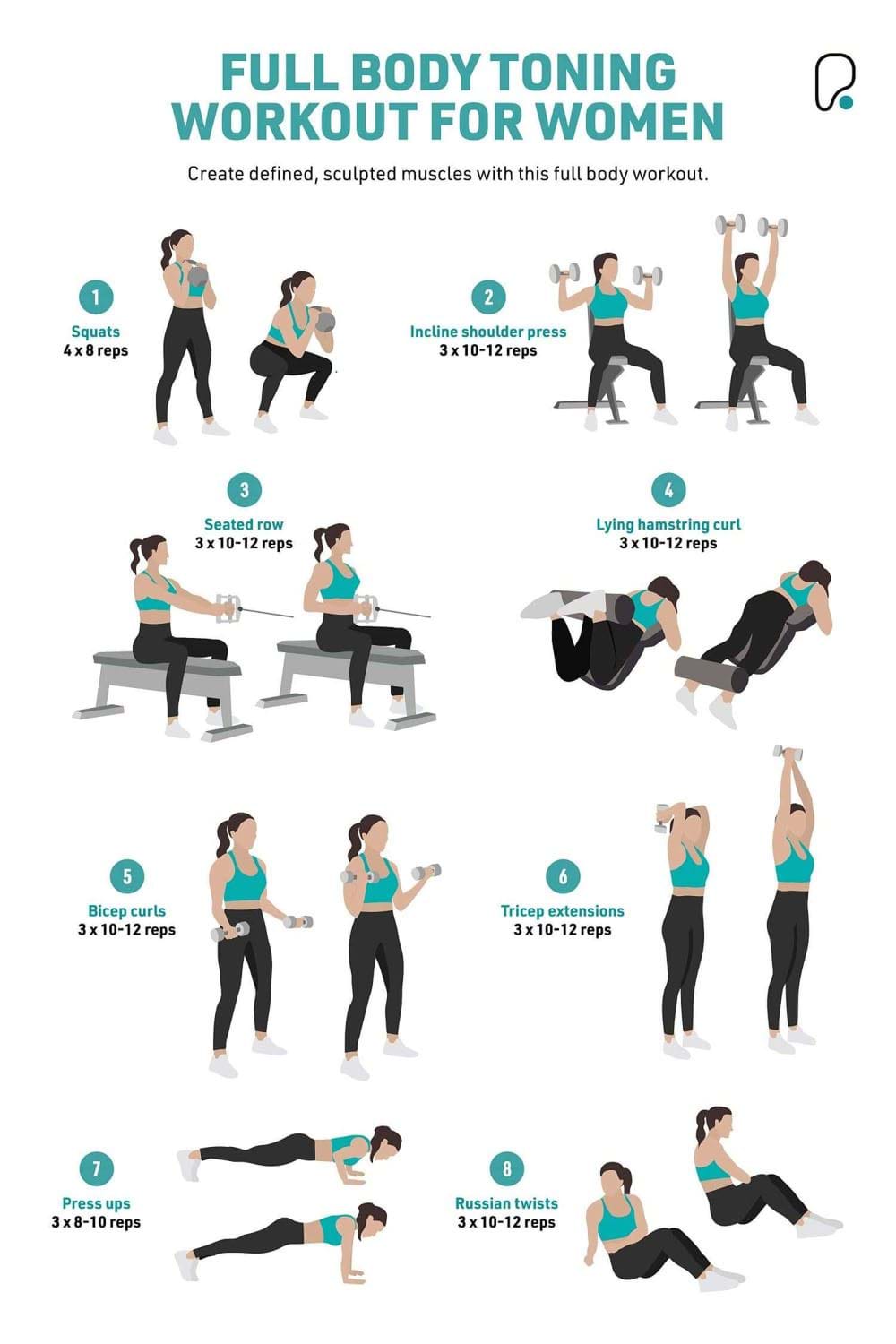
While cardio gets the spotlight, resistance (strength) training is equally important for heart health.
Why Strength Training Matters
- Builds lean muscle, which burns more calories at rest
- Reduces the effort needed for daily tasks, lowering heart strain
- Improves glucose control and cholesterol levels
- Counters age-related muscle loss, keeping you active longer
How to Do It Safely
- Train 2 to 3 days per week, focusing on major muscle groups
- Do 2 to 3 sets of 10 to 12 reps per exercise
- Use weights, bands, or body weight (such as squats or wall push-ups)
- Never hold your breath during lifts, as it can spike blood pressure dangerously
- If recovering from heart surgery, avoid heavy lifting and keep elbows close to your body
Balance and Flexibility for Long-Term Activity
These exercises do not pump your heart directly, but they keep you moving and protect your ability to stay active long-term.
Fall Prevention Through Stability Work
Yoga, tai chi, and balance drills improve stability, reducing the risk of falls, especially critical for older adults. Fewer injuries mean fewer interruptions to your cardio routine.
Daily Stretching Tips
- Stretch after warming up or post-exercise when muscles are warm
- Hold each stretch at least 30 seconds
- Move slowly and never bounce
- Focus on major muscle groups: calves, hamstrings, shoulders, and back
Special Populations and Tailored Recommendations
Older Adults (Age 60 and Above)
- Walking 6,000 to 9,000 steps per day cuts cardiovascular disease risk by 40 to 50% compared to just 2,000 steps
- Combine walking with strength and balance work to maintain independence
- Start slow with 5 to 10 minutes daily, then build up gradually
Heart Disease Patients
- Most people with heart conditions can and should exercise, but under medical guidance
- Cardiac rehab is essential after a heart attack or surgery
- Monitor for warning symptoms: chest pain, dizziness, or extreme breathlessness
- Some medications affect blood pressure response, so move slowly when changing positions
Peripheral Arterial Disease (PAD)
- Walking therapy is a cornerstone treatment for PAD
- Walk until mild leg pain occurs, rest, then resume; this builds endurance and reduces pain over time
- Add calf raises and leg-strengthening exercises to target symptoms
Pregnancy
- If you were active before pregnancy, continue moderate cardio like walking or swimming
- If new to exercise, start gently and consult your doctor
- Avoid overheating and high-impact movements
Start and Stay Consistent With Cardio
The best exercise is the one you will actually do. Motivation often comes from how you feel, including more energy, better sleep, and less stress, long before you see changes on a scale or blood test.
Make Your Routine Stick
- Choose activities you genuinely enjoy
- Schedule workouts like important appointments
- Use a step tracker or fitness app for accountability
- Exercise with a friend for social motivation
- Celebrate small wins along the way
Warm-Up and Cool-Down Are Essential
Always include these elements in your routine:
– 15-minute warm-up: Light movement to prepare your heart and muscles
– 10-minute cool-down: Gradual slowdown and stretching to prevent dizziness and soreness
Know When to Consult a Doctor
Before starting a new exercise program, especially if you have any of the following conditions:
– Heart disease or a history of heart attack
– High blood pressure
– Diabetes
– Joint or mobility issues
A doctor or cardiac rehab specialist can help design a safe, effective plan tailored to your specific needs and health status.
Frequently Asked Questions About Cardio and Heart Health
How quickly does cardio improve heart health?
Some benefits appear within weeks. Blood pressure reductions and improved insulin sensitivity can begin after just a few weeks of consistent activity. Structural changes to the heart muscle and significant cholesterol improvements typically develop over several months of regular exercise.
Can cardio lower blood pressure as much as medication?
For people with hypertension, regular cardio can reduce systolic blood pressure by 5 to 7 mm Hg on average. This reduction is comparable to the effect of certain blood pressure medications, though you should never stop prescribed medication without your doctor’s guidance.
What is the best cardio exercise for heart health?
The best cardio exercise is one you will do consistently. Brisk walking, cycling, swimming, jogging, and dancing all provide excellent heart benefits. Consistency matters far more than the specific activity you choose.
Is walking enough cardio for heart health?
Yes. Brisk walking for 150 minutes per week (30 minutes, 5 days) meets the American Heart Association guidelines for moderate-intensity cardio and provides significant heart-protective benefits, including lower blood pressure and improved cholesterol.
How does cardio help with cholesterol?
Cardio raises HDL (good) cholesterol while lowering LDL (bad) cholesterol and triglycerides. Combining aerobic exercise with resistance training amplifies these effects and helps your body process and store fats more safely.
Can people with heart disease still exercise?
Most people with heart conditions can and should exercise, but they must do so under medical guidance. Cardiac rehabilitation programs are essential after heart attacks or surgery, and exercise intensity should be individualized based on the specific condition.
Key Takeaways for Building a Stronger Heart Through Cardio
Cardio exercise is one of the most powerful tools available for protecting and strengthening your heart. It physically remodels your heart muscle, makes your arteries more flexible, lowers blood pressure, balances cholesterol, improves insulin sensitivity, and reduces dangerous visceral fat. Beyond the physical benefits, cardio calms your stress response and boosts mood through brain chemicals like BDNF.
The most important step is simply getting started. Aim for 150 minutes of moderate-intensity cardio per week, broken into manageable sessions if needed. Add resistance training two to three days per week, include balance and flexibility work, and always warm up and cool down properly. Your heart responds to movement within weeks, and the benefits compound over a lifetime.
Take the first step today by scheduling a 30-minute walk, bike ride, or swim. Your heart is waiting to get stronger.