Shadow Boxing Cardio Workout: Quick Steps
You’re standing in your living room, no equipment, no gym membership, just you and the air in front of you. Yet in five minutes, your heart is racing, your arms are burning, and sweat beads on your forehead. This is the power of a shadow boxing cardio workout: a high-intensity, full-body conditioning session disguised as practice. It is not just for fighters. It is one of the most effective, underrated forms of cardiovascular training available, scalable, portable, and brutally efficient.
Unlike steady-state cardio like jogging, shadow boxing uses interval-based bursts of movement that spike your heart rate and keep it elevated. You are throwing punches, moving your feet, and slipping imaginary attacks, all while engaging your core, shoulders, hips, and legs in synchronized motion. The result is a 400+ calorie burn per hour, improved coordination, and real athletic conditioning. In this guide, you will learn how to do it right, structure effective workouts, avoid common mistakes, and turn your living room into a high-performance training zone.
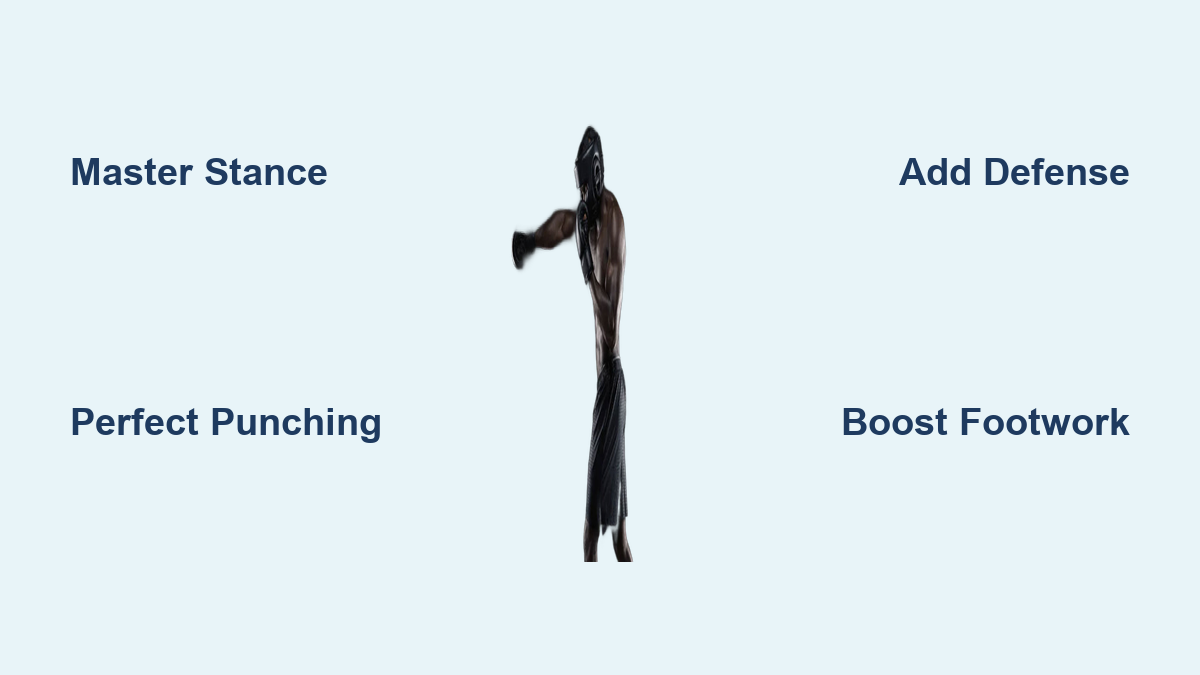
Master the Boxing Stance
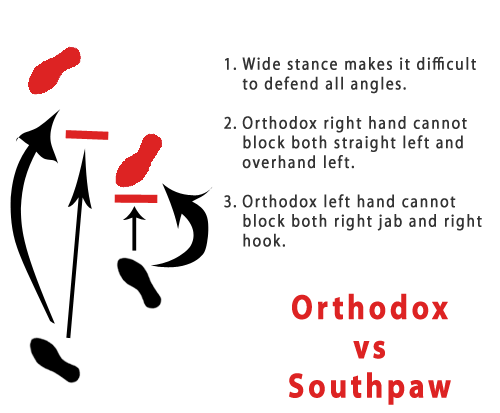
Your foundation determines your power, balance, and endurance. A proper boxing stance is not just about looking the part. It keeps you agile, protected, and ready to strike or evade.
Set Up Correctly
- Feet shoulder-width apart, offset like railroad tracks (not stacked).
- Orthodox stance: left foot forward for right-handed fighters.
- Southpaw stance: right foot forward for left-handed fighters.
- Knees slightly bent, never locked.
- Weight on the balls of your feet, heels lifted slightly.
- Hands up near your temples, elbows tucked to protect ribs.
Why It Matters
This stance allows quick lateral movement, explosive forward bursts, and rapid defensive reactions. Being flat-footed or standing too rigid slows you down and increases injury risk. Stay light on your toes and imagine you are bouncing slowly in place, always ready to move.
Perfect Your Punching Technique
Flailing arms waste energy and reduce effectiveness. Real power comes from rotation, not arm strength. Every punch should engage your entire body.
Generate Power from the Ground
- Jab (1): lead hand straight out. Rotate lead hip and shoulder slightly.
- Cross (2): rear hand power punch. Pivot back foot, rotate hips and core.
- Hook (3/4): short, explosive rotational punch. Keep elbow at 90°, pivot foot.
- Uppercut (5/6): drive up from legs and hips. Elbow in, fist rising from below.
Common Errors and Fixes
| Error | Fix |
|---|---|
| Overreaching | Stop punch when arm is extended but shoulder does not roll past torso. |
| Dropping hands after punch | Return hands to guard position immediately. |
| Leaning instead of rotating | Focus on hip turn, not upper body lunge. |
Use a mirror to check form. Power is not in the arm. It lives in the snap of the hips and core rotation.
Integrate Defensive Moves
Shadow boxing is not just offense. Adding defense turns a simple punch drill into a dynamic, neuromuscular workout that sharpens reflexes and balance.
Slip and Roll Like a Pro
- Slipping: bend knees and shift head off center line.
- Slip left to dodge a jab.
- Slip right to avoid a hook.
- Keep eyes on opponent’s chest.
- Rolling: duck under an imaginary overhand punch by bending knees and rotating.
- Shoulder Roll (Advanced): raise lead shoulder to deflect a punch.
Cover Up After Every Punch
After throwing a jab or cross, rotate your lead shoulder to touch your chin. This covering-up motion protects your face and reinforces proper defensive habit.
Optimize Footwork and Movement
Most people stand still when shadow boxing. That is a missed opportunity. Footwork drives cardio intensity and mimics real fight dynamics.
Stay on the Balls of Your Feet
- Never plant your heels.
- Use small hops or steps to maintain rhythm.
- Move forward, backward, and side to side.
- Never cross your feet when circling.
Cut Angles for Realism
Step diagonally forward (for example, left foot steps left and forward) to cut the ring and control space. This trains agility and directional change, which is critical for both fitness and self-defense.
Structure Effective Workouts

A good shadow boxing routine matches your goals: fat loss, endurance, or skill. Use timed rounds and rest intervals to build stamina and metabolic burn.
Beginner: Technique-Focused Routine
Goal: build form, coordination, and muscle memory.
- Warmup (3–5 mins): arm circles, torso twists, light footwork.
- Rounds: 3 rounds of 2 minutes.
- Rest: 1 minute between rounds.
- Focus: jab-cross combinations, slow footwork, defensive slips.
- Volume: keep it light. Prioritize form over speed.
HIIT Shadow Boxing Blast
Goal: maximize calorie burn and boost anaerobic power.
- Option 1 (Classic HIIT):
- 45 seconds all-out effort.
- 15 seconds rest.
- Repeat 8–10 times.
- Option 2 (NCHPAD Style):
- 1-minute round, 30-second rest.
- Gradually increase intensity over 6–8 rounds.
Add explosive moves like sprawls (kick feet back to plank, then recover), drop-step lunges between combos, and burpees after each round.
30-Minute Full-Body Burn (BoxUnion Style)
Goal: total body fatigue, fat loss, and endurance.
- Warmup: 1 minute jog in place.
- Main Set: 8 rounds of 2-minute shadow boxing.
- Throw jabs, crosses, and hooks.
- Add slips, rolls, and footwork.
- Final Round: 60 seconds each of all-out sprints in place and burpees.
- Cooldown: stretch shoulders, hips, and hamstrings.
Playlist tip: add high-energy tracks like G-Eazy’s “Good Life” to maintain rhythm.
Fat Loss Drill (Men’s Health Style)
Goal: skyrocket heart rate and torch calories.
- Rounds: 6–10 rounds of 2–3 minutes.
- Rest: 30 seconds.
- Focus: speed and power. Mix jabs, crosses, hooks, and uppercuts freely.
- Mindset: push pace like you are fighting for the final round.
Use Specialized Skill Drills
Once you have mastered basics, isolate key skills to accelerate progress.
Footwork Drill
- Duration: 3 minutes.
- Action: circle imaginary opponent.
- Movement: push off back foot; never cross feet.
- Addition: step in with a jab, then step back out.
- Goal: improve range control and balance.
Combination Drill
- Round Focus: one sequence only.
- Example: Jab – Cross – Hook – Roll.
- Repeat the full combo every 5–10 seconds.
- Objective: build fluidity and muscle memory.
Mirror Work for Instant Feedback
- Checkpoints:
- Are hands returning to guard?
- Is shoulder rolling past torso?
- Are feet in correct alignment?
- Fix in real time. No mirror? Record yourself on phone.
Rhythm and Coordination Drill
- Punch numbering: 1 (jab), 2 (cross), 3/4 (hooks), 5/6 (uppercuts).
- Call out punches as you throw them.
- Focus on syncing breath with movement:
- Exhale sharply on each punch.
- Inhale during retraction.
Scale for Progression
Shadow boxing grows with you. To keep improving, progressively increase intensity, complexity, or volume.
Increase Intensity
- Extend rounds from 3 to 4 minutes.
- Reduce rest from 60 to 45 seconds.
- Increase punch speed within the same time.
Add Mental Complexity
- Visualize an opponent who counters your punches.
- React with slips, rolls, or parries.
- Simulate cornering or being backed up.
Advanced Movement Patterns
- Cutting angles: step forward and sideways to control space.
- Directional changes: circle left, then explode right.
- Advanced defense: practice shoulder rolls and double slips.
Avoid Common Mistakes
Even experienced practitioners fall into traps. Fix these early to prevent injury and maximize gains.
Overreaching
Problem: leaning too far forward, losing balance, exposing chin.
Fix: use a mirror. Stop punch when arm is straight but shoulder stays behind torso.
Flat-Footed Movement
Problem: standing on heels reduces agility and power.
Fix: stay on balls of feet. Take small steps after every punch.
Dropping Hands
Problem: fatigue causes hands to drop, leaving face unprotected.
Fix: slow down. Maintain guard even when tired. It is better to punch slower than to punch exposed.
Standing Still
Problem: only using arms, missing lower body engagement.
Fix: add footwork. Step in, step out, circle, and pivot.
No Plan Per Round
Problem: flailing instead of training with purpose.
Fix: assign a focus per round, such as jab and footwork in round 1, hook combinations in round 2, and defense and slips in round 3.
Build a Weekly Routine
Consistency beats intensity. Schedule shadow boxing like any other workout.
Beginner Plan (3x/Week)
- Days: Monday, Wednesday, Friday.
- Workout: 2–3 rounds of 2 minutes.
- Focus: form and light movement.
- Rest: 1 minute between rounds.
- Goal: build confidence and coordination.
Intermediate Plan (4–5x/Week)
- Days: Tuesday, Thursday (cardio), Saturday (strength + shadow box).
- Workouts:
- 2 days: HIIT shadow boxing (6–8 rounds, 1 min work / 30 sec rest).
- 1 day: technique + mirror work.
- 1 day: 30-minute endurance session.
- Integration: use as warmup before strength training.
Advanced Protocol
- Frequency: 5–6 days/week.
- Structure:
- 3 days: high-intensity rounds (4 minutes, minimal rest).
- 2 days: skill drills (footwork, combinations).
- 1 day: sparring visualization (reactive defense, counters).
- Goal: simulate fight conditions and boost work capacity.
Customize Your Environment
Shadow boxing needs minimal setup, but smart preparation enhances results.
Space Requirements
- Enough room to turn 360°.
- Clear of furniture, cords, or breakables.
- Ceiling height: arms should extend fully without hitting anything.
Attire and Gear
- Clothing: lightweight, breathable athletic wear.
- Footwear: cross-trainers or boxing shoes with good lateral support.
- Barefoot option: only on soft, safe surfaces like a mat.
Mindset and Motivation
- Visualize an opponent and make it real.
- Use music to set pace (120–140 BPM ideal).
- Stay present and focus on breath, rhythm, and form.
Understand the Science Behind the Sweat
Shadow boxing is not just punching air. It is a multi-system training stimulus with proven physiological benefits.
Calorie Burn and Fat Loss
- 400+ calories/hour due to full-body, high-rep, interval nature.
- Afterburn effect (EPOC): metabolism stays elevated post-workout.
- Efficiency: no equipment means faster transitions and sustained pace.
Cardiovascular Benefits
- Trains both aerobic (endurance) and anaerobic (explosive) systems.
- Heart learns to recover quickly between bursts, which is key for athletic performance.
- Superior to running for upper body engagement and coordination.
Neuromuscular and Functional Gains
- Coordination: hands and feet moving independently.
- Balance: constant weight shifts and directional changes.
- Reaction training: slipping and rolling improve spatial awareness.
- Mind-muscle connection: high neurological demand keeps brain engaged.
Compare to Other Cardio Forms
| Workout | Shadow Boxing Advantage |
|---|---|
| Running | Engages upper body, core, and reflexes. Lower joint impact. Interval-based. |
| Cycling | Builds coordination, balance, and defensive agility. Full-body burn. |
| Traditional HIIT | More user-controlled rhythm. No equipment needed. Higher skill transfer. |
| Heavy Bag Work | Allows faster punch return (no resistance). Better for pure cardio. |
Shadow boxing wins on versatility, accessibility, and functional carryover.
Maximize Long-Term Success
The best workout is the one you stick to. Shadow boxing is sustainable because it is adaptable, portable, and mentally engaging.
Key to Longevity
- Consistency over intensity: 3 solid sessions/week beat 1 brutal, unsustainable one.
- Listen to your body: if form breaks, slow down.
- Track progress: note rounds completed, rest times, or coordination improvements.
Injury Prevention Tips
- Warm up properly.
- Avoid overtraining (max 5–6 days/week with rest).
- Focus on knees bent, core tight, and no over-extension.
Real-World Results
Users report arms and legs trembling after 3 rounds, lungs gasping as proof of cardio intensity, improved posture and confidence, and noticeable fat loss with consistent practice.
Frequently Asked Questions About Shadow Boxing Cardio Workouts
How many calories does a shadow boxing cardio workout burn?
A shadow boxing cardio workout can burn upward of 400 calories per hour. The exact number depends on your intensity, weight, and round structure. High-intensity intervals with constant movement produce the highest caloric expenditure.
Is shadow boxing good for beginners?
Yes, shadow boxing is excellent for beginners. Start with 2–3 rounds of 2 minutes, focus on form over speed, and use simple combinations like jab-cross. The no-equipment setup makes it accessible for anyone, anywhere.
How often should I do a shadow boxing cardio workout?
Beginners should aim for 3 sessions per week on non-consecutive days. Intermediate and advanced users can train 4–6 days per week, integrating shadow boxing as a warmup, standalone cardio, or skill session.
Can shadow boxing build muscle?
Shadow boxing primarily builds muscle endurance, tone, and coordination rather than bulk. It engages the shoulders, core, hips, and legs through high-repetition movement, creating a lean, functional physique.
Do I need any equipment for shadow boxing cardio?
No equipment is required. You only need enough open space to move freely, comfortable athletic clothing, supportive footwear, and a good playlist to maintain rhythm and intensity.
How long should a shadow boxing workout last?
Workouts range from 10 to 30 minutes depending on your goals. Beginners may start with 6–10 minutes total, while advanced users can complete 8 rounds of 2-minute shadow boxing plus a final conditioning round.
Final Thoughts on Building Your Shadow Boxing Cardio Workout
Shadow boxing is more than a warmup. It is a complete cardio workout that builds endurance, burns fat, and sharpens the mind. Whether you have 10 minutes or 30, at home or in a hotel room, you can turn any space into a high-intensity training zone. Start with form, build with structure, and progress with purpose. The only thing you need to bring is the will to move. Now throw that first jab.