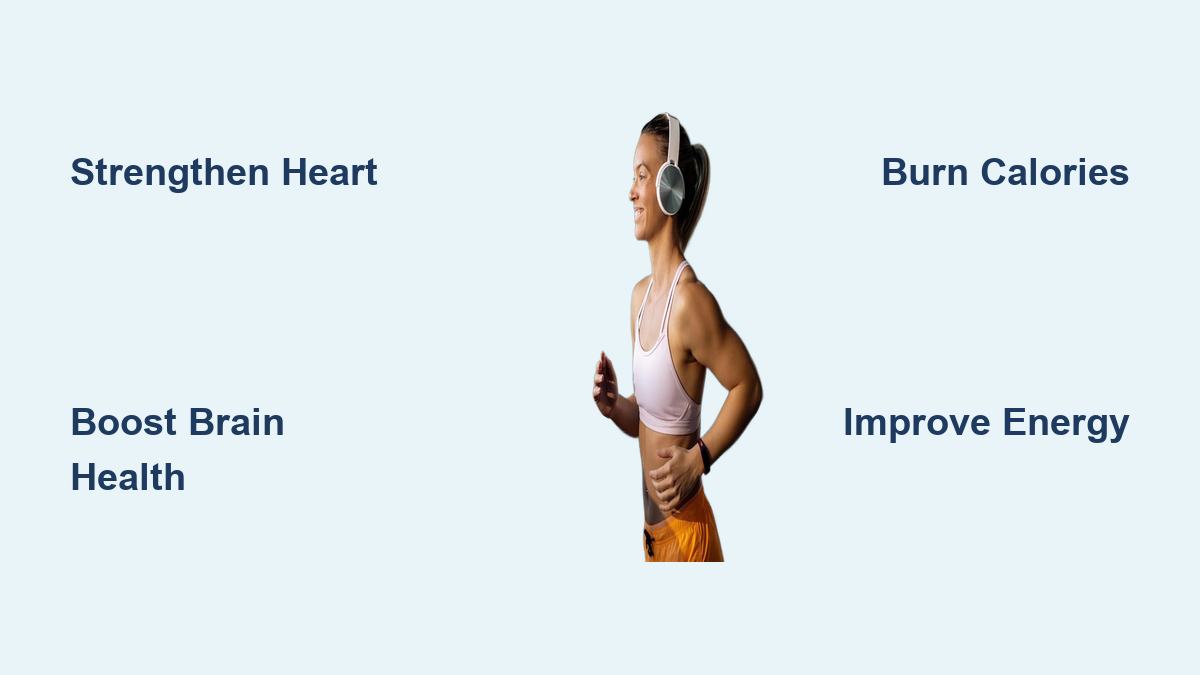
How Important Is Cardio for Health
You’ve heard it a thousand times: “Get your cardio in.” But how important is cardio, really? If you’re wondering whether those brisk walks, spin classes, or dance sessions are worth the effort, or if you can skip them in favor of weights or yoga, the answer is clear: cardiovascular exercise is essential for long-term health, energy, and disease prevention.
Cardio isn’t just about weight loss or endurance. It reshapes your heart, sharpens your mind, stabilizes blood sugar, and even improves your skin and sex life. From lowering blood pressure to protecting against dementia, the benefits are backed by decades of medical research. The good news? You don’t need a gym membership or marathon training to reap the rewards. Even mopping the floor or gardening counts if it gets your heart pumping.
In this guide, you’ll discover exactly how cardio transforms your body and mind, how much you really need each week (and how little can still help), and how to do it safely without burning out. Whether you’re starting from zero or optimizing your routine, here’s everything you need to know about how important cardio truly is.
Strengthen Your Heart & Circulation
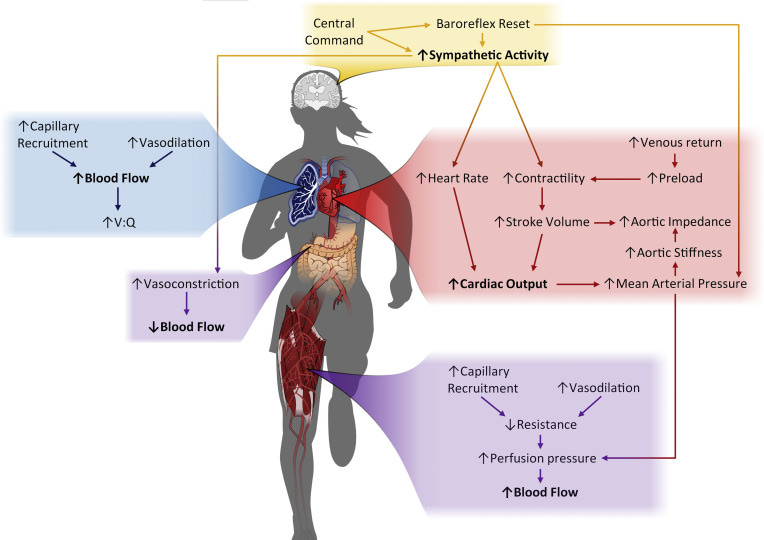
Cardio’s most direct impact is on your cardiovascular system. By consistently elevating your heart rate, you train your heart to work more efficiently, pumping more blood with each beat and reducing strain over time.
Lower Blood Pressure & Resting Heart Rate
Regular cardio helps relax blood vessels and improve their elasticity, leading to lower resting blood pressure. This reduces wear and tear on your arteries, lowering the risk of stroke and heart attack. At the same time, your resting heart rate drops, meaning your heart doesn’t have to labor when you’re sitting or sleeping. Elite athletes often have resting heart rates in the 40s, a sign of a strong, efficient heart.
Improve Cholesterol & Blood Flow
Cardio boosts HDL (“good” cholesterol) while lowering blood fats and reducing LDL (“bad” cholesterol). This balance helps prevent plaque buildup in arteries. Enhanced circulation also ensures oxygen-rich blood reaches every organ, from your brain to your muscles, improving overall function and recovery.
Boost Lung Capacity & Breathing Efficiency
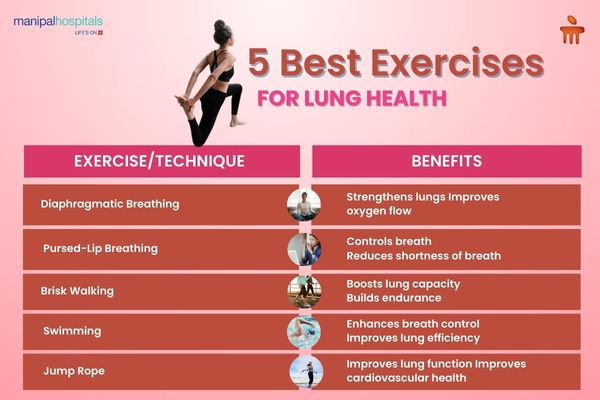
Cardio doesn’t just help your heart. It trains your lungs to work smarter.
Reduce Breathlessness Over Time
As your aerobic fitness improves, your lungs become more efficient at extracting oxygen from the air. You’ll notice you’re less winded climbing stairs or walking uphill. For people with asthma, moderate cardio can reduce symptoms and increase daily stamina, though intensity should be medically guided.
Strengthen Respiratory Muscles
The tissues surrounding your lungs and diaphragm get stronger with consistent cardio. This means each breath requires less effort, freeing up energy for daily tasks and reducing fatigue.
Protect Your Brain & Sharpen Mental Clarity
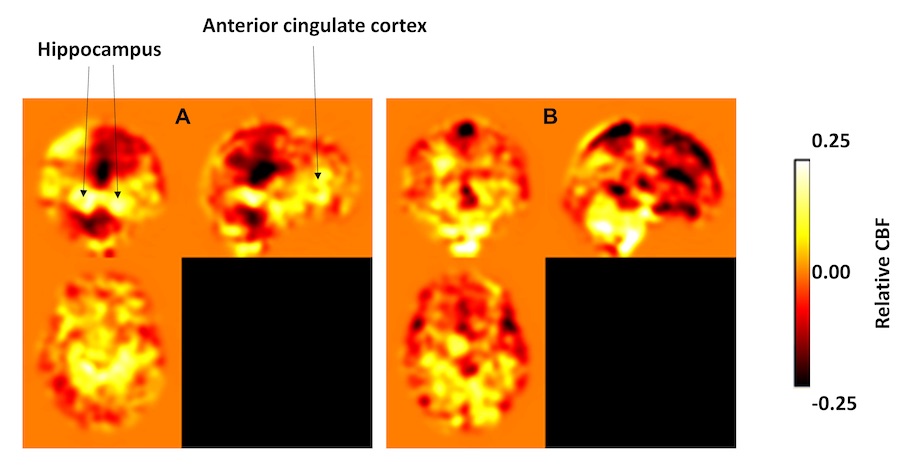
One of the most underrated benefits of cardio is its effect on the brain. It’s not just about mood. It’s about long-term cognitive protection.
Reduce Risk of Dementia & Stroke
Studies show that regular aerobic activity lowers dementia risk regardless of age. Increased blood flow delivers more oxygen and nutrients to the brain while clearing out toxins. Cardio also reduces stroke risk by improving vascular health and preventing blood clots.
Enhance Focus & Mental Energy
Cardio triggers the release of serotonin, dopamine, and norepinephrine, neurochemicals that sharpen focus, lift mood, and combat brain fog. Many people report feeling mentally clearer after a workout, even if they start tired. Over time, this translates to better productivity and emotional resilience.
Manage Weight & Boost Metabolism

While diet plays a bigger role in weight loss, cardio is a powerful tool for creating the calorie deficit needed to shed pounds.
Burn Calories Efficiently
A 30-minute brisk walk at 3.5 mph burns about 140 calories. Over a week, this totals roughly 980 calories, and nearly 4,000 calories monthly. Increase intensity (like jogging or cycling), and that number rises significantly.
| Activity (30 mins) | Calories Burned (Avg) |
|---|---|
| Brisk walking | 140 |
| Cycling (moderate) | 210 |
| Running (5 mph) | 300 |
| Jump rope | 350 |
Support Sustainable Fat Loss
Cardio helps preserve muscle when cutting calories, especially when combined with resistance training. It also improves insulin sensitivity, helping your body use glucose for energy instead of storing it as fat.
Increase Daily Energy & Reduce Fatigue
It seems counterintuitive: how can using energy give you more energy? But the science is clear. Cardio fights fatigue.
Break the Sedentary Cycle
Sitting all day slows circulation and drains energy. Just 10 minutes of walking can reboot your system, delivering oxygen to tired muscles and brain cells. Over time, your body adapts, making you more resilient to daily stress.
Fight Mental & Physical Exhaustion
Regular cardio reduces feelings of lethargy and boosts stamina. People who exercise consistently report higher energy levels throughout the day, even if they don’t sleep more. This is especially helpful for those with chronic fatigue or depression.
Prevent Chronic Diseases & Improve Immunity
Cardio is one of the most effective preventive medicines available, and it doesn’t require a prescription.
Lower Type 2 Diabetes Risk
Aerobic activity helps muscles absorb glucose from the bloodstream, improving the pancreas’s ability to convert food to energy. Just 150 minutes of weekly moderate cardio can cut diabetes risk significantly in high-risk individuals.
Strengthen Immune Function
Moderate cardio enhances immune surveillance, your body’s ability to detect and fight pathogens. However, excessive high-intensity training without rest can weaken immunity. The sweet spot? 30 to 60 minutes of moderate activity most days.
Support Gut Health
Emerging research shows cardio positively affects the gut microbiome, increasing beneficial bacteria linked to reduced inflammation and better digestion. Just don’t sprint right after a big meal. Wait 1 to 2 hours to avoid cramping.
Enhance Mood & Reduce Stress
If you’ve ever felt calmer after a run, you’ve experienced cardio’s mental health benefits.
Combat Anxiety & Depression
Cardio releases tension-fighting hormones and neurotransmitters, specifically serotonin, dopamine, and norepinephrine. It also reduces stress levels. Even a 10-minute walk can ease tension.
Improve Sleep & Emotional Resilience
Regular aerobic exercise helps you fall asleep faster and improves sleep quality. Better sleep, in turn, stabilizes mood and reduces irritability. Over time, this builds emotional resilience, helping you handle life’s ups and downs with less reactivity.
Protect Joints, Bones & Prevent Falls
Contrary to myth, cardio doesn’t wear out your joints. It protects them.
Fight Osteoporosis & Arthritis
Weight-bearing cardio like walking, dancing, or stair climbing strengthens bones and reduces the probability of hip fractures. For people with arthritis, low-impact options like swimming or cycling manage discomfort and maintain range of motion without strain.
Prevent Falls in Older Adults
Balance and strength matter, but endurance is just as critical. Cardio builds the stamina needed to maintain balance over time, whether walking on uneven ground or recovering from a stumble. This reduces fall risk and serious injury in seniors.
Improve Sexual Health & Skin Appearance
Some benefits of cardio show up where you can see and feel them.
Increase Libido & Sexual Function
Better circulation means better sexual health. Men who do regular cardio have lower rates of erectile dysfunction. Women report enhanced arousal. These benefits come from both physical changes (blood flow) and psychological ones (confidence, stress relief).
Glow With Healthier Skin
Increased blood flow delivers oxygen and nutrients to skin cells, promoting a clearer complexion and reducing signs of aging. Lower stress levels also help keep chronic skin conditions like eczema at bay.
How Much Cardio Do You Really Need?

You don’t need hours in the gym. The official guidelines are simple and flexible.
Adult Recommendations (18+)
According to the U.S. Department of Health and Human Services and the American Heart Association:
– Moderate-intensity: 150 to 300 minutes per week (e.g., brisk walking)
– Vigorous-intensity: 75 to 150 minutes per week (e.g., running)
– Or a mix: 1 minute vigorous = 2 minutes moderate
This breaks down to just 30 minutes, 5 days a week, and you can split it into 10-minute chunks if needed.
For Kids (6–17)
- 1 hour daily of moderate-to-vigorous activity
- At least 3 hours per week of vigorous activity
Safe Daily Limits
- Up to 60 minutes daily is safe for most adults
- Avoid more than 4 to 5 hours of vigorous cardio per week to prevent overtraining
- Never exceed 40 to 60 minutes of high-intensity per session without recovery
Avoid Overtraining & Injury Risks
More isn’t always better. Pushing too hard can backfire.
Signs You’re Doing Too Much
- Persistent fatigue or unexplained soreness
- Joint pain or frequent injuries
- Insomnia, irritability, or mood swings
- Drop in performance despite effort
If you notice these, take a break. Rest is part of the process.
Prevent Burnout With Smart Recovery
- Take at least 1 rest day per week
- Do active recovery: light walk, gentle cycling, or gardening
- Hydrate well and eat enough to fuel your activity
- Avoid intense workouts close to bedtime
Make Cardio Work for Your Life
You don’t need special gear or a gym. Cardio fits any lifestyle.
No-Equipment Options
- Brisk walking around your neighborhood
- Dancing to music at home
- Climbing stairs instead of taking elevators
- Gardening, mopping, or vacuuming vigorously
All count, if your heart rate rises and you start to sweat.
Use What You Have
- Treadmill, elliptical, or bike at home or gym
- Jump rope for high-intensity bursts
- Swimming or water aerobics for joint-friendly workouts
Even pickleball, badminton, or paddleboarding counts as cardio if it gets your breath elevated.
Track Progress Without a Watch
You don’t need a fitness tracker, though 21% of Americans use them. Simpler methods work just as well.
The Talk Test
- Moderate intensity: You can talk but not sing
- Vigorous intensity: You can’t say more than a few words without pausing
This is a reliable, real-time gauge of effort.
Sweat & Breathing Cues
If you’re breathing harder than normal and starting to sweat, you’re in the cardio zone. That’s all you need to know.
Who Should Be Cautious?
Cardio is safe for most, but some should take extra care.
Consult a Doctor First If You Have:
- Heart disease or high blood pressure
- Diabetes or respiratory conditions
- Joint problems or recent injury
- Chronic fatigue or mental health concerns
Start slow with 3 sessions of 10-minute walks per day and build gradually.
Best Options by Goal
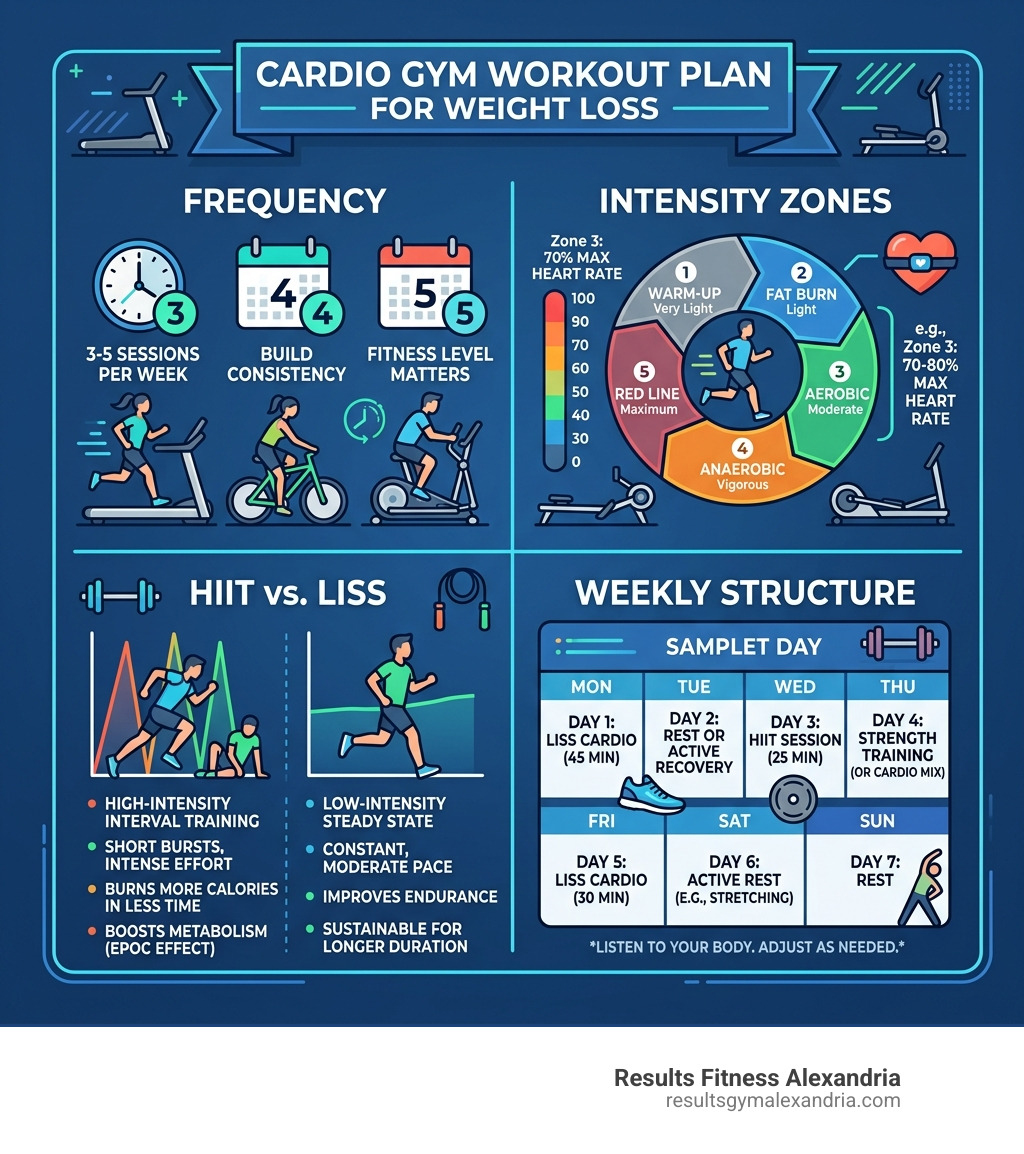
| Goal | Best Cardio Choices |
|---|---|
| Weight loss | Mix of moderate + vigorous, incline walking, intervals |
| Heart health | Brisk walking, cycling, swimming |
| Joint pain | Swimming, elliptical, seated cycling |
| Stress relief | Dancing, nature walks, low-impact aerobics |
| Time-crunched | 20-min HIIT, 3×10-min walks |
Cardio vs. Strength Training: Do You Need Both?
Yes. They do different but equally important jobs.
Cardio Builds Endurance & Heart Health
Cardio improves endurance, heart and lung efficiency, and metabolic health.
Strength Training Builds Muscle & Bone Density
Strength training builds muscle mass and raw strength. For long-term health, combine both:
– 2 days per week of resistance training
– 150+ minutes of cardio
– Plus balance and flexibility work
This combo prevents falls, supports metabolism, and keeps you mobile as you age.
Frequently Asked Questions About Cardio
Is 30 minutes of cardio a day enough?
Yes. The American Heart Association recommends 150 to 300 minutes of moderate-intensity cardio per week, which breaks down to about 30 minutes a day, 5 days a week. You can also split it into shorter 10-minute sessions throughout the day.
Can I lose weight with cardio alone?
Cardio helps create the calorie deficit needed for weight loss, but sustainable results come from combining cardio with resistance training (2 days per week), balanced nutrition, adequate sleep, and stress management.
What counts as cardio if I don’t have a gym membership?
Any activity that elevates your heart rate and makes you sweat counts. This includes brisk walking, dancing, stair climbing, gardening, vacuuming, mopping, cycling outdoors, swimming, or playing pickleball.
How do I know if I’m working out hard enough?
Use the talk test. At moderate intensity, you can talk but not sing. At vigorous intensity, you can’t say more than a few words without pausing. Sweating and breathing harder than normal are also good signs you’re in the cardio zone.
Is too much cardio bad for you?
Yes. Exceeding 4 to 5 hours of vigorous cardio per week may increase cardiovascular risks. Signs of overtraining include persistent fatigue, joint pain, insomnia, irritability, and decreased performance. Rest days are essential.
Should I do cardio or strength training first?
It depends on your goals. If endurance and heart health are your priority, do cardio first. If building muscle is your goal, do strength training first. For overall health, combine both throughout the week.
Final Thoughts on Why Cardio Matters
So, how important is cardio? It’s non-negotiable for long-term health. It’s not just about looking better. It’s about living longer, thinking clearer, feeling stronger, and staying independent. Cardiovascular fitness is directly associated with increased longevity and a heart-healthy lifestyle that prevents disease and maintains mobility into older age.
You don’t need to run marathons. Start with what you can do: a 10-minute walk, a dance break, or cleaning the house with energy. Every minute counts. Over time, those minutes add up to lower disease risk, sharper mind, and more vibrant life.
The best cardio is the one you’ll actually do, so find something you enjoy, stay consistent, and let your heart do the rest.