How to Start Cardio After Pneumonia
Pneumonia doesn’t just steal your breath during illness. It can leave your lungs and stamina weakened long after the fever breaks. Returning to cardio too soon risks setbacks, prolonged fatigue, or complications like chest pain and shortness of breath. Yet avoiding activity entirely leads to muscle loss, poor circulation, and slower healing. The key lies in a structured, gradual return to cardiovascular exercise, guided by your body’s signals and medical advice.
If you’re asking when to start cardio after pneumonia, how long recovery takes, or what exercises are safe, this guide delivers clear, evidence-based answers. You’ll learn the phases of post-pneumonia cardio recovery, breathing techniques to support endurance, warning signs to stop, and how nutrition and rest accelerate healing. Whether you’re a runner eager to hit the pavement or someone aiming to walk without gasping, this plan ensures you rebuild strength safely without relapse.
Recovery Timeline After Pneumonia
:max_bytes(150000):strip_icc()/pneumonia-recovery-5179462-Final-6ae571f0015d44edad06846ba415f67b.jpg)
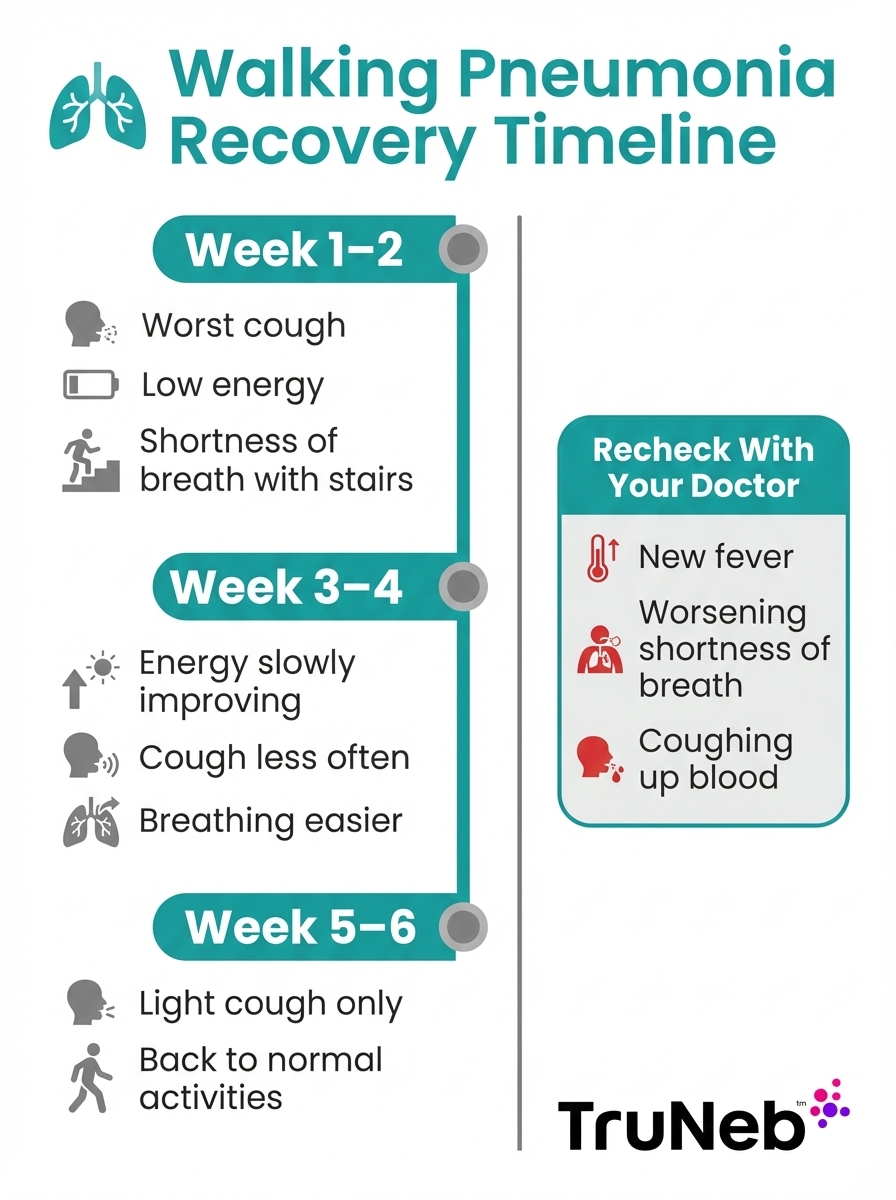
How long before cardio is safe? The answer depends on severity, age, and overall health. Most people feel better within 2–4 weeks, but full lung and energy recovery can take up to 6 months. Rushing back too soon prolongs healing.
Mild Cases: 2–6 Weeks to Resume Activity
Healthy individuals with mild pneumonia often see fever resolve in a week. By days 10–14, short walks become possible. Most return to light cardio like walking or cycling by week 3–4. Full endurance may take 4–6 weeks, especially for runners.
Severe Cases: 1–6 Months for Full Recovery
Hospitalized patients or those with underlying conditions face longer timelines. Muscle atrophy, lung inflammation, and fatigue require 1 to 6 months of careful rehab. Some experience permanent reductions in lung capacity, making gradual progression essential.
When to Expect Symptom Resolution
- 1 week: Fever gone
- 2 weeks: Can do light daily tasks
- 4 weeks: Less coughing, easier breathing
- 6 weeks: Most symptoms resolved; breathing improves
- 3 months: Energy returns for most
- 6 months: Full physiological recovery expected
Persistent symptoms beyond 6 weeks warrant medical review. Possible causes include unresolved infection, bronchitis, or other lung conditions.
Medical Clearance Before Starting Cardio
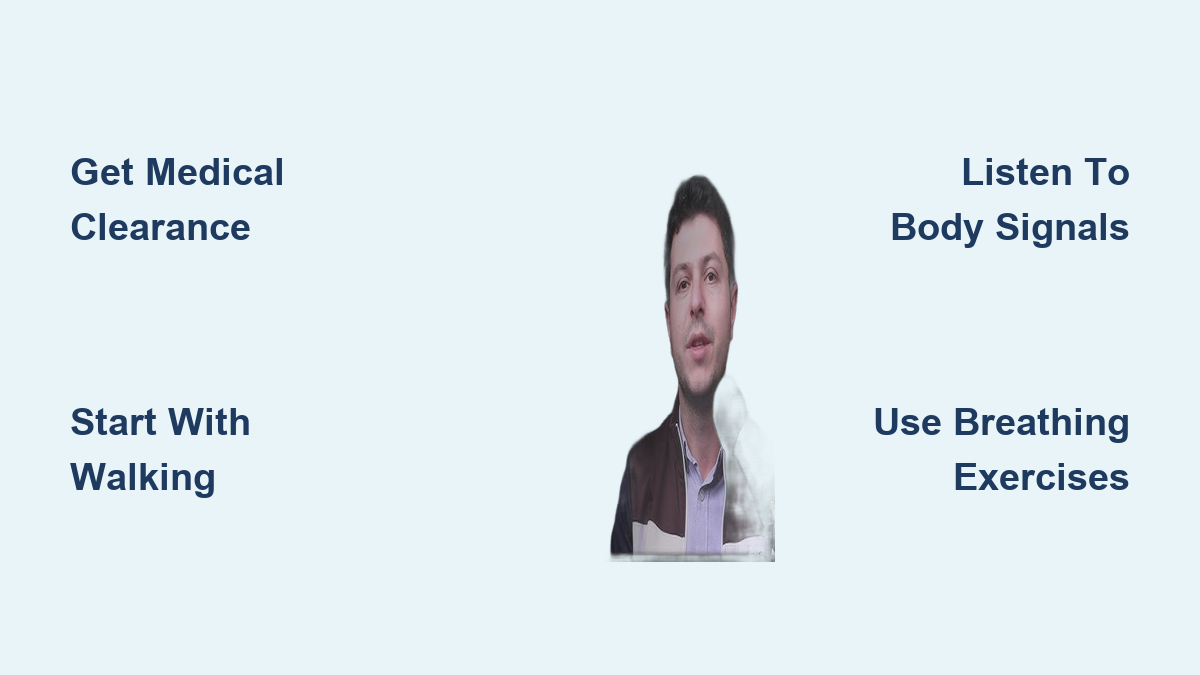
Never restart cardio without confirming you’re ready. Pneumonia stresses the heart and lungs, and exercising too early risks relapse, arrhythmias, or respiratory distress.
Get Doctor Approval First
This is non-negotiable, especially if:
– You were hospitalized
– You have asthma, COPD, or heart disease
– Symptoms lingered beyond 4 weeks
Your doctor may order a chest X-ray or pulmonary function test to confirm lung healing before clearing you for exercise.
Must-Have Readiness Signs
Before starting any cardio, ensure:
– No fever for 24–48 hours
– Breathing is stable at rest
– Daily activities like showering and cooking don’t cause exhaustion
– No chest pain or dizziness
Pass the “Walk Test”
A practical benchmark: Can you walk one mile at a slow pace without shortness of breath? If yes, you’re likely ready for light activity. If not, wait and rebuild with breathing exercises and short indoor walks.
Safe Cardio Progression Phases
Your return to cardio should follow four distinct phases, each lasting 1–4 weeks depending on recovery speed. Pushing too hard too fast leads to setbacks. Many report needing 3+ months to regain pre-illness fitness after rushing too soon.
Phase 1: Gentle Movement (Days 1–14)
Focus: Prevent stiffness, improve circulation, begin lung re-expansion.
Start only after fever is gone and energy begins returning.
Activities to Try
- Sitting upright and practicing deep breathing
- Arm circles and shoulder rolls (2–3 minutes, 2x/day)
- Slow walking around the house (2–5 minutes at a time)
Duration and Frequency
- Break activity into 2–5 minute intervals
- Repeat 3–5 times daily as tolerated
- Stop if breathlessness or fatigue occurs
Goal: Maintain mobility without exhaustion. This phase sets the foundation for safe recovery.
Phase 2: Early Cardio (Weeks 2–4)
Focus: Build baseline endurance and test breathing response.
Ideal for mild cases beginning to feel stronger.
Primary Activity: Walking
Start with 10–15 minute walks, 3–4 times per week. Use flat terrain, indoors or out.
- Walk at a pace where you can speak in full sentences
- If you feel winded, slow down or stop and rest
- Increase duration by 2–5 minutes weekly if well-tolerated
Light Alternatives
- Gentle stretching while standing
- Slow stair climbing (1–2 flights with rest)
- Light housework like dusting or folding laundry
User Insight: Many with mild pneumonia begin 20-minute walks by day 10–14. If walking feels easy by week 3, light jogging may follow, but only if completely symptom-free.
Phase 3: Rebuilding Endurance (Weeks 4–8)
Focus: Increase duration and introduce low-impact cardio.
Lungs are healing but still fragile. Prioritize time over intensity.
Activities to Add
- Extended walking: Aim for 30 minutes daily
- Light jogging: Try 1–2 minute intervals every few minutes using a walk-run method
- Stationary cycling: Low resistance, 15–20 minutes
- Swimming (if breathing is stable): Gentle laps, avoid chlorinated pools if sensitive
Progression Rules
- Increase duration by 10% per week
- Wait until you can walk 30+ minutes easily before adding jogging
- Monitor breathing: if you can’t talk while moving, slow down
Typical Timeline: Most return to a regular walking or running routine by week 6–8 after mild pneumonia. Severe cases may still be in Phase 2.
Phase 4: Return to High Intensity (Month 3+)
Focus: Restore pre-illness fitness safely.
Even if you feel back to normal, your lungs and muscles may still be recovering. Endurance can take 3+ months to rebuild.
Activities to Resume
- Running at normal pace
- HIIT and interval training
- Team sports and cycling hills
Key Strategy: Slow Buildup
- Increase volume before intensity
- Run shorter distances first, then increase speed
- Limit high-intensity sessions to 1–2x/week initially
Warning: Runners who attempted a 5K within 3 weeks of diagnosis took up to 3 months longer to recover due to setbacks. Patience prevents relapse.
Breathing Exercises to Support Cardio
Strong lungs are the foundation of safe cardio. These techniques improve oxygen exchange, clear mucus, and reduce breathlessness during activity.
Diaphragmatic Breathing (Belly Breathing)
Why it helps: Strengthens the diaphragm, reduces breathing effort, and increases oxygen intake.
How to Do It
- Lie on your back or sit upright with shoulders relaxed
- Place one hand on your chest and one on your belly
- Inhale slowly through your nose so your belly rises while your chest stays still
- Exhale through your mouth as your belly falls
- Repeat for 5–10 minutes, 2–3x/day
Pro Tip: Practice while walking to build cardio endurance and breath control together.
Pursed-Lip Breathing
Why it helps: Prevents air trapping, slows breathing, and improves airflow.
When to Use It
- During stairs, walking, or any activity causing breathlessness
Technique
- Relax your shoulders
- Inhale through your nose for 2 seconds
- Purse your lips as if blowing out a candle
- Exhale slowly for 4 seconds (twice as long as the inhale)
Result: Calmer, deeper breaths and less shortness of breath.
Deep Breathing and Huff Coughing
Deep Breathing: Expands lungs and prevents collapse.
– Inhale deeply through your nose, hold 2–3 seconds, exhale slowly
– Do 5–10 reps several times daily
Huff Coughing (for mucus clearance):
1. Take a medium breath in
2. Exhale forcefully saying “Huff,” like fogging a mirror
3. Repeat 2–3 times, then take a deep breath to re-expand your lungs
Avoid forceful coughing. It strains healing lungs.
Warning Signs to Stop Exercise
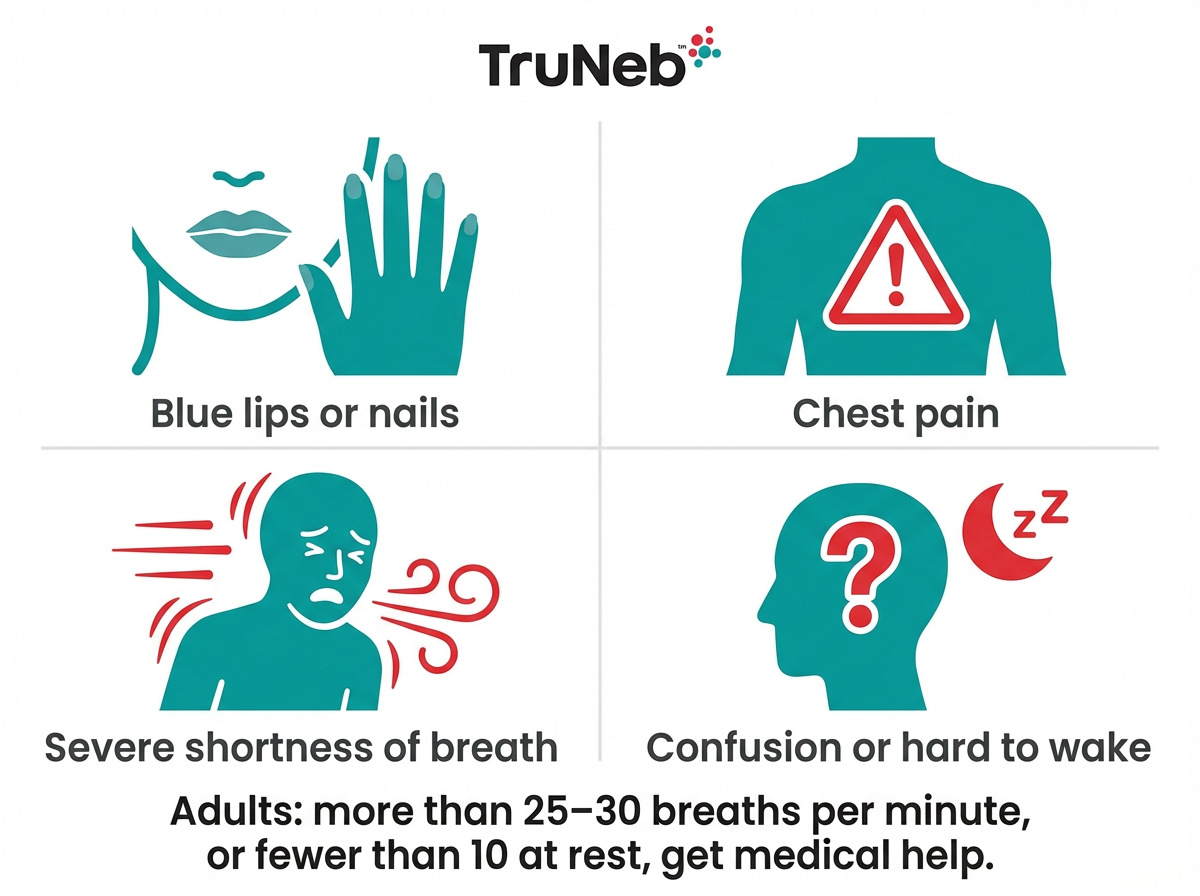
Your body will signal when you’ve gone too far. Ignoring these signs risks relapse, chest pain, or hospitalization.
Stop Immediately If You Experience:
- Severe shortness of breath (can’t speak in sentences)
- Chest pain or tightness
- Dizziness or lightheadedness
- Worsening cough or mucus production
- Bluish lips (cyanosis)
- Extreme fatigue lasting hours after exercise
Action: Rest and monitor symptoms. If they don’t resolve in 30 minutes, contact your doctor.
Track Progress and Prevent Setbacks
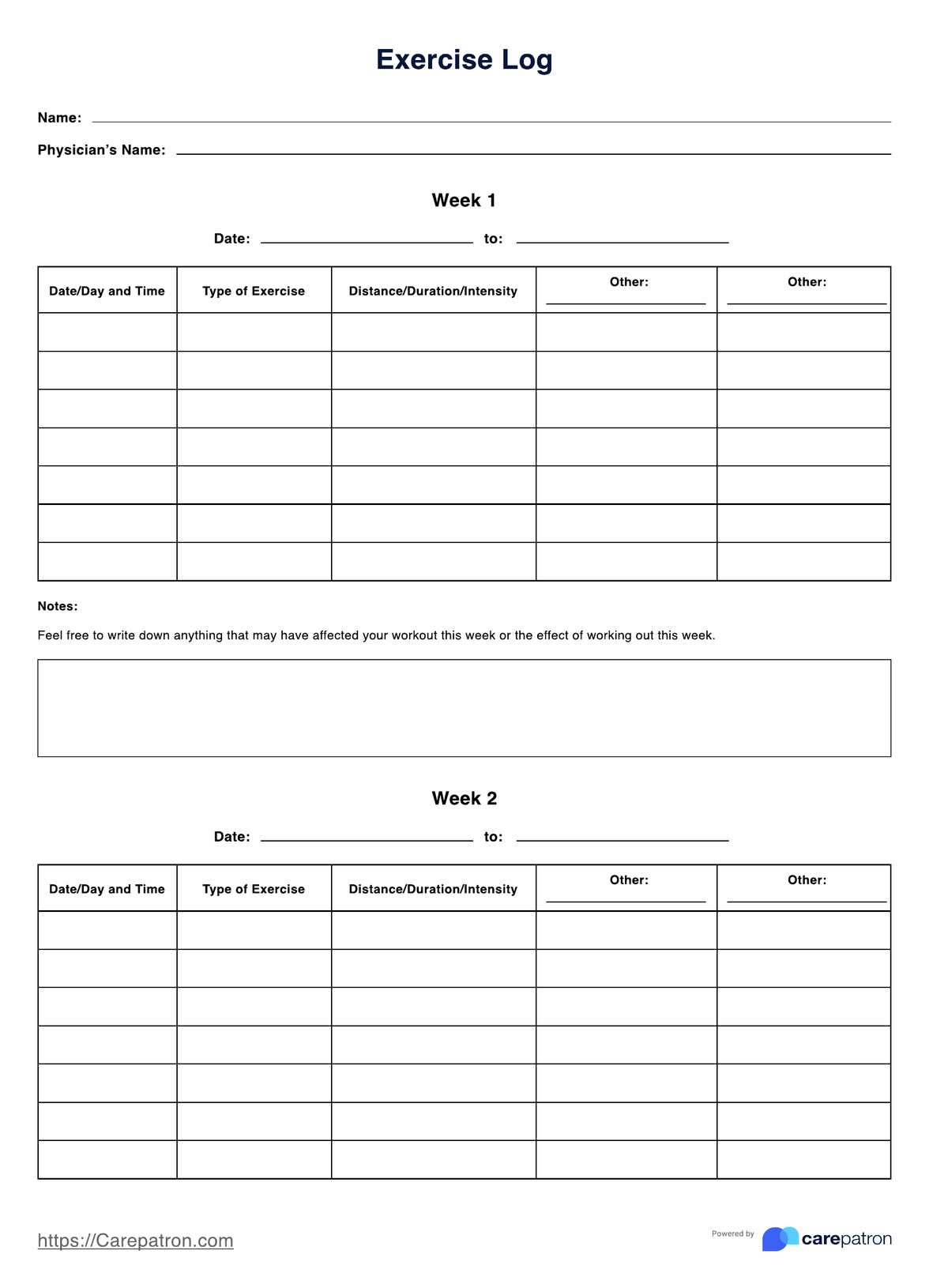
Recovery isn’t linear. Some days will feel better than others. Tracking helps you stay on course without overdoing it.
Keep an Exercise Log
Record each session:
– Activity (walking, cycling, etc.)
– Duration and intensity
– Symptoms during and after
Example: Day 21: 15-min walk, flat path. Mild breathlessness (resolved in 5 min). No fatigue after. Good day.
This helps spot patterns and adjust safely.
Monitor for Relapse
Watch for:
– Return of fever
– Increased mucus (especially yellow or green)
– New or worsening wheezing
– Confusion or extreme fatigue
Contact your doctor if any occur.
Optimize Recovery With Nutrition and Rest
Cardio recovery depends on more than exercise. Fuel and rest determine how fast your lungs and muscles heal.
Eat to Heal: Key Nutrients
Hydration
- Goal: 8+ glasses of water daily
- Keeps mucus thin and eases coughing
- Warm water with honey and lemon soothes the throat
Protein
- Rebuilds muscle lost during illness
- Sources: Eggs, chicken, fish, beans, and tofu
Antioxidants and Vitamins
- Vitamin C: Citrus, peppers, and berries boost immunity
- Vitamin D: Sunlight and fatty fish reduce inflammation
- Zinc: Nuts, seeds, and legumes support healing
- Omega-3s: Salmon and flaxseed lower lung inflammation
Avoid: Alcohol and caffeine, as they dehydrate and weaken immunity.
Rest and Sleep Strategies
- Sleep 7–9 hours nightly
- Elevate your head with pillows to ease nighttime coughing
- Take breaks before exhaustion and pace activities
- Keep your bedroom cool, dark, and quiet
Pacing Tip: Break tasks into 20-minute blocks with 10-minute rests to prevent energy crashes.
Mental Health Matters
Recovery can be emotionally taxing. Frustration, anxiety, and depression are common.
Coping Strategies
- Practice mindfulness or meditation
- Set small, achievable goals like walking 10 minutes
- Stay connected with friends or support groups
- Seek therapy if your mood worsens
Remember: Healing takes time. Progress, not perfection, is the goal.
Special Considerations
Certain groups need extra caution when returning to cardio after pneumonia.
Chronic Lung Conditions (Asthma, COPD)
- Higher risk of flare-ups
- Continue inhalers as prescribed
- Monitor peak flow if you have a meter
- Avoid cold air, smoke, and pollutants
- Consider pulmonary rehab for supervised support
Exercise Tip: Warm up indoors before going outside in cold weather.
Smokers: Quit Now
Smoking during recovery:
– Slows lung healing
– Increases mucus production
– Raises risk of reinfection
Quitting improves recovery speed and long-term lung health. Ask your doctor for cessation support.
Vaccinations to Prevent Recurrence
Protect your healing lungs:
– Flu vaccine (yearly)
– Pneumococcal vaccine
– COVID-19 boosters
– Pertussis (whooping cough) vaccine
These reduce the risk of future respiratory infections.
Frequently Asked Questions About Cardio After Pneumonia
When Can I Safely Start Cardio After Pneumonia?
You can begin light cardio after being fever-free for 24–48 hours, breathing is stable at rest, and your doctor has cleared you. Most mild cases start walking within 2–3 weeks, while severe cases may need 1–6 months.
How Long Does It Take to Fully Recover from Pneumonia?
Feeling better typically takes 2–4 weeks, but full physiological recovery can take up to 6 months. Severe or hospitalized cases often require 1–6 months to rebuild strength and lung capacity.
What Cardio Exercises Are Safest After Pneumonia?
Walking is the safest starting point. As you progress, add stationary cycling, light jogging using a walk-run method, and swimming (once breathing is stable). Avoid high-intensity exercise until you’ve rebuilt endurance.
Can I Run a 5K After Recovering from Pneumonia?
Wait until you’re completely symptom-free for about 2 weeks before running. Most runners need 4–6 weeks to return to a normal running routine after mild pneumonia. Attempting a 5K too soon can extend recovery by up to 3 months.
What Are the Warning Signs That I Should Stop Exercising?
Stop immediately if you experience severe shortness of breath, chest pain, dizziness, worsening cough, bluish lips, or extreme fatigue lasting hours after exercise. If symptoms don’t resolve in 30 minutes, contact your doctor.
Should I Use Breathing Exercises During Cardio Recovery?
Yes. Diaphragmatic breathing, pursed-lip breathing, and deep breathing exercises strengthen respiratory muscles, improve oxygen exchange, and reduce breathlessness during activity. Practice them daily and during walks.
Key Takeaways for Safely Returning to Cardio After Pneumonia
Returning to cardio after pneumonia isn’t about bouncing back. It’s about building back. Your lungs need time to clear debris, your muscles need fuel to rebuild, and your energy needs rest to return.
Follow this phased plan:
1. Get medical clearance before starting any exercise
2. Start with breathing exercises and walking
3. Progress slowly, prioritizing duration before intensity
4. Listen to your body’s red flags and stop when needed
5. Support recovery with proper food, water, and sleep
Most people regain full function within 3–6 months. The ones who recover fastest aren’t the ones who push hardest. They’re the ones who respect the process.
Your strength will return. Breathe deep, move gently, and trust the timeline.